Mark

The Last Jesus

Introduction (Mark 10:31, 35-45)

"But many who are first will be last, and the last first." - (Mark 10:31)

  1. Only One can be First (Mark 9:33-35 | Luke 22:24-27).
  2. The First are Killers (Luke 9:52-55 | Matt 5:21-22).
  3. The Last are Servants .
    1. The Transforming power of being last.
    2. First, Adjust our Attitudes (Phil 2:3-11).
    3. Second, Adjust our Actions (John 13:1-5, 15-17).

Jesus knew that the Father had put all things under his power, and that he had come from God and was returning to God; so he got up from the meal, took off his outer clothing, and wrapped a towel around his waist. After that, he poured water into a basin and began to wash his disciples’ feet, drying them with the towel that was wrapped around him. - (John 13:1-5 NIV)

"For I have given you an example..." - (John 13:15)

Rich Sprunk - Harvest Bible Chapel Pittsburgh North (Elder)

Sermon Notes (PDF): BLANK
Hint:
 Highlight blanks above for answers!

  • Pastor Jeff:

    00:25-00:29

    And if you're visiting with us and you're like, "What's this church about?" Simple. We're about four things.

    Pastor Jeff:

    00:30-00:33

    Number one is proclaiming the authority of God's Word without apology.

    Pastor Jeff:

    00:33-00:35

    We believe that God wrote a book.

    Pastor Jeff:

    00:35-00:40

    And we're not shy about telling you what God said in His book.

    Pastor Jeff:

    00:41-00:44

    The second pillar is lifting high the name of Jesus in worship.

    Pastor Jeff:

    00:44-00:50

    As you've seen over this past, oh, half hour, we're pretty serious about lifting high the name of Jesus Christ in worship.

    Pastor Jeff:

    00:51-00:53

    Our third pillar is believing firmly in the power of prayer.

    Pastor Jeff:

    00:54-01:04

    Prayer is at the beginning and end, and during everything that we do at Harvest Bible Chapel here, small groups, outreaches, we believe that when God's people pray, God moves.

    Pastor Jeff:

    01:04-01:08

    And our fourth pillar is sharing the good news of Jesus with boldness.

    Pastor Jeff:

    01:09-01:30

    And as it pertains to the first pillar, proclaiming the authority of God's Word without apology, we do place an extremely high premium at Harvest Bible Chapel on preaching, Because preaching is the God-ordained method of getting the message out, speaking the Word of God through a man of God.

    Pastor Jeff:

    01:30-01:37

    And years past in this church, in July, we would bring in other preachers to share the Word, but we're not going to do that this year.

    Pastor Jeff:

    01:38-01:45

    We realize that even among our own people here, we have some men who have a message from God's Word.

    Pastor Jeff:

    01:45-01:50

    And over the next four weeks, we're going to be having four men from our church sharing God's Word.

    Pastor Jeff:

    01:51-01:52

    It's going to be fantastic.

    Pastor Jeff:

    01:53-01:55

    Our first preacher is Rich Sprunk.

    Pastor Jeff:

    01:55-01:58

    Rich serves as an elder here at Harvest Bible Chapel.

    Pastor Jeff:

    01:58-02:00

    And you've been an elder, what, for almost a year now, right?

    Rich Sprunk:

    02:01-02:02

    I think about eight months.

    Pastor Jeff:

    02:02-02:03

    About eight months? Okay.

    Pastor Jeff:

    02:03-02:08

    Something maybe a lot of people don't get to see and appreciate that I do.

    Pastor Jeff:

    02:08-02:09

    Rich has a shepherd's heart.

    Pastor Jeff:

    02:10-02:13

    And he loves the Lord, he loves God's Word, he loves his family.

    Pastor Jeff:

    02:14-02:15

    But Rich loves his church.

    Pastor Jeff:

    02:16-02:18

    It just happened to me a couple of weeks ago.

    Pastor Jeff:

    02:18-02:26

    I had a couple that was visiting came to me and they said, "Do you know, after church, the nicest couple came and just prayed with us.

    Pastor Jeff:

    02:26-02:39

    And we were just kind of hurting a little bit and this really nice couple came and prayed and I said, 'Was it Rich and Bethany Sprunk?' 'Yes, that was it!' And I'm like, 'How did I know that?'" Because that's just the kind of people Rich and Bethany Sprunk are.

    Pastor Jeff:

    02:39-02:42

    They have a great love for God and for God's people.

    Pastor Jeff:

    02:42-02:44

    Rich is going to be bringing the Word today.

    Pastor Jeff:

    02:45-02:46

    Let's just pray for Rich.

    Pastor Jeff:

    02:47-02:50

    Father in Heaven, we are about to turn to Your Word.

    Pastor Jeff:

    02:50-02:52

    And I pray, Father, You would speak through this man.

    Pastor Jeff:

    02:52-02:56

    And I pray that the rest of us have ears to hear what You're going to speak through this man.

    Pastor Jeff:

    02:57-02:58

    Do what only You can do.

    Pastor Jeff:

    02:58-03:00

    We pray in Jesus' name, Amen.

    Rich Sprunk:

    03:01-03:02

    Good morning, everyone.

    Rich Sprunk:

    03:03-03:12

    I have a $10 bill for anyone who can name three of the linemen from the 2008 Detroit Lions.

    Rich Sprunk:

    03:13-03:33

    Anyone? Once? Twice? No? Of course not. We don't know anything about the 2008 Detroit Lions as they finished absolute dead last. Since the advent of the 16-game season, the Detroit Lions were the first team to finish 0-16. Absolute last.

    Rich Sprunk:

    03:34-04:15

    See, we don't care about people who are last or things that are last. We want to first. When I was a kid we would test ourselves against one another. We'd wrestle and play games and sometimes fight. Now I didn't like to fight. I was not a fighter. I was a coward. But somehow one day in the summer I got into a contest with Johnny Van Parren. And Johnny Van Parren was bigger than me, but I got into it and the kids, the other kids are goading us on and so we're like half hard swinging at each other and pushing each other and I tackled him and I got him down on the ground and I'm straddling him but I didn't want to hit him in the face.

    Rich Sprunk:

    04:16-04:31

    I didn't want to punch him. So instead I reached out and I grabbed his nose and went beep beep and he was just humiliated, absolutely humiliated. He got out from under me, he ran home crying and I didn't see Johnny Van Perren for a few weeks because he went off to summer camp.

    Rich Sprunk:

    04:31-04:39

    I think he was gone most of the summer and one day towards the end of summer I heard all the kids outside making noise and playing.

    Rich Sprunk:

    04:39-04:40

    I'll go out and join my friends.

    Rich Sprunk:

    04:40-04:43

    And I go out there and there's Johnny Van Perren.

    Rich Sprunk:

    04:43-04:45

    Except now he's John Van Perren.

    Rich Sprunk:

    04:45-04:46

    And he's about this big.

    Rich Sprunk:

    04:47-04:49

    And you all know where this is going, don't you?

    Rich Sprunk:

    04:50-04:53

    Next thing you know, I'm on my back, on the ground, and what does Johnny Van Perren do?

    Rich Sprunk:

    04:54-04:58

    Beep, beep, I was completely, thoroughly humiliated.

    Rich Sprunk:

    04:58-04:59

    And I ran in the house.

    Rich Sprunk:

    05:00-05:02

    Yeah, we don't like to be last.

    Rich Sprunk:

    05:02-05:04

    We don't like to be on the bottom rung.

    Rich Sprunk:

    05:05-05:06

    We want to be first.

    Rich Sprunk:

    05:06-05:08

    We want to be the best at everything.

    Rich Sprunk:

    05:08-05:09

    We want the best grades.

    Rich Sprunk:

    05:09-05:11

    We want to be recognized in school.

    Rich Sprunk:

    05:11-05:13

    We want to be recognized at work.

    Rich Sprunk:

    05:13-05:15

    We want people to notice us, right?

    Rich Sprunk:

    05:15-05:16

    That's why we have social media.

    Rich Sprunk:

    05:16-05:19

    Look, look it, look it, look, I got the best house.

    Rich Sprunk:

    05:19-05:22

    Look at my kids, kindergarten graduate, right?

    Rich Sprunk:

    05:23-05:24

    My kids are better than your kids.

    Rich Sprunk:

    05:24-05:25

    My cat's better than your cat.

    Rich Sprunk:

    05:26-05:28

    My dog's better than your dog and he doesn't even eat kennel ration, right?

    Rich Sprunk:

    05:29-05:30

    Look at my feet on the beach.

    Rich Sprunk:

    05:30-05:32

    My life is better than your life.

    Rich Sprunk:

    05:32-05:35

    And if we can't be first personally, what do we do?

    Rich Sprunk:

    05:36-05:39

    And we identify with those that we think are champions, right?

    Rich Sprunk:

    05:39-05:40

    We identify with the best.

    Rich Sprunk:

    05:41-05:43

    That's why we love the Steelers and the Penguins.

    Rich Sprunk:

    05:43-05:48

    That's why we love the stars who dance and the survivors and the idols, right?

    Rich Sprunk:

    05:49-05:50

    We know who all those people are.

    Rich Sprunk:

    05:50-05:53

    We know who won the Academy Award and the Emmy and the Tony.

    Rich Sprunk:

    05:54-05:54

    They're first.

    Rich Sprunk:

    05:54-05:57

    And we buy their merchandise and we talk about them all the time.

    Rich Sprunk:

    05:58-05:59

    That's why we worship Jesus, isn't it?

    Rich Sprunk:

    06:00-06:00

    Because He's our champion.

    Rich Sprunk:

    06:01-06:04

    He's absolutely first, right?

    Rich Sprunk:

    06:04-06:05

    He's first.

    Rich Sprunk:

    06:05-06:07

    He's our Savior, our King.

    Rich Sprunk:

    06:07-06:11

    He stands at the right hand of God the Father, interceding for us.

    Rich Sprunk:

    06:11-06:14

    He's given us salvation and we owe Him everything.

    Rich Sprunk:

    06:14-06:16

    It's why we love Him.

    Rich Sprunk:

    06:16-06:23

    But what we also do, church, is we identify with the privileges and rights that accrue only to our risen King.

    Rich Sprunk:

    06:24-06:26

    You see, we all want the first Jesus, right?

    Rich Sprunk:

    06:26-06:31

    We all want the Jesus who can do for us whatever we ask and we enjoy.

    Rich Sprunk:

    06:31-06:34

    We are entitled to the benefits of being children of God.

    Rich Sprunk:

    06:35-06:36

    We're adopted into his family.

    Rich Sprunk:

    06:36-06:37

    We're loved by him.

    Rich Sprunk:

    06:38-06:42

    We're filled with his powerful spirit, the same spirit that raised Jesus Christ from the dead.

    Rich Sprunk:

    06:42-06:43

    He's at work in us.

    Rich Sprunk:

    06:44-06:51

    But when we start thinking we're able to exercise the rights that belong to the Lord Jesus Christ alone, we go astray.

    Rich Sprunk:

    06:51-06:57

    See, in going directly to the first Jesus and identifying with him, we neglect the last Jesus.

    Rich Sprunk:

    06:58-07:03

    What would our congregation be like if we had sought to identify with this last Jesus?

    Rich Sprunk:

    07:03-07:13

    humbling ourselves below others, forgiving one another, falling all over each other in an attempt to get to the end of the line, the last place, so to speak, where the last Jesus is standing.

    Rich Sprunk:

    07:14-07:23

    A place where instead of seeking to be great, we do nothing from selfish ambition or vain conceit, but in humility count others more significant than ourselves.

    Rich Sprunk:

    07:23-07:23

    Let's pray.

    Rich Sprunk:

    07:24-07:31

    Gracious Father, I'm venturing out into dangerous territory here to think that I can preach the Word of God.

    Rich Sprunk:

    07:31-07:33

    But this is not my word, This is your Word.

    Rich Sprunk:

    07:34-07:35

    This is your truth.

    Rich Sprunk:

    07:35-07:38

    Father, just make me the vessel.

    Rich Sprunk:

    07:39-07:41

    You convey the message to our hearts this morning.

    Rich Sprunk:

    07:41-07:52

    I pray we would all have listening ears, attentive hearts, that we would recognize, Father, we're not just here to sit passively in some seats and hear somebody talk.

    Rich Sprunk:

    07:53-07:57

    No, we are gathered together around your Word, which is living and powerful.

    Rich Sprunk:

    07:58-08:04

    We are gathered around your word to continue worship, for to speak and to think about your word is worship.

    Rich Sprunk:

    08:05-08:14

    I pray you unite our hearts as one, that we would understand we are ushered into your presence at the throne to hear from you.

    Rich Sprunk:

    08:15-08:17

    Transform our lives, I pray, through your word.

    Rich Sprunk:

    08:18-08:20

    It is healing and strength for our bones.

    Rich Sprunk:

    08:21-08:26

    It is life, and we thank you for this in your great name, Jesus, amen.

    Rich Sprunk:

    08:27-08:54

    In Mark chapter 10, after Jesus talked to the rich young ruler and told him, "Sell everything you've got and give it to the poor and follow me." And after he had told his disciples, "We're going up to Jerusalem and the Son of Man is going to be crucified and he's going to be turned over to the Gentiles and be crucified by the religious leaders." Immediately after he tells them he's going to die, two of his disciples approach him, James and John.

    Rich Sprunk:

    08:55-09:03

    And Jesus says, "Many who are first will be last, and the last first." And if you want to follow along with me, I'm in Mark 10, verses 35-45.

    Rich Sprunk:

    09:04-09:21

    And James and John, the sons of Zebedee, came up to him and said to him, "Teacher, we want you to do for us whatever we ask of you." And he said to them, "What do you want me to do for you?" And they said to him, "Grant us to sit, one at your right hand and one at your left, in your glory." Jesus said to them, "You do not know what you are asking.

    Rich Sprunk:

    09:21-09:35

    Are you able to drink the cup that I drink, or be baptized with the baptism with which I am baptized?' And they said to him, 'We are able.' And Jesus said to them, 'The cup that I drink you will drink, and with the baptism with which I am baptized, you will be baptized.

    Rich Sprunk:

    09:35-09:46

    But to sit at my right hand or at my left is not mine to grant, but it is for those for whom it has been prepared.' And when the ten heard it, they began to be indignant at James and John.

    Rich Sprunk:

    09:47-09:55

    And Jesus called them to him and said to them, 'You know that those who are considered rulers "and their great ones exercise authority over them.

    Rich Sprunk:

    09:55-09:57

    "But it shall not be so among you.

    Rich Sprunk:

    09:58-10:03

    "But whoever would be great among you must be your servant, "and whoever would be first among you must be slave of all.

    Rich Sprunk:

    10:04-10:13

    "For even the Son of Man came not to be served, "but to serve and to give his life as a ransom for many." You see, only one can be first, only one, and that's Jesus Christ.

    Rich Sprunk:

    10:13-10:17

    But James and John, they had the audacity to ask for first place.

    Rich Sprunk:

    10:17-10:20

    And this wasn't the first time that this subject had come up.

    Rich Sprunk:

    10:20-10:31

    In Mark chapter 9, verses 33 through 35 we read, "And when he was in the house, he asked them, 'What were you discussing on the way?' But they kept silent, for on the way they had argued with one another about who was the greatest.

    Rich Sprunk:

    10:32-10:40

    And he sat down and called the twelve, and he said to them, 'If anyone would be first, he must be last, and servant of all.'" This topic comes up again at the Lord's Supper.

    Rich Sprunk:

    10:41-10:46

    After the supper, a dispute arises among them as to which of them was to be regarded as the greatest.

    Rich Sprunk:

    10:46-10:53

    "And Jesus said to them, 'The kings of the Gentiles "exercise lordship over them, "and those in authority over them "are called benefactors.

    Rich Sprunk:

    10:53-10:54

    "But not so with you.

    Rich Sprunk:

    10:55-10:59

    "Rather, let the greatest among you "become as the youngest, "and the leader as the one who serves.

    Rich Sprunk:

    11:00-11:03

    "For who is the greater, "the one who reclines at table, "or the one who serves?

    Rich Sprunk:

    11:03-11:05

    "Is it not the one who reclines at table?

    Rich Sprunk:

    11:05-11:14

    "But I am among you as one who serves." You look at this in the scriptures, and you'll see every time Jesus tells his disciples, "The Son of Man is going up to Jerusalem.

    Rich Sprunk:

    11:14-11:15

    "He's gonna be crucified.

    Rich Sprunk:

    11:16-11:23

    "I'm going to die." Immediately, the disciples come back and they're arguing about who's the greatest, who's the best, who's first.

    Rich Sprunk:

    11:24-11:26

    You know, what's going on in the minds of the disciples?

    Rich Sprunk:

    11:27-11:30

    Are they thinking, "Well, if Jesus is going to die, somebody's got to take over.

    Rich Sprunk:

    11:31-11:32

    Might as well be me." Right?

    Rich Sprunk:

    11:33-11:36

    I don't know what they're thinking, but it's deja vu all over again.

    Rich Sprunk:

    11:37-11:42

    Three times, he tells them, "I'm going to be killed." And three times, somebody wants to be first.

    Rich Sprunk:

    11:42-11:47

    And Jesus says to remind them, "You've got to be servants of all." The disciples don't get it.

    Rich Sprunk:

    11:47-11:51

    James and John are so bold as to go to Jesus and ask first place.

    Rich Sprunk:

    11:51-11:52

    We want first place.

    Rich Sprunk:

    11:52-11:55

    But they have not got a clue what they're asking for.

    Rich Sprunk:

    11:56-11:59

    And Jesus flips all their expectations upside down, doesn't He?

    Rich Sprunk:

    11:59-12:09

    "To be great, one must be a servant. To be first, you must be last of all." Jesus says, "Look at me. I'm among you as a servant, a slave." Where are you getting your ideas about greatness?

    Rich Sprunk:

    12:10-12:15

    Some people see Christianity as a gateway to getting ahead, to having the best earthly life, right?

    Rich Sprunk:

    12:15-12:24

    A life with abundant material possessions, perfect health, holy ghost power that sets them apart from less spiritual Christians.

    Rich Sprunk:

    12:25-12:30

    Some even see it as a means to having respect and a good name and a reputation for good character.

    Rich Sprunk:

    12:30-12:32

    Through Christ, they get power for living.

    Rich Sprunk:

    12:32-12:34

    They become unshakable and fearless.

    Rich Sprunk:

    12:34-12:41

    They become purpose-driven warriors of the light, killing metaphorical lions and conquering all their enemies.

    Rich Sprunk:

    12:42-12:51

    I listened to a podcast not long ago where the pastor was just exulting about, "I just love this conqueror theology." Who are we conquering?

    Rich Sprunk:

    12:51-13:06

    In response to our, "We want you to do for us whatever we ask," Jesus replies, "Be a servant." In response to, "My faith is all about me first," Jesus says, "Be a slave, be last." So we're gonna turn to the stark differences between being first and the last.

    Rich Sprunk:

    13:07-13:12

    And I will tell you that those who want to be first, humanly speaking, those who want to be first are killers.

    Rich Sprunk:

    13:12-13:14

    And there's a multitude of ways to kill.

    Rich Sprunk:

    13:15-13:16

    Now that might seem like an overstatement.

    Rich Sprunk:

    13:17-13:27

    But consider, not too long before they asked to be first, James and John wanted to turn an entire city in Samaria into crispy critters, because they rejected Jesus.

    Rich Sprunk:

    13:28-13:35

    See, Jesus was going up to Jerusalem, and they were going to go through a town of Samaria, and he sent messengers ahead to let them know he was coming.

    Rich Sprunk:

    13:36-13:48

    And when the Samaritans found out he was going to Jerusalem, they were like, "We want nothing to do with you, Jesus." And when James and John saw it, they said, "Lord, do you want us to tell fire to come down from heaven and consume them?" But he turned and rebuked them.

    Rich Sprunk:

    13:49-13:51

    Do we do this when we see people rejecting Jesus?

    Rich Sprunk:

    13:53-13:54

    Yeah, yeah we do.

    Rich Sprunk:

    13:55-13:57

    But this goes back even further, all the way to the beginning of time.

    Rich Sprunk:

    13:58-14:02

    Because, you see, Satan wanted, Satan still wants to be first.

    Rich Sprunk:

    14:03-14:09

    And Jesus said of him, "He was a murderer from the beginning." And what did he use to bring down Adam and Eve?

    Rich Sprunk:

    14:09-14:13

    Question, words, doesn't take weapons to kill.

    Rich Sprunk:

    14:14-14:16

    Cain wanted to be first, and he just brought some fruit.

    Rich Sprunk:

    14:17-14:18

    God be happy with this.

    Rich Sprunk:

    14:19-14:20

    God was not pleased.

    Rich Sprunk:

    14:21-14:21

    Cain got angry.

    Rich Sprunk:

    14:22-14:29

    Cain wanted to justify himself, and he couldn't get his hands on God, but he could get his hands on Abel, the one whom God favored.

    Rich Sprunk:

    14:29-14:30

    And what did he do to his brother?

    Rich Sprunk:

    14:31-14:32

    He killed him.

    Rich Sprunk:

    14:33-14:41

    Lamech, we read in Genesis, killed others for injuring him, and proclaimed that if Cain is avenged seven times, Lamech 77 times.

    Rich Sprunk:

    14:41-14:53

    Moses, raised in the palace, but he knew he was a Hebrew, and so he goes out among the Hebrews, fancies himself the deliverer of his people, and he sees an Egyptian beating an Israelite.

    Rich Sprunk:

    14:53-14:54

    What does Moses do?

    Rich Sprunk:

    14:55-14:58

    "Hey, you two, don't fight anymore." No, he kills the Egyptian.

    Rich Sprunk:

    15:00-15:02

    This impulse affects even people who profess love for God.

    Rich Sprunk:

    15:03-15:04

    Look at the life of David.

    Rich Sprunk:

    15:05-15:15

    When Nabal humiliated and embarrassed David after David and his men had protected Nabal and all his goods, David got angry. He was going to kill him.

    Rich Sprunk:

    15:15-15:18

    He was going to go kill Nabal, but for Abigail intervening.

    Rich Sprunk:

    15:19-15:25

    And we know he did kill Uriah the Hittite to cover up his sin with Bathsheba and maintain his first place.

    Rich Sprunk:

    15:26-15:32

    James points out that our passions are at war within us and that we desire and do not have, so we murder.

    Rich Sprunk:

    15:34-15:37

    After the Passover, Jesus' disciples pulled out a couple of swords.

    Rich Sprunk:

    15:37-15:39

    They were ready for insurrection in Jesus' name.

    Rich Sprunk:

    15:39-15:43

    They were willing to kill people for the name of Jesus.

    Rich Sprunk:

    15:44-15:46

    Peter even cut off the servant of the high priest there.

    Rich Sprunk:

    15:47-15:56

    Jesus said, "Enough of this." The ultimate example of those who would be first among God's people committing murder is the Pharisees and the Sadducees.

    Rich Sprunk:

    15:57-16:02

    They plotted Jesus' death for years until they finally got what they wanted.

    Rich Sprunk:

    16:04-16:06

    And if we think, "Well, that's not me.

    Rich Sprunk:

    16:06-16:19

    "I wouldn't kill anybody. I wouldn't do those kinds of things." In Matthew 5, 21-22, Jesus reminds us that murder starts in our hearts, and it's in our hearts where we desire to have supremacy over other people.

    Rich Sprunk:

    16:20-16:23

    We would do well to remember that there are many ways to kill others.

    Rich Sprunk:

    16:24-16:34

    Harsh and cutting words, gossip and innuendo, condescending attitude, emotional and physical neglect, silence, verbally shutting down.

    Rich Sprunk:

    16:35-16:38

    At the time of my marriage, I was shut down on my wife and I wouldn't talk to her.

    Rich Sprunk:

    16:39-16:45

    I was killing my marriage. I was killing my wife. Jealousy, bitterness, anger.

    Rich Sprunk:

    16:46-16:50

    We nurse grudges against people and think we're justified in doing it.

    Rich Sprunk:

    16:52-16:59

    Unforgiveness and refusing to be reconciled. It's a refusal to love as Jesus Christ loves us.

    Rich Sprunk:

    17:00-17:03

    And as a result of these things, marriages die.

    Rich Sprunk:

    17:04-17:05

    Families split up.

    Rich Sprunk:

    17:06-17:06

    Children run away.

    Rich Sprunk:

    17:07-17:07

    People leave churches.

    Rich Sprunk:

    17:08-17:09

    Churches divide.

    Rich Sprunk:

    17:10-17:15

    See, the real problem with being first is someone else is going to be last.

    Rich Sprunk:

    17:15-17:17

    Someone else is going to be put down.

    Rich Sprunk:

    17:17-17:19

    They're going to be put into a difficult and painful place.

    Rich Sprunk:

    17:20-17:24

    We all have known people who build themselves up by tearing other people down.

    Rich Sprunk:

    17:26-17:30

    They exalt themselves by denigrating and insulting others.

    Rich Sprunk:

    17:30-17:33

    Look at our country. We're tearing ourselves apart.

    Rich Sprunk:

    17:33-17:36

    Tearing ourselves apart, one tweet at a time.

    Rich Sprunk:

    17:37-17:39

    One post, one insult at a time.

    Rich Sprunk:

    17:40-17:42

    Maybe we do this in the church too.

    Rich Sprunk:

    17:42-17:46

    There's no patience, there's no love, no long suffering for the unsaved.

    Rich Sprunk:

    17:46-17:50

    We look with contempt on people who are different, who espouse different ideas.

    Rich Sprunk:

    17:51-17:57

    We pass judgment and sinners who have never heard the gospel are nevertheless despised and criticized because they don't obey God.

    Rich Sprunk:

    17:58-18:00

    Of course they can't because they're dead.

    Rich Sprunk:

    18:01-18:06

    How can you expect someone to obey the commands of God when they're dead in their sins and trespassing?

    Rich Sprunk:

    18:07-18:09

    How do self-respecting Christians treat each other?

    Rich Sprunk:

    18:10-18:17

    Why, what happens when there are two or more people who want to be first about some matter of doctrine or style of music, style of preaching?

    Rich Sprunk:

    18:17-18:18

    How about the color of the chairs?

    Rich Sprunk:

    18:19-18:21

    We fight and argue about colors of chairs and carpet.

    Rich Sprunk:

    18:21-18:26

    Or maybe somebody has a ministry and they've been doing it for years and somebody else wants to join in.

    Rich Sprunk:

    18:27-18:31

    And it's like, "No, no, this is mine. Mine, mine, you can't touch it, can't be part of it.

    Rich Sprunk:

    18:31-18:52

    You can do what I tell you to do, but my minister." Yeah, those self-respecting Christians, they do what every self-respecting Christian would do. They fight. We fight about it. Or better yet, we don't talk about it at all. We just walk away from one another. And one or both sides nurses hard feelings. We have deep wounds and broken hearts. And someone thinks they're justified.

    Rich Sprunk:

    18:52-18:54

    I'm right, they're wrong.

    Rich Sprunk:

    18:55-18:56

    I don't have to forgive them.

    Rich Sprunk:

    18:57-19:00

    Or maybe there's an expression of forgiveness, but there's no true reconciliation.

    Rich Sprunk:

    19:01-19:04

    So perhaps the person who can't be first, they go somewhere else.

    Rich Sprunk:

    19:04-19:06

    They probably go somewhere else and pick a fight.

    Rich Sprunk:

    19:07-19:08

    Person who stays, they stay put.

    Rich Sprunk:

    19:09-19:13

    And in their self-justification, they become a cancer in the church and wreck it.

    Rich Sprunk:

    19:14-19:17

    Or maybe instead of a church imploding, people just kind of slip away.

    Rich Sprunk:

    19:18-19:20

    Nothing said, there's no conflicts.

    Rich Sprunk:

    19:20-19:23

    the congregation just kind of slowly wastes away and die.

    Rich Sprunk:

    19:23-19:26

    I've seen these things. I've lived through them.

    Rich Sprunk:

    19:26-19:28

    To my shame, I've done some of them.

    Rich Sprunk:

    19:30-19:31

    So you see, those who want to be first are killers.

    Rich Sprunk:

    19:32-19:34

    And there's a multitude of ways to kill.

    Rich Sprunk:

    19:35-19:37

    But the last, the last are servants.

    Rich Sprunk:

    19:38-19:50

    If I were to ask you, at the beginning I asked you, "Does anybody know anything about the 2008 Detroit Lions?" Nobody knew anything. But if I asked you something about 2018 Super Bowl champions, somebody could name the quarterback, right?

    Rich Sprunk:

    19:50-20:10

    Anybody? Nick Foles. Nick Foles. Everybody knows about Nick Foles. Nick Foles' Cinderella story of winning the Super Bowl is a study of perseverance and faith. You know, a few years ago, he thought he was washed up. He was ready to retire. He was going to pack it in, but he just patiently persevered. And when opportunity knocked, he answered in a big way, didn't he?

    Rich Sprunk:

    20:11-20:18

    See, we approve of guys like Nick Foles, right? A seemingly humble, hardworking believer. Oh, Oh, he just happens to be first, right?

    Rich Sprunk:

    20:18-20:20

    He's a winner, but he's a servant leader.

    Rich Sprunk:

    20:21-20:22

    We'd follow a guy like that anywhere.

    Rich Sprunk:

    20:23-20:24

    But would you really?

    Rich Sprunk:

    20:24-20:25

    Would you gear up?

    Rich Sprunk:

    20:25-20:36

    Would you get out on the field with Nick Foles and run a play and throw a sacrificial crossbody block on that 300 pound outside linebacker charging straight at Nick?

    Rich Sprunk:

    20:36-20:37

    Yeah, I don't think.

    Rich Sprunk:

    20:37-20:39

    I wouldn't.

    Rich Sprunk:

    20:40-20:42

    I don't think in that case I'd take one for the team.

    Rich Sprunk:

    20:43-20:43

    But you know what, beloved?

    Rich Sprunk:

    20:44-20:46

    This is what Jesus asks us to do.

    Rich Sprunk:

    20:46-20:46

    Be a servant.

    Rich Sprunk:

    20:47-20:48

    Be a slave.

    Rich Sprunk:

    20:49-20:50

    Lay down your life.

    Rich Sprunk:

    20:50-20:51

    Put to death the sin of pride.

    Rich Sprunk:

    20:52-20:54

    Put selfish ambition to death.

    Rich Sprunk:

    20:54-20:55

    Put self to death.

    Rich Sprunk:

    20:55-20:56

    Put to death your self-interest.

    Rich Sprunk:

    20:57-20:59

    You see, in the body of Christ, we don't get to be first.

    Rich Sprunk:

    21:00-21:01

    And we don't even get to be second.

    Rich Sprunk:

    21:02-21:03

    We have the high task of being last.

    Rich Sprunk:

    21:04-21:07

    So let's look at the transforming power of being last.

    Rich Sprunk:

    21:08-21:11

    During His earthly ministry, Jesus did everything the opposite of the world.

    Rich Sprunk:

    21:11-21:15

    He did everything opposite of what you would expect a Messiah to do.

    Rich Sprunk:

    21:15-21:17

    He didn't insert His power or His prerogatives.

    Rich Sprunk:

    21:18-21:23

    Unlike Adam and Eve, He didn't grasp at equality with God, but He showed us true humility.

    Rich Sprunk:

    21:24-21:30

    In His earthly ministry, He did not assert His first rights, but He made Himself least and last of all.

    Rich Sprunk:

    21:31-21:31

    He was poor.

    Rich Sprunk:

    21:31-21:32

    He was homeless.

    Rich Sprunk:

    21:32-21:33

    He was despised.

    Rich Sprunk:

    21:35-21:38

    The challenge of being last begins with changing how we view ourselves as disciples.

    Rich Sprunk:

    21:39-21:41

    It begins by adjusting our attitude.

    Rich Sprunk:

    21:42-21:51

    We should, as Paul says in Philippians 2, verses 3-11, "Do nothing from selfish ambition or conceit, but in humility count others more significant than yourselves.

    Rich Sprunk:

    21:52-21:56

    Let each of you look not only to his own interests, but also to the interests of others.

    Rich Sprunk:

    21:57-22:17

    Have this mind among yourselves, which is yours in Christ Jesus, who, though he was in the form of God, did not count equality with God a thing to be grabbed, but emptied himself by taking the form of a servant, being born in the likeness of men, and being found form, he humbled himself by becoming obedient to the point of death, even death on a cross.

    Rich Sprunk:

    22:18-22:22

    Therefore God has highly exalted him and bestowed on him the name that is above every name.

    Rich Sprunk:

    22:23-23:20

    So that at the name of Jesus every knee should bow, in heaven and on earth and under the earth, and every tongue confess that Jesus Christ is Lord to the glory of God the Father." We see that Jesus was obedient, pursuing identity not in the success and material trappings of this world. But in conforming himself to the will of his Father alone, we should notice that he was exalted to the highest place precisely because he made himself nothing. Precisely because he made himself last. You see, in this earth, we worship first Jesus, we worship the Son of God, and one day we will be like Him in glory. We will be like Him and we will see Him as He is. But right now, where we walk, we need to imitate the Son of Man. We walk like the Son of Man. So we need to adjust our actions. That's the next thing. We need to adjust our actions. Look with me at John 13, verses 1-5 and 15-17.

    Rich Sprunk:

    23:20-23:42

    "Now before the feast of the Passover, when Jesus knew that his hour had come to depart out of this world to the Father, having loved his own who were in the world, he loved them to the end. During supper, when the devil had already put it into the heart of Judas Iscariot, Simon's son, to betray him, Jesus, knowing that the Father had given all things into his hands and that he had come from God and was going back to God, rose from supper.

    Rich Sprunk:

    23:43-24:43

    He laid aside his outer garments and, taking a towel, tied it around his waist. Then he poured water into a basin and began to wash the disciples' feet and wipe them with the towel that was wrapped around him. And then down further, 'You call me Teacher and Lord, and you are right, for so I am. If then I, your Lord and Teacher, have washed your feet, you also ought to wash one another's feet. For I have given you an example that you should do just as I have done to you. Truly, truly, I say to you, a servant is not greater than his master, nor is a messenger greater than the one who sent him. If you know these things, blessed are you if you do them." I'd like to look at this part of this passage in the New International Version. It says that Jesus knew the Father had put all things under his power and that he'd come from God and was returning to God. So he got up from the meal, took off his outer clothing, and wrapped a towel around his waist. After that, he poured poured water into a basin and began to wash his disciples' feet, drying them with a towel that was wrapped around him." I want to focus on some particular words in this passage.

    Rich Sprunk:

    24:43-24:53

    Read this, "Jesus had all power, so he began to wash his disciples' feet." Jesus had all power, and he began to wash his disciples' feet.

    Rich Sprunk:

    24:54-25:02

    Say that, "Jesus had all power, and he began to wash his disciples' feet." You see, Jesus has always been first.

    Rich Sprunk:

    25:02-25:07

    And unlike us who quarrel and kill and fight to be first, what does he do with all his firstness?

    Rich Sprunk:

    25:08-25:09

    What does he do with his power?

    Rich Sprunk:

    25:10-25:12

    He becomes a menial slave.

    Rich Sprunk:

    25:12-25:17

    He becomes a doulos, the lowest, most menial slave in the Roman economy.

    Rich Sprunk:

    25:18-25:21

    Beloved, this ought to pierce our hearts.

    Rich Sprunk:

    25:21-25:25

    We ought to look on this scene and cry out, "Woe to me! I am ruined.

    Rich Sprunk:

    25:25-25:29

    I am a man of unclean lips, and I live among a people of unclean lips.

    Rich Sprunk:

    25:29-25:32

    And my eyes have seen the King, the Lord Almighty.

    Rich Sprunk:

    25:33-25:35

    How then should we respond to God's word?

    Rich Sprunk:

    25:36-25:37

    I return to my opening question.

    Rich Sprunk:

    25:37-25:51

    What would our families, our homes, our church be like if we sought to identify with this last Jesus, humbling ourselves below others, forgiving one another, falling over each other in an effort not to get to first place, but to last.

    Rich Sprunk:

    25:53-25:54

    Let's look at a couple applications.

    Rich Sprunk:

    25:54-25:55

    How about the world?

    Rich Sprunk:

    25:56-25:56

    How about the world?

    Rich Sprunk:

    25:57-25:59

    What do you do when you encounter somebody different?

    Rich Sprunk:

    26:00-26:05

    Different color, different clothes, different ideas, you pass judgment.

    Rich Sprunk:

    26:06-26:10

    I can't associate with this person because they have fill in the blank.

    Rich Sprunk:

    26:11-26:14

    I'm not going to have anything to do with this person because they're fill in the blank.

    Rich Sprunk:

    26:15-26:16

    I do this.

    Rich Sprunk:

    26:17-26:19

    God forgive me when I do this.

    Rich Sprunk:

    26:19-26:21

    What are you going to do when the world hurts you?

    Rich Sprunk:

    26:22-26:26

    What are you going to do when the world does what the world does to you?

    Rich Sprunk:

    26:26-26:36

    When somebody takes away your job, what are you going to do when someone hurts you, wrecks your stuff, and you got a lawsuit you could bring? What are you going to do when someone hurts your family?

    Rich Sprunk:

    26:37-26:40

    When someone nearly kills you, what are you going to do? You're going to go get vengeance?

    Rich Sprunk:

    26:41-26:45

    You're going to seek revenge? Are you going to seek to forgive? Are you going to show mercy?

    Rich Sprunk:

    26:46-26:54

    Beloved, what are we going to do in the church? Some mornings I come in here and the pain is I see it in people's faces.

    Rich Sprunk:

    26:55-26:57

    Our brothers and sisters are hurting.

    Rich Sprunk:

    26:58-27:00

    Their marriages stink.

    Rich Sprunk:

    27:02-27:02

    They're in pain.

    Rich Sprunk:

    27:03-27:04

    What are we going to do?

    Rich Sprunk:

    27:04-27:06

    Are we going to give them mindless little platitudes?

    Rich Sprunk:

    27:07-27:09

    Or are we going to enter into their pain with them?

    Rich Sprunk:

    27:09-27:10

    Are we going to pray with them?

    Rich Sprunk:

    27:11-27:12

    Are we going to be compassionate towards them?

    Rich Sprunk:

    27:13-27:19

    Or are we just going to, "Oh, God knows what he's doing." "The Lord has something better for you." Are we going to get into their pain?

    Rich Sprunk:

    27:19-27:22

    and we're gonna get down into the place where our brothers and sisters are at.

    Rich Sprunk:

    27:23-27:27

    Get down into that last place with them and love them.

    Rich Sprunk:

    27:27-27:29

    When we're wronged in the church, are we gonna forgive?

    Rich Sprunk:

    27:30-27:35

    Are we gonna do everything in our power to try to be reconciled with that person?

    Rich Sprunk:

    27:36-27:37

    Are we gonna hold onto our pride?

    Rich Sprunk:

    27:37-27:39

    Are we gonna seek to justify ourselves?

    Rich Sprunk:

    27:39-27:40

    What are you gonna do?

    Rich Sprunk:

    27:41-27:43

    Because Christian, that's where the rubber meets the road.

    Rich Sprunk:

    27:44-27:46

    That's the litmus test of your belief.

    Rich Sprunk:

    27:46-27:51

    What you do when you're wrong, What you do towards your brothers and sisters who are hurting.

    Rich Sprunk:

    27:52-27:54

    I'd like to talk a little bit about families.

    Rich Sprunk:

    27:54-27:57

    Husbands, do you serve your wives?

    Rich Sprunk:

    27:57-27:58

    You need to.

    Rich Sprunk:

    27:59-28:01

    If you've got little ones, you better be serving your wife.

    Rich Sprunk:

    28:02-28:18

    "Honey, you've been in the kitchen all day. I'll do the dishes. I'll take care of this." "You go do something else you want to do." "Honey, you've been with the kids all day. I know they're sick. It's been a hard day." "You go get ready for bed. Go unwind." and I'll get the kids ready for bed.

    Rich Sprunk:

    28:18-28:21

    I'll bathe them, I'll read to them, I'll pray with them, we'll get them to bed.

    Rich Sprunk:

    28:21-28:22

    I'll take care of the kid.

    Rich Sprunk:

    28:23-28:26

    Husbands, if you don't do this stuff for your wives, nobody else is.

    Rich Sprunk:

    28:26-28:29

    And she wants you to do these things for her.

    Rich Sprunk:

    28:29-28:31

    Do you spend time with your wife?

    Rich Sprunk:

    28:31-28:38

    Do you make time out of every day, 15 minutes, 30 minutes, sit down and talk with your wife?

    Rich Sprunk:

    28:38-28:39

    Listen to what she has to say.

    Rich Sprunk:

    28:40-28:45

    I read somewhere, women have so many thousands of words they gotta speak a day, and man, we got like 100.

    Rich Sprunk:

    28:45-28:47

    We come home from work and we're all talked out.

    Rich Sprunk:

    28:47-28:48

    We're done talking.

    Rich Sprunk:

    28:48-28:49

    Your wife is just getting started.

    Rich Sprunk:

    28:50-28:51

    She needs somebody to talk to.

    Rich Sprunk:

    28:52-28:53

    And you need to listen to her.

    Rich Sprunk:

    28:54-28:56

    When she needs your help, husbands.

    Rich Sprunk:

    28:57-28:58

    What?

    Rich Sprunk:

    28:58-28:59

    What do you want now?

    Rich Sprunk:

    28:59-28:59

    I'm busy.

    Rich Sprunk:

    29:00-29:01

    I'm watching the football game.

    Rich Sprunk:

    29:01-29:04

    Just, I tell you, wait, let me finish this level, right?

    Rich Sprunk:

    29:05-29:05

    No.

    Rich Sprunk:

    29:06-29:07

    Put your controller down.

    Rich Sprunk:

    29:08-29:09

    Yes, honey, what can I do for you?

    Rich Sprunk:

    29:10-29:11

    How can I help you?

    Rich Sprunk:

    29:12-29:13

    Not, give me 15 minutes.

    Rich Sprunk:

    29:14-29:18

    No. Your wife is you. Right?

    Rich Sprunk:

    29:18-29:20

    Your wife is you. You are one.

    Rich Sprunk:

    29:22-29:23

    Wives, what can you do for your husbands to serve them?

    Rich Sprunk:

    29:24-29:24

    Some simple thing.

    Rich Sprunk:

    29:25-29:26

    Respect your husband.

    Rich Sprunk:

    29:27-29:28

    You may not think he's worthy of respect.

    Rich Sprunk:

    29:29-29:31

    Maybe he's doing things that you don't respect him for.

    Rich Sprunk:

    29:31-29:32

    But respect him.

    Rich Sprunk:

    29:33-29:37

    And don't go out talking trash about him to your girlfriends or other people.

    Rich Sprunk:

    29:38-29:43

    Now ladies, I'm not talking about a husband who abuses you, who hurts you physically.

    Rich Sprunk:

    29:43-29:45

    You need to get out of that.

    Rich Sprunk:

    29:47-29:54

    But if you've got a husband, even if he's just kind of a lump, you've still got to respect him and love him and bring him along.

    Rich Sprunk:

    29:54-29:56

    My wife was patient with me.

    Rich Sprunk:

    29:57-29:58

    It took me 31 years.

    Rich Sprunk:

    29:59-30:00

    Spend time with your husband.

    Rich Sprunk:

    30:01-30:02

    Find out what he likes to do.

    Rich Sprunk:

    30:03-30:04

    And just be there.

    Rich Sprunk:

    30:04-30:07

    You might not have to help him with what he's doing, but just be around him.

    Rich Sprunk:

    30:07-30:11

    I read one guy, he said, you know, my wife, I like to work on cars.

    Rich Sprunk:

    30:11-30:17

    and my wife, she'll just come out and she'll pull up a chair and she'll sit there and she'll do her nails while I'm changing the oil.

    Rich Sprunk:

    30:17-30:18

    He loved that.

    Rich Sprunk:

    30:19-30:21

    He loved that his wife was just there with him.

    Rich Sprunk:

    30:22-30:24

    That's how she respected her husband and loved her husband.

    Rich Sprunk:

    30:25-30:28

    These are some simple things, beloved, simple things.

    Rich Sprunk:

    30:28-30:29

    There's more that could be said.

    Rich Sprunk:

    30:30-30:34

    I wish I could say I do all the things that I've just talked about.

    Rich Sprunk:

    30:34-30:35

    I don't.

    Rich Sprunk:

    30:35-30:36

    I fail.

    Rich Sprunk:

    30:38-30:59

    But I don't go around hangdog and (groans) of failure. No, I realize, and all of you should realize, God has begun a good work in us and He is faithful to complete it. And it's our job to walk and work out our faith with fear and trembling, not give up, but to put the death, the desire to be first.

    Rich Sprunk:

    30:59-31:03

    We should remember that those who are last, those who seek to be last, are not losers.

    Rich Sprunk:

    31:05-31:14

    We're the real overcomers of the world. And it's there where we find true victorious living, And it's precisely there where real fellowship with Jesus exists.

    Rich Sprunk:

    31:15-31:16

    None of us here wants to be a killer.

    Rich Sprunk:

    31:16-31:19

    We want to be imitators of our Lord Jesus Christ.

    Rich Sprunk:

    31:19-31:22

    We want to be imitators of the Son of Man.

    Rich Sprunk:

    31:22-31:23

    He has set us an example.

    Rich Sprunk:

    31:24-31:26

    Beloved, it's time to gear up and get in the game.

    Rich Sprunk:

    31:27-31:27

    Let's pray.

    Rich Sprunk:

    31:28-31:32

    Our gracious Father, we thank you for your patience and long-suffering with us.

    Rich Sprunk:

    31:33-31:36

    You didn't look at us and say, "Oh, look at that miserable sinner.

    Rich Sprunk:

    31:37-31:45

    I'm not going to save him or her." No, while we were yet enemies, while we were still enemies, Christ died for us.

    Rich Sprunk:

    31:46-31:50

    He loved us with steadfast love.

    Rich Sprunk:

    31:51-31:52

    You served us.

    Rich Sprunk:

    31:53-31:54

    You still serve us.

    Rich Sprunk:

    31:55-32:01

    Father, we ask that You help us to be imitators of Jesus Christ, the Son of Man.

    Rich Sprunk:

    32:02-32:11

    To treat others with the same love and compassion and generosity that you have lavished on us.

    Rich Sprunk:

    32:11-32:19

    And it's for the name of Jesus and in the glorious name of Jesus that we ask these things.

    Rich Sprunk:

    32:20-32:20

    Amen.

Small Group Questions (Whole Group):
Read a selection of the passenges above...

  1. Why was it necessary for Jesus to come in poverty rather than power in His first advent?

  2. In what ways do we seek to be first in the world?  In the Church?

  3. If we should not seek to be first in the Church, how should one lead?

  4. Is it an exaggeration to say those who seek to be first are killers?
    Consider these verses:

    1. Luke 9:53-55

    2. John 8:44

    3. Genesis 4:3-8

    4. Genesis 4:23-24

    5. Exodus 2:11-15a

    6. 1 Samuel 25:10-13, 21-22

    7. 2 Samuel 11:14-17

    8. James 4:1-4

    9. Matt 5:21-22

    10. Luke 22:36-38, 49-51

    11. Mark 10:33-34

  5. What are some ways people serve?  Are we susceptible to involving ourselves in “activities” as a substitute for serving?

  6. Why, in God’s economy, are the last not losers?  Why, in the world’s eyes, might we look like losers?

    1. What are some ways we can adjust our attitudes?  About who and what do we need to adjust our attitudes?

    2. What are some ways we can adjust our actions?

    3. Will our actions matter if we have not first adjusted our attitudes, i.e., the motives of our hearts?

“For I have given you an example….”

Breakout Questions:
Pray for one another.

Modern Day Miracles

Review: Mark 3:13-15

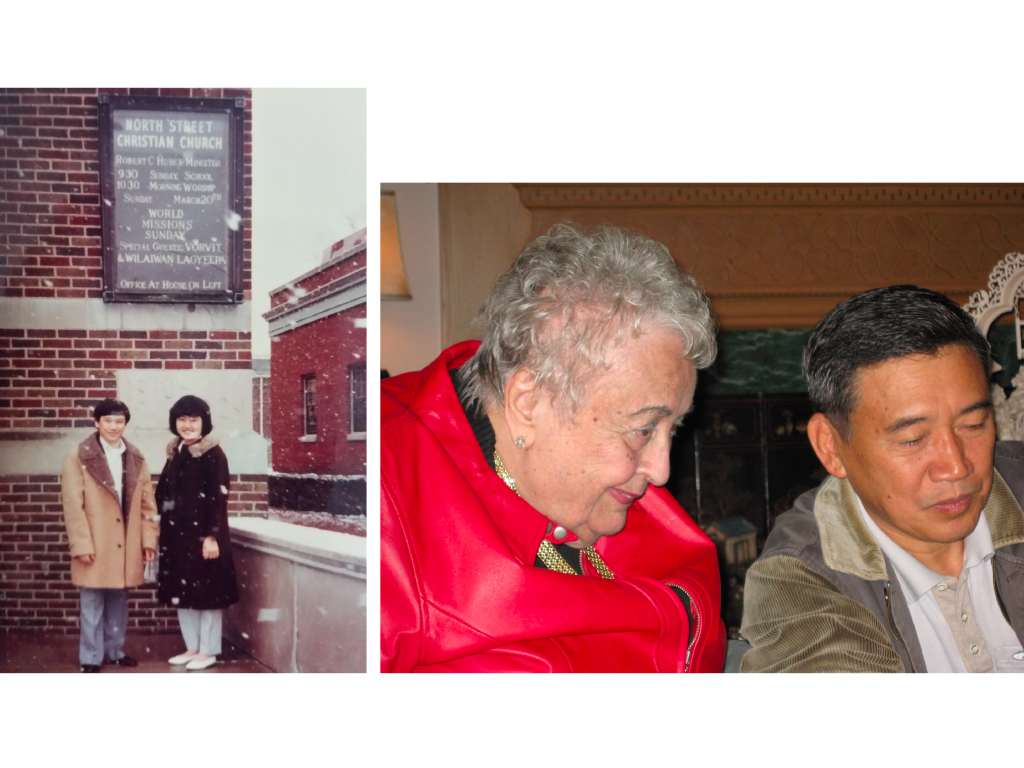
Follow along with Barnabas as he shares with us photos and stories of God's amazing work on the other side of the world!

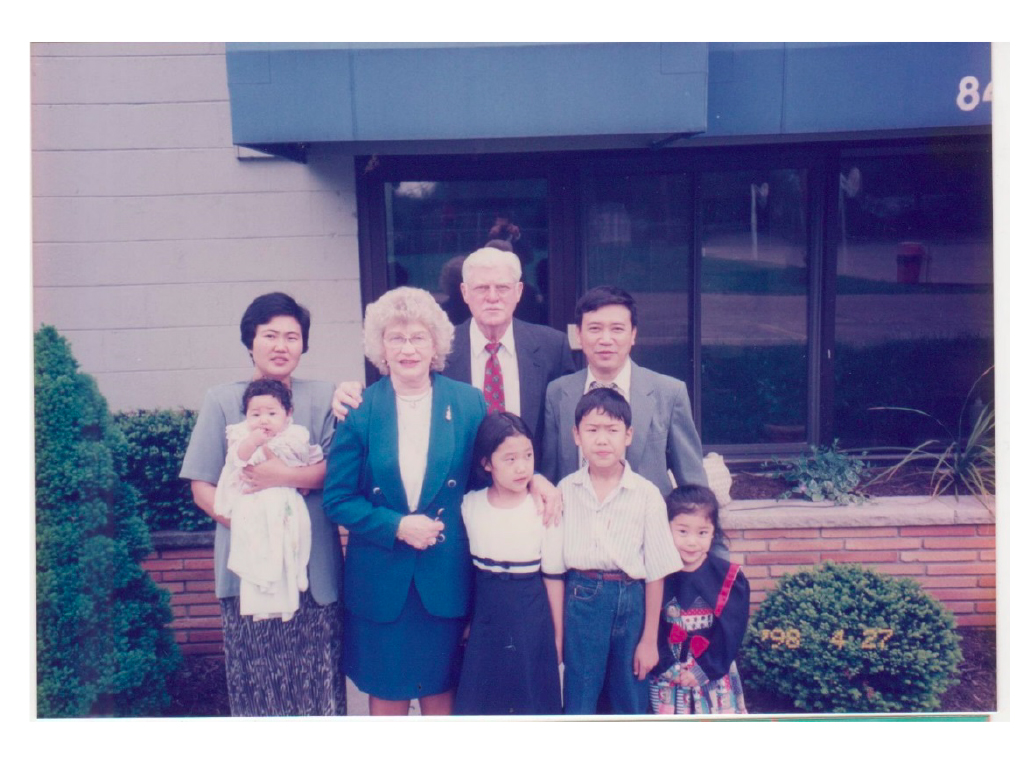
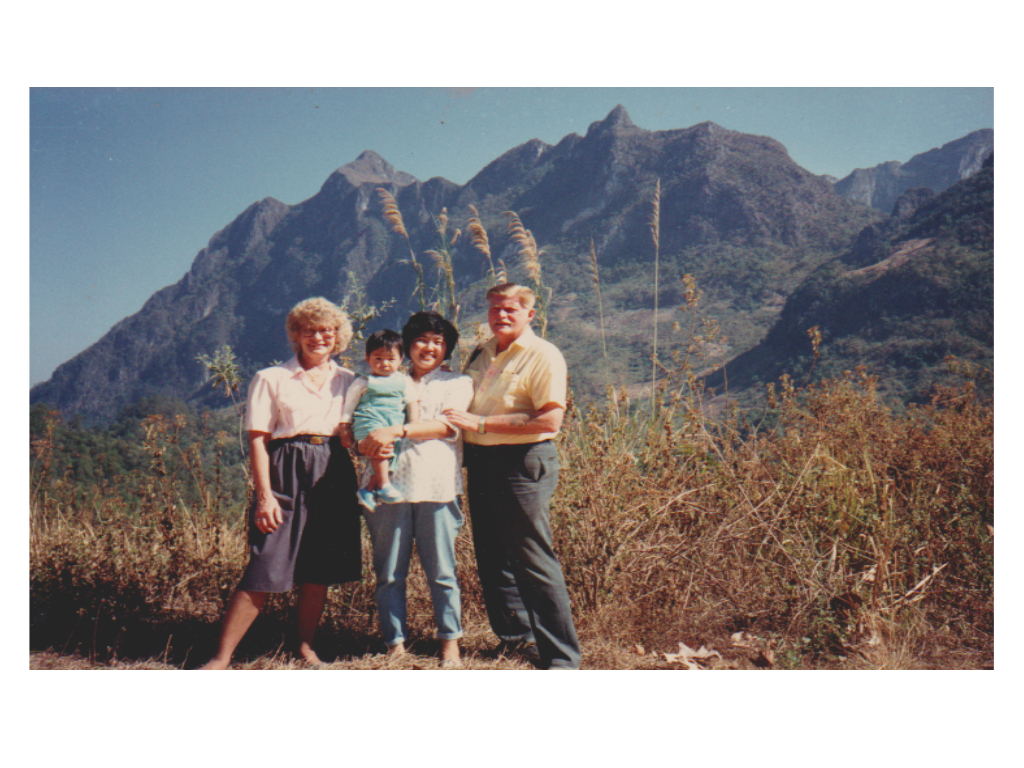
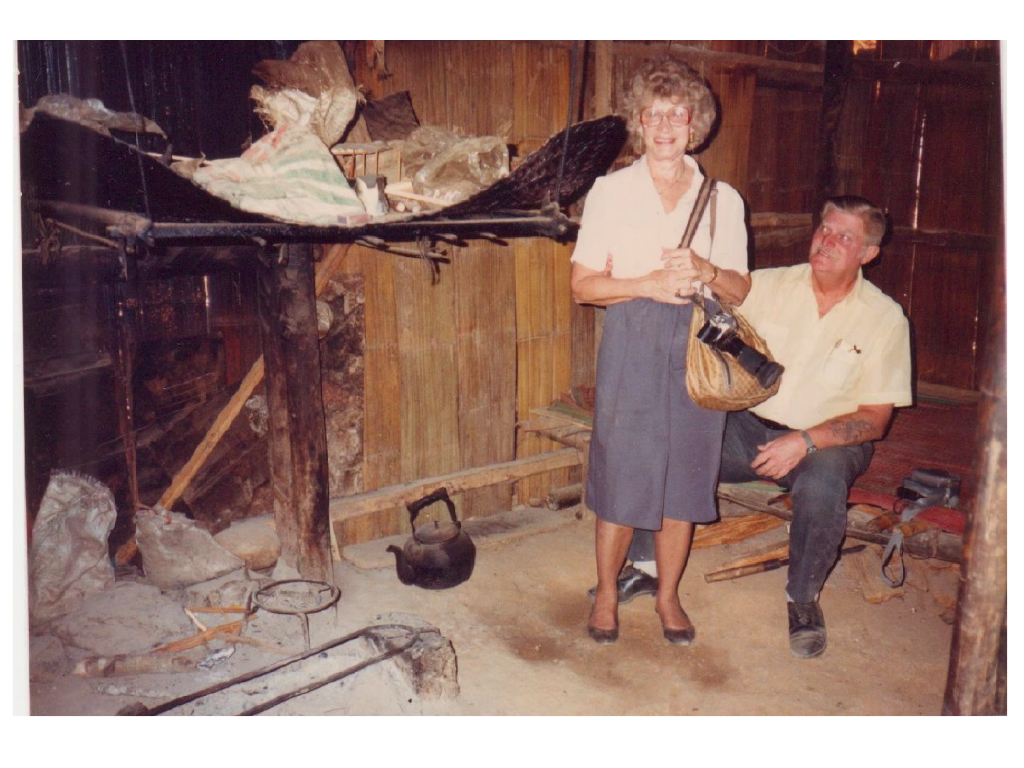
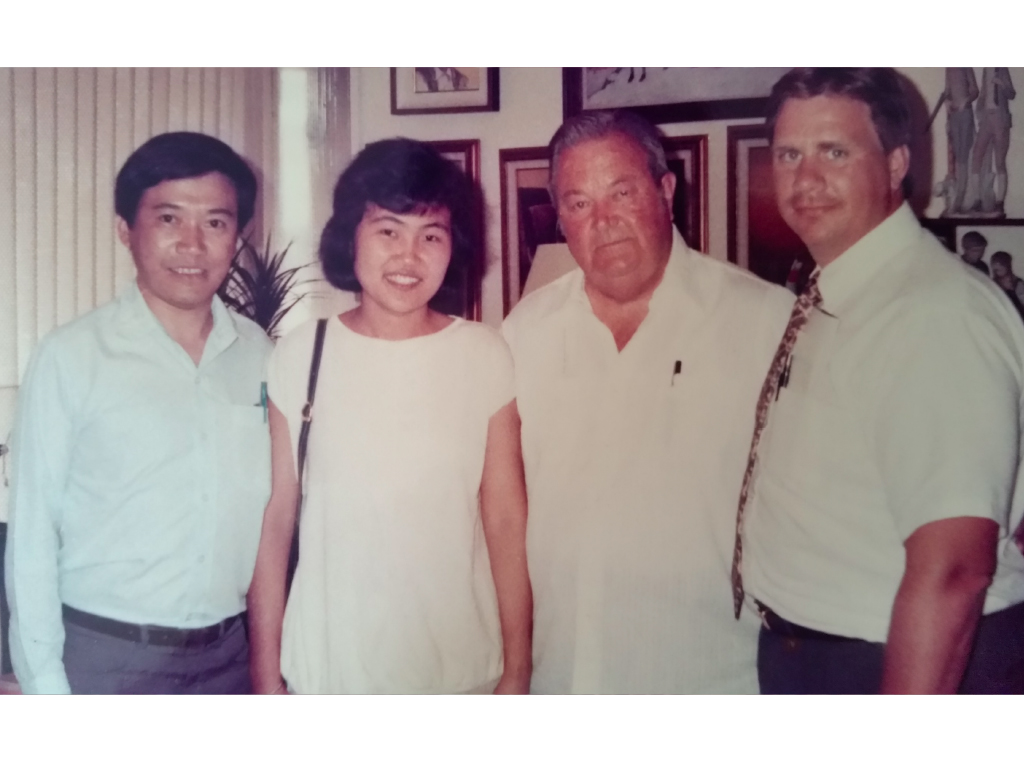
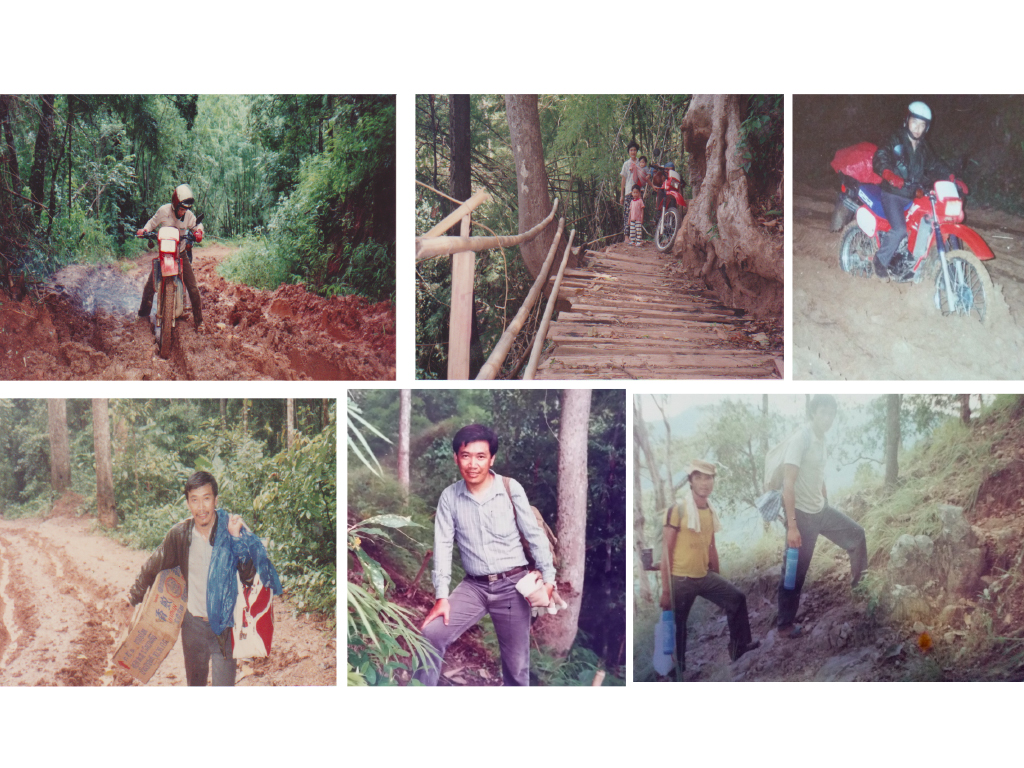
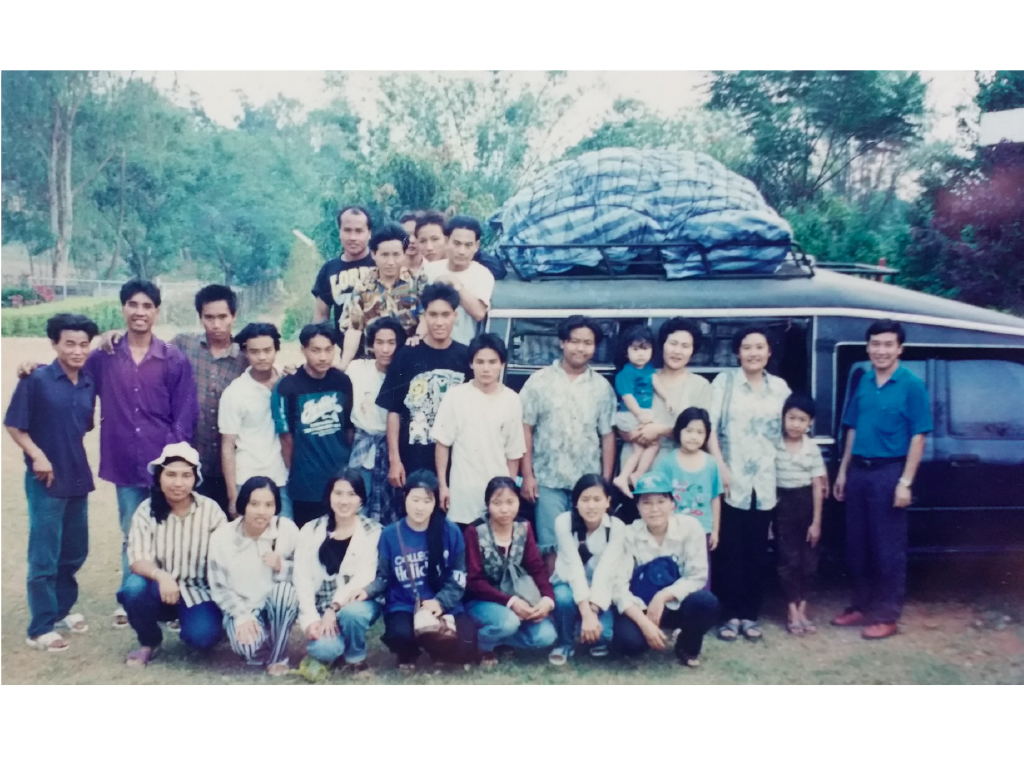
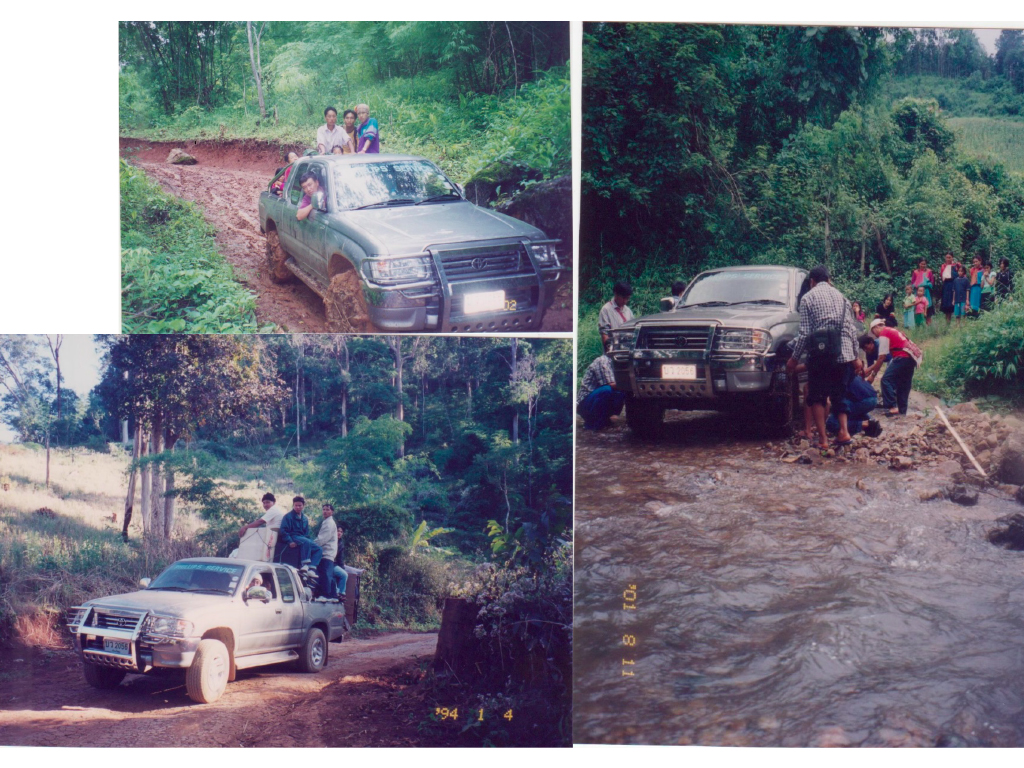
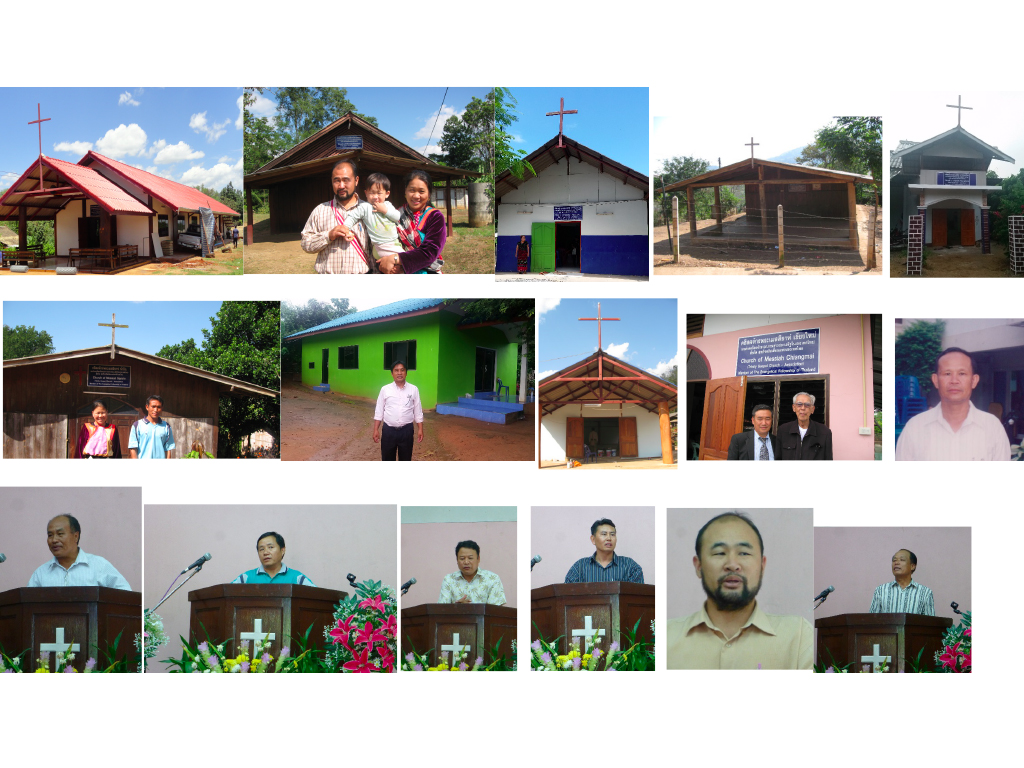
The sometimes incomprehensible stories of the disciples in Acts has played out in Barnabas and Martha's life over the past thirty years by simply following God's guidance and not holding back when speaking God's gospel and truth to those in need of hearing it in Thailand and beyond.

  • Pastor Jeff:

    00:00-00:12

    You guys know this because I've been saying this like for quite a while, but I can't even describe how excited I am for our special guest speakers today.

    Pastor Jeff:

    00:12-00:15

    Barnabas and Martha, would you please come up and join me?

    Pastor Jeff:

    00:16-00:17

    Up so everybody can see you.

    Pastor Jeff:

    00:22-00:24

    Thank you very much.

    Pastor Jeff:

    00:24-00:29

    Now, some of you are like, I come to Harvest Bible Chapel all the way from Gibsonia.

    Pastor Jeff:

    00:30-00:35

    And some of you say, I came to Harvest Bible Chapel all the way from Allison Park.

    Pastor Jeff:

    00:35-00:38

    These two came all the way from Thailand.

    00:41-00:41

    (congregation applauding)

    Pastor Jeff:

    00:43-00:48

    And if you're wondering where Thailand is, it's literally on the other side of the planet, literally.

    Pastor Jeff:

    00:49-00:51

    Do you know what time it is in Thailand?

    Pastor Jeff:

    00:51-00:56

    You just change AM to PM with whatever time it is here, and that's what time it is there.

    Pastor Jeff:

    00:56-01:00

    So right now it is 10.38 p.m. in Thailand.

    Pastor Jeff:

    01:00-01:10

    And I am so thrilled to have these two come and share what the Lord is doing in their lives and ministries and bring a word from the Lord today.

    Pastor Jeff:

    01:10-01:17

    But Barnabas graduated from Chiang Mai Bible Institute and from Cincinnati Christian Seminary.

    Pastor Jeff:

    01:18-01:20

    And he speaks seven languages.

    Pastor Jeff:

    01:22-01:23

    Now make sure I got these all right.

    Pastor Jeff:

    01:23-01:33

    Thai, Chinese, Burmese, Lisu, Lahu, Aka, and English.

    Pastor Jeff:

    01:34-01:35

    Yeah, that's the one.

    Pastor Jeff:

    01:36-01:37

    Fortunately for us, he speaks English.

    Pastor Jeff:

    01:39-01:49

    And since the early '80s, Barnabas has spread the gospel in the hill tribe villages in the Northern Mountain Jungle region in Thailand, around Chiang Mai, if you're trying to look it up on a map.

    Pastor Jeff:

    01:50-01:58

    The dominant religion in Thailand is Buddhism, But when you get to these tribal areas, it's mostly animism that you will find.

    Pastor Jeff:

    01:58-02:00

    And what does Barnabas do?

    Pastor Jeff:

    02:01-02:12

    Well, Barnabas and Martha recruit and train evangelists as they go through sharing the gospel, leading people to Christ, and training evangelists and church leaders.

    Pastor Jeff:

    02:13-02:18

    He's also founded three children's homes in Thailand and in Myanmar.

    Pastor Jeff:

    02:19-02:23

    How did I get connected with these wonderful servants of the Lord?

    Pastor Jeff:

    02:24-02:32

    Well, most of you know I became a Christian in 1995, and shortly after I came to Christ I was called into ministry.

    Pastor Jeff:

    02:33-03:26

    I remember I was having lunch with Pastor Bob, Bob Huber, who had spoken at our church, and I was telling him, "Hey, I came to Christ, and I just feel like I'm called to ministry, and I want to talk to you about it because I have no idea what I'm doing, and I still don't. And you're like, "Amen?" And Pastor Bob said, "Well, we have a group of people that are going to Thailand in a couple of months. Would you like to join us?" And I was like, "Okay." I didn't have a nickel to my name. I didn't know where Thailand even was on a map. I was just a new Christian. I'm like, "Yeah, I'll do whatever God calls me to do, and that was February of 1996. Can you believe that? It was over 20 years ago that I went to Thailand and was completely blown away at the way the Lord is at work.

    Pastor Jeff:

    03:26-03:42

    You know, this stuff that we're reading in Acts about the apostles going and sharing the gospel and these conversions and these spiritual attacks and all of these things that are happening, that's sort of the life that Barnabas lives.

    Pastor Jeff:

    03:43-03:46

    And I was amazed at the way the Lord is at work.

    Pastor Jeff:

    03:46-03:50

    And I've enjoyed spending time with them whenever they come stateside.

    Pastor Jeff:

    03:52-03:57

    And as you know, I was able to go back and help with training last November, a year ago.

    Pastor Jeff:

    03:58-04:05

    And at one time, Barnabas was at our house and he shared with me a verse that sort of sums up his life.

    Pastor Jeff:

    04:06-04:13

    And that verse is 1 Corinthians 9.23 that says, "I do all things for the sake of the gospel." Remember that conversation?

    Pastor Jeff:

    04:14-04:15

    That's just, that stuck with me.

    Pastor Jeff:

    04:15-04:19

    Everything he does, he puts that banner over it.

    Pastor Jeff:

    04:19-04:24

    I do all things for the sake of the gospel and everyone needs a hero.

    Pastor Jeff:

    04:26-04:26

    So here's mine.

    Pastor Jeff:

    04:27-04:34

    So give a warm welcome and get ready to listen closely to Barnabas Martha Singsarakoon.

    04:38-04:39

    [Applause]

    Barnabas:

    04:41-04:47

    Good morning. In Thai we say sawadee krap. Sawadee krap.

    Barnabas:

    04:48-04:59

    and Lisu is very easy, (speaks in foreign language) and in Burmese we say (speaks in foreign language) and the Lao who will say

    Barnabas:

    04:59-05:01

    (speaks in foreign language)

    Barnabas:

    05:03-05:07

    this is a greeting words from different language.

    Barnabas:

    05:08-05:24

    Thank you very much that allow me to have this opportunity 30 years, how the Holy Spirit has done through my life.

    Barnabas:

    05:25-05:31

    I'm not going to preach, but witness how the Spirit of God is working in my life.

    Barnabas:

    05:34-05:42

    Starting from zero, right now, God's world is bigger and bigger, much more than myself.

    Barnabas:

    05:43-05:57

    I can do it right now. Today is just witness how God, how the Holy Spirit get things done through my life. And I thank you, every brother and sister, you pray for me.

    Barnabas:

    05:58-06:04

    And I thank every brother and sister, you also donate the money for the ministry.

    Barnabas:

    06:05-06:58

    and may the Lord bless you. Your check deduction for the ministry, may the Lord fill according to his promise 30 times, 60 times, and 100 times. This is what we cannot imagine what Christ promised it for sacrificial giving, it's much more than we can understand. But he is, Jesus Christ is God. For him, this is possible. So like this morning, I would like to go by picture and how, you know, 30 years of my ministry, try to short it to about 45 minutes.

    Barnabas:

    07:00-07:11

    That would be pretty, how to say, anyhow, that would be good enough time to share that experience.

    Barnabas:

    07:12-08:08

    Actually, I would like to witness that. Mark chapter 3, verse 13 to 15, what Jesus Christ said in the Bible. Mark chapter 3, verse 13 to 15. Jesus went up on the mountainside and called to him those he wanted, and they came to him. He appointed twelve, designating them apostles, that they might be with him and that he might send them out to preach and to have authority to drive out demons. But this is like also for us difficult to do. How can you drive the demons out from someone? It's very difficult to do, but for God it's possible.

    Barnabas:

    08:10-08:18

    So in my life, I drive the demons a lot, whether older person or whether younger person.

    Barnabas:

    08:21-08:31

    So what Jesus Christ was said 2,000 years ago, still true till today, still powerful, still powerful.

    Barnabas:

    08:32-08:39

    So it's really worthy to obey God and to worthy to serve the Lord.

    Barnabas:

    08:40-08:49

    And then our life will be blessed and we are ready to bless our children and coming generation in our country.

    Barnabas:

    08:50-09:10

    Especially when I arrived over here, America is like from our forefathers, it red carpet, a healthy country, a very beautiful country, very comfortable, very safe.

    Barnabas:

    09:12-09:17

    So this generation is responsible for coming generations.

    Barnabas:

    09:18-09:20

    Then we will give them the same message to them.

    Barnabas:

    09:22-09:28

    Jesus Christ is the same yesterday, today, and forever.

    Barnabas:

    09:30-09:37

    Then by this way, we lead our country, our family, to the internal kingdom of God.

    Barnabas:

    09:38-09:40

    There will be much more than we can tell.

    Barnabas:

    09:41-09:52

    The way that God prepared for us is, our Father, God, we see on the screen, no eyes has been seen, no ear has been heard.

    Barnabas:

    09:54-09:56

    No heart has been thinking of this.

    Barnabas:

    09:57-10:00

    So, totally new, totally new.

    Barnabas:

    10:02-10:07

    So, by that time we feel that, okay, much more than we can imagine.

    Barnabas:

    10:09-10:11

    Things that God prepared for us, much more than we can imagine.

    Barnabas:

    10:12-10:20

    We will be surprised because of this unwilling to serve the Lord in my life.

    Barnabas:

    10:22-10:28

    Most of us would like to say God is with us, or God is with me.

    Barnabas:

    10:29-10:30

    Yeah, I accept that.

    Barnabas:

    10:32-10:36

    But the most important is whether I am with God or not.

    Barnabas:

    10:37-10:38

    Now this is the problem.

    Barnabas:

    10:39-10:44

    God is with me, God's waiting for me to repent.

    Barnabas:

    10:44-10:50

    But whether I am with God or not, if I repent, I'm with God.

    Barnabas:

    10:51-10:55

    If I don't repent, God is with me, He's awaiting me.

    Barnabas:

    10:56-10:57

    I never come back.

    Barnabas:

    10:59-11:07

    So the most important thing is like, yeah, we accept that God is with us, or God is with me.

    Barnabas:

    11:08-11:19

    But the most important is think of ourself, whether I am with God or not in our action, in our speaking, in our thinking.

    Barnabas:

    11:20-11:23

    If we can change, that means worshipping God.

    Barnabas:

    11:24-11:26

    That's the true worship is changing.

    Barnabas:

    11:26-11:33

    Unless we change our attitude, that's not, we don't have a chance to worship God yet.

    Barnabas:

    11:34-11:46

    So, oh, coming to the church also, we hearing the gospel of the word of God, and then when you come and when you go back, will be different.

    Barnabas:

    11:47-11:53

    When you have a new, when we have learn new things, then we will apply into our heart.

    Barnabas:

    11:53-11:56

    That's, we are with God.

    Barnabas:

    11:57-12:01

    So that's the most important thing.

    Barnabas:

    12:01-12:03

    Just cannot be done one thing.

    Barnabas:

    12:03-12:06

    It's going to be done every day, every day, every day, every day.

    Barnabas:

    12:07-12:10

    That makes sure we are with God.

    Barnabas:

    12:10-12:14

    If we are not with God, there's no protection.

    Barnabas:

    12:16-12:21

    If we are with God, we are safe in our daily life.

    Barnabas:

    12:21-12:24

    Okay, I would like to show some pictures.

    Barnabas:

    12:25-12:26

    Thank you.

    Barnabas:

    12:26-12:33

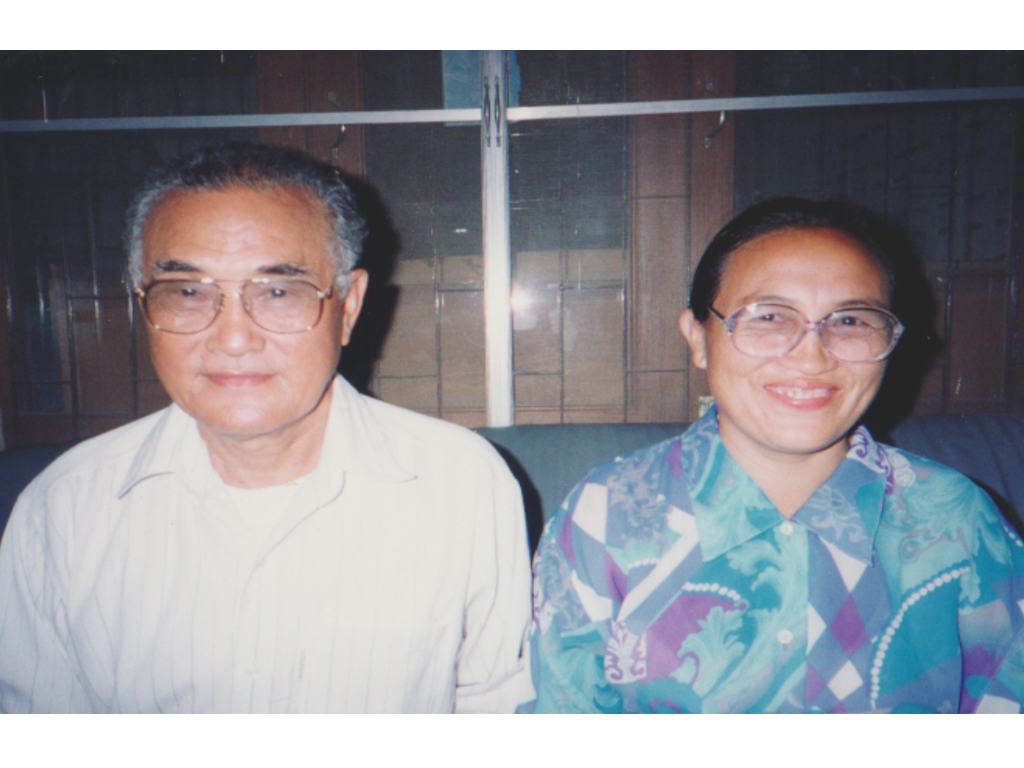
    Okay. Yeah, this is me and Martha in a wedding, the little dress.

    Barnabas:

    12:36-12:37

    And this is my family.

    Barnabas:

    12:38-12:45

    When we came to 1998, when we came over here, my youngest daughter is only four months old.

    Barnabas:

    12:46-12:51

    But right now, she is at the first year at the college.

    Barnabas:

    12:51-13:20

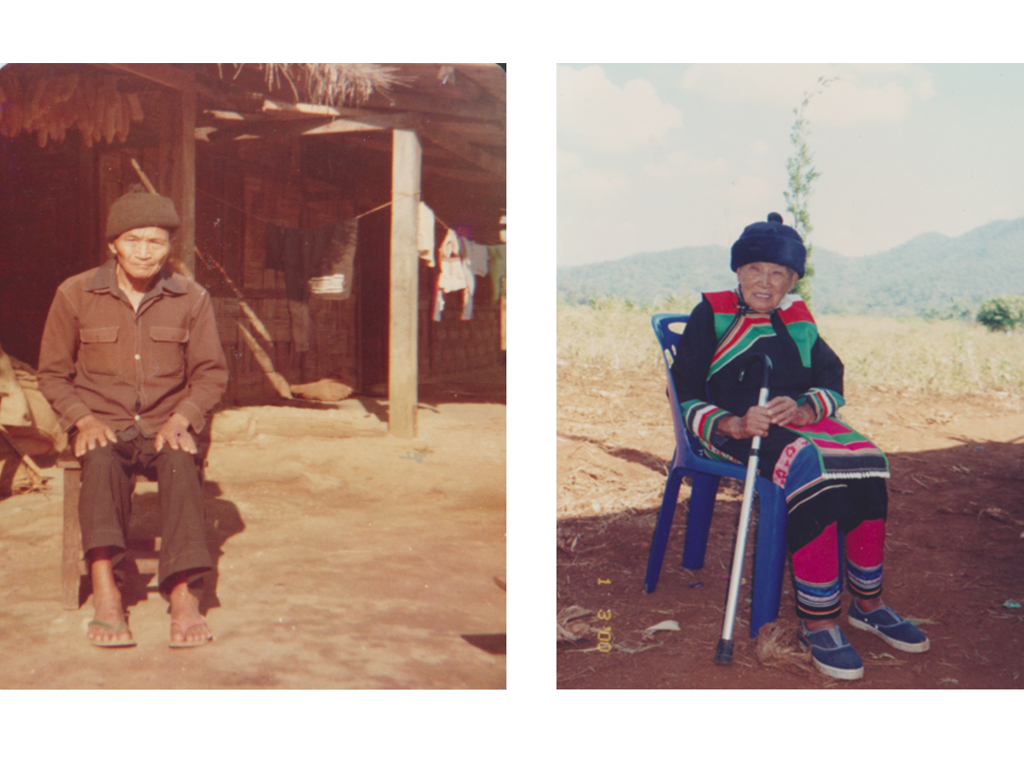
    Okay, second one. Yeah, this is my father. This is my mother. I was born between Burma and China border area, nearby the border area. We can go to China, but we didn't come to Burma side in order to go to market. From our house to go to market is you have to walk for four hours.

    Barnabas:

    13:21-13:24

    If go to China, yeah, about four hours.

    Barnabas:

    13:24-13:27

    If go to Burma side, about one day.

    Barnabas:

    13:30-13:34

    So usually mothers, they didn't see anything.

    Barnabas:

    13:34-13:38

    They just stay at home because cannot go to the market.

    Barnabas:

    13:39-13:42

    Usually men go to the market.

    Barnabas:

    13:42-13:43

    OK, second.

    Barnabas:

    13:44-13:46

    Yeah, this is Martha's parents.

    Barnabas:

    13:47-13:56

    and Martha's father involved a lot in the Lisu Bible translation, starting from 1963.

    Barnabas:

    13:58-14:06

    And our 1967 then, we have Lisu Old and New Testament, they finished.

    Barnabas:

    14:06-14:09

    So we have right now Lisu Bible.

    Barnabas:

    14:11-14:14

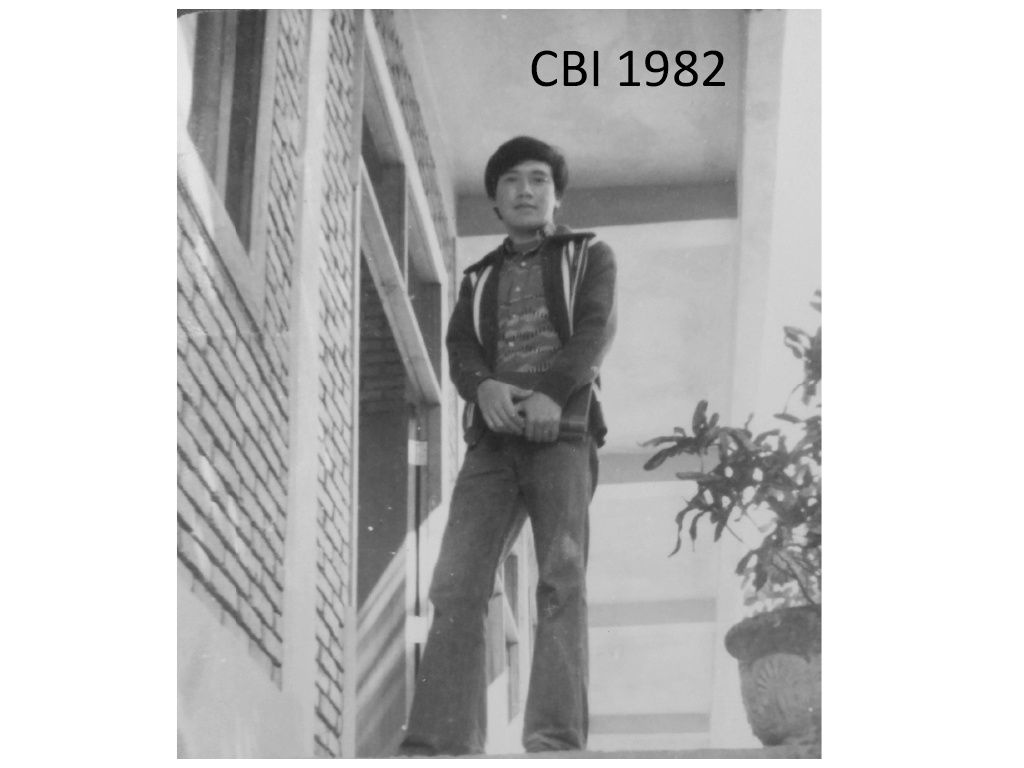
    Yeah, this is in Thailand, CBI.

    Barnabas:

    14:15-14:18

    CBI means the Chiang Mai Bible Institute.

    Barnabas:

    14:20-14:25

    In our village, there was Burmese Communist Party and the government.

    Barnabas:

    14:27-14:30

    So they fighting many years.

    Barnabas:

    14:32-14:35

    So in the village, very difficult to live, very difficult to work.

    Barnabas:

    14:36-14:39

    There are so many bad things going on.

    Barnabas:

    14:40-14:42

    And some are stepping on the landmine.

    Barnabas:

    14:43-14:47

    And at midnight, sometimes there's gunfire.

    Barnabas:

    14:47-14:49

    We don't know which way to run.

    Barnabas:

    14:50-14:56

    And we thought banana tree is better to hide.

    Barnabas:

    14:56-14:58

    So try to hide beside the banana tree.

    Barnabas:

    14:59-15:04

    It's not-- banana tree is not a good protection for the bullets.

    Barnabas:

    15:07-15:15

    When I came down to Thailand, people I went to Bible college only four years, but I took six years.

    Barnabas:

    15:16-15:17

    The reasons I didn't have ID.

    Barnabas:

    15:18-15:21

    The second is I didn't know Thai language.

    Barnabas:

    15:22-15:24

    So sometimes I can be in the class.

    Barnabas:

    15:24-15:30

    So sometimes I went and I stay with the Lishu people where the police did not come.

    Barnabas:

    15:32-15:38

    So when the condition is pretty quiet, then I went down and went to the Bible school again.

    Barnabas:

    15:39-15:41

    So I was there for four years.

    Barnabas:

    15:41-15:51

    Actually, that Bible school at the beginning, we are the one who pulled the cement and everything from the beginning that way.

    Barnabas:

    15:51-15:57

    When I graduated, the Bible school also finished building.

    Barnabas:

    15:58-15:59

    And this is in Burma.

    Barnabas:

    15:59-16:06

    After I finished my Bible school there in Thailand, I went back to Burma and suffered a lot at the country area.

    Barnabas:

    16:08-16:18

    traveling a lot, no time to stay at home, traveling to the north, to the south, to the west, to the east, traveling a lot within these four years.

    Barnabas:

    16:20-16:29

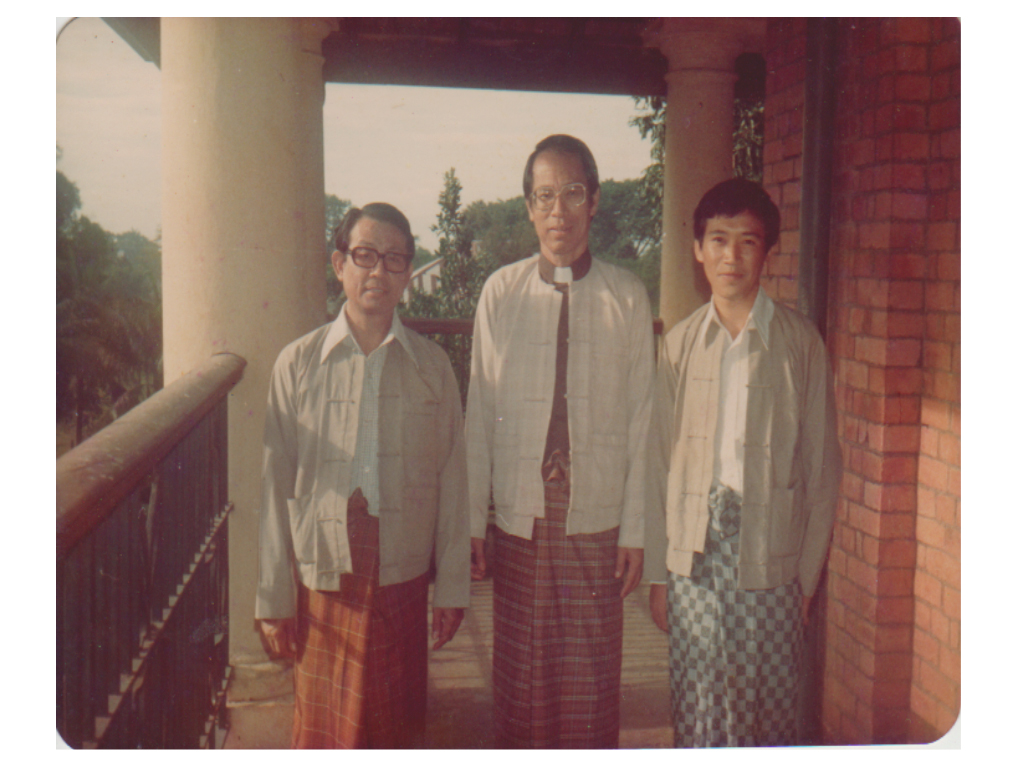
    After four years, this is what we call General Secretary of Myanmar Council of Churches.

    Barnabas:

    16:30-16:37

    The middle one is the General Secretary of the Church of England.

    Barnabas:

    16:38-16:45

    And this is me, I dress in Burmese, official dress is like this.

    Barnabas:

    16:46-16:51

    When we go to Burma, you will see this dressing is mostly you can see at the office.

    Barnabas:

    16:52-16:58

    So I was there at the Lisu Christian Church as a General Secretary for four years.

    Barnabas:

    16:59-17:01

    Then I wanted to preach the gospel.

    Barnabas:

    17:01-17:06

    That's why I came down to Thailand in 1986.

    Barnabas:

    17:09-17:18

    And when I came down over there, a group of American group preaching the gospel came to Thailand, but they don't speak any Thai.

    Barnabas:

    17:19-17:22

    They don't speak any Lisu or something like that.

    Barnabas:

    17:23-17:28

    So, they also went to join the Bible class.

    Barnabas:

    17:29-17:32

    And nobody can translate for them.

    Barnabas:

    17:33-17:41

    So I translate for them into Burmese, Lisu, and Lahu, three languages at the same time.

    Barnabas:

    17:42-17:58

    And Mr. Wallaby, he said that, "Okay, if you willing, I'm going to, he's willing to support me two years to go to Cincinnati Bible Seminary." Yeah, this is Burmese writing language.

    Barnabas:

    17:59-18:11

    Yeah, Mr. Willoughby and Mrs. Virginia Willoughby, they brought me to America and I went to Cincinnati Bible Seminary for two years.

    Barnabas:

    18:13-18:14

    This is in Ching Dao.

    Barnabas:

    18:16-18:17

    Yeah, this is Cincinnati.

    Barnabas:

    18:18-18:21

    I was here for two years.

    Barnabas:

    18:22-19:13

    was so urgent. I came to Thailand for a couple of weeks, and I met Mr. Wallaby. I didn't have a chance to prepare that, to go to school. And then when I came over to America, I was late for school, two weeks already. And I couldn't catch, it was difficult to catch because my English was not good. I didn't know this kind of a big city and many rooms like that. I'm lost in the Cincinnati Bible Seminary. I don't know which way to go. So somebody took me to a room, a classroom. Okay, I tried to listen to the professor. And about three, four minutes later, somebody came and said, "This is not your class." So he took me to another class.

    Barnabas:

    19:15-20:15

    And when I came out, I don't know which room is my class, because Usually we have only one room or two rooms, but a big city, I'm lost in the Cincinnati Bible Seminary over there. So after two years, exactly two years, I went back to Thailand and I start preaching the gospel. One thing, when I graduated from Cincinnati Bible Seminary, now I finished. Looks like all the heavy burdens for the preparation and reading for the examination is so much, you know, since it's my second thought language, and I couldn't -- difficult, you know, every day we are struggling, reading assignments, all these things. Usually, American students are three hours in the class. At home, they read maybe about 30 minutes or 10 minutes, then they finish.

    Barnabas:

    20:16-20:21

    But for me, in the class, three hours, back home, another three hours, you know.

    Barnabas:

    20:22-20:30

    So some nights, I stay until in the morning, because our challenge is so great.

    Barnabas:

    20:30-20:42

    I couldn't sleep, so the whole night, typing and also reading, and I think not less than three, four nights that I still do in the morning, you know.

    Barnabas:

    20:44-20:52

    My time is almost finished in staying in America, but I don't have any support to go back and serve the Lord.

    Barnabas:

    20:53-20:59

    Thailand is not my homeland, so I need some support.

    Barnabas:

    20:59-21:04

    So in one class, I met Mr. Bob Huber in the same class.

    Barnabas:

    21:05-21:06

    Actually, the time is gone.

    Barnabas:

    21:07-21:08

    The time is finished.

    Barnabas:

    21:08-21:10

    But one more subject is not finished yet.

    Barnabas:

    21:11-21:17

    So in the midterm, they have a two-week class.

    Barnabas:

    21:17-21:20

    So Mr.

    Barnabas:

    21:20-21:22

    Bob came over there, and we met over there.

    Barnabas:

    21:22-21:28

    So usually in the school, people don't introduce themselves very much.

    Barnabas:

    21:29-21:37

    But Mr. Bob introduced himself to me, then that's why we came to know each other.

    Barnabas:

    21:37-21:46

    Another thing he said, "Our church willing to support a missionary to Thailand." That's me, you know.

    Barnabas:

    21:47-21:56

    And that is the Holy Spirit brought us to know together in order to do the ministry there in Thailand.

    Barnabas:

    21:57-21:58

    I didn't know him.

    Barnabas:

    22:00-22:02

    I have to go back home without support.

    Barnabas:

    22:02-22:04

    That means that we cannot suffer more.

    Barnabas:

    22:05-22:07

    I have to find some other jobs like that.

    Barnabas:

    22:07-22:14

    Yeah, when I went back to Thailand, Mr. Ben Felix gave me a dog bike.

    Barnabas:

    22:15-22:17

    You have only one bike.

    Barnabas:

    22:17-22:22

    Marta stayed at home, no bicycle, no scooter.

    Barnabas:

    22:23-22:27

    When she go to buy some, go to the market, still difficult.

    Barnabas:

    22:27-22:32

    But our families are depending on one dog bike.

    Barnabas:

    22:34-22:43

    Me and Martha in the city, me and Martha, and even Arthur and Lisa, we four people ride on the dog bike.

    Barnabas:

    22:45-22:52

    So whether we go to the village or live in the town, we use four people on one bike.

    Barnabas:

    22:53-22:54

    This is Mr. Phillip.

    Barnabas:

    22:56-23:04

    We came in 1988 here in Butler, Pennsylvania.

    Barnabas:

    23:05-23:07

    During that time, it looks like snowing.

    Barnabas:

    23:09-23:10

    OK, this is Mary Phillip.

    Barnabas:

    23:12-23:16

    She donated-- later that she donated one truck.

    Barnabas:

    23:16-23:19

    And that's very powerful to use in the country area.

    Barnabas:

    23:21-23:24

    To do the ministry, I walk a lot.

    Barnabas:

    23:25-23:26

    I walk a lot.

    Barnabas:

    23:26-23:30

    Looks like our sweat is taking a shower, you know.

    Barnabas:

    23:30-23:33

    Sweat comes out and it dries up.

    Barnabas:

    23:33-23:35

    When you rest, it dries up.

    Barnabas:

    23:35-23:38

    When you walk out, the sweat comes out again.

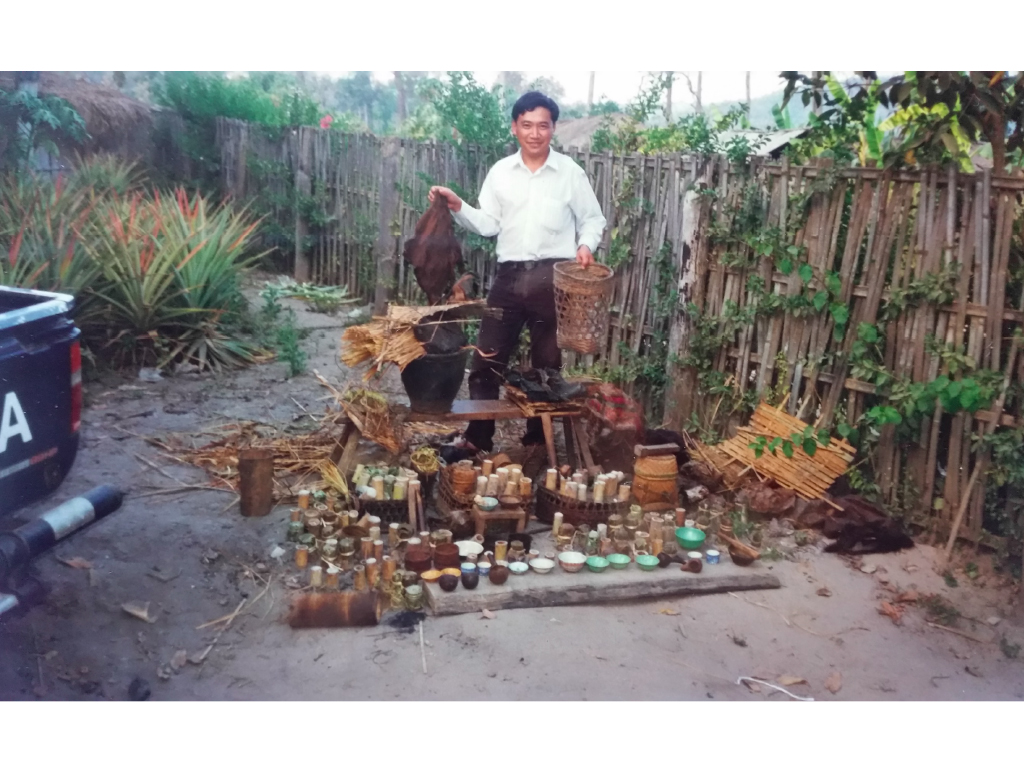
    Barnabas:

    23:39-23:42

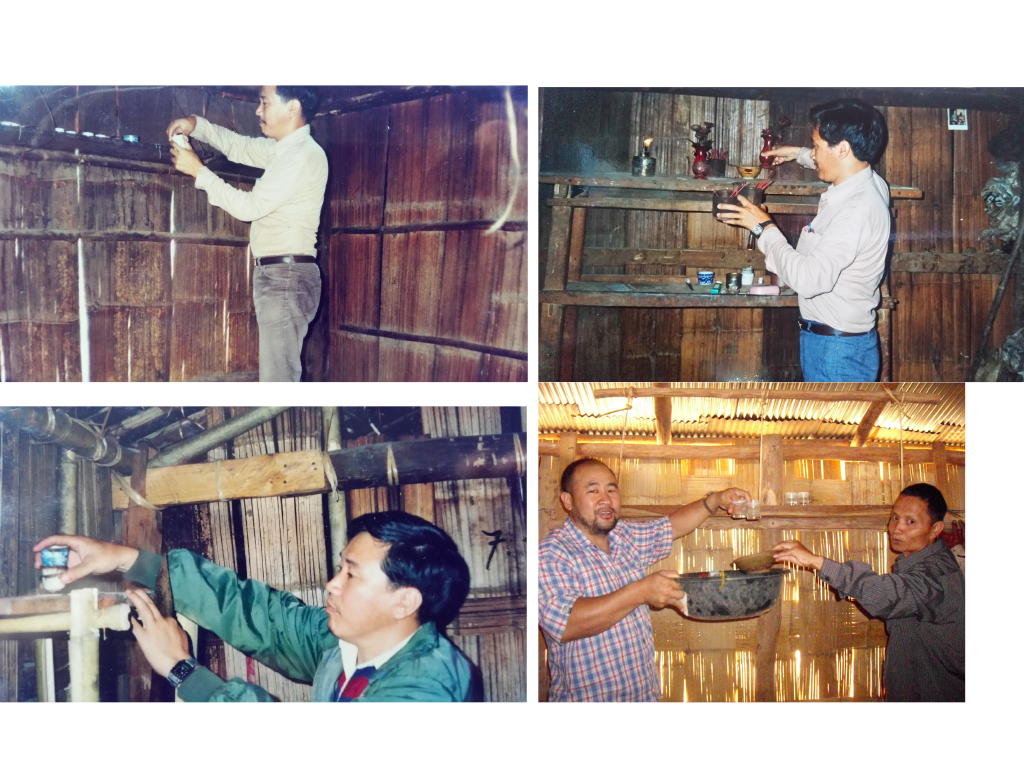
    Okay, so this we call animism.

    Barnabas:

    23:43-23:46

    They worship their forefathers' spirit.

    Barnabas:

    23:47-23:49

    And also we call jungle spirit.

    Barnabas:

    23:50-23:54

    They have two kinds of spirit in their family worship altar.

    Barnabas:

    23:55-24:06

    So when they accept Jesus Christ, we have to take out their spirit altar and put it into the basket, and we burn it outside their house.

    Barnabas:

    24:06-24:14

    And this is —we—so many pictures on this thing, just only a few pictures we can see.

    Barnabas:

    24:16-24:18

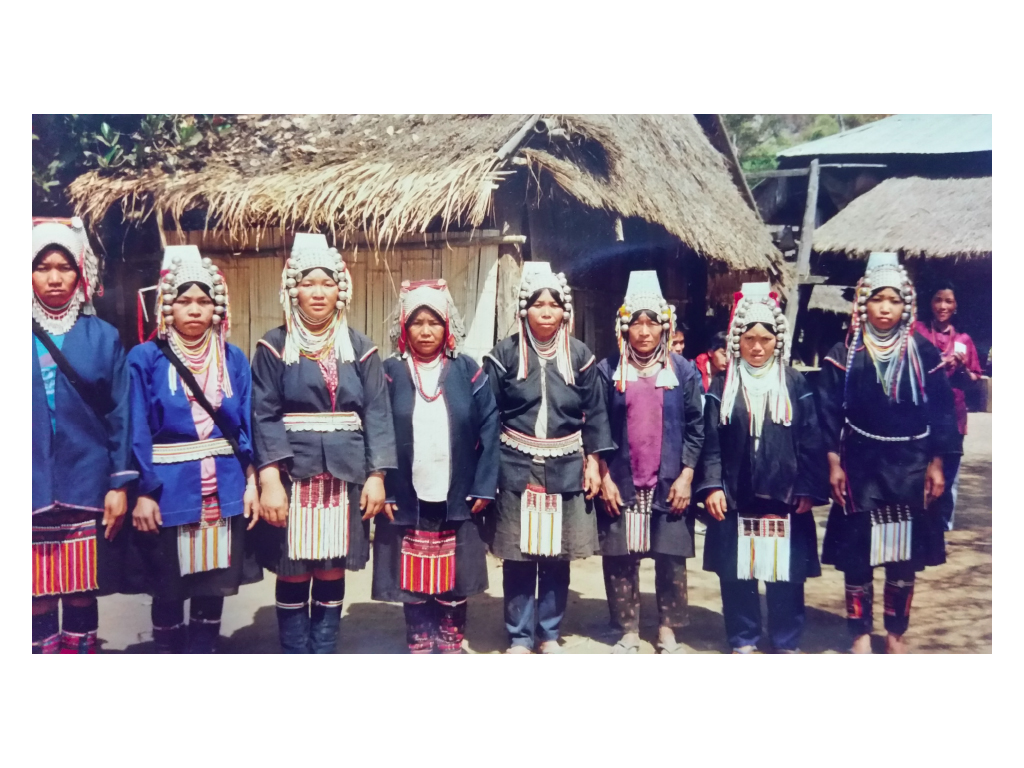
    And this is what we call Aka Village.

    Barnabas:

    24:20-24:27

    And the first day they became Christians, 70 people just accepted Jesus Christ within one day.

    Barnabas:

    24:29-24:39

    Yeah, this is, I took off from their spirit altar and I put it on my truck and they said, "Oh, don't let us see that our forefather's spirit.

    Barnabas:

    24:40-24:51

    We burned them in front of my eyes." They said, "Difficult to accept it." So you take away and burn them somewhere else, but not in our village.

    Barnabas:

    24:51-24:55

    So I carried all these things to another village.

    Barnabas:

    24:55-25:07

    But some people said, "Barnabas carries some kind of spirit, "so don't let him burn this area." So, okay, I can burn somewhere else.

    Barnabas:

    25:10-25:25

    Well, we all burn this area, even though we just like, we have to pray to God that nothing happen to us and to the people who accept Jesus Christ.

    Barnabas:

    25:25-25:26

    We have to pray.

    Barnabas:

    25:28-25:37

    Yeah, when we take out the spirit altar, we usually the cross sign put into the family.

    Barnabas:

    25:38-25:45

    So I used from the Joshua, me and my family will worship our God.

    Barnabas:

    25:45-25:49

    So I write the word over there in this.

    Barnabas:

    25:50-25:51

    So in the, that's bamboo wall.

    Barnabas:

    25:52-25:54

    They pick up, put it on a bamboo wall.

    Barnabas:

    25:55-26:01

    And then when we step into their house, we can easily know that this is Christian.

    Barnabas:

    26:02-26:05

    If non-Christian, they are pretty much superstitious.

    Barnabas:

    26:06-26:12

    But Christians, the same Bible changed their life, and the same Bible changed us.

    Barnabas:

    26:13-26:16

    So we feel like brother and sister, you know.

    Barnabas:

    26:16-26:21

    We don't feel afraid or suspect or something like that.

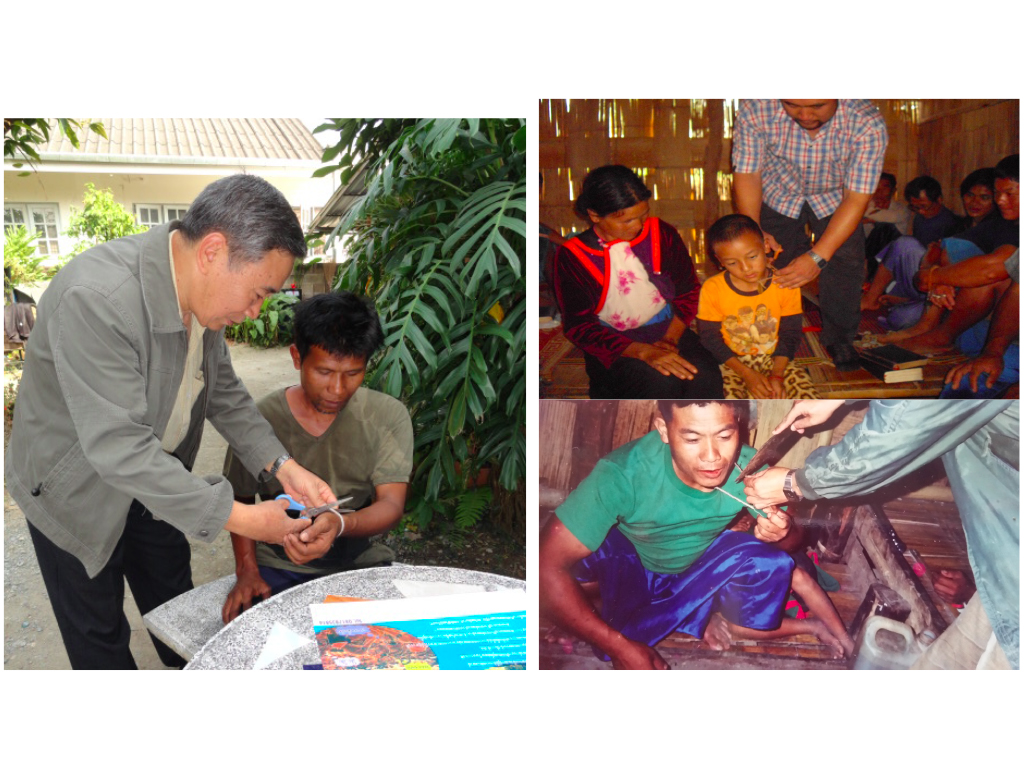
    Barnabas:

    26:23-26:28

    Yeah, they have some threat, white threat or sometimes colorful threat.

    Barnabas:

    26:28-26:34

    They bite on, tie it on their wrist or on the neck.

    Barnabas:

    26:35-26:39

    So they vow something to the spirit.

    Barnabas:

    26:41-26:43

    Sometimes this can be very dangerous.

    Barnabas:

    26:45-26:52

    And so when they accept Jesus Christ, we use the scissor or a knife, cut them off.

    Barnabas:

    26:52-26:54

    Then we lay hands on them and pray.

    Barnabas:

    26:55-26:59

    And then let them follow after our prayer.

    Barnabas:

    27:00-27:05

    So whenever they accept Jesus Christ, I stay one or two more nights.

    Barnabas:

    27:06-27:07

    I cannot go home immediately.

    Barnabas:

    27:09-27:14

    Or sometimes, today, one family become Christian, usually I stay with them, you know.

    Barnabas:

    27:15-27:18

    So my life is, I have, looks like many house, you know.

    Barnabas:

    27:19-27:21

    I can stay with any family.

    Barnabas:

    27:22-27:25

    Means I don't have my private room.

    Barnabas:

    27:25-27:30

    We just sleep on the floor, nearby their stove.

    Barnabas:

    27:31-27:38

    They lit the fire, And in the country area, not enough blankets, so I have to close to the stove.

    Barnabas:

    27:39-27:40

    Then a little bit warmer.

    Barnabas:

    27:41-27:44

    You know, shaky nights, you know, very cold.

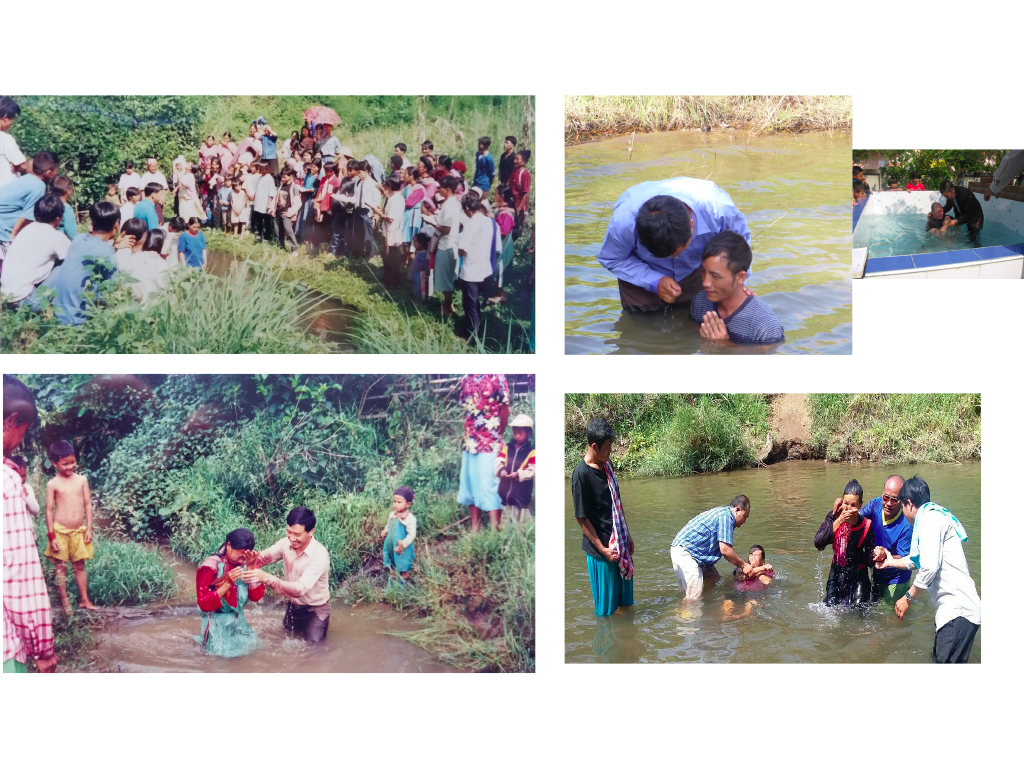
    Barnabas:

    27:45-27:50

    Yeah, when they accept Jesus Christ, we baptize them.

    Barnabas:

    27:51-27:54

    Many, many people were baptized, many, many.

    Barnabas:

    27:55-27:57

    Sometimes 70, sometimes 60.

    Barnabas:

    27:59-28:02

    So when we —my truck is enough, not enough.

    Barnabas:

    28:03-28:12

    So I have to hire three more taxi trucks over there, then to go to the water in order to be baptized.

    Barnabas:

    28:12-28:15

    In the village, the water is not enough.

    Barnabas:

    28:15-28:22

    So we have to go out about maybe 40 minutes' drive at the jungle, going very dusty.

    Barnabas:

    28:23-28:25

    Here, I don't see any dust here.

    Barnabas:

    28:26-28:29

    Over there, one truck goes, don't follow after them.

    Barnabas:

    28:29-28:32

    You know, dust.

    Barnabas:

    28:32-28:34

    We couldn't see the next truck.

    Barnabas:

    28:36-28:40

    And we become American because all the hairs become gray.

    Barnabas:

    28:43-28:45

    This fellow is a general, Thai general.

    Barnabas:

    28:46-28:54

    I didn't know him, but his house helper, she's a Lee Su, and knew her, so I give a call to her.

    Barnabas:

    28:54-28:57

    Please ask permission from your boss.

    Barnabas:

    28:58-29:00

    Can I share the gospel to him?

    Barnabas:

    29:00-29:08

    And she asked, and she said, "Yes." So me and my wife and one more couple, we went to preach gospel that night.

    Barnabas:

    29:10-29:16

    And for Thai people, they are really difficult to approach high officers.

    Barnabas:

    29:17-29:22

    When we step in, for Hilltribe people, we just step in this way.

    Barnabas:

    29:23-29:29

    But the two Thai fellow, they just kneel down and crawling in front of the yard.

    Barnabas:

    29:31-29:31

    General.

    Barnabas:

    29:32-29:37

    So I'm a Thai, but counterfeit, you know, fake Thai, you know, like that.

    Barnabas:

    29:38-29:46

    So when I shared the gospel, the general said, "How can it be? I'm the leader of Thailand.

    Barnabas:

    29:46-30:03

    I'm leading in the Second World War and the Vietnam War, joining with the U.S. force." He said, "If I don't know this one, how can I be a leader of Thailand?" So Barnabas give me one night, then I will give you the answer.

    Barnabas:

    30:04-30:07

    So it's about one hour drive from my house to his house.

    Barnabas:

    30:09-30:18

    And then when I'm back home in the night about 8 p.m., watering my plants, you know, the flowers, he give him my call and he said, "Barnabas, I couldn't wait.

    Barnabas:

    30:19-30:28

    If something going to happen to me this night then, tonight then, how can I solve the problem?" He said, "Come over tonight."

    Barnabas:

    30:28-30:28

    (laughs)

    Barnabas:

    30:29-30:30

    I said, "It's very dark.

    Barnabas:

    30:32-30:40

    "God is with you." At the second that you wanted to accept Jesus Christ, God is with you, he's gonna give you protection.

    Barnabas:

    30:41-30:46

    So on Sunday, he came to the church, and we lay hands on him, pray for him.

    Barnabas:

    30:47-30:50

    And the Holy Spirit helped him a lot.

    Barnabas:

    30:51-30:57

    He was 85 and caught car accident a couple times, so his health is not good.

    Barnabas:

    30:59-31:02

    Slivers are dropping all the time.

    Barnabas:

    31:02-31:09

    So whether he, with the net tire or the white shirts, getting wet.

    Barnabas:

    31:11-31:14

    So he came to, he stayed with us for three days.

    Barnabas:

    31:15-31:25

    And then we prayed together and the dropping slivers, Slavery is gone, immediately gone.

    Barnabas:

    31:25-31:29

    He said, "If this happened to someone, "I don't believe," he said.

    Barnabas:

    31:30-31:31

    "But it's happened to me.

    Barnabas:

    31:32-31:33

    "What shall I say?

    Barnabas:

    31:33-31:36

    "If I don't believe, now I'm dried up.

    Barnabas:

    31:37-31:42

    "If I believe, what happened to me?" He said, "Jesus Christ is so surprised," he said.

    Barnabas:

    31:44-31:49

    So in the Second World War, he killed so many Vietnamese.

    Barnabas:

    31:50-31:52

    So that bothered him a lot.

    Barnabas:

    31:52-31:54

    In the nighttime, he couldn't sleep.

    Barnabas:

    31:54-32:05

    All the people that he killed coming back to him in the nighttime, even though he closed eyes, still coming, and he couldn't sleep the whole night.

    Barnabas:

    32:06-32:10

    So after we went to his house and prayed for him, all this gone.

    Barnabas:

    32:11-32:12

    He was so happy.

    Barnabas:

    32:13-32:19

    So wherever our evangelists are going, the Holy Spirit is with us.

    Barnabas:

    32:20-32:28

    How can we drive, how do you say, the spirits in the Second World War come to bother him?

    Barnabas:

    32:28-32:30

    How can we drive them out?

    Barnabas:

    32:30-32:32

    Only in the name of Jesus Christ.

    Barnabas:

    32:33-32:37

    So when he became a Christian, he was so happy.

    Barnabas:

    32:38-32:39

    He was so happy.

    Barnabas:

    32:41-32:53

    As you see the dirt bike, very muddy, the hillside, our bridge, it's only wooden bridge, not last long, but we're very scary.

    Barnabas:

    32:54-33:03

    In this motorbike, me and my wife and my son and my daughter, four people on our dirt bike, very slippery.

    Barnabas:

    33:05-33:07

    Don't say to ride on a motorbike.

    Barnabas:

    33:07-33:11

    Just walk down is not easy, you know, not that way.

    Barnabas:

    33:13-33:21

    To ride on motorbike, we have to ride, and the left leg must be strong, because you have to keep side by side like that.

    Barnabas:

    33:22-33:28

    So this is, I walk at the country for one day, two days, I walk.

    Barnabas:

    33:30-33:35

    because I want to know Jesus Christ more, you know.

    Barnabas:

    33:36-33:41

    By traveling, God has performed something better than before.

    Barnabas:

    33:41-33:43

    Something new, something new.

    Barnabas:

    33:43-33:46

    I always keep this thing all the time in my mind.

    Barnabas:

    33:48-33:52

    So, I didn't feel like I'm tired.

    Barnabas:

    33:53-33:54

    You know, I didn't complain.

    Barnabas:

    33:55-33:59

    Even those difficulties, I didn't complain.

    Barnabas:

    34:00-34:02

    But one day I complained one time.

    Barnabas:

    34:04-34:05

    The road was so slippery.

    Barnabas:

    34:06-34:11

    Before I could reach the village, I fell off a motorbike six times.

    Barnabas:

    34:12-34:16

    You see, I fell off a motorbike six times.

    Barnabas:

    34:16-34:23

    So I said, "Lord, only one mile." I fell off six times.

    Barnabas:

    34:24-34:28

    There are another 30 more miles. How can I go?

    Barnabas:

    34:29-34:41

    So I sit before the Lord and I pray, "Help me on this trip." And then the rest of the journey, I didn't fail out from the bike, you know, right to the village.

    Barnabas:

    34:41-34:47

    My motorbike road is a path, it's a very small path, very steep.

    Barnabas:

    34:48-34:53

    When you come, I will point out for you the places that I went.

    Barnabas:

    34:53-34:55

    You just don't believe me.

    Barnabas:

    34:56-34:57

    You don't believe me.

    Barnabas:

    34:58-35:03

    But it's real. All the people over there, they knew that I went this road.

    Barnabas:

    35:04-35:05

    Very difficult.

    Barnabas:

    35:07-35:14

    Yeah, Mr. Wallaby, when we have a motor with a dog bike and he bought me this truck.

    Barnabas:

    35:15-35:18

    This truck looks like all the Leasing people owned it.

    Barnabas:

    35:19-35:21

    One truck, we loaded 30 people.

    Barnabas:

    35:23-35:24

    27 people.

    Barnabas:

    35:27-35:28

    Very helpful.

    Barnabas:

    35:29-35:32

    Got a truck in the country, very helpful.

    Barnabas:

    35:32-35:36

    Not necessarily with the air condition, a warmer system.

    Barnabas:

    35:39-35:41

    This is not with air condition.

    Barnabas:

    35:43-35:47

    And also, the steering is not power.

    Barnabas:

    35:48-35:57

    So my journey is about 150 kilometres, but you have to drive five to six hours.

    Barnabas:

    35:59-36:11

    More than a thousand turns, you know, almost, yeah, just, almost turning all this way without steering, HDR, how to say, shoulder pain, arm pain, like that.

    Barnabas:

    36:13-36:23

    Mary Phillip, she donated this truck, So we put the other truck is now four by four, so cannot go this way.

    Barnabas:

    36:23-36:27

    So this one, we have to put four chains on four wheels.

    Barnabas:

    36:30-36:34

    Yeah, here, like this is Mr. Chuck Ralph.

    Barnabas:

    36:35-36:41

    Now he is here, Denise and Mr. Chuck, they donate this truck.

    Barnabas:

    36:41-36:50

    And now I'm not using this one because my left leg is not so strong.

    Barnabas:

    36:50-36:52

    So this truck came.

    Barnabas:

    36:54-36:57

    At the time, I really needed this kind of a truck.

    Barnabas:

    36:58-37:00

    So that really helped me a lot.

    Barnabas:

    37:00-37:03

    So will you please stand up for me, Mr. Chuck and Denise?

    Barnabas:

    37:05-37:07

    OK, Alexis, thank you.

    Barnabas:

    37:07-37:08

    Give applause to them.

    Barnabas:

    37:08-37:08

    OK.

    Barnabas:

    37:13-37:13

    [APPLAUSE]

    Barnabas:

    37:14-37:29

    When we loaded generator, sandbox, and everything's on one truck, above them we have six, seven people sit on the top.

    Barnabas:

    37:29-37:32

    So very shaky like that.

    Barnabas:

    37:32-37:34

    In the country, the road is not good.

    Barnabas:

    37:34-37:40

    You must learn how to hold—we have to learn from monkey, you know, how much they are strong.

    Barnabas:

    37:41-37:45

    And when you lose out, you'll be losing out like that.

    Barnabas:

    37:46-37:51

    So we have to-- the whole time that we are on the top, you have to hold this way.

    Barnabas:

    37:52-37:57

    And so riding the truck over here is a lot easier, very comfortable.

    Barnabas:

    37:58-38:01

    Over here is-- you hold very tight.

    Barnabas:

    38:02-38:02

    OK.

    Barnabas:

    38:04-38:15

    And the truck right now is like-- actually, I couldn't drive the truck anymore because my left leg, so since we have automatic gear, I got this one.

    Barnabas:

    38:16-38:24

    So my stay at home and stay and live in the truck, my time in the lift truck is more than my stay at home.

    Barnabas:

    38:25-38:28

    So traveling in the day or in the night.

    Barnabas:

    38:28-38:34

    So like I have to be, in the past time, I run 40 village by myself.

    Barnabas:

    38:35-38:43

    But right now I keep 20 village, maybe 25 village, and we have 17 fellow evangelists.

    Barnabas:

    38:45-38:51

    So right now, not alone, you know, we have some fellow evangelists that I trained.

    Barnabas:

    38:51-39:06

    We train them monthly, and from time to time I go to the village, and especially I met with the headman of the village, or spirit man, like a witch doctor.

    Barnabas:

    39:07-39:12

    So they're a little bit hesitant to go, but for me, it's no problem.

    Barnabas:

    39:13-39:16

    To see the headman or to see the witch doctor.

    Barnabas:

    39:17-39:20

    We are come here to challenge, to meet these people.

    Barnabas:

    39:22-39:25

    Okay, these are some of our church right now.

    Barnabas:

    39:26-39:28

    That was Nong Choe Church.

    Barnabas:

    39:29-39:42

    Yeah, all this church, we mostly send, The money came from non-seclusion church, that we can able to build all this church.

    Barnabas:

    39:42-39:44

    This is my fellow evangelist.

    Barnabas:

    39:46-39:55

    Yeah, when we have some money, we pave church floor, and our church members are helping in the mixing cement, like that.

    Barnabas:

    39:57-40:02

    Yeah, in my life, I just don't agree with the Muslim, what they do.

    Barnabas:

    40:02-40:07

    So I use this one and I pray for Muslims.

    Barnabas:

    40:09-40:11

    The reason is like very difficult.

    Barnabas:

    40:12-40:19

    If we don't pray for the Muslims, don't send our kids as a missionary to other countries.

    Barnabas:

    40:21-40:22

    They will be killed, you know.

    Barnabas:

    40:24-40:28

    So we have to, our prayer must be like a long reach missile.

    Barnabas:

    40:29-40:31

    Let our prayer go there first.

    Barnabas:

    40:32-40:46

    I remember when the Jews, Israelites came up from Egypt to Canaan, 600,000 Israel were lost.

    Barnabas:

    40:47-41:00

    So the same thing, like in this generation, if 600,000 Jihadis gone, then the next generation is open to the gospel.

    Barnabas:

    41:01-41:07

    So I pray for them like a war.

    Barnabas:

    41:08-41:16

    So I lit the candle and kneel before God and fast and pray.

    Barnabas:

    41:18-41:24

    Because even this generation's gone, we want coming generation to come to Christ.

    Barnabas:

    41:25-41:31

    It's not the end time, but still we have hope like that.

    Barnabas:

    41:31-41:38

    But here in America, I think you better not use your candle, because you are paved with the carpet.

    Barnabas:

    41:40-41:47

    Carpet is very flammable, so if you-- sometimes it burns your house away.

    Barnabas:

    41:47-41:49

    Over there, we don't have a carpet.

    Barnabas:

    41:49-41:54

    So even though it drops down there, there's only cement floor.

    Barnabas:

    41:56-42:03

    But here it's very difficult if you use the candle, must use a light, electric light.

    Barnabas:

    42:05-42:07

    Yeah, this is a monthly meeting.

    Barnabas:

    42:07-42:09

    So Martha is cook.

    Barnabas:

    42:10-42:11

    Our meeting is three days.

    Barnabas:

    42:11-42:16

    One day they come, the second day I teach, I train them the whole day.

    Barnabas:

    42:17-42:21

    And they have to give me report, every monthly report.

    Barnabas:

    42:22-42:25

    What has been done this past month?

    Barnabas:

    42:26-42:27

    what is your new plan for next month?

    Barnabas:

    42:29-42:36

    So like monthly, but starting from this year, I divided out two sections.

    Barnabas:

    42:37-42:41

    This first mission part, this is second part like that.

    Barnabas:

    42:42-42:50

    So they will be meeting their own village, and then the second month come to meet me in Chiang Mai.

    Barnabas:

    42:51-42:56

    So when evangelists come in my house, about more than 20 people.

    Barnabas:

    42:57-43:01

    Mother are cooking and well to prepare for their sleeping.

    Barnabas:

    43:01-43:08

    But here in America, every time when I came over here, they give me private room like that.

    Barnabas:

    43:08-43:11

    Over there, we don't have a private room, just sleeping line.

    Barnabas:

    43:14-43:18

    This is just before I came over here, when they were sleeping, I just took a picture.

    Barnabas:

    43:19-43:19

    (laughs)

    Barnabas:

    43:22-43:27

    Yeah, my ministry in Chiang Mai is not to start a Lisu church.

    Barnabas:

    43:28-43:31

    From the Lisu to start a Thai church.

    Barnabas:

    43:33-43:39

    So now the country people become pastors in the city or evangelists in the city.

    Barnabas:

    43:40-43:43

    Country people went to Bible college a lot.

    Barnabas:

    43:44-43:51

    So like I preach in Lisu, Mata interpreted into Thai language.

    Barnabas:

    43:53-43:57

    Up there was the Christmas time, down there is Thanksgiving.

    Barnabas:

    43:57-44:07

    So Mata is always cooking, cooking for the Christmas or Thanksgiving or monthly meeting.

    Barnabas:

    44:09-44:14

    This is last year that Mr. Bob came to Thailand.

    Barnabas:

    44:15-44:20

    And our Thanksgiving and here your Thanksgiving is a little different.

    Barnabas:

    44:21-44:27

    So this is our Thanksgiving is what you can see from biblical like that way.

    Barnabas:

    44:29-44:32

    Yeah, this is Ben Rath.

    Barnabas:

    44:33-44:34

    He came to Thailand.

    Barnabas:

    44:35-44:40

    And also, he also encouraged the people over there.

    Barnabas:

    44:42-44:48

    Yeah, this is just beside my house.

    Barnabas:

    44:49-44:50

    This is what we call bamboo house.

    Barnabas:

    44:52-44:55

    We use the bamboo, make a big hole.

    Barnabas:

    44:56-45:08

    We don't let, how to say, in the middle, we don't have the post, so we try to make ourself a bamboo house, and then we can hold many people.

    Barnabas:

    45:09-45:12

    In my house church is still very small.

    Barnabas:

    45:13-45:17

    Maybe 67 people can stay, but 300, 400 people.

    Barnabas:

    45:17-45:23

    Sometimes, Thanksgiving, we have more than 1,000 people came.

    Barnabas:

    45:23-45:25

    Sometimes 300 people came.

    Barnabas:

    45:25-45:26

    Sometimes 400 people came.

    Barnabas:

    45:28-45:31

    Yeah, this is how bamboo house.

    Barnabas:

    45:32-45:35

    That is my fellow evangelist.

    Barnabas:

    45:37-45:43

    My fellow evangelist from Lisu, Thai, Laos, Aka.

    Barnabas:

    45:45-45:49

    So I'm serving the Lord among the four tribes here in Thailand.

    Barnabas:

    45:51-45:54

    So I speak Burmese and sometimes I went to Burma.

    Barnabas:

    45:55-46:01

    At the border one time I met the immigration officer.

    Barnabas:

    46:02-46:03

    He's a Burmese.

    Barnabas:

    46:04-46:08

    When I share the gospel to him, he accept.

    Barnabas:

    46:09-46:22

    And I said, "Okay, you who live here in Burma, you can take out his idol, all idols from his house." And they said, "No, no, no, Barnabas.

    Barnabas:

    46:23-46:24

    We cannot do it.

    Barnabas:

    46:24-46:25

    You do it.

    Barnabas:

    46:26-46:41

    We don't know how to do it." So I told this immigration officer, "Okay, let's go to your house." So I went to his house and asked, "Do you agree that we take all these things?" He said, "I agree." I decided.

    Barnabas:

    46:42-46:54

    So I put all the idols, the Buddhist idols, put into the paper box and I tied it up and I told one young man, "Take and run."

    Barnabas:

    46:54-46:55

    (laughs)

    Barnabas:

    46:56-46:59

    They can run and don't let anybody see.

    Barnabas:

    46:59-47:00

    They don't speak this rule.

    Barnabas:

    47:01-47:07

    So I said, "You went out there in the wood and you can use your hammer to break out.

    Barnabas:

    47:08-47:16

    Don't let anybody know." The idols used the hammer, hit their heads at the jungle.

    Barnabas:

    47:16-47:19

    We cannot hit them in front of them.

    Barnabas:

    47:22-47:26

    Actually, your support is good enough for my family.

    Barnabas:

    47:28-47:35

    I can spend more money, but I cannot do, I cannot be each village.

    Barnabas:

    47:36-47:42

    So, what sort of a you give me, I separate it up, give to 70 people.

    Barnabas:

    47:45-47:46

    So, what sort of a left?

    Barnabas:

    47:46-47:53

    Maybe $100 left, $200 left, and our family depend on that.

    Barnabas:

    47:55-47:59

    So God, the Holy Spirit give us more food, you know.

    Barnabas:

    48:00-48:04

    When they have Thanksgiving, they give some more rice to us.

    Barnabas:

    48:05-48:08

    When we go to the village, they give some chicken to us.

    Barnabas:

    48:09-48:15

    So I don't lay my treasure here on earth.

    Barnabas:

    48:16-48:20

    What's all that we have, just share with the evangelists, share with the evangelists.

    Barnabas:

    48:20-48:24

    They can be where they are, I cannot be, you see.

    Barnabas:

    48:25-48:28

    Then this little money I can spend, yeah, I can spend it.

    Barnabas:

    48:29-48:33

    But if they have it better than it has in my hand.

    Barnabas:

    48:34-48:38

    So I share all the support to our fellow.

    Barnabas:

    48:39-48:42

    Yeah, in their hand, their whole envelope.

    Barnabas:

    48:44-48:45

    One family, $100.

    Barnabas:

    48:47-48:49

    One family, $150.

    Barnabas:

    48:50-49:04

    Every month when I give them, "Okay, you pray for North South Christian Church and also how to say, Mr. Jeff, I give them the name, you have to pray for them.

    Barnabas:

    49:06-49:13

    So when they hold the envelope and pray for you, and you are responsible to use this money.

    Barnabas:

    49:15-49:25

    So like the word of God is, you know, going to 17, 18 area, usually 25 villages that we are running.

    Barnabas:

    49:26-49:27

    Yeah, they are praying.

    Barnabas:

    49:27-49:28

    Next one.

    Barnabas:

    49:28-49:30

    Yeah, actually here we have one song.

    Barnabas:

    49:32-49:33

    Can we hear their song?

    Barnabas:

    49:35-49:37

    Actually we together sing a song.

    Barnabas:

    49:39-49:44

    In my prayer, God use me a lot.

    Barnabas:

    49:44-49:51

    So just we, let us give ourselves to God first and he can use.

    Barnabas:

    49:52-49:55

    Like your money, if you don't give me, how can I use your money?

    Barnabas:

    49:57-50:02

    The same way, if we don't give our life to God, God cannot use.

    Barnabas:

    50:03-50:12

    If I say this is mine, then God, okay, you are, by your own, then God cannot use us.

    Barnabas:

    50:13-50:36

    So like Father says, a while ago we read Mark chapter, verse three, chapter three, 13 to 15, is that the signs will be authority, the same authority that he gave to 12 disciples and 70 people and gave it to the apostle Paul.

    Barnabas:

    50:37-50:45

    And even today, the same authority we receive to drive demons and evil spirits.

    Barnabas:

    50:47-50:51

    So what he had said in this world is true.

    Barnabas:

    50:52-50:58

    Then what he said for the coming promise that he will take us to heaven, that will be true.

    Barnabas:

    50:59-51:03

    So our hope is really true.

    Barnabas:

    51:04-51:06

    So don't be discouraged in our life.

    Barnabas:

    51:07-51:11

    Worshiping God and preaching the gospel.

    Barnabas:

    51:13-51:33

    Actually, in preaching the gospel, like a bear in fruit, like a bear in fruit means when I receive the Bible and I have to speak out the Bible, go to all nations, means let the word of God go out from our mouth.

    Barnabas:

    51:35-51:38

    Let the word of God come out from our mouth.

    Barnabas:

    51:39-51:39

    It's good.

    Barnabas:

    51:40-51:47

    the Word of God go anywhere and everywhere, you can let the Word of God go out. Let the Word of God go out.

    Barnabas:

    51:49-51:53

    Then God will use his Word to change someone's life.

    Barnabas:

    51:54-52:06

    So evangelist means I told my people like we must be talking Bible, walking Bible. This Bible is not talking Bible.

    Barnabas:

    52:07-52:12

    It's not walking Bible, but it transfer to in our life.

    Barnabas:

    52:13-52:18

    Then the Bible, we ourselves like the Bible, talking Bible and walking Bible.

    Barnabas:

    52:20-52:25

    So even on the way, anywhere you can talk the gospel to everyone.

    Barnabas:

    52:27-52:30

    Since we did dedicated to the Lord.

    Barnabas:

    52:30-52:34

    So God will, we give and God will use.

    Barnabas:

    52:36-52:41

    Many times we face the spirit problem, spirit battle.

    Barnabas:

    52:42-52:57

    I faced many times, but God gave me, suppose something is happening, I couldn't see clearly, but in my dream, God gave me, who is bothering this young boy?

    Barnabas:

    52:58-53:00

    I know that the spirit is bothering.

    Barnabas:

    53:01-53:02

    Which spirit?

    Barnabas:

    53:03-53:06

    Where even spirit, they have a higher position, a lower position.

    Barnabas:

    53:07-53:11

    The spirit of Bardo, this younger, is from the higher position.

    Barnabas:

    53:13-53:19

    So I drove one hour, two hour, to go there and help this youngest out.

    Barnabas:

    53:20-53:22

    So she's now okay.

    Barnabas:

    53:24-53:34

    So like, I wanted to witness that, what the Bible said in the Jesus time is still true to this day.

    Barnabas:

    53:36-53:39

    If we dedicate to him, he will use us.

    Barnabas:

    53:41-53:47

    And then things that are happening, we don't understand.

    Barnabas:

    53:48-53:52

    It's increasing, the number of Christians is increasing.

    Barnabas:

    53:53-53:59

    In my area, just before I came over here, One family, it's a Thai family, became Christian.

    Barnabas:

    54:00-54:03

    Three children and a father and mother, all five people.

    Barnabas:

    54:06-54:15

    So my preaching gospel place is whenever I meet non-Christian, that is the place that I preach in the gospel.

    Barnabas:

    54:15-54:23

    I don't choose the place, whether at the cemetery, whether on the bus, at the restaurant.

    Barnabas:

    54:25-54:32

    Usually when I eat something at the restaurant, the restaurant over there is, you know, at the city and the country area is very different.

    Barnabas:

    54:33-54:38

    One meal about $1, but here it's maybe not one meal, $1.

    Barnabas:

    54:40-54:46

    And then, if not many customer, I can share the gospel to shop owner.

    Barnabas:

    54:48-54:58

    So like, I would like to witness that the Holy Spirit done it in my life and all these spirits gone.

    Barnabas:

    54:59-55:00

    And many people become Christian.

    Barnabas:

    55:01-55:07

    Right now we have more than 2,000 people become Christian within this 30 years.

    Barnabas:

    55:08-55:11

    So worker also more increased it.

    Barnabas:

    55:12-55:20

    So like here also more stronger support must be increased it and then we will reach more area.

    Barnabas:

    55:21-55:24

    and my preaching the gospel is a lot improved.

    Barnabas:

    55:24-55:35

    At the beginning, I have to, in order to preach the gospel to one person, is have to wait opportunity, make a friend, make a friend.

    Barnabas:

    55:36-55:40

    Like I said, be a friend, be a friend, be a friend, the rest of all your life, be a friend.

    Barnabas:

    55:41-55:43

    Nowadays, I don't make a be friend, you know.

    Barnabas:

    55:44-55:46

    I just directly preach gospel to them.

    Barnabas:

    55:48-55:52

    Be a friend is take, spend a lot of time.

    Barnabas:

    55:53-55:54

    Just share the gospel immediately.

    Barnabas:

    55:56-56:01

    I said, I'm faithful to your life, so I share the gospel to you.

    Barnabas:

    56:02-56:05

    I'm faithful to your life, that's why I share the gospel to you.

    Barnabas:

    56:07-56:16

    So like, I thank you for your prayer, and thank you for your listening, and thank you that allow me to be with you.

    Barnabas:

    56:17-56:17

    It's a great honor.

    Barnabas:

    56:18-56:19

    May God bless you.

    56:22-56:22

    [APPLAUSE]

    56:23-56:26

    [APPLAUSE]

The Great Commission: Go and Tell!

CONTROVERSY: What is up with Mark 16:9-20?


CONCLUSION: 4 Things Jesus Did After the Resurrection:

  1. Jesus APPEARS . (Mk 16:9-14)


  2. Jesus ASSIGNS . (Mk 16:15-16)


  3. Jesus AUTHENTICATES . (Mk 16:17-18, 20)


  4. Jesus ASCENDS . (Mk 16:19)

COMMISSION: How HBC Goes After Jesus' Mission:

Sermon Notes (PDF): BLANK
int: Highlight blanks above with your cursor for answers!

  • 00:00-00:06

    Open your Bibles up with me please to the Gospel of Mark and chapter 16.

    00:07-00:09

    The Gospel of Mark and chapter 16.

    00:11-00:16

    We are finishing today a journey that we started in October of 2013.

    00:18-00:25

    We have been walking through the Gospel of Mark, verse by verse, for almost two whole years.

    00:26-00:29

    you have been with us through every verse of that journey.

    00:30-00:36

    And we praise the Lord for that and we certainly praise the Lord for those of you who have been joining us in the journey on the way.

    00:36-00:39

    And I've got to tell you, there's a part of me that's a little sad that we're done.

    00:41-00:49

    There's another part of me facing the passage that we're looking at today, that I've just got to tell you, I've never preached a sermon like this.

    00:49-00:54

    I've been in pastoral ministry since about 1996, so that's what, about 19 years or so.

    00:54-00:59

    I have never preached a message like the one that I'm going to preach today.

    01:00-01:02

    Because look at your Bible, Mark chapter 16.

    01:02-01:16

    I had a couple people this past week say, "Oh, you're done with Mark, so what's next?" And I just kind of smile and say, "We're not quite done with Mark yet." Like, "What do you mean?" I'm like, "Well, there's still one more passage." Now look at your Bible.

    01:16-01:18

    On Mark chapter 16, do you see verses...

    01:18-01:22

    How many people see verses 9 through 20 in your Bible?

    01:22-01:23

    Do you have 9 through 20 in your Bible?

    01:24-01:25

    Okay, you're looking at it.

    01:25-01:28

    How many people do not have nine through 20 in their Bibles?

    01:28-01:28

    Is there anybody here?

    01:29-01:32

    Now look in front of verse nine and at the end of verse 20.

    01:32-01:34

    How many people have brackets there?

    01:34-01:35

    How many people have brackets?

    01:35-01:37

    Oh, most of you, okay.

    01:38-01:44

    Now I want you to look at the footnote, meaning at the very bottom of your Bible, you know that like size 0.7 font.

    01:45-01:51

    How many people have like these little numbers that say, I'll tell you what mine says, "Some manuscripts end the book with 16/8.

    01:51-01:55

    "Others include verses nine through 20 immediately after verse 8, a few manuscripts.

    01:56-01:58

    Insert additional material after verse 14.

    01:58-02:01

    One manuscript adds after verse 8, the following.

    02:01-02:02

    Do you have something like that?

    02:03-02:09

    Like manuscript, manuscript, manuscript this, some manuscripts that, here a manuscript, there a manuscript, everywhere a manuscript, manuscript.

    02:09-02:12

    Do you have something like that at the bottom of your Bible?

    02:12-02:17

    Okay, so, I've always tried to be completely transparent with you.

    02:17-02:18

    I've always tried.

    02:18-02:21

    Whether you like me or not, I try to be honest with you.

    02:22-02:26

    And I was looking at this passage this week, and I thought, there's some options.

    02:27-02:31

    One is, I can just skip it and move on to the next thing.

    02:32-02:34

    Show up here and be like, wasn't the gospel of Mark great?

    02:34-02:37

    Okay, now open up your Bible to the book of Nehemiah.

    02:38-02:42

    And hoping that nobody would notice that we didn't cover this last part.

    02:43-02:47

    But I know some of you would be like, Pastor Jeff, I thought there was more stuff in Mark.

    02:48-02:49

    I thought about doing that.

    02:49-03:05

    Another thing I thought about I was just preaching through this passage as if everything was normal, but then some people would say, "Pastor Jeff, I've got all kinds of brackets and explanations and footnotes and there's little numbers and there's little explanation things.

    03:06-03:13

    What's up with all that?" So we're just going to - pardon the expression - we're just going to address the elephant in the room.

    03:13-03:16

    On your outline, controversy.

    03:16-03:19

    What is up with Mark 16:9-20?

    03:20-03:22

    What is up with this passage?

    03:23-03:34

    I figured the best thing to do since I've always tried to be just transparent with you, I decided the best thing would just be to face the controversy head on before we actually look at the verses.

    03:35-03:37

    What in the world is going on here?

    03:37-03:43

    Well, understand that your Bible - I'm going to give you a little Bible college lesson here, ok?

    03:43-03:46

    Your Bible is actually not one book.

    03:46-03:55

    The Bible is actually 66 books written by the Holy Spirit through about 40 different men over a period of about 1,500 years.

    03:56-03:59

    That's how God put your Bible together.

    04:00-04:11

    And one of the questions that I get asked most often - Mark, I know in our prison ministry, we get asked this all the time - how do we know that what the Bible says here is what was originally written?

    04:11-04:13

    I mean, that's a fair question, right?

    04:13-04:18

    We're talking things written a few thousand years ago.

    04:19-04:25

    Even the most recent things written by Paul and by the Apostle John, we're talking a couple thousand years ago.

    04:26-04:30

    How do we know that what this says is what was originally written?

    04:31-04:41

    And occasionally we get the guy that he's like, "You can't scientifically prove that that's what Paul actually wrote." Remember those guys, Mark?

    04:41-04:44

    You can't scientifically prove that.

    04:45-04:45

    Well, there's the problem.

    04:48-04:53

    You can't scientifically prove that because that's not something that you prove with science.

    04:53-04:53

    Right?

    04:54-04:56

    You don't prove that with science.

    04:57-05:01

    You gotta be like, well, I went to the grocery store last week.

    05:01-05:03

    Like, can you scientifically prove that?

    05:03-05:05

    Well, no, you don't prove that with science.

    05:05-05:12

    You're getting out your beakers and your Bunsen burners and your chemicals and trying to prove that I was at the store.

    05:12-05:14

    You don't prove those things scientifically.

    05:16-05:18

    There are tests, but it's not science.

    05:19-05:29

    Actually, the test - whether you can validate an ancient document - does it say what was originally written?

    05:29-05:34

    The test for that is called the bibliographical test.

    05:35-05:36

    The bibliographical test.

    05:36-05:48

    That is how you test Rather, an ancient book that we have today says what was originally written.

    05:49-05:51

    It's called the bibliographical test.

    05:53-05:59

    Okay, we're going to look at the top two books that pass the bibliographical test.

    06:00-06:04

    Number two is the Iliad by Homer.

    06:05-06:06

    It was an ancient book.

    06:06-06:08

    It was written about the 8th century B.C.

    06:09-06:13

    Actually, the oldest manuscripts we have are about from the 13th century.

    06:13-06:19

    So you have a long gap, 8th century BC to 13th century AD.

    06:19-06:20

    How many centuries does that count?

    06:21-06:22

    That's a lot, isn't it?

    06:22-06:26

    You have a lot of time passing between when he wrote it and when we have manuscripts.

    06:27-06:33

    But if you get any English professor and say, "Do we have an accurate copy of what Homer actually wrote?

    06:33-06:39

    How do we know the Iliad is as Homer wrote it?" your English professors would say, oh, we're absolutely positive that this is what he wrote.

    06:39-06:41

    And you would say, well, how do we know?

    06:41-06:46

    He would say, because we have 643 ancient copies of the Iliad.

    06:47-06:47

    So what do you do?

    06:48-06:51

    You take all 643, and you line them up.

    06:51-06:54

    And this one says this, and this one says this, and this one says this.

    06:54-06:59

    And when you put them all together, they're all saying the same thing.

    06:59-07:07

    So like, wow, we know that what we have today is probably what was written because we 643 copies.

    07:09-07:11

    Okay, the Iliad is number two.

    07:13-07:19

    Does anybody want to guess what the number one book is in the world that passes the bibliographical test?

    07:20-07:20

    Anybody want to guess?

    07:21-07:22

    I'll give you a hint.

    07:23-07:25

    You're holding it.

    07:26-07:27

    I'll give you another hint.

    07:27-07:29

    It's our middle name.

    07:30-07:34

    Turn to your neighbor and say, "He's talking about the Bible." Talking about the Bible.

    07:35-07:37

    Let's talk about the New Testament specifically.

    07:38-07:41

    Remember number 2, the Iliad, 643 copies.

    07:41-07:44

    Do you know how many ancient manuscripts we have of the Bible?

    07:45-07:46

    Do you know how many ancient manuscripts we have?

    07:46-07:49

    Iliad 2, 643.

    07:49-07:51

    Obviously, the Bible has more, right?

    07:52-07:54

    Over 25,000.

    07:55-07:57

    Over 25,000.

    07:58-08:08

    So how do we know that the Bible that is on your lap right now is the same thing that was originally written by Paul and John and Mark in our case.

    08:08-08:09

    How do we know?

    08:09-08:21

    Well, we've taken these manuscripts - 25,000 of them - I didn't do this personally, but they've taken these manuscripts and they line them up and say, are they all saying the same thing?

    08:23-08:30

    I told you there was a big gap between Homer writing in 8th century B.C., earliest manuscripts 13th century A.D.

    08:31-09:14

    Some of the manuscripts we have for the Bible from 100 AD. Some of the manuscripts we have could be a first generation copy of what was originally written. We don't have the originals, ok? We don't have the ones that Paul and John and them actually wrote. All we have are the copies, but there's a possibility we could have third, second, even first generation copies of what was written. 25,000. So for the person that might not like what the Bible says, you have to at least rest on this fact, In fact, the Bible that we have today says what was originally written, because we have all these manuscripts that line up and that all complement each other that tell us 25,000 years.

    09:15-09:17

    This is what was originally written.

    09:19-09:21

    So what's the problem here with Mark?

    09:22-09:23

    Well, here's the problem with Mark.

    09:25-09:33

    The two most important ancient manuscripts we have are called Sinaiticus and the Vaticanus.

    09:34-09:37

    The Sinaiticus is from about 350 AD.

    09:37-09:39

    It contains the entire New Testament.

    09:39-09:42

    The Vaticanus is from about 325 AD.

    09:42-09:44

    It actually contains the whole Bible.

    09:45-09:51

    The problem is, is both of those manuscripts end the Gospel of Mark at verse 8.

    09:52-09:53

    Is everybody with me?

    09:54-09:55

    This is the controversy.

    09:56-10:08

    Twenty-five thousand ancient manuscripts, some of them have verses 9 through 20 in them, some of them stop at verse 8, and it looks like the most reliable ones we have actually stop at verse 8.

    10:09-10:16

    And in fact, some of the language used in these verses doesn't seem to line up with the language that Mark uses throughout the rest of the gospel.

    10:17-10:20

    Some say that these verses absolutely belong.

    10:20-10:22

    Believe me, I've done a lot of reading this week.

    10:23-10:29

    And you have people much smarter than me, excuse me, much, much, much smarter than me on both sides of the fence.

    10:29-10:31

    You have people saying, "It absolutely belongs.

    10:32-10:40

    Mark wrote that for sure." And then you have people on the other side of the fence that say, "I don't believe that Mark did write that.

    10:40-10:52

    I think that some scribes came in later and saw verse 8, 'They went out and fled from the tomb for trembling in astonishment and seized them and they said nothing to anyone for they were afraid.'" The end.

    10:52-10:54

    That doesn't seem like much of an ending.

    10:56-11:06

    So, some people believe that some scribes came in and took some elements from some of the other Gospels and added it to the Gospel of Mark.

    11:06-11:12

    So the bottom line is this, the controversy is not in the content, but in being from Mark himself.

    11:14-11:22

    So whether these verses were added later by scribes, or whether these verses were written by Mark himself, Here's something we can say for sure.

    11:22-11:28

    These verses contain elements of other things that are taught in Matthew and Luke and John.

    11:28-11:29

    There's no new doctrine.

    11:30-11:36

    My point is there's nothing to really get excited about as far as does this belong or doesn't it belong.

    11:36-11:37

    There's nothing to really get excited about.

    11:38-11:39

    It's not new information.

    11:39-11:48

    Basically, what we're going to look at, I'm going to go through this with you quickly, everything you see in these verses, you can go to one of the other Gospels and they talk about the same thing.

    11:49-11:57

    What would really throw us, if there was some wacky doctrine in these verses that's nowhere else in the Bible, we're like, "Whoa, whoa, whoa, wait a second.

    11:57-11:59

    Now we have a problem." But that's not our problem.

    12:01-12:04

    It's just the same kind of stuff you see in the rest of the Gospels.

    12:05-12:07

    So, on your outline, just jot these four things down.

    12:07-12:09

    I'm going to go through these very quickly.

    12:10-12:12

    These are four things Jesus did after the resurrection.

    12:13-12:15

    Four things Jesus did after the resurrection.

    12:15-12:17

    Number one, Jesus appears.

    12:18-12:19

    Jesus appears.

    12:19-12:28

    Looking at these verses, it says, "Now when He rose early on the first day of the week, He appeared first to Mary Magdalene, from whom He had cast out seven demons.

    12:30-12:35

    She went and told those who had been with Him as they mourned and wept.

    12:36-12:42

    But when they heard that He was alive and had been seen by her, they would not believe it.

    12:43-12:49

    After these things, He appeared in another form to two of them." the two on the road to Emmaus.

    12:50-12:51

    Actually, Luke talks about them.

    12:52-12:57

    As they were walking into the country, and they went back and told the rest, but they did not believe them.

    12:58-13:09

    Afterward, he appeared to the 11 themselves as they were reclining at the table, and he rebuked them for their unbelief and hardness of heart, because they had not believed those who saw him after he had risen.

    13:11-13:14

    The first of all, four things Jesus did after the resurrection, Jesus appears.

    13:15-13:24

    And these appearances are important, because if Jesus didn't rise from the dead, then these disciples and these women knew it.

    13:25-13:25

    Okay?

    13:27-13:33

    And history tells us that all of these disciples were killed for their faith.

    13:34-13:35

    With the exception of John.

    13:36-13:37

    John wasn't killed for his faith.

    13:37-13:40

    He was exiled to the island of Patmos for his faith.

    13:40-13:45

    He was incarcerated for his faith, and it was on that island with the book of Revelation.

    13:46-13:48

    But the point is, he was martyred with exile.

    13:49-13:58

    All of these other apostles were martyred through death simply because they wouldn't deny that Jesus Christ rose from the dead.

    13:59-14:00

    And that is very important.

    14:00-14:05

    If this was some ruse that the disciples were putting together, like they huddled up, like, okay guys, here's the plan.

    14:06-14:08

    We're just gonna tell everybody that Jesus showed up.

    14:08-14:10

    Okay, we're gonna tell people that Jesus showed up.

    14:10-14:15

    We're gonna get this, we're gonna start this new thing, this church thing and we're going to start our own religion.

    14:15-14:19

    So when anybody asks, we're just going to tell people that Jesus rose from the dead.

    14:21-14:38

    And then the people show up to say, "If you don't stop preaching that, I'm going to kill you." If this was a ruse, you'd be like, "You know what? Not worth it." As you're watching some of the other people in your camp being crucified and slaughtered and beheaded because they believe that Jesus rose from the dead.

    14:38-14:44

    If this was some stupid joke, if this was some ruse, joke's going to be over real quick when people start dying for it.

    14:44-14:46

    But these were people that said, "We saw him!

    14:47-14:47

    We saw him!

    14:48-14:49

    We can't deny it!

    14:49-14:50

    I can't deny it!

    14:50-14:51

    I saw him!

    14:51-14:52

    Thomas, he was even touching him!

    14:53-15:02

    We can't deny that Jesus rose from the dead, so you're just going to have to kill us, because I can't deny what we witnessed.

    15:02-15:08

    He rose from the dead exactly like he promised he was going to do." Who would die for a lie?

    15:08-15:09

    Nobody would.

    15:10-15:18

    Nobody would die for a lie, but these early disciples witnessed Jesus resurrected and He appeared before them.

    15:19-15:20

    So Jesus appears.

    15:20-15:22

    Number two, Jesus assigns.

    15:23-15:23

    Jesus assigns.

    15:23-15:25

    Look at v. 15-16.

    15:25-15:30

    "And He said to them, 'Go into all the world and proclaim the Gospel to the whole creation.

    15:33-15:47

    Whoever believes and is baptized will be saved, "Whoever does not believe will be condemned." Some people take this verse to mean that if you're not baptized, you're not saved.

    15:47-15:51

    And that's not at all what the text says.

    15:52-15:55

    Notice it doesn't say that lack of baptism is what leads to condemnation.

    15:55-15:56

    Did you see that?

    15:56-15:58

    What leads to condemnation?

    15:59-16:00

    It says whoever does not believe.

    16:00-16:01

    Whoever does not believe.

    16:02-16:04

    Let's not start adding things to the Gospel.

    16:04-16:16

    Like, well, you have to believe in Jesus and you have to get baptized, and you have to give this much to the church, and that's how you get saved, and you have to help little old ladies across the street.

    16:17-16:20

    Let's not start adding things to the Gospel.

    16:21-16:25

    The issue is do you believe that Jesus Christ is who He said He is?

    16:25-16:27

    Do you believe that Jesus Christ accomplished what He said He accomplished?

    16:28-16:31

    This is what we've been talking about for the past month.

    16:31-16:34

    Do you believe that Jesus died on the cross taking full payment for your sin?

    16:35-16:35

    Do you believe that?

    16:36-16:43

    Do you believe that He rose from the dead to give you eternal life so that He might live His life in and through you by the power of His Holy Spirit?

    16:44-16:45

    Do you believe that?

    16:45-16:47

    That is the message of salvation.

    16:49-16:50

    So why does he mention baptism?

    16:52-16:58

    Because baptism was so closely associated with belief, especially in the first century.

    16:58-17:02

    People, upon belief, were immediately baptized in a lot of cases.

    17:03-17:06

    I don't think that baptism is the thing that gets you saved.

    17:06-17:08

    It's purely faith in Jesus Christ.

    17:09-17:11

    I'm going to talk more about the commission in just a moment.

    17:13-17:14

    We'll jump back to that.

    17:14-17:16

    But number three, Jesus authenticates.

    17:17-17:18

    Jesus authenticates.

    17:19-17:23

    Look at v. 17-18.

    17:23-17:24

    Then we're going to jump down to v. 20.

    17:25-17:28

    It says, "And these signs will accompany those who believe.

    17:29-17:30

    In My name they will cast out demons.

    17:30-17:32

    They will speak in new tongues.

    17:32-17:34

    and pick up serpents with their hands.

    17:34-17:36

    They will drink any deadly poison.

    17:36-17:37

    It will not hurt them.

    17:37-17:40

    They will lay their hands on the sick and they will recover.

    17:41-17:52

    Then verse 20 says, "And they went out and preached everywhere while the Lord worked with them and confirmed the message by accompanying signs." That last phrase is very important.

    17:52-17:56

    He confirmed the message by accompanying signs.

    17:56-17:57

    Jesus authenticates.

    17:58-18:02

    Like, "Pastor Jeff, did you bring a snake to church today we could try this out.

    18:02-18:03

    No, I did not.

    18:04-18:06

    Nor would I suggest you try it.

    18:06-18:09

    Pastor Jeff, do you have any deadly poison?

    18:09-18:11

    Do you have any deadly poison?

    18:12-18:13

    No, I do not.

    18:15-18:17

    I do not have deadly poison.

    18:18-18:21

    But here's the thing, don't miss this, because a lot of people do.

    18:22-18:27

    God authenticates His work and His revelation with miraculous signs.

    18:28-18:29

    Ok?

    18:29-18:36

    There wasn't some promise that throughout history, anytime somebody gives their life to Jesus, they're going to get superpowers.

    18:37-18:38

    That's not a promise.

    18:39-18:41

    Look at the last verse again.

    18:41-18:47

    It says, "The Lord confirmed the message by accompanying signs." What does that mean?

    18:48-18:50

    This was the biggest transition point in history.

    18:50-18:51

    Do you understand that?

    18:52-18:58

    In all of human history, this was the biggest transition point because we have shifted from the Old Testament to the New Testament.

    18:59-19:00

    old covenant to the new covenant.

    19:02-19:05

    That transition happened the moment Jesus Christ died on the cross.

    19:05-19:07

    So now there's this new message.

    19:07-19:19

    Instead of the message going out saying, "We need to go to the temple and offer animal sacrifice and high priest takes it to the holy of holies once a year on the day of atonement." Instead of that message about getting right with the God of Israel, there's a new message.

    19:20-19:27

    God came to this earth in the form of a man and he died for your sins on the cross and he rose from the dead.

    19:27-19:29

    There's no more animal sacrifices.

    19:29-19:32

    There's no religious rites that get you right with God.

    19:33-19:34

    Not that they ever could.

    19:36-19:40

    So there's this new message about Jesus Christ and this new revelation.

    19:41-19:46

    And your Bible says that God confirmed this message with accompanying signs.

    19:46-19:47

    That's what God did.

    19:47-19:49

    He had to authenticate the message.

    19:50-19:56

    Like, you mean to tell me everything that we've known through all of these centuries of Jewish history?

    19:56-19:58

    that we don't live under the old covenant anymore.

    19:58-20:01

    How can you authenticate something like that?

    20:01-20:04

    Well, look, the power of the living God is at work in this transition.

    20:06-20:12

    The apostles performed signs, read the book of Acts, healing, resurrecting people, demon evicting.

    20:13-20:18

    And once the Bible was completed, transition was successful, the miraculous signs ceased.

    20:19-20:34

    There aren't people walking around today that say, "I have the power to raise people from the dead." There aren't people walking around to say, "Here, drink this deadly poison, and I'll make sure that it doesn't kill you." That was part of the transition from the Old Testament to the New Testament.

    20:34-20:38

    God had to put His stamp of approval on it, because this was such a radical shift in history.

    20:38-20:39

    Does that make sense?

    20:40-20:41

    That make sense? Okay.

    20:43-20:44

    Good. Jesus authenticates.

    20:45-20:46

    Number four, Jesus ascends.

    20:47-20:48

    Let's jump back to verse 19.

    20:49-21:01

    It says, "So then the Lord Jesus, after He had spoken to them, and was taken up into heaven and sat down at the right hand of God." We just talked about this in our men's group last Wednesday.

    21:01-21:02

    Why was Jesus sitting down?

    21:04-21:09

    Don't think for a second that Jesus was like, "Wow, that was like 33 long years on the earth.

    21:11-21:13

    I need to take a rest." It wasn't that at all.

    21:14-21:15

    Why was Jesus sitting down?

    21:15-21:23

    Understand under the Old Covenant, when those priests stood in the temple offering sacrifices, They did it day after day after day.

    21:24-21:25

    And they were never done.

    21:26-21:26

    Why were they never done?

    21:27-21:28

    Because sin was never fully paid for.

    21:30-21:32

    They were constantly, constantly, constantly working.

    21:32-21:34

    There were no chairs in the temple.

    21:34-21:43

    It wasn't like they showed up and said, "You know what? Nobody's sinning today." Interesting. Well, let's just sit back and maybe we'll play some checkers or something because nobody's sinning today.

    21:43-21:45

    Not much to do at the office today.

    21:45-21:46

    They were constantly working.

    21:47-21:52

    They were constantly offering blood sacrifices Old Testament because the people kept sinning.

    21:53-21:56

    And the blood sacrifice didn't fully remove sin.

    21:56-21:58

    See the New Covenant is different.

    21:58-22:02

    When Jesus offered His life, He took away sins once and for all.

    22:02-22:05

    And to show that He was done, He sat down.

    22:06-22:07

    It's a sign of completion.

    22:08-22:09

    Jesus is like, "I'm done.

    22:09-22:10

    I offered my sacrifice.

    22:11-22:12

    I paid for the sin of the world.

    22:12-22:17

    I'm done." Jesus is not going to do anything else to take your sin away.

    22:18-22:18

    It's done.

    22:19-22:20

    It's over.

    22:20-22:24

    If you're a believer in Jesus Christ, your sin is forgiven now and for eternity.

    22:24-22:26

    It's not an issue between you and God.

    22:26-22:28

    It is over.

    22:29-22:30

    That's why He's sitting down.

    22:32-22:36

    I promised you I'd jump back to the commission.

    22:36-22:40

    What I wanted to share with you - this is something I wanted to share for a while and it was such a perfect spot to do it.

    22:42-22:52

    But you know, as we talked about the death of Jesus Christ and the resurrection of Jesus Christ, We can look at ourselves and say, "Okay, well now what?" Now what?

    22:53-22:55

    Well, the "now what" is very clear to us.

    22:55-22:56

    Look again in v. 15.

    22:56-22:58

    Again, this is in Matthew 28.

    22:59-23:07

    "Go into all the world and proclaim the Gospel to the whole creation." I just want you to jot a couple things down here.

    23:07-23:07

    Commission.

    23:07-23:11

    I want to talk about how Harvest Bible Chapel goes after Jesus' mission.

    23:12-23:16

    That's one of the questions you should ask about this church if you're a guest with us today.

    23:17-23:21

    when you're regularly attending another church, you should ask God about the church that you go to.

    23:21-23:25

    What does this church do to fulfill the Great Commission?

    23:26-23:31

    If Jesus said that we're to be about going and proclaiming the Gospel, how do you do that?

    23:32-23:35

    And I love it when we have people visiting our church and they ask that question.

    23:35-23:38

    "Hey, what do you guys do for evangelism?

    23:38-23:42

    What do you guys do for discipleship?" And I wanted to share that with you.

    23:44-23:46

    How Harvest Bible Chapel goes after Jesus' mission.

    23:47-23:49

    First of all, our mission is already laid out for us.

    23:51-23:55

    Our mission is to glorify God through the fulfillment of the Great Commission.

    23:56-23:58

    In the spirit of the Great Commandment.

    23:58-23:59

    What does that mean?

    23:59-24:04

    Our mission is to make disciples by loving God and by loving people.

    24:04-24:06

    That's how we do our mission.

    24:06-24:07

    We do it out of love for God.

    24:08-24:09

    We do it out of love for people.

    24:09-24:11

    But it's about making disciples.

    24:12-24:13

    Well, how do we make disciples?

    24:15-24:19

    At Harvest Bible Chapel, We believe that a disciple of Jesus Christ does three things.

    24:21-24:24

    We believe a disciple, first of all, worships Jesus Christ.

    24:24-24:30

    That's why we place such a priority on the High Impact Worship Service.

    24:30-24:37

    We encourage you to come ready to worship, ready to pray, ready to dig deep into God's Word with us.

    24:38-24:41

    We believe a disciple worships Jesus Christ.

    24:41-24:44

    We believe a disciple walks with Jesus Christ.

    24:44-24:45

    Secondly, a disciple worships.

    24:46-24:47

    The disciple walks.

    24:48-24:49

    What does that mean?

    24:49-24:54

    The Bible talks about your journey with Christ is described as a walk.

    24:54-24:56

    And why is it described as a walk?

    24:56-25:00

    Because a walk shows progress over time.

    25:01-25:01

    Right?

    25:02-25:04

    A walk shows progress over time.

    25:04-25:06

    That you're walking with the Lord.

    25:06-25:15

    And on your journey, you should be able to look back and say I can see how the Lord has grown me; how the Lord has changed me; how the Lord continues to transform me.

    25:15-25:19

    I'm not the guy that I was when I was back here, and I'm so thankful for that.

    25:19-25:25

    I'm not yet the person that I want to be, but God's still growing me and changing me and making me more like Christ.

    25:26-25:27

    It's a walk.

    25:27-25:32

    And that happens through things like you spending time in God's Word for yourself.

    25:32-25:34

    We strongly encourage that.

    25:35-25:38

    Our church's attitude is not leave the Bible to the professionals.

    25:39-25:42

    We want you in God's Word for yourself.

    25:44-25:44

    I don't want you praying.

    25:45-25:47

    You should be seeking the Lord yourself.

    25:48-25:50

    You know, the Bible says that pray without ceasing.

    25:50-25:53

    Prayer should be a constant thing that you're doing.

    25:53-26:01

    You're taking time to deliberately be alone with the Lord in your car, in your home, as a family.

    26:01-26:03

    You should be constantly seeking the Lord's presence.

    26:04-26:10

    A part of your walk - one of the biggest ways that the Lord works in a person's life is through other believers.

    26:10-26:11

    True or false?

    26:12-26:15

    One of the biggest ways that the Lord works in a person's life is through other believers.

    26:16-26:20

    I can tell you in my life - I can't speak for your life, I'll tell you in my life - that is absolutely true.

    26:21-26:25

    One of the biggest ways the Lord has impacted me is through speaking through people like you.

    26:26-26:33

    Having people like you encouraging me, or giving me a word from His Word, or praying with me, praying for me.

    26:34-26:36

    That's one of the biggest ways that the Lord has grown me.

    26:38-26:40

    And that's why we talk about small groups all the time.

    26:40-26:42

    What's up with small groups?

    26:42-26:44

    We want you connected.

    26:45-26:52

    Small groups are so vitally important because that's where you're known, that's where fellowship happens, that's where ministry happens.

    26:53-26:55

    Small groups are a key part of your walk.

    26:56-27:02

    You need to be with other people who love Jesus Christ and who love you, who put their arm around you and help you when you're discouraged.

    27:03-27:05

    Who aren't afraid to say, "Hey, you're out of line in the way you're thinking here.

    27:05-27:11

    You need to change your mind on that." Aren't afraid to give you the Dutch uncle talk when you need it.

    27:12-27:14

    You need to be in a small group.

    27:15-27:20

    You need to have people that are praying with you and speaking into your life as part of your walk.

    27:22-27:28

    So we believe a disciple worships, a disciple walks, and thirdly we believe a disciple works for Jesus Christ.

    27:29-27:36

    Actually the very last verse in 1 Corinthians 15 says that we should always be abounding in the work of the Lord knowing that our labor in the Lord is never in vain.

    27:38-27:40

    Now as I said, there's no work that we can do to earn our salvation.

    27:40-27:43

    We don't work for the Lord like, "God, give me some brownie points here.

    27:43-27:44

    God, are you happy with me?

    27:44-27:46

    I'm working." That's not the issue.

    27:47-27:48

    We serve God because we love God.

    27:50-27:54

    One of the ways that that love manifests itself very naturally is we work for God.

    27:55-27:58

    We want to shoulder weekly kingdom responsibility.

    27:58-28:11

    There's a lot of things that happen in this church, whether it's turning the school into a church on a Sunday morning, or greeting people with the assimilation team, or being in the worship team, or being part of the children's ministry, or part of the small group ministry.

    28:11-28:13

    There are so many things that happen.

    28:15-28:20

    And all we're saying is, "How is the Lord equipping you to serve?" Go after that.

    28:21-28:26

    The Bible tells us that God's Holy Spirit gives you a gift to use to edify the church.

    28:28-28:29

    That's why the Holy Spirit gives you a gift.

    28:29-28:34

    You should be using that to bless others and to serve Christ.

    28:34-28:36

    So that's discipleship.

    28:37-28:39

    The question is, what about evangelism?

    28:39-28:40

    What about outreach?

    28:40-28:42

    What does this church do for outreach?

    28:43-28:46

    Well, there's three things that this church does for outreach.

    28:47-28:51

    I want you to think about this in terms of circles.

    28:53-29:03

    Jesus in Acts chapter 1 told the disciples, "You'll be my witnesses in Judea, and in Samaria, and the ends of the earth." Judea is like your backyard.

    29:04-29:07

    Samaria is like your local neighborhood.

    29:08-29:12

    And the ends of the earth is obviously the ends of the earth, right?

    29:12-29:14

    Well, how do we fulfill that at Harvest Bible Chapel?

    29:14-29:18

    Well, as far as evangelism goes, we encourage you to do three things.

    29:18-29:22

    And the first one is this, just through personal invites to church.

    29:23-29:24

    That's your Judea.

    29:24-29:29

    What I mean is, who are the people in your circles that you can invite to come to church or to small group with you?

    29:29-29:30

    Who are the people in your circles?

    29:31-29:34

    Who's the guy that's working beside you that all you have to do is say, "Hey, do you have a church home?

    29:34-29:43

    I'd love to have you come to Harvest Bible Chapel." You know, maybe there's a Starbucks that you go to on a regular basis that you've gotten to know some people there.

    29:43-29:45

    Those are people in your circle.

    29:45-29:48

    Maybe some family members that you have regular contact with.

    29:48-29:50

    Those are people in your circle.

    29:50-29:51

    You know, your neighbors.

    29:52-29:53

    These are people in your circle.

    29:53-29:56

    These are people in your Judea that we encourage you to invite them.

    29:56-29:57

    Hey, why don't you come?

    29:57-29:59

    Why don't you come check out what we're doing in church?

    29:59-30:03

    A lot of exciting things happening And then, just your personal invites.

    30:03-30:04

    That's your Judea.

    30:04-30:07

    And then Samaria, what do we do as far as local outreach?

    30:08-30:09

    Well, you saw a video about that today.

    30:10-30:13

    We want every small group involved in local outreach.

    30:14-30:17

    And I don't assign those, I want that to be organic.

    30:17-30:19

    Like, what's this small group passionate about?

    30:19-30:21

    Okay, well go after that.

    30:22-30:27

    Like, well we're passionate about, you know, the homeless, great, go after that.

    30:27-30:31

    We're passionate about unwed, young, pregnant women.

    30:31-30:32

    Go after that!

    30:33-30:37

    We're passionate about whatever it is.

    30:37-30:41

    Whether it's human trafficking, or...

    30:41-30:42

    Just go after it.

    30:42-30:48

    Get your small group excited about getting out and sharing the love and the Word of Christ with this community.

    30:49-30:49

    That's our Samaria.

    30:50-30:52

    We try to do that through small groups.

    30:54-30:55

    What do we do for the ends of the earth?

    30:55-30:58

    church at large as a congregation.

    30:58-31:02

    We're partnering with Harvest Bible Fellowship to be involved in some international things.

    31:03-31:07

    Right now, we're working with churches in Romania.

    31:07-31:17

    They're actually building a training center to train pastors to plant more churches to keep up with the demand of the rapidly growing church in Romania.

    31:17-31:19

    We're part of a campaign that's called Pray, Give and Go.

    31:20-31:23

    All of our international things, it's Pray, Give and Go.

    31:23-31:25

    We all can be praying.

    31:26-31:31

    Some of us can be giving, and still yet some of us can go.

    31:32-31:33

    We've been praying for that.

    31:34-31:38

    I know I have, and I trust that you've been praying for this endeavor in Romania.

    31:39-31:40

    You've been giving.

    31:41-31:48

    To date, north of $17,000 from this church has been received to send to help with this work in Romania.

    31:49-31:50

    That is incredible.

    31:50-31:53

    We still have one more offering to go for that.

    31:53-31:55

    Our elders committed to taking three special offerings.

    31:55-31:58

    The last one is actually going to be next week.

    31:59-32:03

    So if you have not given yet and would still like the opportunity, you have one more chance to do so.

    32:03-32:04

    So that's pray and that's give.

    32:05-32:06

    We also have the opportunity to go.

    32:08-32:15

    We have a group of people, actually we just had two people drop off of the group for some personal reasons, work-related reasons.

    32:16-32:18

    So the good news is we have some openings.

    32:19-32:21

    We're planning on making this trip in June.

    32:21-32:24

    and we would like two or three more people to go.

    32:24-32:26

    Now this is a construction trip, ok?

    32:26-32:29

    This isn't going to be easy.

    32:29-32:34

    This is going to be helping physically build the training center.

    32:34-32:38

    We're talking like framing and flooring and drywall, ok?

    32:38-32:41

    We're not putting up posters of kittens, ok?

    32:41-32:43

    This is actually going to be hard labor.

    32:45-32:48

    And we have two or three spots we want you to be praying about.

    32:48-32:49

    Is God calling you to do that?

    32:50-32:56

    If we can't get the two or three people I'm trusting that God's going to provide in His time, I certainly believe that.

    32:58-33:00

    That's what our church does for international missions.

    33:02-33:11

    So understand that when Jesus Christ said, "Go and proclaim the Gospel to the whole creation," that's something that I take very seriously.

    33:12-33:20

    I have no intention, I never had any intention from the first day of service at this church that we were going to be some holy huddle.

    33:20-33:31

    We're gonna get together and we're gonna sing our favorite songs and we're gonna high five each other and tell each other how awesome we are and see you next week kind of thing.

    33:32-33:38

    The church's job is to get out to a lost and dying world with the message of Jesus Christ.

    33:38-33:39

    And this is how we do it.

    33:40-33:43

    Disciples worshiping, walking with and working for Jesus Christ.

    33:44-33:56

    And you as an evangelist, inviting people to church, being part of a small group that's getting out into the local community and internationally, praying, giving, going.

    33:57-33:59

    There's lots of exciting things happening.

    33:59-34:00

    I was talking to the Katies.

    34:00-34:02

    Was that last week we were talking?

    34:02-34:13

    It just blows my mind how the people of this church have responded to the mission work, to the outreach, to think that we weren't doing this outreach stuff like as of December.

    34:13-34:21

    And when the calendar turned and Justin and Michelle said, "Let's get this going," people responded and we're seeing some amazing things happening.

    34:21-34:23

    It's an exciting time to jump on board.

    34:25-34:26

    This closes the book on Mark.

    34:28-34:29

    It's been a two-year journey.

    34:30-34:32

    We saw some amazing things.

    34:33-34:37

    Together we walked through the text and saw Jesus baptized.

    34:38-34:44

    We saw Jesus healing, Jesus teaching, Jesus calming storms, Jesus exercising demons.

    34:45-34:47

    We saw Jesus feeding multitudes.

    34:47-34:49

    We saw Jesus walking on water.

    34:49-34:54

    We saw Jesus transfigured, meaning He was showing the glory of God.

    34:57-35:00

    We saw Jesus driving out the money changers from the temple.

    35:00-35:03

    We saw Jesus facing challenges from the religious elite.

    35:04-35:06

    We saw Jesus teaching on end times.

    35:06-35:08

    We saw Jesus instituting the Lord's Supper.

    35:08-35:16

    We saw Jesus betrayed by a close friend, arrested, tried, killed, and resurrected.

    35:18-35:27

    And all of it boils down - everything that Mark is talking about in this Gospel is really just making a claim that Jesus is three things.

    35:29-35:33

    As we close the book on Mark, I want to ask you one more time.

    35:34-35:39

    Mark has made this claim that Jesus is the Lord, the Lamb, and the Life.

    35:39-35:42

    You can't go through the text and miss that.

    35:42-35:44

    That's the claim that Mark is making.

    35:44-35:45

    But the question is this.

    35:47-35:48

    Is Jesus your Lord?

    35:50-35:51

    Who rules over your life?

    35:52-35:56

    What governs your decisions in the home, at the workplace?

    35:58-36:00

    Is He Lord of your life?

    36:01-36:02

    Is He the authority?

    36:03-36:04

    Is He your King?

    36:06-36:08

    Secondly, we saw that Jesus is the Lamb.

    36:09-36:12

    He's the Lamb of God who's come to take away the sins of the world, rather.

    36:14-36:15

    Is Jesus your Lamb?

    36:16-36:19

    Have you received Him for forgiveness?

    36:20-36:23

    Have you trusted that His death on the cross took your sin away?

    36:23-36:24

    Do you believe that?

    36:25-36:27

    Do you believe that you're fully forgiven in Jesus Christ?

    36:27-36:28

    Do you believe that?

    36:30-36:31

    Because that's the claim that God's Word makes.

    36:33-36:36

    He's the Lamb of God who takes away the sins of the world.

    36:37-36:38

    Jesus is the life.

    36:39-36:41

    The question there is, is Jesus Christ alive in you?

    36:41-36:43

    This isn't about a dead religion.

    36:43-36:46

    This isn't about showing up, punching your time card.

    36:46-36:48

    I went to church. I did my service.

    36:48-36:49

    It's not about religion.

    36:51-36:56

    It's about you have a living relationship with the living God.

    36:57-36:59

    Does Christ's presence dwell in you?

    37:00-37:12

    Is the Holy Spirit continuing to grow you and change you and manifest Love and joy and peace and patience and kindness, goodness, faithfulness, gentleness, and self-control.

    37:12-37:15

    Galatians 5 says those are the fruit of the Holy Spirit.

    37:15-37:18

    Are you seeing the Holy Spirit manifest those things through you?

    37:19-37:22

    That's what it looks like when He's alive in you.

    37:24-37:26

    He's the Lord, the Lamb, and the Life.

    37:27-37:28

    Is He your Lord?

    37:29-37:30

    Is He your Lamb?

    37:31-37:32

    Is He your Life?

    37:33-37:34

    You bow your heads and pray with me please.

    37:35-37:42

    Father in heaven, as we close the book on Mark, we certainly don't want to close the book on the things that we've learned about Jesus Christ.

    37:44-37:47

    I know how much I've learned over these past two years.

    37:49-37:54

    God, I thank you that you've given us your Word in a way that we can read and understand.

    37:55-37:58

    We can't understand it without your power, without your presence, God.

    37:58-38:00

    I thank you for giving us the ability.

    38:01-38:11

    God, I pray that as we sort of move on from this point, we don't let go of these words that Jesus is the Lord and the Lamb and the life.

    38:11-38:18

    I pray that those words ring in our hearts and our minds, that this is what Your Word says about Jesus Christ.

    38:19-38:23

    That we find Him to be those things in our lives.

    38:24-38:34

    Father, again, we thank You, we praise You, we glorify Your name because of the provision that you've made through your Son, Jesus Christ our Lord and Savior.

Small Group Questions (Whole Group):
Read Mark 16:9-20

  1. Why was it necessary that Jesus appeared to His followers after His resurrection? (Mk 16:9-14)
     

  2. Can you explain the reason there is "controversy" behind Mark 16:9-20?
     

  3. Why is Jesus "seated" at the right hand of God (Mk 16:19)? What does this signify? What does this say about your sin and your salvation?


Breakout Questions:

Have you been patient, gentle, and forbearing in your relationships this week (spouse, children, friends, co-workers)? Where could you have done better? How will you improve? Pray for one another.
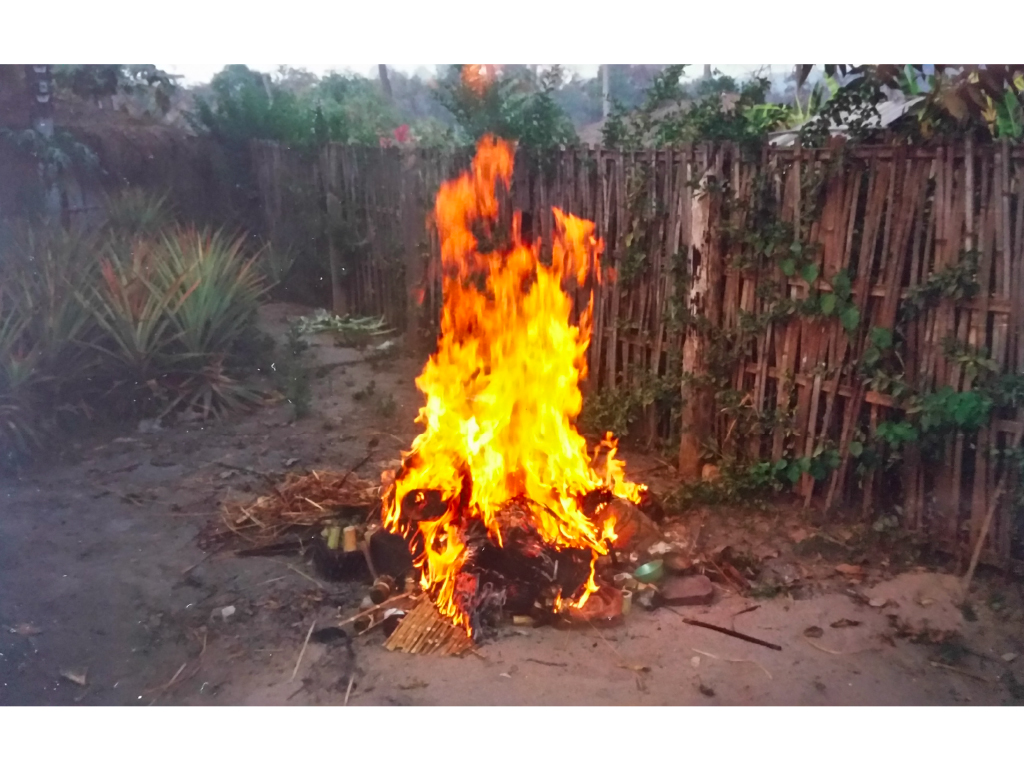
Resurrected: He Has Risen!

Review:


Why Did Jesus Resurrect from the Dead?


  1. It's PROPHETIC . (Mk 16:7b)


  2. It's PERFECTING . (Mk 16:6)


  3. It's PERSONAL . (Mk 16:7a)

Sermon Notes (PDF): BLANK (not available)
Hint: Highlight blanks above with your cursor for answers!
Sermon Audio: MP3 (no recording)

Small Group Questions (Whole Group):
Read Mark 16:1-8

  1. Explain why the angel said, "tell His disciples AND PETER..." Why was Peter mentioned by name? What does this tell you about Jesus?
     
  2. Why was it important that Jesus resurrected? Why wasn't "dying on the cross" the end of His mission?


Breakout Questions:

Did you abide through prayer and Bible reading this week? What specifically are you moved to change or apply this week and how are you going to apply it? Pray for one another.
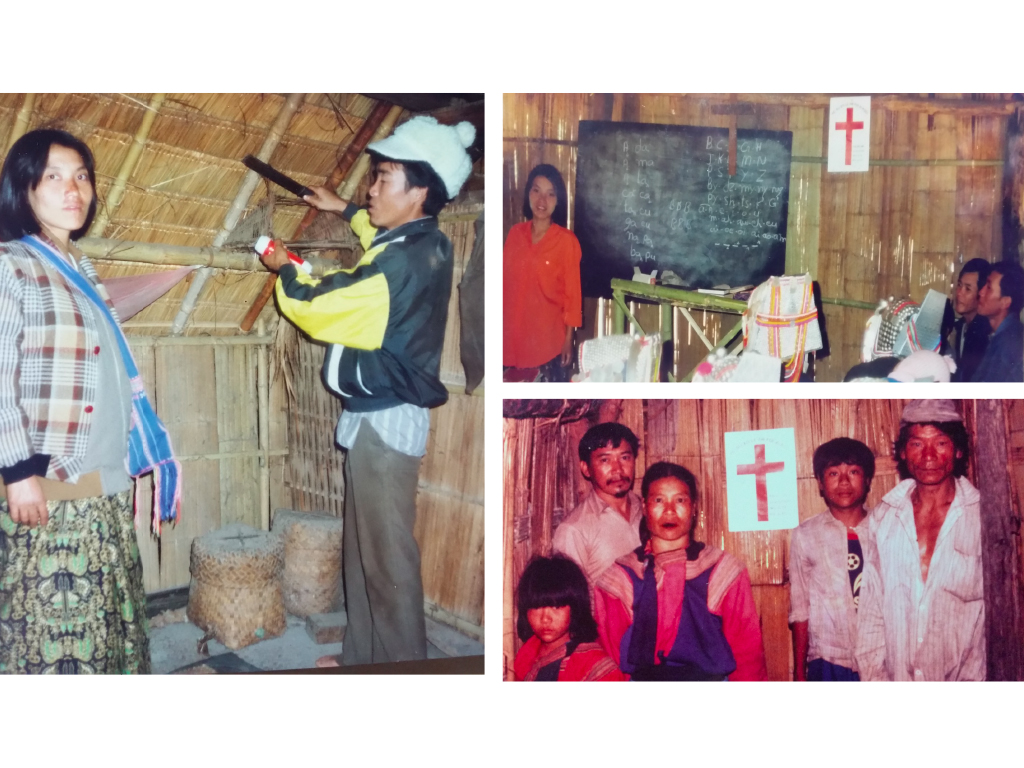
Buried: The Death of Jesus Christ

Review:

God is most ACTIVE when He seems most ABSENT .

  1. He was PUNISHING sin. (Mk 15:33-34)


  2. He was PROVIDING access. (Mk 15:38)


  3. He was CHANGING lives. (Mk 15:39)

Sermon Notes (PDF): BLANK
Hint: Highlight blanks above with your cursor for answers!

  • 00:00-00:06

    Once we go to our text today, I'd like to give you a quick review.

    00:06-00:29

    We saw that Jesus Christ entering Jerusalem for Passover was betrayed by a close friend, sold out to these Jewish religious leaders who hated Him, because Jesus exposed their money-grubbing attitudes towards temple worship.

    00:30-00:35

    Jesus arrested by the Jews, but the Jews didn't have the authority to execute anyone because they were under Roman occupation.

    00:36-00:49

    So they had to take Jesus to Rome and somehow convince the governor, Pontius Pilate, that Jesus was a dangerous criminal that needed to be executed, and that's exactly what happened.

    00:50-00:58

    Jesus Christ was executed in the most undignified form of execution possible, nailed to a cross.

    01:00-01:02

    Last week we talked about the physical pain.

    01:04-01:06

    Last week we talked about the public shame.

    01:08-01:13

    And we talked about the persistent mocking as Jesus hung on the cross.

    01:14-01:48

    As we pick up in our text today, we're going to start in verse 33, but I want you to jump on for one second and look at verse 40. It says, "There are also women looking on from a distance, among whom were Mary Magdalene and Mary the mother of James the younger," that's one of the disciples, "and of Joseph and Siloam." And as we go through the text today, I want us to look at this account of Jesus Christ on the cross. I want us to look at this from the perspective of these women.

    01:49-01:52

    Understand, as these events are going on, what does your Bible say?

    01:53-01:55

    It says there were women looking on from a distance.

    01:56-01:59

    Can we put ourselves in their perspective today?

    02:00-02:09

    Can we stand alongside them today and try to imagine how things looked as they were watching from a distance?

    02:11-02:14

    I imagine the thought crossed their mind several times.

    02:17-02:18

    "God, how could you let this happen?

    02:20-02:28

    Here's Jesus Christ, the perfect God -man, the sinless one.

    02:28-02:38

    Jesus who never did anything wrong and never hurt anyone and now was being publicly executed and mocked and these women are looking on.

    02:38-02:40

    Do you think they thought to themselves?

    02:40-02:41

    God, why don't you do something?

    02:42-02:45

    God, do something!

    02:47-02:50

    God, how can you sit in heaven and watch this happen?

    02:52-02:58

    This is a man who obviously is doing good works in your power and glorifying your name.

    02:58-03:04

    How could you cut this man's ministry so short and let this happen to him?

    03:04-03:05

    God, do something!

    03:06-03:08

    Let's look at the text, verse 33.

    03:08-03:18

    It says, picking up from last week, I want to make a couple of comments as we go through here just so we're all on the same page understanding what's going on in the text.

    03:18-03:21

    It says, "And when the sixth hour had come," what's the sixth hour?

    03:21-03:22

    That was noon, okay?

    03:23-03:23

    That was noon.

    03:23-03:28

    They started counting the hours from 6 a .m., so six hours.

    03:29-03:29

    This is high noon.

    03:30-04:07

    "And when the sixth hour had come, there was darkness over the whole land until the ninth hour. Think about that. It is high noon. Mark tells us that for three hours, starting at that point, darkness. Pitch black, darkness over the land at noon. We'll talk about why in a second. It says at the ninth hour, that's 3 p.m., at the ninth hour, Jesus cried with with a loud voice, "Eloi! Eloi!

    04:09-04:15

    (Speaking in tongues) Which means, "My God!

    04:17-04:23

    My God, why have You forsaken Me?" This was a quote actually from Psalm 22.

    04:23-04:25

    I believe it's the first verse.

    04:26-04:30

    So this is a fulfillment of prophecy, but it's also an honest heart cry.

    04:32-04:33

    Are you standing there with the women?

    04:34-04:36

    Do you hear Jesus crying out?

    04:37-04:42

    "God, why have You forsaken Me?" And like the women, we stand there and say, "God, why don't You do something?

    04:43-04:44

    Why don't You do something?

    04:45-04:48

    Come on, God, He's crying out to You!

    04:49-04:56

    This is the same Jesus who He prayed to You when Lazarus was dead and You raised Lazarus from the dead.

    04:56-05:40

    This is the same Jesus who prayed to You and thanked You for that little boy's lunch multitude. God, you've always answered him when he's prayed to you, and now he's at his lowest point. God, why don't you do something about this?" It says, "And some of the bystanders hearing it said, 'Behold, he is calling Elijah.' And someone ran and filled a sponge with sour wine and put it on a reed and gave it up to him to drink, saying, "Wait, let us see whether Elijah will come to take him down." What's going on with that?

    05:41-05:47

    Well, there was an Old Testament prophecy that Elijah would accompany the Messiah.

    05:48-05:50

    Okay, do you remember Elijah didn't die?

    05:53-05:54

    When he left the earth, how did he leave?

    05:54-05:54

    Anybody remember?

    05:55-05:57

    A chariot of fire, right?

    05:57-06:00

    Elijah was just transported to heaven.

    06:00-06:02

    Limousine service to heaven.

    06:04-06:11

    And there was this Jewish belief that when the Messiah shows up, Elijah was going to come back and stand with the Messiah.

    06:12-06:15

    And what you have here is just more ridicule.

    06:15-06:17

    Like come on, come on.

    06:17-06:18

    When does it end?

    06:20-06:22

    They were mocking him as they were beating him initially.

    06:26-06:30

    They were mocking Him as He was hung on the cross.

    06:32-06:34

    This is the King of the Jews mocking.

    06:35-06:43

    And here, six hours later, hanging on the cross, they're still mocking Him.

    06:44-06:45

    Let's see if Elijah comes for the Messiah.

    06:46-06:46

    Come on, everyone.

    06:47-06:51

    And as Jesus is crying out, they're still making fun of Him.

    06:52-06:53

    Like, you hear Him.

    06:53-06:55

    You hear the King of the Jews.

    06:55-06:56

    He's calling for Elijah.

    06:56-07:01

    Come on, let's give him, hey, how about a drink and we'll see if Elijah shows up and saves you, pal.

    07:02-07:03

    Like, come on.

    07:03-07:05

    When is the mocking end?

    07:05-07:09

    If the women that are watching this hear what's going on, do you think they're wondering?

    07:10-07:12

    God, why don't you do something about this?

    07:14-07:18

    He's crying out to you and they still can't stop making fun of him.

    07:19-07:21

    Why don't you do something about this, God?

    07:24-07:33

    It says, "And Jesus uttered a loud cry and breathed his last." Understand that Jesus was not killed.

    07:35-07:37

    Jesus laid down His life.

    07:37-07:38

    There's a difference.

    07:39-07:40

    It was not out of His control.

    07:41-07:43

    It didn't happen sooner than He wanted.

    07:43-07:45

    It didn't happen later than He wanted.

    07:45-07:47

    What did Jesus say in John chapter 10?

    07:47-07:48

    "I am the Good Shepherd." The Good Shepherd what?

    07:49-07:50

    Lays down His life for the sheep.

    07:51-07:56

    I have the authority to lay my life down, and I have the authority to take it up again.

    07:56-07:59

    This command I received from my Father.
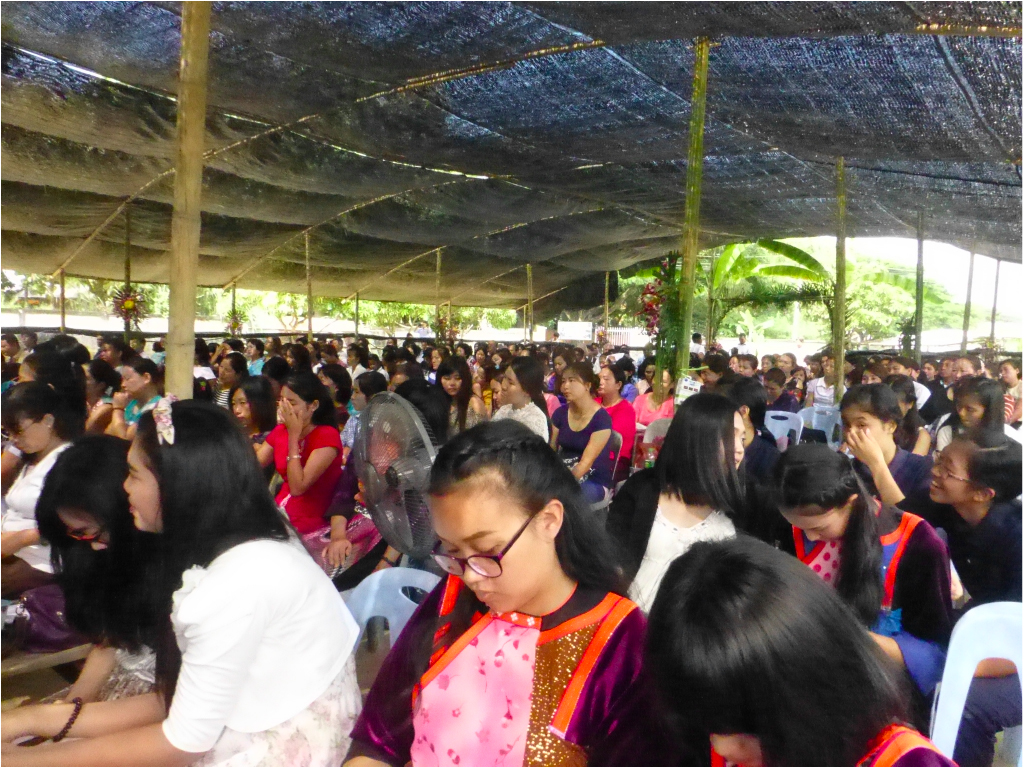
    07:59-08:02

    So Jesus wasn't killed in the sense of, oh, they got Him.

    08:02-08:07

    Jesus, when He breathed His last, that was His choice.

    08:09-08:11

    To die at that moment.

    08:13-09:01

    And as Jesus breathed His last after that loud cry, do you think standing with the women, do you think there was - this. He's still crying out, "God, why don't you do something about this?" It says, "And the curtain of the temple was torn in two from top to bottom. And when the centurion who stood facing him saw that in this way he breathed his at His last, He said, "Truly, this man was the Son of God." There were also women looking on from a distance among whom were Mary Magdalene and Mary the mother of James the Younger and of Joseph and Salome.

    09:02-09:06

    When He was in Galilee, they followed Him and ministered to Him.

    09:06-09:10

    And there were also many other women who came up with Him to Jerusalem.

    09:12-09:14

    When evening had come, This was the day of preparation.

    09:15-09:17

    That is the day before the Sabbath.

    09:19-09:19

    Friday.

    09:21-09:22

    The Sabbath is Saturday.

    09:22-09:26

    It says, "Joseph of Arimathea..." Check this out.

    09:27-09:39

    "A respected member of the council who was also himself looking for the Kingdom of God took courage and went to Pilate and asked for the body of Jesus." I just want to stop here.

    09:40-09:42

    Just be careful when you generalize people.

    09:43-09:48

    Because we have a tendency to overgeneralize people.

    09:48-09:50

    These type of people always act this way.

    09:50-09:52

    And these type of people always act this way.

    09:53-09:55

    And Republicans are always like this.

    09:55-09:57

    And Democrats are always like that.

    09:59-10:00

    I think we need to be careful there.

    10:00-10:03

    Here's a guy who was a member of the Sanhedrin.

    10:03-10:04

    Do you remember the Sanhedrin?

    10:05-10:08

    The people that so viciously wanted Jesus dead?

    10:09-10:09

    Not this guy.

    10:10-10:19

    See, he was a member of that, that obviously wasn't for any of the circus that surrounded the execution of Jesus.

    10:19-10:25

    This was somebody that obviously had quite a different opinion of Jesus.

    10:25-10:27

    So much so, this is gutsy, honestly.

    10:28-10:28

    This is gutsy.

    10:29-10:31

    Here Jesus - dead.

    10:31-10:35

    And this man goes to the governor.

    10:37-10:48

    He says, "Can I have His body?" That is so gutsy, and I'm not going to get into all of the reasons that was such a bold move.

    10:48-10:49

    I think you can see that.

    10:50-10:51

    Bold move.

    10:52-11:02

    "Can I have His body?" Well, v. 44 says, "Pilate was surprised to hear that He should have already died." Oftentimes, people would be on the cross for days.

    11:04-11:15

    Pilate was like, "He's dead already." the centurion, he asked him whether he was already dead. And when he learned from the centurion that he was dead, he granted the corpse to Joseph.

    11:17-12:06

    Ok, the centurion would have known if somebody was dead or not. That was kind of his bread and butter. That was his livelihood. While you're punching in doing what you're doing at work, this is what the centurion did. Execution. The centurion said, "Yeah, he's dead." dead. And Joseph bought a linen shroud and taking him down, wrapped him in the linen shroud and laid him in a tomb that had been cut out of the rock. And he rolled a stone against the entrance of the tomb. Mary Magdalene and Mary the mother of Jesus saw where he was laid. Here Jesus breathed his last. God why don't you do something? Wait a minute, maybe Jesus is going to come back to life or something like Lazarus did, right on the cross and then the body is taken down.

    12:07-12:09

    Whoa, whoa, whoa, whoa, whoa, God, why don't you do something?

    12:11-12:13

    And then Joseph takes Jesus and lays him in a tomb.

    12:13-12:17

    Whoa, whoa, God, God, God, God, this doesn't make any sense.

    12:18-12:19

    Why don't you do something about this?

    12:19-12:27

    And in the tomb, stone rolled, game over.

    12:28-12:30

    I can't believe God just let that happen.

    12:31-12:38

    I can't believe God witnessed this and did not do anything about it.

    12:40-12:42

    Suffering always brings those kinds of questions.

    12:43-12:43

    How could God allow?

    12:44-12:48

    Why wasn't God preventing this from happening?

    12:48-12:49

    Why is this happening to me?

    12:49-12:51

    God, why is that happening to her?

    12:51-12:52

    And God, how long?

    12:54-12:56

    And how long are you gonna let this happen?

    12:56-13:09

    But the bottom line in any of these questions is the assumption that when suffering comes along, we have a tendency immediately to assume that that means that God isn't doing anything.

    13:10-13:24

    That's the assumption that our brains jump to when we suffer, whether it's cancer, or job loss, or relationship destroyed.

    13:25-13:29

    God, you're not doing anything about this?

    13:32-13:33

    Here's the truth.

    13:35-13:37

    During times of suffering, God is often doing the most.

    13:40-13:44

    God is often doing the most when He doesn't appear to be doing anything.

    13:45-13:49

    And this was a point in history where where God seemed the most absent.

    13:50-13:56

    I want to share with you church, at this point in history, God was actually doing the greatest work He would ever do in human history.

    13:56-13:58

    I want you to write this down on your outline today.

    13:58-14:00

    This is the thing that you have to leave with.

    14:00-14:04

    If you don't hear anything else, if you don't leave with anything else, you have to leave with this statement.

    14:05-14:08

    God is most active when He seems most absent.

    14:10-14:11

    God, why don't you do something about it?

    14:13-14:17

    God is most active when He seems most absent.

    14:18-14:21

    God is most active when He seems the most absent.

    14:23-14:24

    Like man, can you prove that?

    14:24-14:25

    Yes I can.

    14:25-14:26

    Jot these three things down.

    14:26-14:29

    Number one, what was God doing?

    14:29-14:33

    What was God doing while these women were watching and it looked like God wasn't doing anything?

    14:34-14:35

    And how do we know it looked like God wasn't doing anything?

    14:36-14:40

    How about because the Son of God said, "Why have you forsaken Me?" That was a pretty good clue.

    14:40-14:41

    God's not doing anything?

    14:43-14:47

    Actually, number one, He was punishing sin.

    14:49-14:50

    He was punishing sin.

    14:51-14:53

    I mentioned that there was darkness at noon.

    14:54-14:55

    And you study your Old Testament.

    14:55-14:58

    When the Lord shows up, how does He show up?

    14:58-15:01

    Well, many times in the Old Testament, the Lord shows up as light.

    15:01-15:02

    He shows up as light.

    15:02-15:04

    His Shekinah glory.

    15:04-15:05

    God is light.

    15:06-15:07

    But study your Old Testament.

    15:07-15:10

    many times the Lord shows up as darkness.

    15:12-15:18

    And when the Lord shows up as darkness, that always symbolizes the same thing, and that's judgment.

    15:21-15:24

    When the Lord shows up as darkness, it's righteous fury.

    15:25-15:27

    Remember we talked about Jesus praying in the garden.

    15:29-15:32

    What did Jesus ask would pass from him?

    15:33-15:38

    "Father, let this cup pass from me." And what was the cup?

    15:39-15:40

    The cup was God's judgment.

    15:41-15:42

    The cup was God's wrath.

    15:42-15:46

    This is the thing that Jesus was asking would pass from Him.

    15:46-15:51

    It wasn't just being nailed to two pieces of wood.

    15:53-15:59

    What Jesus was praying would pass was God's judgment on sin on Him.

    16:02-16:08

    I understand church, when Jesus was on the cross, He was experiencing God's wrath.

    16:08-16:10

    That's what this darkness is about.

    16:10-16:12

    He was experiencing God's wrath.

    16:12-16:23

    2 Corinthians 5:21 says that God took Jesus, who knew no sin, to become sin, so that we might become the righteousness of God.

    16:23-16:29

    Understand that when Jesus was on the cross, listen, He was literally sin.

    16:31-16:33

    I thought Jesus was sinless.

    16:34-16:38

    That was what qualified Him to become sin.

    16:38-16:48

    You're like, "Well, what do you mean?" Because if Jesus sinned and He was crucified, we'd be sitting here today going, "Well, Jesus was a sinner like the rest of us.

    16:48-16:57

    I guess we all got it coming to us." But here's the thing, because Jesus was sinless, He was uniquely qualified to take our sin on Himself.

    16:57-17:00

    So when He was being punished, He wasn't being punished for something that He did.

    17:00-17:03

    He was being punished for what I did.

    17:05-17:07

    He was being punished for what you did.

    17:07-17:09

    He was being punished for what you did.

    17:09-17:14

    He was being punished for the sin of the world.

    17:16-17:20

    God took Jesus who knew no sin, who never sinned, to become sin.

    17:20-17:28

    When Jesus was on the cross, God the Father saw Jesus as if Jesus is literally sin.

    17:30-17:36

    As Jesus became sin for us on the cross, God was pouring out His wrath on sin.

    17:36-17:37

    Sin must be punished.

    17:38-17:38

    Sin must be punished.

    17:39-17:41

    God's not going to overlook sin.

    17:42-17:46

    His holiness and justice demands that sin is punished.

    17:48-17:50

    So Jesus took our sin upon Himself.

    17:51-17:55

    The rest of 2 Corinthians 5.21 says that we might become the righteousness of God.

    17:56-17:58

    He takes our sin and He gives us His righteousness.

    17:59-18:00

    That's what happened on the cross.

    18:01-18:03

    Jesus said I'll take the punishment for your sin.

    18:04-18:14

    All of those wicked, sinful, rebellious, perverted, evil things that you've done, said, thought - I'll take the guilt of that.

    18:15-18:17

    I'll let God punish me for that.

    18:19-18:29

    And many people, many believers, many followers of Christ still carry shame and guilt and regret with them wondering if they're truly forgiven.

    18:32-18:34

    Many Christians think that God is punishing them.

    18:37-18:42

    Now, and someday when they stand before God, God's going to punish them then too.

    18:44-18:47

    That is a lie.

    18:50-18:57

    God is not going to punish His Son for your sin and then turn around and punish you for it.

    18:58-18:59

    Understand that.

    19:00-19:04

    So when you get in this mindset that, I think God's punishing me, I want you to see Jesus on the cross.

    19:05-19:05

    Like, oh really?

    19:08-19:09

    That wasn't enough.

    19:12-19:15

    God poured out his vengeance on his son, but that wasn't enough.

    19:15-19:19

    Now God's going to turn around and he's got some for you too?

    19:19-19:20

    Now that's unbiblical.

    19:22-19:25

    When Jesus took your sin on Himself, He took all of it.

    19:26-19:27

    You're like, "Well, what if I sin tomorrow?

    19:28-19:32

    "Is that paid for?" Yeah, all of your sins were in the future when Jesus died on the cross, right?

    19:34-19:43

    So understand this, when you say, or you feel, "I don't know if God can forgive me," what you're doing is undermining what Jesus went through.

    19:44-19:47

    If you're saying, "Well, you don't understand, Pastor Jeff.

    19:47-19:53

    "I've done some bad things in my life." So here's the thing, which is greater?

    19:54-19:55

    God's grace or your sin?

    19:56-19:56

    Which is greater?

    19:57-20:09

    Are you going to stand there and tell me that you've committed some sin that was so evil that the death of the perfect Son of God wasn't enough to cover the thing that you did?

    20:10-20:11

    Wow, I want to hear that story.

    20:13-20:14

    Obviously not, right?

    20:14-20:17

    Are you saying that what happened on the cross wasn't enough?

    20:18-20:23

    "Jesus, that was a decent effort, but I need more than what you paid for.

    20:24-20:35

    The check that you wrote, Jesus, wasn't enough to cover me." I'm telling you this in love, that borderline's, I wouldn't even say borderline, that's blasphemous.

    20:36-20:41

    That's just, it's blasphemous to think that you've committed some sin that can't be forgiven.

    20:42-20:47

    The only sin that can't be forgiven is to reject the cure for your sin.

    20:49-20:50

    Does that have anything to do with Jesus?

    20:50-20:52

    Well, that puts you in a different category.

    20:53-20:54

    I don't care what you've done.

    20:56-20:57

    Is your sin greater?

    20:58-21:00

    Or is God's grace greater?

    21:01-21:10

    So while we stand beside these women saying, "God, do something," God's answering, "I am doing something." I'm punishing sin.

    21:10-21:11

    That's what He was doing.

    21:11-21:14

    God, you seem so absent at this moment.

    21:14-21:14

    God wasn't absent.

    21:15-21:16

    He was right there.

    21:17-21:19

    He was the darkness.

    21:19-21:21

    He says, "I'm doing plenty.

    21:21-21:22

    Do you know what I'm doing right now?

    21:22-21:25

    I'm punishing the sin of the world on my son.

    21:27-21:36

    I'm taking all of your sin and punishing Jesus Christ for it." God is most active when he seems most absent.

    21:37-21:38

    In this case, what was God doing?

    21:38-21:39

    He was punishing sin.

    21:40-21:43

    Secondly, write this down, he was providing access.

    21:44-21:45

    He was providing access.

    21:46-21:51

    Verse 38, it kind of looks like a throwaway verse, doesn't it?

    21:52-21:56

    Bible says when Jesus died, all these wild things happened.

    21:56-21:58

    Like there was darkness and there was an earthquake.

    21:58-22:03

    And the other gospels tell us, there were people in graves that resurrected and were walking around.

    22:03-22:05

    And there was all this stuff happening.

    22:05-22:06

    It's like, oh yeah.

    22:06-22:08

    And the curtain came down.

    22:08-22:09

    Like, why is that even in there?

    22:11-22:14

    But the truth is, that's the most significant thing of all that happened.

    22:15-22:35

    What do you mean? Well, in the temple, in God's temple, there was the holy place, and there was the holy of holies. And if you read your Bible in Leviticus chapter 16, in the holy of holies, one day a year, the high priest, the day of atonement, he would go into the holy of holies and offer a sacrifice for the entire nation of Israel.

    22:36-22:47

    That was one man the high priest could go in one time a year to offer that sacrifice on behalf of the entire nation.

    22:48-23:17

    And history tells us that they would actually tie a rope to that high priest's leg because there was this fear that as he stood before the awesomeness of God, he would drop over dead volunteers to go in after him? Anyone? Who wants to go in the Holy of Holies in the presence of the Almighty and drag the priest out? It was like, "Yeah, no, pass.

    23:17-23:26

    Thanks." So they would have this rope and that was their belief, like, if he dies in there, we're just gonna yank him out. True.

    23:27-23:38

    One day a year, behind this curtain and the Bible says that when Jesus died, that curtain came down from top to bottom.

    23:39-24:03

    That's so significant. It was torn from top to bottom. If a man was going to tear it, a man can only tear a curtain from bottom to top, right? You know, if you're going to tear one of these curtains, you can only start at the bottom. When God tore the curtain, He was tearing it from the top down. This was an act of God. That while Jesus Christ being crucified, God took that curtain and ripped it open.

    24:03-24:05

    And here's the significance of that.

    24:05-24:06

    Think about this.

    24:06-24:15

    As the Father was offering the Lamb of God, as He was taking away the sin of the world, He was providing full access to Himself.

    24:17-24:20

    And now, church, you don't need a sacrifice.

    24:23-24:27

    Like bring a goat to church or bring a sheep to church and we're going to kill it.

    24:28-24:36

    You don't need an animal sacrifice, but listen, you don't need a priest to go before the presence of God on your behalf.

    24:37-24:38

    You don't need that.

    24:39-24:41

    And I know that there are some religions that teach that you still do.

    24:42-24:45

    I need you, priest, to go to the Father on my behalf.

    24:45-24:46

    Would you go to God on my behalf?

    24:49-24:50

    Unnecessary.

    24:51-24:51

    Why?

    24:52-25:05

    Because this curtain being torn from top to bottom Because you have the exact same access to God that the Apostle Paul did, that Billy Graham does, that insert name of your favorite preacher.
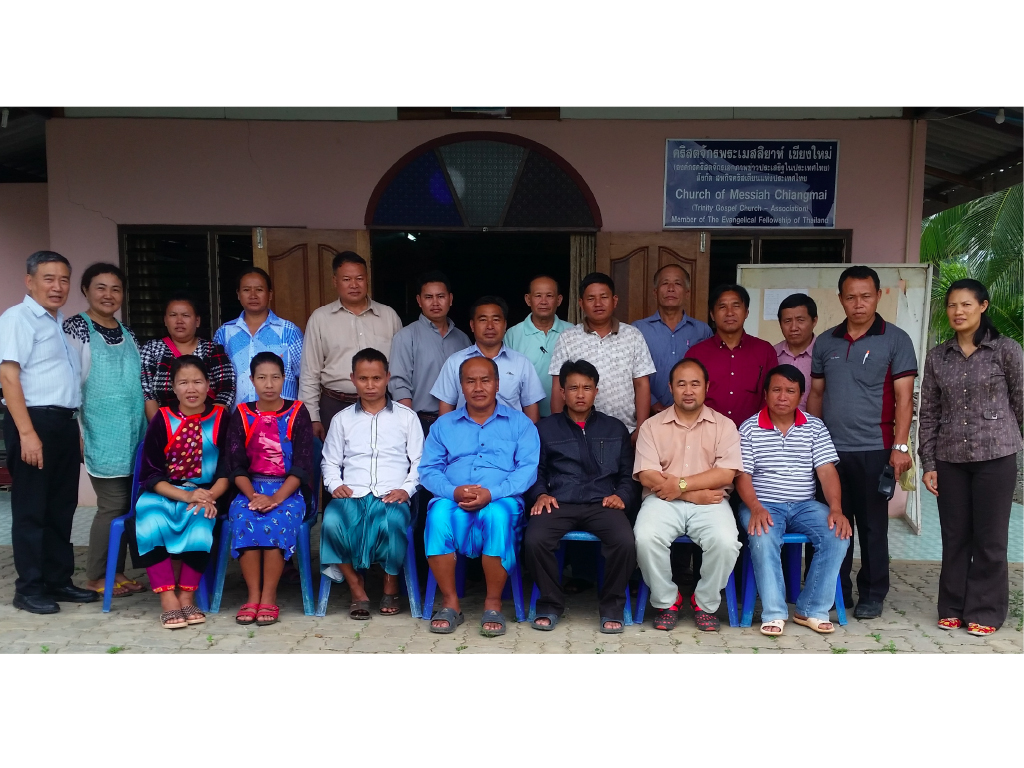
    25:05-25:13

    You have the same access to God that anyone does.

    25:14-25:15

    That was why that curtain came down.

    25:16-25:19

    God says sin isn't blocking the relationship anymore.

    25:20-25:21

    There's no more guilt.

    25:21-25:22

    There's no shame.

    25:23-25:24

    There's nothing dividing us.

    25:24-25:26

    Because Jesus took your sin away.

    25:26-25:27

    The way is open.

    25:27-25:29

    God was opening the curtain.

    25:29-25:34

    He was opening the door for us to say, "Access." Isn't that awesome?

    25:35-25:44

    Anytime in your car, at the workplace, in your house, wherever you find yourself, you can go before the throne of God.

    25:45-25:46

    Anytime of day.

    25:48-25:50

    Early in the morning, late at night, lunch break at work.

    25:51-25:55

    The curtain is down and it's not being put back up.

    25:56-25:58

    You have full access to God.

    25:59-26:04

    So while we stand with the women and say, "God, do something," God was saying, "I am doing something.

    26:05-26:11

    I'm providing access to myself." And we're seeing that God is most active when He seems the most absent.

    26:12-26:12

    Where are you, God?

    26:14-26:14

    Hard at work.

    26:15-26:15

    That's where I am.

    26:16-26:19

    Taking care of your sin, providing access.

    26:19-26:21

    is most active when he seems most absent.

    26:22-26:25

    And finally, he was changing lives.

    26:27-26:28

    Did you see that?

    26:28-26:35

    In verse 39, the centurion who stood facing him saw that in this way he breathed his last.

    26:35-26:54

    He said, "Truly this man was the Son of God." And you can read Bible scholars so much more intelligent, experienced, and learned than me that will tell you that this verse is like the mountaintop of the Gospel of Mark.

    26:55-27:28

    Because let's be honest, how many people through the Gospel of Mark said that Jesus was the Son of God? Actually, I think maybe the only testimony of that was when the demons called Him that. But in all the people that Jesus fed and healed and ministered to and taught, they didn't say, "Surely you are the Son of God." Finally, we get to this This point in the Gospel of Mark when Jesus laid down His life, and here's a centurion, here's this hardened government killer looking at the way Jesus died and recognized.

    27:29-27:34

    He recognized what looked like an end was really a beginning.

    27:36-27:38

    The centurion actually became the first New Covenant believer.
    27:38-27:39

    Did you know that?

    27:40-27:45

    the first post-cross follower of Jesus Christ was this guy right here.

    27:46-27:55

    And so it goes 2 ,000 years later that the crucifixion of Jesus Christ is still changing lives.

    27:56-28:05

    2,000 years later, there are people that see Jesus on the cross and see the work that He accomplished and say surely, He is the Son of God.

    28:05-28:10

    And like the centurion, say, There's a change that takes place in me.

    28:12-28:13

    Do we have testimony of that?

    28:14-28:21

    We have people sitting in this room that are a testimony of the way that the cross of Jesus Christ is still changing lives today.

    28:22-28:38

    Why in the world would anybody get in front of hundreds of people and get into a giant bathtub on a stage and let me grab them and stuff them underwater?

    28:38-28:40

    Why in the world would anybody do that?

    28:41-28:42

    Get the camera.

    28:42-28:43

    This is going to be interesting.

    28:44-28:45

    Why would anybody do that?

    28:47-28:52

    Because they're identifying with the death of Jesus Christ.

    28:53-28:57

    These are people that are saying the crucifixion of Jesus has changed me.

    28:59-29:03

    I am not the same person because of what Jesus Christ has done.

    29:05-29:08

    If you understand Jesus on the cross, this wasn't some random tragedy.

    29:09-29:14

    This would be something that would change history because it changes people.

    29:16-29:20

    God is most active when He seems the most absent.

    29:20-29:31

    If I can get really personal, the way it changes people, our last prayer meeting, our prayer service rather, a couple Saturdays ago, I needed prayer.
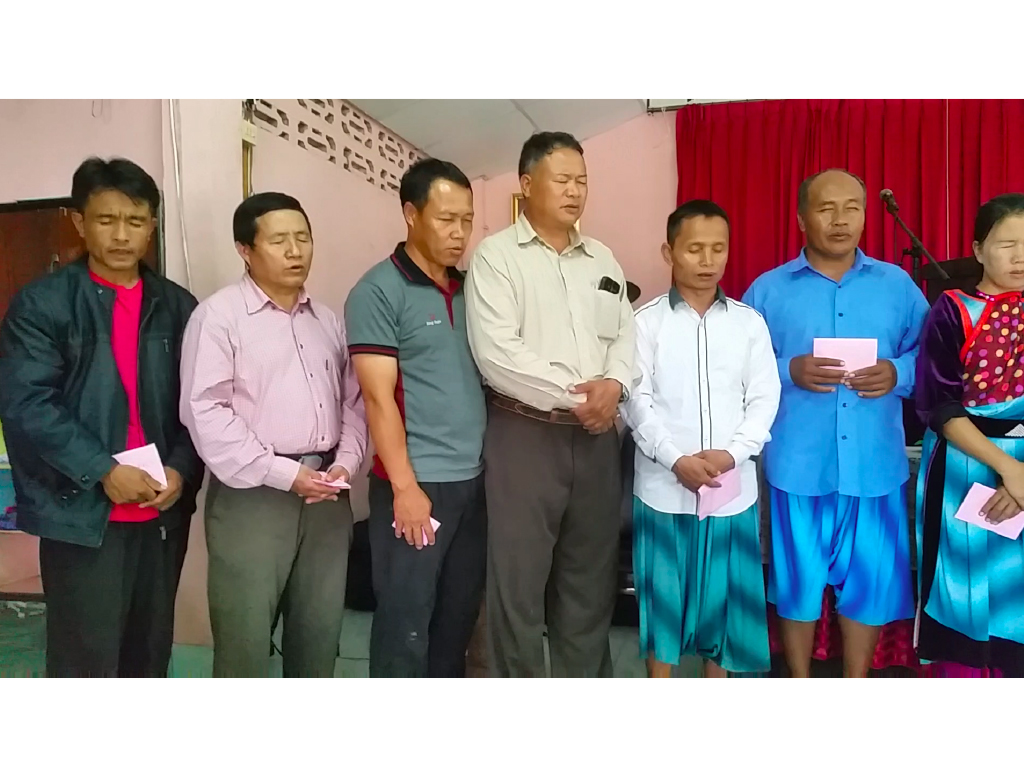
    29:31-29:35

    My brother Mark came down and was praying with me.
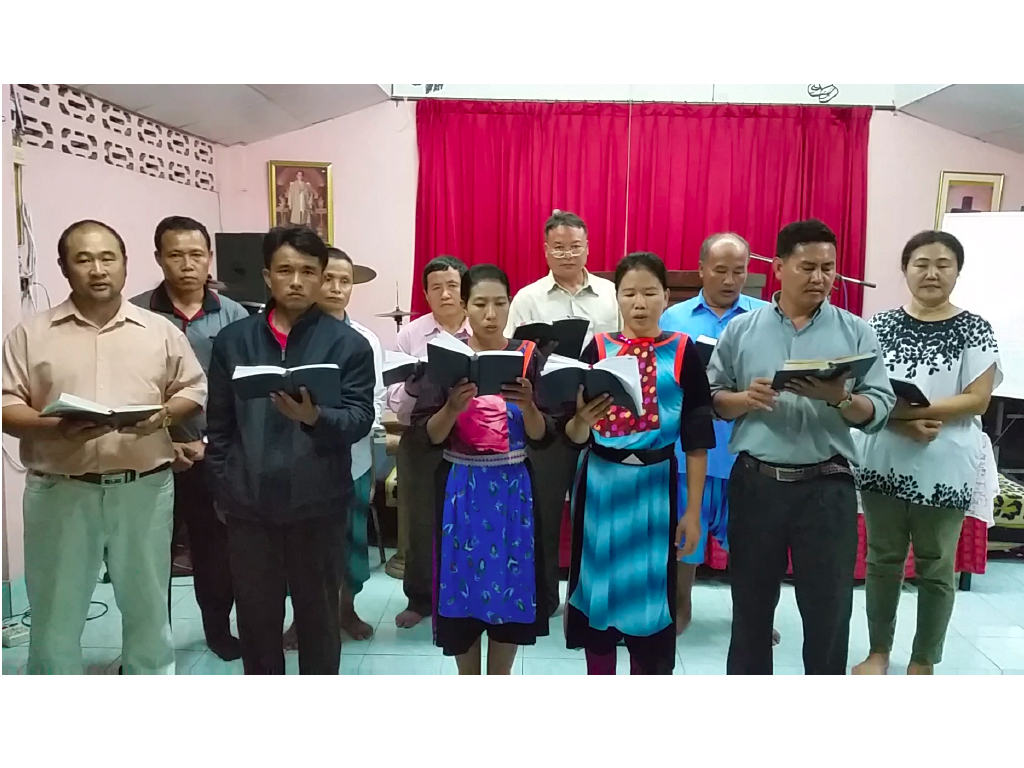
    29:36-29:42

    I was really burdened because that particular week we had an exceptionally hard week with the kids.

    29:42-29:49

    And as many of you know we have two autistic children and my older son, it was a really rough week.

    29:50-30:05

    And as Mark came down to pray I was really stirred up and I said, I just don't, I said I said to Mark, "I don't understand, because I really feel like my ministry would be so much more effective if my children were healthier.

    30:06-30:19

    I think I could have such a much better impact if my children were healthy." And I said to Mark, I've really wrestled with why doesn't God do something?

    30:21-30:41

    And Mark, if you know Mark, in his shepherd way, put his arm around me and he said, "God is doing something. He's doing something in you." And you see the times in my life that I felt that God has been absent.

    30:42-30:42

    Like, "Where are you God?

    30:43-31:00

    Don't you see? Don't you see?" I'm reminded again, You're one of the shepherds of this church that God is most active when He seems the most absent.

    31:01-31:05

    So often when we get into these trials, we're looking for the outward to change.

    31:05-31:07

    I need the car.

    31:07-31:08

    I need the money.

    31:09-31:10

    I need these other things.

    31:11-31:12

    I need the cancer to go away.

    31:12-31:13

    I need all these things.

    31:14-31:19

    We're looking for the outward, but so often what God is doing is something on the inside.

    31:19-31:36

    and say, "I'm changing you. I'm not so concerned about your circumstances right now, I'm changing you, and I'm using these circumstances to change you." Church suffering doesn't mean that God is absent, it means that God is doing something big.

    31:38-31:51

    The cross of Jesus Christ is a reminder that if God can take the worst thing that ever happened and turn it into the best thing that ever happened, he can take this little trial that I'm going through and bring good out of that.

    31:53-31:59

    Think about that. The worst thing that ever happened in history was what? God visited us.

    32:00-32:07

    God came down, He showed up, He walked around. And we killed Him. We spit on Him.

    32:08-32:10

    We made fun of them.

    32:11-32:13

    That's the worst thing that's ever happened in history.

    32:14-32:28

    God took that and He turned it into the best thing that's ever happened in history because now, because of what happened with Jesus Christ, now our sin has been taken away.

    32:28-32:32

    Access to God has been provided and lives are being transformed.

    32:34-32:47

    So if God can take the worst thing and turn it into the best thing, you can have assurance that whatever thing you are going through now, God is going to use that to manifest His presence in you.

    32:48-32:53

    To glorify His name through you and ultimately bless you.

    32:54-32:55

    Will you bow your heads and pray with me please?

    32:56-33:02

    Father in Heaven, we thank You for everything that You accomplished on the cross.

    33:03-33:14

    Jesus Christ Himself at this moment didn't even call You "Father." He called You "God." The only time that happened, He called You "God." He felt distant from You.

    33:14-33:27

    He felt like You had abandoned Him when the truth is the thing that You were doing in Jesus right at that moment was the thing that would therefore Exalt Him to the name above all names.

    33:29-33:31

    As Philippians tells us.

    33:32-33:36

    So God, I pray that we would understand what You accomplished at the cross.

    33:38-33:43

    That we would truly understand what You've done with our sin and the way that You've provided access.

    33:43-33:50

    I pray that You would help us to never sell short what Jesus accomplished.

    33:53-34:11

    At the same time, Father, I also pray that as we're going through trials today, we would look at what happened here, and we would look at so many other testimonies in Scripture where it seems like you're not doing anything, when we find out later that you were doing so much.

    34:13-34:14

    Glorify your name, Father.

    34:16-34:18

    We pray in Jesus' name, Amen.

Small Group Questions (Whole Group):
Read Mark 15:33-47

  1. Tell of a time that God seemed silent during a trial, but later on you saw how He was working during His 'silence'.
     

  2. Why did Jesus feel forsaken (Mk 15:34)? What does that mean concerning you and your sin?
     

  3. Explain the significance of the curtain being torn (Mk 15:38). What does this say about your access to God? Can anything change that? 


Breakout Questions:

Has your testimony this week been faithful to the love you have for Jesus Christ in both your words and actions? How? Pray for one another.