
Introduction:
ELECTION: We are CHOSEN. (Eph 1:4)
ADOPTION: We are FAMILY. (Eph 1:5-6)
REDEMPTION: We are BOUGHT. (Eph 1:7-8)
FORGIVENESS: We are DEBT-FREE. (Eph 1:7-8)
INHERITANCE: We are BENEFICIARIES. (Eph 1:11-12)
SEALED: We are SECURE. (Eph 1:13-14)
God's primary purpose in lavishing spiritual blessings on you is for THE PRAISE OF HIS GLORY
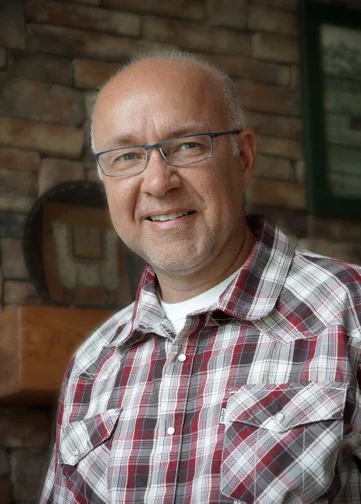
Mark Ort - HBCPN Elder
Sermon Notes (PDF): BLANK
int: Highlight blanks above with your cursor for answers!
-
00:00-00:05
On the extreme western side of Turkey, there are some cities that Paul visited when he was on his missionary trips.
00:05-00:08
And so that's where we're going to be today in the scriptures.
00:08-00:10
We're going to be looking at the book of Ephesians.
00:11-00:13
I'm going to pray for a second here.
00:15-00:25
Heavenly Father, I just want to pray this morning that you would receive honor for the teaching of your word today.
00:28-00:28
Amen.
00:29-00:29
Amen.
00:29-00:29
Amen.
00:29-00:29
Amen.
00:31-00:36
So this city has some Christians in it.
00:37-00:50
If you want to imagine a society, a culture, that maybe there's some idolatry taking place, really bad idolatry.
00:50-01:05
Not that there's good idolatry, but I'm talking like statues and things of that nature, false They're worshipping statues in temples.
01:06-01:13
And imagine a hustle bustle society, people stepping over one another for financial gain.
01:14-01:17
Sounds a little bit like our culture.
01:19-01:19
Moral decay.
01:19-01:32
Okay, imagine living in a culture of moral decay where anything goes, any kind of sexual activity, the sexual revolution.
01:34-01:37
It sounds a lot like our culture, but this was Ephesus.
01:38-01:42
This was a center of financial activity.
01:45-01:55
There were brothels and different kinds of activity going on in the city that was morally decorative.
01:58-01:59
Ephesus was a thriving metropolis.
02:00-02:01
It was a trade route.
02:02-02:08
You can imagine, this was a place that made a merchant's dream come true.
02:09-02:12
This was a crossroads and people were traveling through Ephesus.
02:13-02:15
And Ephesus had a dark side.
02:16-02:25
Like I said, there were side streets that had brothels and places where unimaginable things would take place.
02:26-02:27
It was a breeding ground.
02:29-02:34
Paul even mentions it in Ephesians four for sexual impurity of every kind.
02:35-02:37
I don't even want to go there and think about that.
02:38-02:45
We can kind of relate to that when we look on the internet and you see things, things that are readily available at the click of a mouse.
02:49-02:51
It was also a breeding ground for idolatrous worship.
02:53-02:59
If you went to Ephesus today, or where Ephesus was, you could still see the remains of what was there.
02:59-03:37
If you imagine getting off the port, Ephesus was right along the seashore, get off the port and you're walking there's a main street there you can still see that you can look it up on the internet you can visit if you were to look off to the left-hand side there were gymnasiums multiple gymnasiums and it wasn't just for sports and physical activity they used it for a learning center they had teaching activities there and educational opportunities and And so we have that on the left.
03:38-03:43
There were open-air markets along this main drag.
03:43-04:14
I kind of imagined it being like the strip district in Pittsburgh, this shopping area, where you're walking down and there were vendors on either side of the street, and they would sell things like flowers and perfumes and cakes and breads and clothing, just different kinds of clothing and cloth and just gadgets, but not like these kind of gadgets, but little things for kids and just open air market.
04:15-04:18
And lots of activity, lots of activity.
04:18-04:19
People just hustle and bustle.
04:21-04:25
And over on the right, on the right of the street, there was a library.
04:26-04:40
They had their books and a place where they would gather philosophers would get together. Across the street from that there were, on the other side, where the gymnasiums were, there were open baths.
04:41-05:08
Public baths. Maybe it was like a swimming pool, but the stuff that I read talked about how there were certain times of day when only the men could go there. I don't even want to imagine what was going on. But they had their issues reminds me of a lot of the sexual debauchery that our countries had in.
05:10-05:15
If you were to go about a mile outside the city, you would see this great big temple.
05:15-05:19
They built a temple to the goddess Artemis or Diana.
05:20-05:23
In Greek mythology, you can study about Artemis.
05:23-05:35
And Artemis, this was the main worship in Ephesus among the pagans.
05:35-05:40
The goddess Diana was served by prophetesses who were really temple prostitutes.
05:41-05:46
So their religious activity included prostitution.
05:48-05:50
And the temple was also a large financial institution.
05:50-05:52
was actually considered like the Bank of Asia.
05:54-06:00
So with all the money and all the prostitution and all the things going on, I imagine there was some corruption there, wouldn't you say?
06:04-06:07
Back at the end of the main drag, there was this big theater.
06:07-06:09
This place amazes me.
06:09-06:10
I saw a couple videos on this.
06:11-06:15
And there was this open-air theater that was 25,000 capacity.
06:16-06:18
That's like 2/3 the size of PNC Park.
06:19-06:26
A lot of activities in there, there'd be plays and theatrical presentations and things like that.
06:26-06:29
It was a centerpiece of the city.
06:30-06:35
And you can see this stuff if you took a tour.
06:36-06:47
Archaeologists have found homes up on a mountainside where there's fish carved in a cement block of a stone in front of their house.
06:48-06:51
We see the fish on the back of our cars.
06:51-06:56
We put the fish on the back of our cars to let people know that we're believers.
06:56-07:01
Back then, they would carve fish on their doorpost or in the stone.
07:02-07:09
It was a symbol, kind of a secret symbol, to let other people know that, "Hey, I'm a Christian.
07:09-07:33
I run a Christian business out of my house," or however it means that they want to let people know they would harvest this fish in their stone on their porch and people walking by would be, "Oh, okay, yeah, there's some Christians that live here." So there were Christians that lived in Ephesus amid all the idolatry and all the pagan practices and all the immorality.
07:34-07:36
There were Christians that lived in Ephesus.
07:40-07:50
Paul, the Apostle Paul, he was pretty familiar with these activities that happened in the temple and in that big theater that I mentioned.
07:50-07:59
He had at least one run-in with some people, a lot of people, when he was in Ephesus himself when he was trying to establish the church over there.
08:00-08:10
So if you backtrack, if you go in reverse about eight to ten years, we can learn about these kinds of things and it's in the Book of Acts.
08:11-08:20
Paul took missionary journeys and on one of his missionary journeys, he ended up, he landed in Ephesus and he stayed there for several years.
08:20-08:26
But that was 8 to 10, 12 years earlier than when he wrote this letter to these people.
08:31-08:36
In Paul's usual way, he was pretty bold about sharing Christ in Ephesus.
08:39-08:45
He would preach in the synagogue, and you can read about all of this in the book of Acts, in Acts 19 and 20.
08:46-09:20
He was performing extraordinary miracles by God's power of course people were getting saved The Word of God was growing mightily and prevailing it says Pretty pretty cool stuff for a missionary Then there's this guy named Demetrius We need to go through a little bit of this background Before we get into our Encouraging passage here in Ephesians because it's important to understand to kind of get a backdrop of what was going on before we hear how Paul wants to encourage them.
09:22-09:31
So this guy Demetrius, he was a silversmith, and he built little statues out of silver and was selling them for a profit.
09:31-09:34
And not only was he doing it, but he had a bunch of workers for him.
09:34-09:36
He had a business going on.
09:36-09:43
So he's building these little statues of Artemis, or Diana, and selling them.
09:44-09:57
So people are getting saved, and the Word of God is prevailing, and he gets a little nervous, and he calls his people together, and he says, "You know what?
09:58-10:09
This guy Paul's running around, and people are getting saved, and so people aren't going to want our statues anymore, so we're going to kind of lose some money here.
10:10-10:12
We're not going to be profiting anymore.
10:13-10:15
We got to do something about this.
10:18-10:20
Paul's going to put them out of business because of his witness.
10:22-10:27
So shortly after that, this riot ensued and people filled that theater from the town.
10:27-10:28
25,000 people.
10:29-10:29
Imagine.
10:30-10:31
They start this riot.
10:32-10:36
And the Bible even says some of them didn't even know what they were rioting about.
10:38-10:42
That's not really, does that sound like a lot like our country is right now?
10:42-10:46
We go out and flip out and ask questions later.
10:47-10:54
We have no idea what we're fighting about or arguing about or putting Facebook comments about.
10:55-10:56
That was these people.
10:56-11:09
They rush into the auditorium or into the theater and they're chanting this, "Great is Artemis of the Ephesians, "great is Artemis of the Ephesians." For two hours they did that.
11:10-11:17
And they drag Aristarchus and Gaius, who were Paul's traveling companions, they drag them into the theater.
11:17-11:35
And Paul hears about it and he says, "Wait a minute, I wanna go there." Now I'm thinking, he's probably thinking about like, "I have a captive audience in there, and I'm gonna go in there and share the word of God." I'm sure that's what Paul was thinking, because that's what Paul thought all the time.
11:36-11:45
He was sharing the gospel with prisoners, with prison guards, 25,000 people chanting, great is Artemis to the Ephesians, that's not gonna scare Paul.
11:47-11:52
So he wants to go in there, and some of the believers say, you know what?
11:53-11:54
Probably not a good idea.
11:55-12:02
And they, I don't know if they restrained him, I'm not sure how, but they kept him from going in the theater, and the people dispersed.
12:02-12:09
Eventually they dispersed, and shortly after that, it's time for Paul to sail out of Ephesus.
12:10-12:18
He leaves, he goes away across his bay to a place called Miletus.
12:19-12:22
It's about 40 miles away, 38 to 40 miles away by ship.
12:23-12:27
If you go on land, I think it's about 68 miles of a loop from where I saw.
12:29-12:35
So he's in Miletus, and he calls the elders of the church of Ephesus.
12:35-12:38
He says, "Hey, I need you guys to come here.
12:40-12:42
I'm going to give you a farewell charge because I'm leaving.
12:42-13:18
I'm going to continue on my missionary journey somewhere else." So you get into Acts 20, and Paul knew, just based on his time there, because he was there a few years, he knew that based on what he had seen there, that this group of Christians, going to face some serious threats to their faith in light of the corruption, the immorality, the idolatry. So in Acts 20, Paul calls these elders to him and addresses them.
13:19-13:24
He's going to give them an address of much-needed encouragement.
13:32-13:40
So just to sum up what he says in Acts 20, he says just a couple of things here.
13:40-13:42
He wants them to be on their guard.
13:44-13:49
Be on their guard because he knew that savage wolves were going to come and try to destroy them.
13:50-14:12
Savage wolves could be people with bad teaching, people that want to destroy them somehow by making fun of them, persecution. There are going to be savage wolves that are going to come in to destroy them. And then the second thing, and I'm going to read this because this is great.
14:16-14:30
He commends to them God and his word. He says in verse 20, and he's defending his, He's talking about his time in Ephesus.
14:30-14:49
He says, "I did not shrink from declaring to you anything that was profitable and teaching publicly and from house to house." And then if you jump down to verse 27 in Acts 20, he says, "I did not shrink from declaring to you the whole counsel and purpose of God.
14:50-15:15
Be on the guard for yourselves and for all flocks." It says in verse 31, "Be on the alert." Verse 32, he says, "Now I commend to you God and the word of His grace which is able to build you up." I love that verse because he's talking about committing to God and His word, and the word is able to what?
15:16-15:17
Build you up.
15:17-15:24
That's one of the benefits of the word of God, one of the benefits among many, that the Word of God is able to build you up, it's able to encourage you.
15:25-15:37
And so when he's in Miletus, pulls the elders in, encourages them with these words, sends them off, and then Paul goes on his way.
15:39-15:56
That's the backdrop of us jumping into Ephesians chapter 1 here, knowing that 10 or 12 years after this, these incidences in Acts, Paul is in jail and he decides, "You know what?
15:56-16:03
I'm going to write a letter to the Christians in Ephesus, let them know that I'm thinking about them and I want to encourage them.
16:03-16:08
I want to build them up." So that's where we're at in Ephesians chapter 1.
16:12-16:14
Let's take a look at verse 1.
16:14-16:23
He says, "Paul, an apostle of Christ Jesus, "by the will of God to the saints who are at Ephesus, "who are faithful in Christ Jesus.
16:23-16:33
"Grace to you and peace from God our Father "and the Lord Jesus Christ." A little intro there, he's saying, I'm writing this letter to the saints who are at Ephesus.
16:35-16:42
So saints, in this passage here, saints, whenever Paul refers to the word saint, he's referring to a believer.
16:42-16:51
He's referring to a Christian, not some special guy that gets canonized or something like that that has to go through all this stuff.
16:52-16:58
A saint is anyone who has put their faith and trust in Jesus Christ and has surrendered to his lordship.
16:59-17:13
And so if you're here this morning and you have never surrendered your life to Jesus Christ as your Lord and Savior, then these blessings that I'm about to share with you are not for you.
17:14-17:17
These blessings are for Christians.
17:18-17:29
And if you haven't done that, if you are thinking to yourself, you know what, Jesus Christ is not the Lord of my life, then you gotta do that today.
17:30-17:39
See Pastor Jeff, see an elder, see me, see somebody who is a Christian who can help you and pray and guide you through.
17:40-17:41
I can't say.
17:43-17:55
But this, these blessings that are here, he says in verse three, blessed be the God and father of our Lord Jesus Christ, who has blessed us with every spiritual blessing in the heavenly places in Christ.
17:56-18:00
He's about to list some spiritual blessings here, and those are for Christians.
18:04-18:12
So verse three and four, Our first spiritual blessing, according to Ephesians, is election.
18:14-18:16
We are chosen.
18:17-18:39
He says, "Blessed be the God and Father "of our Lord Jesus Christ, who has blessed us "with every spiritual blessing "in the heavenly places in Christ, "just as he chose us in him "before the foundation of the world, "that we should be holy and blameless before him in love." Now, there is so many debates on election.
18:41-18:58
And the question here on election is, to distill it down and simplify the question, greater theological minds have debated this than myself.
18:58-19:03
I, believe me, there are a ton of, you guys have seen all the arguments.
19:03-19:35
either side of the issue but the question seems to be does God choose me or do I choose God and you can line up passages that say well yeah I get to choose and you can line up other passages in the Bible that say yes God chooses I happen to believe that it's both but this is one of those passages that says he chose us it doesn't get any more plain to me than that he chose And that's a theological term that we call election.
19:39-19:41
It doesn't have to be a troubling doctrine for us.
19:43-19:45
I don't think we need to engage in endless debates about it.
19:47-19:51
I was reading a commentary from James Montgomery Boyce this week.
19:51-19:56
And he makes one of the best observations on this subject that I've ever heard.
19:57-19:58
He says this.
20:00-20:10
Instead of destroying the value of human choice, "Election gives us the capacity for choosing "that we did not possess previously "as unregenerated persons.
20:11-20:31
"Instead of destroying the value of human choices," he says, "Election gives us a capacity for choosing that "which we did not possess previously "as unregenerated persons." Now on this topic of election, I used to hear analogies, something like this.
20:31-20:36
You know, it's like God, it's like, you know, God chose you.
20:36-20:42
It's kind of like you walking into an ice cream store and you chose Rocky Road.
20:44-20:48
It's not that you didn't want vanilla or chocolate, you just happened to choose Rocky Road.
20:49-20:50
That's how God chooses you.
20:51-21:00
And, you know, I look at that, after studying this passage in detail this week, that is a horrible analogy because that's not exactly how it is.
21:04-21:05
We are chosen.
21:06-21:36
That phrase, and every time I reference something in the Greek, I have to qualify the fact that I am not a Greek scholar. Looking at Greek words and looking at Greek phrases can be a very dangerous thing if you haven't studied Greek. So we need to be careful with that kind of stuff. But I want to share something that I thought was really, really cool about how this phrase, "We are chosen," is actually spoken in the middle voice.
21:37-21:38
The middle voice?
21:39-21:41
What is the middle voice, you ask?
21:43-21:46
Through translation, we lose some of this stuff.
21:46-21:51
When you're translating something from another language, you often lose these kinds of things.
21:51-21:52
And I think that's what's happened here.
21:53-21:54
So what is the middle voice?
21:55-21:55
Listen carefully.
21:56-22:03
The middle voice means that the subject initiates the action and then participates in the results of the action.
22:05-22:06
I'll say it a different way.
22:07-22:18
The middle voice calls attention to the subject as the one who is acting on his own behalf, intimately involved in the action to bring about a desired end.
22:19-22:22
You see what's happening in here is God is the subject.
22:24-22:25
The choosing is the action.
22:27-22:33
God didn't just choose you as a Christian and then just ditch you.
22:33-22:34
And so I'm out of here.
22:34-22:35
I chose him.
22:36-22:36
I'm good to go.
22:37-22:38
And he walks away.
22:39-22:40
No.
22:42-22:51
God is fully, totally, intimately involved in your life and mine, participating in his actions upon us.
22:52-22:53
Why would he do that?
22:53-23:02
The verse tells us, look at the verse, he chose us before the foundation of the world that we should be holy and blameless before him.
23:05-23:11
He's acting in our lives intimately so that we can be holy and blameless.
23:12-23:14
This is what the middle voice is.
23:14-23:20
The middle voice again is the subject initiating the action and then participating in the results.
23:25-23:29
Does the spiritual blessing of being chosen encourage you?
23:31-23:32
It encourages me.
23:35-23:40
The second thing, the second spiritual blessing is adoption.
23:45-23:46
Adoption means that we're family.
23:49-23:52
God has brought us into his family and made us sons and daughters.
23:56-24:03
Think about the term adoption the way that you know the term adoption, as in adopting a baby.
24:04-24:14
When you adopt a baby, when somebody adopts a little baby, they bring the baby into their house, the baby actually gets to live with them.
24:16-24:21
That baby actually gets to sit at the dinner table with them, right?
24:22-24:26
The baby gets to maybe have a room in the house, right?
24:29-24:32
They get to have birthday parties with the baby.
24:32-24:34
They get to share Christmas together, right?
24:37-24:42
That's what it is when you're adopted in a family sense like us.
24:43-25:19
we adopt some of you have adopted children and you know how that works you get to eat together you get you get to enjoy the same benefits as an adopted child that any other child in that household would enjoy right so adoption is a family idea you know I have a I have a sister and I have a There has never ever been a time in my life where I didn't consider them my sister or my brother.
25:20-25:26
They were always my sister and my brother, and I always loved them like they were my sister and my brother, because they were.
25:27-25:31
They were my brother and my sister, and my mom and dad never treated them as if they weren't.
25:36-25:38
I love that. I love the term adoption.
25:40-25:42
Because I was adopted by God.
25:45-25:50
When we're adopted by God, we enjoy every benefit that a true son of God would enjoy.
25:51-25:53
And we're brought into a close relationship with Him.
25:54-26:00
So much so that we can call Him "Abba Father" as in Galatians 4 .6.
26:00-26:01
It's a term of endearment.
26:02-26:08
God's not like some kind of distant father. It's a term of endearment. He's my dad. He's my papa.
26:13-26:26
Who wouldn't appreciate that kind of comfort, knowing that you have a close relationship with your heavenly dad, who's there to protect you and guide you, give you encouragement, provide for you.
26:28-26:32
It's a spiritual blessing of being adopted. I encourage you guys.
26:44-26:48
The next one, the next spiritual blessing is redemption. We are bought.
26:51-26:56
Redemption, this is a really rich term that's throughout the whole Bible.
26:57-27:09
Quickly, in the Old Testament period, if someone incurred a debt and lost their property, as a result, a relative could actually buy it back and restore it to the person who it originally belonged to.
27:10-27:11
You can read about that.
27:12-27:16
It's called a kinsman redeemer concept, and you can read about that in the Book of Ruth.
27:17-27:21
There are several nuances of this word redemption in the New Testament.
27:24-27:25
It's a legal term.
27:26-27:29
It originally referred to buying or purchasing in the marketplace.
27:31-27:34
One form of the word redemption meant actually out of the marketplace.
27:35-27:42
And the meaning there is when you buy something in the marketplace, the intent is never to take it back.
27:43-27:45
You're consuming whatever that is.
27:45-27:53
If you go to a grocery store and buy some things, your intent is to bring it home and eat the groceries.
27:53-27:54
You're not taking them back.
27:54-28:00
Now, the analogy has some shortfalls, of course, because sometimes we have to take things back to the store.
28:01-28:03
But that was the meaning of the word.
28:03-28:05
It meant out of the marketplace.
28:06-28:11
I'm buying something, and I'm bringing it out of the marketplace, and it's never going back there.
28:14-28:21
Spiritually, Jesus purchased you with his blood, with the intent that you never have to go back to that place you once lived.
28:24-28:26
Jesus doesn't send you back.
28:26-28:28
Our analogy of the grocery store.
28:29-28:29
You get the point.
28:30-28:33
It falls short, but Jesus doesn't send you back.
28:34-28:40
Now that particular nuance of the word redemption is throughout the Bible.
28:40-28:48
But this particular passage here, this particular word in this verse, it actually takes that one step further.
28:49-28:54
Because back then, you could buy a slave out of the marketplace, bring him out.
28:55-28:58
It's like he's not going back to the marketplace, but he's still a slave.
28:59-29:08
This particular thing says, there's a payment of a price to set you loose, to set you free.
29:09-29:14
And that's what Jesus does. He bought you out of the marketplace.
29:14-29:16
You're never going back there again, and he set you free.
29:19-29:20
You're free from sin.
29:22-29:27
Redemption, that means that we have been bought with a price, delivered from a life of sin and corruption.
29:28-29:32
And the price, or the ransom, was the very blood of Jesus.
29:34-29:36
Now, I'd just like to clarify something here.
29:38-29:40
Jesus didn't buy you back from the devil.
29:42-30:06
You know, like when you were a sinner and you were listening to your father, the devil, it wasn't like Jesus was saying, "Oh man, he's like a hostage and I need to die and give my blood to the devil as a ransom note, or a ransom money so that I can pull him out of that slavery." That's not the payment.
30:09-30:12
Jesus did, Jesus was not negotiating with the devil here.
30:14-30:18
The same has nothing to do with this redemption transaction is what I'm saying.
30:19-30:25
As an unregenerate sinner, the wrath of God was on you and I.
30:26-30:28
So the payment was for God.
30:28-30:30
God required the blood of Jesus.
30:35-30:38
Church, you were redeemed.
30:39-30:41
You were bought with the precious blood of Jesus.
30:45-30:47
Does the spiritual blessing of redemption encourage you?
30:50-30:54
So far we see that God has blessed us with several things here, with several spiritual blessings.
30:54-30:59
We have election, adoption, redemption, and now we have forgiveness.
31:00-31:04
Redemption actually leads into forgiveness.
31:06-31:16
Colossians 2.13 says that there was a certificate of debt against us, but because we were redeemed, God has granted us the spiritual blessing of forgiveness.
31:17-31:19
And because we are forgiven, we are debt free.
31:22-31:26
Not only was the debt canceled, but it was taken out of the way completely.
31:27-31:28
It was removed.
31:30-31:31
It was nailed to the cross.
31:34-31:41
This is a legal term, just like redemption is a legal term, and it means that a debt has been paid or a pardon has been granted.
31:44-31:56
Psalm 103.12 says this, "As far as the east is from the west, so far has He removed our transgressions from us." The distance from the east to the west, the Jewish person represented infinity.
31:58-32:02
Our sins are not somewhat forgiven.
32:02-32:10
And they are so forgiven that they are infinitely far from us, from the east to the west.
32:10-32:17
I was wondering, when I read that passage, I'm thinking, "How far is it from the east to the west?" Well, I know now, it's infinity.
32:19-32:23
Your sins are an infinite distance from you when you're forgiven.
32:25-32:33
The sin that once weighed us down on guilt, it was removed and transferred to the sin bearer, Jesus Christ.
32:35-32:45
The sin that once stained our souls with pollution and corruption has been washed away and we're whiter than snow.
32:46-32:48
When we are forgiven, we're clean.
32:48-32:49
We're debt-free.
32:50-32:58
We owed a huge, unpayable debt because of our iniquity, but Christ paid it all.
32:58-32:59
He paid the whole debt that we owed.
33:00-33:02
He took our place on the cross as our substitute.
33:04-33:08
We belong on the cross, but Jesus went there instead.
33:11-33:13
It was his death, his blood.
33:14-33:15
That's what saves you.
33:15-33:19
Christ alone is the source of your forgiveness and of your salvation.
33:19-33:30
If you're counting on your good works, your church attendance, your offering giving, if you're counting on that, you're not forgiven.
33:32-33:54
If you're renouncing your good works, if you're renouncing your contributions, I mean, those are important. We need to do those. But if you're relying on those things, You can't rely on you trust your soul to Christ alone If you trust your soul in Christ alone, then you are forgiven Is there?
33:55-33:59
Anyone this room today that's been forgiven. Is there anyone?
34:01-34:23
Does that spiritual blessing of forgiveness does that encourage you oh, yes The next spiritual blessing that he talks about here Let me just pick up in verse 5.
34:24-34:25
I just want to backtrack a little bit.
34:25-34:27
He predestined us to adoption.
34:27-34:28
We talked about that.
34:28-34:38
And as sons of Jesus Christ, according to himself, according to the kind intention of his will, to the praise and glory of his grace, which he freely bestowed on us and the beloved.
34:38-34:46
In Him we have redemption through His blood, forgiveness of our trespasses according to the riches of His grace, which He lavished upon us.
34:48-35:05
In all wisdom and insight, He made known to us the mystery of His will according to His kind intention, which He purposed in Him with a view to an administration suitable to the fullness of the times, that is, the summing up of all things in Christ, things in the heavens and things upon the earth.
35:06-35:07
of excellence.
35:07-35:20
In Him, also, we have obtained an inheritance, having been predestined according to the purpose, according to His purpose, who works all things after the counsel of His will.
35:20-35:25
In the end, we who are the first to hope in Christ should be praising His glory.
35:27-35:28
We have an inheritance.
35:30-35:33
If you have an inheritance, you're a beneficiary, right?
35:34-35:51
The Jewish people knew that when they had an inheritance, it was as good. When they spoke of their inheritance, it was so guaranteed, it was so certain to them that they had spoken of it as if it has already happened.
35:52-35:57
John MacArthur says this, "In Jesus Christ, believers inherit every promise God ever made.
35:58-36:04
Because we have been made joint heirs with Christ Jesus, we are guaranteed possession of everything he possesses.
36:05-36:08
We are heirs of God and fellow heirs of Christ.
36:10-36:10
We have an inheritance.
36:15-36:21
When we're at Kristen's parents' house, this happens almost every time we're there for a picnic or whatever.
36:22-36:26
We'll be looking out, they have eight or 10 acres out there of woods and things like that.
36:26-36:33
And my father-in-law will say to the kids, because kids, someday this will all be yours.
36:36-36:43
And we laugh because he does that a lot, but you figure there's nine acres of woods for them to explore.
36:43-36:49
They're in the woods, they're picking up things, and there's a rope swing out there that's like 100 feet tall.
36:49-36:52
It's like the biggest rope swing in the history of mankind.
36:53-36:55
There's tons of things for them to do out there.
36:56-36:59
They get to enjoy that inheritance now.
37:00-37:03
This isn't something like, "Someday, kids, this will all be yours.
37:03-37:06
Now get out of here and go home." It's not like that.
37:06-37:09
They're enjoying that part of that inheritance even now.
37:11-37:15
God has made promises to us about our future home in heaven.
37:16-37:23
It's a place with no sin, no pain, no sickness, no disease, no sorrow, no fear.
37:25-37:28
There's no fighting, no divorce, no alcoholism, no murder.
37:29-37:35
He promised us a new heaven and a new earth, a place of paradise with joy, peace, and blessings.
37:37-37:40
Someday kids, that is all going to be yours.
37:42-37:50
Since we are heirs, we can live as though this place that we speak about in heaven is already ours because it is.
37:51-37:54
This is a guarantee because it's our inheritance.
37:56-37:58
Does having an inheritance encourage anyone?
38:00-38:00
Amen.
38:01-38:13
And the last one, at least in this part of the Bible, I mean, I think Paul is just touching the surface on spiritual blessings here.
38:14-38:15
This isn't the last spiritual blessing.
38:15-38:20
I'm sure there's millions of them, but this is the last one that he covers here that I could tell.
38:25-38:28
"We are sealed." Being sealed means we're secure.
38:30-38:45
He says, "In him, you also, after having listened to the message of the truth, the gospel of your salvation, having also believed, you were sealed in him with the Holy Spirit of promise, who was given as a pledge of our inheritance with a view to the redemption of God's own possession.
38:46-38:57
So the praise was glory." Thomas Hodge, who's a theologian, has suggested there are actually three purposes for a seal.
38:58-39:01
One is to confirm the authenticity of something, like the birth certificate.
39:02-39:06
We had to have our birth certificates go to Romania to get our passports.
39:07-39:10
And on your birth certificates, there's a seal on there.
39:10-39:16
And that seal is to show that the birth certificate's authentic.
39:18-39:22
The second thing is to mark something as someone's own property, kind of like a deed on your house.
39:23-39:27
If you have a deed, there's probably a seal on there somewhere that shows that you own the house.
39:29-39:31
The other thing is to make fast or secure.
39:32-39:40
When Daniel was thrown into the lion's den, they put a seal on the doorway of the den.
39:41-39:45
And like Jesus' tomb, when they rolled the stone up, they put a seal on there.
39:46-39:47
is to make it fast and secure.
39:48-39:50
These are the things that a seal does.
39:51-39:57
A seal in false time is an official mark of identification placed on a letter, contract, or other important document.
39:58-40:19
They would roll the document up, and then it would take clay or wax, and the king, or whoever was in charge of the authority or whatever, would take a signet ring and squish it into the hot wax, and then they would put it on the document so that it would prove that that document was secure, it wasn't tampered with.
40:23-40:35
When we're sealed in Him, emphasis, in Him, in Christ, we are marked and identified as authentically owned and secure in Christ Jesus.
40:36-40:38
Being sealed is a completed action.
40:39-40:43
It happened once, we were sealed once, once and forever.
40:45-40:46
I would say that's security.
40:48-40:49
It's tamper-proof.
40:51-40:51
You're secure.
40:54-41:02
Not only are we chosen and adopted and redeemed or forgiven and we're heirs, we're also sealed.
41:02-41:03
We're secured.
41:04-41:09
And I'm encouraged by the fact that God has sealed me by his Holy Spirit.
41:10-41:11
I hope that you are too.
41:14-41:17
As a concluding question, I wanted to ask this.
41:17-41:22
What is God's primary purpose in lavishing all these spiritual blessings upon us?
41:23-41:25
It says it right in the scripture.
41:26-41:28
It's in verse 14 at the very end.
41:29-41:30
To the praise of his glory.
41:32-41:33
That's the purpose.
41:35-41:36
Yes, you get the benefit.
41:39-41:45
But Paul, he begins here in verse 3, saying, "Blessings, He's heaping praise on God.
41:46-41:48
Blessed be the God and Father of our Lord Jesus Christ.
41:49-41:55
And then at the perfect bookend, on verse 14, he says that this is for the praise of His glory.
41:56-42:16
In fact, as we went through the passage, if you jump back through in verse six, he says that here, he says, "To the praise and glory of His grace." In verse 12, he says, "To the praise of His glory." And here in verse 14, again, "To the praise of His glory." God lavishes blessings upon his people, and then he gets the glory from it.
42:20-42:32
As we finish up here today, as a result of knowing this truth, these truths about these blessings and spiritual blessings from God, there's a couple things, at least two things that we cannot do.
42:35-42:42
We cannot claim that any of these spiritual blessings have sprung up from us, from ourselves.
42:42-42:43
there's no boasting of our part.
42:45-42:52
Salvation, in Jonah 2, 9, and elsewhere in the scriptures, salvation is entirely of God.
42:52-42:56
Salvation is from the Lord, it is God's work from beginning to end.
42:58-43:06
And although we are expected to respond to God's call, I mean, we have a responsibility to respond to God's call, right?
43:07-43:10
But we have no hand in choosing ourselves.
43:12-43:14
We had nothing to do with our own adoption.
43:17-43:22
We were spiritually bankrupt, so we had no resources with which to purchase our own redemption.
43:24-43:28
We can't grant forgiveness to ourselves for our sins, right?
43:29-43:31
We can't give ourselves an inheritance.
43:34-43:37
And we're totally incapable of keeping our salvation secure.
43:39-43:45
It should come as a blessing to you and an encouragement to you that this is God's work.
43:47-43:49
If it were our work, if it were my work, I would have it messed up.
43:51-43:52
I can't do this stuff.
43:54-44:01
The first thing that we cannot do is claim any kind of anything from ourselves.
44:02-44:03
We didn't do this.
44:05-44:28
The second thing that we cannot do as recipients of God's lavishing spiritual blessings upon us is that we cannot wallow in self-pity, self-defeat, doubt, fear, hopelessness.
44:30-44:31
We can't do that.
44:32-44:34
We oftentimes do.
44:35-44:40
And as a result of these spiritual blessings, we can't go back there.
44:41-44:50
When we acknowledge God's active work on our lives by recognizing the richness of the spiritual blessings, then we can live victoriously.
44:51-44:55
Victory. Victorious over that stuff.
44:58-45:27
It should come as a blessing and encouragement to you When you're then living victoriously Then you are living to the praise and glory of God When we're defeated when we're discouraged and those the times come When when we're living like that when we're living in doubt and fear and hopelessness How can you tell me can you tell me how are we giving God glory by doing that?
45:27-45:29
We're not.
45:33-45:57
So we can't claim responsibilities for these blessings, and we can't continue to wallow in self-pity, and discouragement, and defeat, because God has given us these spiritual blessings for Himself, bring glory and praise to His name.
45:59-46:08
Heavenly Father, we thank you for the many spiritual blessings that you've bestowed upon us, that you've given to us.
46:09-46:12
In your scripture, you've told us that you've lavished these things upon us.
46:12-46:21
Like Niagara Falls, you pour out your blessings on us abundantly, totally, fully.
46:21-46:22
You don't hold anything back.
46:23-46:27
You've given us all these things, Lord.
46:27-46:28
You've forgiven us.
46:31-46:33
Blessed us so much.
46:34-46:36
And we're eternally grateful for that.
46:37-46:56
I pray that we would live in such a way that we would, first of all, just remember all these things that you've done for us and live as though we're adopted and live as though we're forgiven and that we're sealed and we have an inheritance and that we've been chosen and that you're active in our life.
46:58-47:08
So I thank you for the Apostle Paul and his experiences and his willingness to write a letter to these Ephesians.
47:09-47:11
And really he was writing to us as well.
47:12-47:21
And so we thank you Lord that we have the Bible in our own language that we can study and learn about you and learn about ourselves and the condition that we're in.
47:22-47:24
Lord, we look to you to complete the work.
47:26-47:31
You are faithful to complete the work, and so, Lord, we're looking to you for that.
47:32-47:38
We just wanna pray these things in the strong name of the one who gave us these spiritual blessings.
47:38-47:41
We pray these things in the name of God, we pray them in the name of Jesus.
Small Group Questions (Whole Group):
Read Ephesians 1:1-14
What kinds of emotions does being chosen by God as His own possession provoke in you? What sort of active responses should we have, knowing that we are chosen by God?
What kind of impact should the concept of adoption have on your prayer life?
How does being forgiven by God change your attitude about guilt?
What excites you about knowing you have a heavenly inheritance?
How does God receive glory by lavishing spiritual blessings upon you?
Breakout Questions:
Pray for one another.