Homosexuality

The Bible and My Response

- (Genesis 2:24-25)

Intro:


What is marriage in the eyes of God?

  1. A Covenant relationship between a man and a woman.

  2. A Picture of Christ and the Church.

  3. A married couple enjoying a God Designed sexual expression.
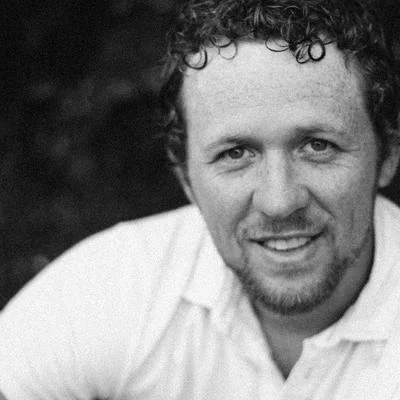
Jeremiah Canfield - Pastor Harvest Bible Chapel Pittsburgh East

Review: Leviticus 18:22; 20:13 | Romans 1:18-33


What do we do?

  1. Stop Avoiding them.

  2. Give them the Gospel first.

  3. Love them, but not Accepting what they do.

  4. Guide them as part of the body of Christ.

Sermon Notes (PDF): BLANK
Hint: Highlight blanks above for answers!

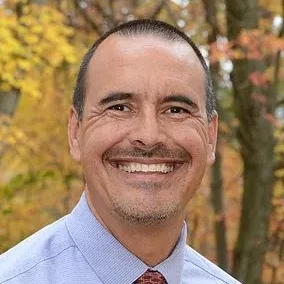
  • Mark Ort:

    00:21-00:21

    Good morning, guys.

    Mark Ort:

    00:22-00:28

    If you're new around here, usually Jeff Miller's going to be standing here right about now.

    Mark Ort:

    00:29-00:35

    And he is over at our sister church in Pittsburgh East, near Monroeville.

    Mark Ort:

    00:36-00:39

    And Jeremiah Canfield from Pittsburgh East is here this morning.

    Mark Ort:

    00:39-00:40

    We did kind of like a pastor swap.

    Mark Ort:

    00:41-00:50

    So Jeff usually studies and takes the month of July to prepare for the next calendar year of preaching.

    Mark Ort:

    00:50-00:53

    And so we have guest speakers lined up for the month of July usually.

    Mark Ort:

    00:54-01:01

    And today is our last guest speaker, and it's Jeremiah Canfield, again from Pittsburgh East.

    Mark Ort:

    01:01-01:03

    And just a couple of things about Jeremiah.

    Mark Ort:

    01:03-01:11

    I first heard Jeremiah speak at Harvest University two years ago on the very topic that he's going to be speaking about today.

    Mark Ort:

    01:11-01:19

    And it really changed my view of other people who may not be like us.

    Mark Ort:

    01:20-01:22

    And I was very convicted about that.

    Mark Ort:

    01:23-01:25

    And it really changed the way I think.

    Mark Ort:

    01:26-01:27

    And so you'll be challenged with that today.

    Mark Ort:

    01:28-01:33

    I didn't meet Jeremiah until last year at a pirate game.

    Mark Ort:

    01:34-01:36

    We met at a pirate game and that was pretty cool.

    Mark Ort:

    01:37-01:39

    I don't even remember if the pirates won that game or not.

    Mark Ort:

    01:40-01:50

    And then we spent some time together, Jeremiah and his church's leadership and our church's leadership spent some time together in January in Pittsburgh.

    Mark Ort:

    01:51-01:54

    And I really kind of got a feel for who he was.

    Mark Ort:

    01:55-01:58

    He's a warm and engaging individual.

    Mark Ort:

    01:58-02:01

    And you could tell that he loves the Lord.

    Mark Ort:

    02:01-02:03

    And he loves God's people.

    Mark Ort:

    02:04-02:05

    He loves the church.

    Mark Ort:

    02:05-02:13

    And we have some things that we want to do Pittsburgh East in the coming years, and we're looking forward to that.

    Mark Ort:

    02:13-02:27

    Jeremiah has a Bachelor of Arts degree in Biblical Studies from Northland University, and he has a Master's of Arts in Religion from Liberty University, and he's been serving at Harvest Pittsburgh East since 2013, right?

    Mark Ort:

    02:28-02:29

    He is married.

    Mark Ort:

    02:29-02:31

    His wife and kids aren't here today.

    Mark Ort:

    02:32-02:41

    They're over at their church, his wife Stephanie, and they have five kids, two sons, Titus and and three daughters, Eliana, Selah, and Charis.

    Mark Ort:

    02:42-02:46

    And so maybe we can give a warm Pittsburgh North welcome to Jeremiah.

    Pastor Jeremiah:

    02:54-02:54

    Well, good morning.

    Pastor Jeremiah:

    02:56-02:57

    It is a privilege and an honor to be here.

    Pastor Jeremiah:

    02:58-03:00

    So grateful for your pastor.

    Pastor Jeremiah:

    03:01-03:04

    Jeff is a good friend and a godly man.

    Pastor Jeremiah:

    03:04-03:08

    And if this is your first time here, then please come back because you need to hear Jeff speak.

    Pastor Jeremiah:

    03:09-03:11

    So don't judge the church by how I speak, okay?

    Pastor Jeremiah:

    03:11-03:15

    But I know Jeff is gonna do a great job.

    Pastor Jeremiah:

    03:15-03:16

    Look forward to him bringing the word at my church.

    Pastor Jeremiah:

    03:17-03:35

    And it's just a privilege to be 45 minutes from each other and not have to worry about fighting, but able to say, "Hey, we're here for one goal, "and that is to see the gospel proclaimed in Pittsburgh "and to be able to come together and to do things like this "and look forward to doing it more in the future "and just how that we can be a greater force." Two's better than one, right?

    Pastor Jeremiah:

    03:35-03:40

    And Lord willing, we're gonna have three and four and five and more churches planned here in this area.

    Pastor Jeremiah:

    03:41-03:43

    And we look forward to seeing what God's gonna do in Pittsburgh.

    Pastor Jeremiah:

    03:44-03:47

    And so I thank you for the privilege to come and to preach.

    Pastor Jeremiah:

    03:48-03:55

    If you have your Bibles, you can go to the book of Genesis, Genesis chapter two, Genesis chapter two.

    Pastor Jeremiah:

    03:55-04:01

    Now, I can't say that the topic today is probably the easiest one to speak on.

    Pastor Jeremiah:

    04:02-04:04

    To be honest, I don't even like to.

    Pastor Jeremiah:

    04:04-04:08

    when Jeff asked me to speak, it's always an honor to preach at someone's church.

    Pastor Jeremiah:

    04:09-04:17

    But then when he said he wants me to speak on this topic, I can't say I got truly excited about it, but I do believe it's an important one.

    Pastor Jeremiah:

    04:18-04:34

    And if you've looked at your bulletin and seen what we're gonna talk on homosexuality today, I believe it is in our culture today and where we are at and what is taking place in our culture and what is being pushed in our culture, I believe it's important that we understand what the Bible truly says.

    Pastor Jeremiah:

    04:35-04:49

    And so I hope what we get across today as we walk through some things is to understand truly what the Bible says about homosexuality, but also what is our response as the Christians, what are we supposed to be doing?

    Pastor Jeremiah:

    04:49-04:53

    Because I'll be honest, I believe the church is not doing a very good job at that.

    Pastor Jeremiah:

    04:54-05:02

    And I believe we've almost been blindsided over the last probably five to six, maybe seven years that this has kind of become more predominant.

    Pastor Jeremiah:

    05:02-05:05

    And I believe the church has been behind, has not responded properly.

    Pastor Jeremiah:

    05:06-05:09

    And so I wanna share some things as we look at God's Word today.

    Pastor Jeremiah:

    05:10-05:18

    And if you would, let me just pray real quickly as we dive in, because I can't do this without God's strength, and I don't think you can listen to it without God's strength.

    Pastor Jeremiah:

    05:18-05:19

    And so let's pray.

    Pastor Jeremiah:

    05:20-05:20

    God, we need you.

    Pastor Jeremiah:

    05:21-05:24

    As we sang today, Lord, you are our only hope.

    Pastor Jeremiah:

    05:25-05:32

    God, I pray, Lord, as we look at this topic, Lord, I pray that we would see clearly what the Word of God says.

    Pastor Jeremiah:

    05:33-05:35

    Lord, You know every heart here.

    Pastor Jeremiah:

    05:35-05:40

    You know if they're struggling with this issue, if they know somebody who's struggling with this issue.

    Pastor Jeremiah:

    05:40-05:46

    So God, I pray that You would show them truly what Your Word says on this issue and how to move forward.

    Pastor Jeremiah:

    05:46-05:48

    Lord, for Your glory, we ask these things.

    Pastor Jeremiah:

    05:48-05:49

    In the name of Jesus, I do pray.

    Pastor Jeremiah:

    05:51-05:51

    Amen.

    Pastor Jeremiah:

    05:52-06:38

    Oprah asked a former pastor, Rob Bell, a question - Rob Bell is no longer a pastor, but is a speaker and does many other things - him this question says, "Well, when is the church going to get it?" Speaking of this topic of homosexuality, when is the church going to understand it? When is the church really going to start to embrace it? And here's what Mr. Bell said. He said, "Well, moments away. I think culture is already there and the church will continue to be more irrelevant when it quotes letters from 2,000 years ago as their best defense. When you have in front of you flesh and blood people who are your brothers and sisters and aunts and uncles and co-workers and neighbors and they love each other and just want to go through life with someone.

    Pastor Jeremiah:

    06:39-06:54

    I believe that Mr. Bell is right. Many churches have started to go irrelevant today, but the reason it is not because they are holding to a book that is written 2,000 years ago, it's because they have neglected a book that was written 2,000 years ago.

    Pastor Jeremiah:

    06:55-07:02

    And I believe the Word of God is very clear and what we need to stand and how we need to stand on this issue.

    Pastor Jeremiah:

    07:02-07:04

    So what does the Bible say?

    Pastor Jeremiah:

    07:04-07:10

    In issues that we thought, you know, 10, 15 years ago, we never even thought we'd have to even have this conversation really.

    Pastor Jeremiah:

    07:11-07:17

    It was almost in many of our minds, black and white, of what needed to happen in the whole area of homosexuality.

    Pastor Jeremiah:

    07:18-07:22

    But because of kind of where our culture has gone, it is an issue that we have to address.

    Pastor Jeremiah:

    07:23-07:29

    Now, here's, you know, there's a lot of messages that you preach, and when you preach a message out of your head, it's because you know it.

    Pastor Jeremiah:

    07:30-07:34

    You preach a message out of your heart because you feel it.

    Pastor Jeremiah:

    07:34-07:39

    But you preach a message out of your life because you've walked through it.

    Pastor Jeremiah:

    07:39-07:56

    The reason why this topic hits close to home, and I'm gonna try not to cry through this whole message, so bear with me if I start, is because my younger brother, my younger brother about 15 years ago came to me and told me that he had a same-sex attraction.

    Pastor Jeremiah:

    07:57-08:02

    And actually, when he told me that for the first time, I can't say I responded the greatest.

    Pastor Jeremiah:

    08:02-08:13

    I just came out of Bible college, and I gave him all, "Hey, this is not biblical, "and you need to change this, "and this is not natural, and you need to do this." And I look back now, and I realize I did not respond correctly.

    Pastor Jeremiah:

    08:14-08:23

    About four years ago, about a month before we planted a church down in Pittsburgh East, my little brother sent an email to my family.

    Pastor Jeremiah:

    08:23-08:43

    four brothers and a sister. My dad's been in ministry for 40 years. All three of my other brothers are in ministry. My brother Josh is in New York City. He's an actor there, actually on Broadway right now, performs with Josh Groban, and been very successful in what he does. He was on Survivor about three years ago.

    Pastor Jeremiah:

    08:45-10:10

    And about four years ago, a month before we were about to launch the church, he sent an email and told us that he believed that it was biblical and that God had made him a homosexual and that this is the lifestyle that he was now going to embrace. And I can still remember sitting in my--I was sitting in McDonald's actually in Monroeville, I was talking to my worship guy and I just kind of stopped me and said I had to go. And I remember going home and crying with my wife and Josh was my best man at my wedding and I have a good relationship with him and I'll tell you it hurt. It hurt a lot and it made me have to go to the scriptures and I told Josh, I said, "Josh, listen, with all I have, go to the scriptures and with no presuppositions look at this topic again and study it out and see what does the Bible truly say." And he gave me a book that he wanted me to read and I said I'd read it and I said I will go and over the next months I read books I read articles I listened to people talk on both sides and what I share with you today is really where that point has brought me and yes it's a continual thing and it's a continual action of learning and growing but the journey that I've on it took time it It took tears and a lot of prayer.

    Pastor Jeremiah:

    10:11-10:14

    And do we really have ground to stand on?

    Pastor Jeremiah:

    10:15-10:21

    What we have believed and what church history has believed for over 2000 years really, do we have ground to stand on?

    Pastor Jeremiah:

    10:21-10:25

    And what does the Bible really say about this?

    Pastor Jeremiah:

    10:25-10:27

    And what does the church do now?

    Pastor Jeremiah:

    10:28-10:31

    You may sit here and say, Jeremiah, the Bible, it seems so clear.

    Pastor Jeremiah:

    10:31-10:33

    How did they get around it?

    Pastor Jeremiah:

    10:33-10:36

    I mean, there are verses that we've kind of held up for so many years.

    Pastor Jeremiah:

    10:36-10:37

    How do we get around these verses?

    Pastor Jeremiah:

    10:38-10:40

    Well, some don't even care what the Bible say.

    Pastor Jeremiah:

    10:41-10:49

    Some, you know, look at it and say, well, Jesus made me this way, and if he made me this way, then I'm gonna embrace this, and I'm gonna walk through this, and not really giving any thought to what the word of God says.

    Pastor Jeremiah:

    10:50-11:07

    And then some, including my brother, have changed the new, have put a new hermeneutic, or a new interpretation to the verses that we would usually go to and say, these are the verses that talk about homosexuality and why we believe it's wrong, and that they put a new hermeneutic to it, a new interpretation to it.

    Pastor Jeremiah:

    11:08-11:19

    And they say that most of those verses, as it talks about homosexuality, are talking about proactive or adulterous or fleshly acts, you know, like a gang rape, like you would see in Sodom and Gomorrah.

    Pastor Jeremiah:

    11:20-11:26

    They say it's not talking, Jeremiah, about a covenant relationship between one man and one man or one woman and one woman.

    Pastor Jeremiah:

    11:27-11:44

    So it is. It's hard to debate somebody because when they change the hermeneutic of the scripture to say what they wanted to, And let me just say, it's very dangerous when you start to take the Word of God and start to change interpretation that the church really has held for for over 2,000 years.

    Pastor Jeremiah:

    11:45-12:00

    And so what I want to do this morning is I want to help you understand homosexuality and understand biblically what the Word of God says, and hope that you see that's coming from a heart that has walked through a tough journey over the last years.

    Pastor Jeremiah:

    12:01-13:26

    You know, I'd say that most of the books that I read that were for homosexuality, most of the pastors that have kind of gone over and accepted it now, it's because they usually start their argument like this, "I know somebody who's a homosexual, and I know how much they love that person, how much they love God, so it has to be right." And so they say, "Okay, because of that presupposition, "Now I'm gonna go to God's Word." And listen church, that's not how we go to God's Word. We go to God's Word as the foundation of what we believe. And as hard as it was, as I studied and I journeyed through this, as hard as it was to set aside my love for my brother and my love to want to see him be happy, I have to go with this book right here, and I have to stand on what God's Word says. So I want to give you a couple things and I think if you're gonna understand why biblically homosexuality is wrong, I think you have to understand what marriage is in the eyes of God. Look at Genesis chapter 2, number one, it's a covenant relationship between a man and a woman. You say, "Jeremiah, where do you see that? Where do you see that's between a man or woman?" I think we start at the beginning at Genesis chapter 2 verse 18. It says, "And the Lord God said, 'It is not good than a man should be alone. And I will make him a helper fit for him.

    Pastor Jeremiah:

    13:26-13:52

    Skip down to verse 21. And the Lord God caused a deep sleep to fall upon this man Adam. And while he slept he took one his ribs and closed up his the place of his flesh. And the rib that the Lord had taken from the man he made into a woman and brought her to the man. And the man said this at last is bone of my bones and flesh of my flesh. And she shall be called woman because she was taken out of the man, and look at verse 24 right here.

    Pastor Jeremiah:

    13:53-14:07

    "Therefore, man shall leave his father and mother "and hold fast to his wife, "and they shall become one flesh." Listen, that verse right there, verse 24, I believe is a definition of what marriage is.

    Pastor Jeremiah:

    14:08-14:11

    You say, Jeremiah, why do you think that verse 24 is the definition of marriage?

    Pastor Jeremiah:

    14:11-14:16

    Why is it not just really connected with this whole story of what is taking place there?

    Pastor Jeremiah:

    14:17-14:25

    Because I believe that God is setting a precedence right there at the beginning in creation of saying, hey, listen, this is what marriage will be for all.

    Pastor Jeremiah:

    14:25-14:25

    Why?

    Pastor Jeremiah:

    14:26-14:30

    Because you look at verse 24, did Adam and Eve have a father or a mother?

    Pastor Jeremiah:

    14:31-14:35

    No, they were the first two adults on the earth.

    Pastor Jeremiah:

    14:35-14:42

    And so he can't be talking about Adam and Eve because they didn't have to leave their father, they didn't have to leave their mother and cling together.

    Pastor Jeremiah:

    14:42-15:54

    No, Jesus was setting a precedent, a creation principle and saying, listen, this is what marriage would be from all time. It would be when a man shall leave his father and mother, because from here on out everybody's gonna have a father and mother. And so yes, they're the first one, they didn't, but here a man shall leave his father and mother and hold fast to his wife, and the two shall become one flesh. You know, they'll try to sit there and they'll say, Jeremiah, in the books that kind of promote homosexuality, will take this passage and say, "No, that was, this is just for Adam and Eve and this is kind of how the world started, this is what took place, but it's not a principle that has to be cleared through the whole scriptures and through all time and I believe that's not understanding what the Word of God is saying here. God is setting up precedence. This is what marriage is. It's between a man and a woman when they leave their family and they cling to each other and they become one flesh. And then you start walking through the scriptures. You walk through the scriptures, there's no story or even a picture of a same-sex marriage ordained by God. In the Word we always see marriage pictured and defined as a relationship between a man and a woman.

    Pastor Jeremiah:

    15:55-16:15

    And I've read the articles and a lot of times will say well homosexuality was not a big emphasis during that time, during that time frame it wasn't known and that's just not understanding history. You go back and you study history you can even look at Wikipedia online and they put homosexuality all all the way back at the start of what they would know history to be.

    Pastor Jeremiah:

    16:15-16:41

    So my thing is, if homosexuality was a big part of the culture, even back in that time frame, then why do we go through the whole scriptures and we don't see God ordain one homosexual act, we don't see God bless one couple, if it was prominent then, if it was known, why does every marriage that we see take place in the word of God between a man and a woman.

    Pastor Jeremiah:

    16:42-16:48

    Because God was setting a pattern, this is what marriage is, this is what takes place.

    Pastor Jeremiah:

    16:48-16:49

    You say, well, that's just the Old Testament.

    Pastor Jeremiah:

    16:50-16:52

    You can flip and you have to turn there.

    Pastor Jeremiah:

    16:52-16:54

    But in Matthew, Jesus starts to talk about it.

    Pastor Jeremiah:

    16:54-16:58

    They come to Jesus in Matthew 19, they say Jesus, asking him about divorce.

    Pastor Jeremiah:

    16:59-17:03

    And before Jesus talks about divorce, first he says, listen, let me define marriage.

    Pastor Jeremiah:

    17:03-17:05

    And how does he define marriage?

    Pastor Jeremiah:

    17:05-17:12

    He goes back to Genesis chapter two and says, Listen, this is how God defined it in Genesis chapter two, so let me tell you.

    Pastor Jeremiah:

    17:12-17:17

    He says, "Have you not read that he who created them "from the beginning made male and female?

    Pastor Jeremiah:

    17:18-17:33

    "And he said, 'Therefore a man shall leave his father "'and mother and hold fast to his wife, "'and the two shall become one flesh.' "So they are no longer two but one, "therefore God has joined together, let no man separate." So Jesus goes back and says, listen, before we even talk about divorce, let me tell you what marriage is.

    Pastor Jeremiah:

    17:34-17:38

    It's between a man and a woman, They become one and let that not separate.

    Pastor Jeremiah:

    17:38-17:41

    They say, Jesus, that's really insensitive.

    Pastor Jeremiah:

    17:42-17:50

    Why didn't Jesus just say, therefore a person shall leave his father and mother and hold fast to each other and the two shall become one flesh?

    Pastor Jeremiah:

    17:51-18:00

    Listen, don't you think Jesus knew that the people he was talking to, the people standing in that crowd, that there were some there probably with the same sex attraction, the people who would have heard that.

    Pastor Jeremiah:

    18:01-18:08

    Why did he make it so clear when he said, This is between a man shall leave his father and mother and hold fast to his wife.

    Pastor Jeremiah:

    18:10-18:13

    Because Jesus was defining again what marriage was.

    Pastor Jeremiah:

    18:15-18:22

    We can flip a little bit later in the epistles, Ephesians chapter five, the apostle Paul is talking on marriage.

    Pastor Jeremiah:

    18:22-18:28

    And at the end of his talk on marriage, he quotes the same verse in Genesis chapter two.

    Pastor Jeremiah:

    18:29-18:31

    He said, "Listen, this is what marriage is.

    Pastor Jeremiah:

    18:32-18:38

    It's when a man shall leave his father and mother and cling to his wife, and the two shall become one flesh.

    Pastor Jeremiah:

    18:38-18:40

    Listen, he was talking to the church at Ephesus.

    Pastor Jeremiah:

    18:41-18:46

    Ephesus would have been full of, yes, of idolatry and people who would have had that same sex attraction.

    Pastor Jeremiah:

    18:48-18:55

    So why wasn't Paul more sensitive unless he was communicating truly with the word of God says, this is what marriage is.

    Pastor Jeremiah:

    18:56-18:57

    You see, listen to me, church.

    Pastor Jeremiah:

    18:57-19:05

    If God defines marriage as between a man or woman Genesis 2. And Jesus defines marriage between a man and a woman in Matthew 19.

    Pastor Jeremiah:

    19:06-19:58

    And the Apostle Paul defines marriage between a man and a woman in Ephesians chapter 5. Listen, I'd have to say that's pretty good company to be able to sit there and say between God, Jesus, and the Apostle Paul, I'm saying this is what marriage is. This is what it looks like. I think God would have known. I think God's not connected to time so he would have known that this would have been an issue today and as prevadent as it is that he would have put one verse or one illustration or one of something saying this is what marriage is. You see if you read in the books that are for homosexuality what they do is they go to the scriptures and they try to say well that's not really what the author was intended and but when you ask him okay we're in the Word of God does it is it for homosexuality, there isn't anything.

    Pastor Jeremiah:

    19:59-20:03

    Their whole argument is on silence because there isn't anything.

    Pastor Jeremiah:

    20:03-20:10

    Yes, you can change the hermeneutics to something and you can say that's not what it was, but the bottom line, that there's nothing that is for it.

    Pastor Jeremiah:

    20:10-20:35

    I've looked and as I've counseled and talked to people with same-sex attraction, I've told them, listen, if I get to heaven and what it is for you to have a homosexual relationship was ordained by God and God is for that, then listen, I'm gonna be mad at God Because I know the pain, I know the hurt that I have as I've counseled those people, I've talked with my brother, that the desire they wish they did not have.

    Pastor Jeremiah:

    20:36-20:39

    Why was God give us just one instance on it?

    Pastor Jeremiah:

    20:41-20:56

    And that's why I have to go back and say, God was totally clear from the beginning, and even when Jesus walked in there, started the church with the Apostle Paul of what marriage should be, is a covenant relationship between a man and a woman.

    Pastor Jeremiah:

    20:57-21:03

    There's another reason I'd give you, and that is this, is that marriage is a picture of Christ in the church.

    Pastor Jeremiah:

    21:04-21:06

    Marriage is a picture of Christ in the church.

    Pastor Jeremiah:

    21:06-21:08

    Ephesians chapter five is what it talks about.

    Pastor Jeremiah:

    21:08-21:12

    This is one of the big reasons why I believe homosexuality is wrong.

    Pastor Jeremiah:

    21:13-21:20

    The illustration that we see in Ephesians chapter five is between Christ and the church and how the husband represents Christ and how the wife represents the church.

    Pastor Jeremiah:

    21:20-21:27

    and how the wife submits under the husband just as Christ, and as the church submits under Christ.

    Pastor Jeremiah:

    21:27-21:28

    It's an illustration that is given.

    Pastor Jeremiah:

    21:29-21:34

    And this can't be an illustration just for that church or for that time frame.

    Pastor Jeremiah:

    21:34-21:39

    No, he goes back again and pulls the creation principle from Genesis chapter two.

    Pastor Jeremiah:

    21:39-21:47

    I believe that according to this passage, that one of the reasons why marriage is set up is to picture Christ and the church, it's two opposites uniting as one.

    Pastor Jeremiah:

    21:49-21:53

    We have roles that are played out so clearly, what the man is supposed to do and what the woman is supposed to do.

    Pastor Jeremiah:

    21:53-21:56

    And in the same sex relationship, how does that play out?

    Pastor Jeremiah:

    21:58-22:03

    If they say, well, it's just one of them should do it, well then in a heterosexual relationship, you should be able to say the same thing.

    Pastor Jeremiah:

    22:04-22:20

    If we tear down that picture and say, well, it doesn't matter if it's the man that's the leader or the woman that submits or this woman that submits or the man's leader, it doesn't really matter what it is, then we've torn down really the picture of what the family is and how God designed the family to be.

    Pastor Jeremiah:

    22:21-22:33

    And then I'll give you one more quickly here is we won't take a long time to look at it and I promise I'll keep it PG rated, but it's a married couple enjoying a God-designed sexual expression.

    Pastor Jeremiah:

    22:34-22:36

    It must be a married couple or it is sin.

    Pastor Jeremiah:

    22:37-22:43

    I believe there's one way that God designed sex to take place and that is between a man and a woman.

    Pastor Jeremiah:

    22:43-22:49

    Sex is not just a union, it is a reunion of the two difference becoming one.

    Pastor Jeremiah:

    22:50-22:54

    And only in a heterosexual relationship will that take place.

    Pastor Jeremiah:

    22:55-23:00

    And so understanding in the eyes of God this is what marriage truly is.

    Pastor Jeremiah:

    23:01-23:04

    And that we can stand on God's word of what marriage is.

    Pastor Jeremiah:

    23:05-23:10

    Now you say, "Jemar, are there other passages in God's word that talk about it?" Yes, I'll quickly just kind of give you a couple.

    Pastor Jeremiah:

    23:11-23:41

    Leviticus chapter 20, chapter 18 and chapter 20, both talk about it and just I'll go to Leviticus 20 for a second here. It says in Leviticus 20 verse 13, "If a man lies with a man as with a woman, both of them have committed abomination and they shall surely be put to death. Their blood is upon them." Jeremiah, that seems so clear. How do they take this? Well, they'd say this is Levitical law and they'd say if you're gonna follow this then you have to follow all Leviticus, right? Well, understand what the Levitical law is.

    Pastor Jeremiah:

    23:41-24:09

    They sit there and say that God has done away with the law, Jesus did away with the law, and that's not true. You see in the New Testament that Jesus Christ came to fulfill the law. There's a difference of fulfilling the law and doing away with the law. A very important difference. They say, "Why, Pastor, then do you practice some of the things in Leviticus and not other ones? You don't still sacrifice, you don't still do that, so why?" Well, again, you have to go to the New Testament understand this, that when Christ came, he came to fulfill the law.

    Pastor Jeremiah:

    24:09-26:44

    So all foods that were declared unclean in Leviticus, we see in the book of Mark and in Acts, that Jesus says these foods are now clean. You can eat what you want. Also we see all the holy days and all the things that they kept with the Sabbath and things they couldn't do and they couldn't walk this far. And what took place, we see in Romans chapter 14 that Jesus said, "Listen, you don't have to do that anymore. Fulfill those things." And then the whole sacrificial system that has written Leviticus. We see in Hebrews chapter 7 that Christ was the last sacrifice, but lying with another man is a purity issue, and there's a difference. That this is the purity law as you walk through Leviticus, that God is calling his people to holiness, and so the things that God talks about and the issues of purity are still supposed to be followed today. It's interesting in this verse here, it's the only time, actually there's one other time, and that's in Leviticus 18.22 when he's talking about homosexuality, that God uses the word "abomination" as Moses goes through and writes Leviticus. He is saying that this is an abomination to him. Now, you say, "Jeremiah, how can they pull this verse out?" And what they say is that, you know, this is talking about, you know, a more of a gang rape or someone who is you know raping someone but that's not what the word is talking because they both it says shall be killed if they practice this. Now again, the punishment was fulfilled at the cross so we don't fulfill the same punishment that took place at that time but what God said is still supposed to happen. Look at the verses around it. It talks about committing adultery, it talks about the man lies with his father's wife, it talks about if a man lies with his daughter-in-law. It talks about in verse 15 if men lies with an animal. What we still all say today that those are wrong so why would we not say that the Homosexuality Act is also wrong? Again we can't just take one verse and pull it out we have to look at what it communicates there. And so here it is talking about and it is wrong. I'll look at one more chapter here and then I want to get you some practical things. Romans chapter 1. Romans chapter 1 verses 18 through 23. Let me read some of this with It says, "For the wrath of God is revealed from heaven against all ungodliness and unrighteousness of men, who by their unrighteousness oppress the truth. For what we can be known by God is plain to them, because God has shown it to them. For this is his invisible attributes, namely, his internal power and divine nature, has been clearly perceived ever since the creation of the world, the things have been made.

    Pastor Jeremiah:

    26:44-26:50

    So they are without excuse. For though they knew God, they did not honor as God or give thanks to Him.

    Pastor Jeremiah:

    26:50-26:58

    "for they became futile in their thinking, "and their foolish hearts were darkened." So he's talking about a generation that is not seeking after him, that is seeking after their own thing.

    Pastor Jeremiah:

    26:59-27:02

    "Claiming to be wise, they become fools." He says this in verse 24.

    Pastor Jeremiah:

    27:02-27:10

    "Therefore God gave them up." You know, I'll tell you, one of the worst things to do is receive the passive wrath of God.

    Pastor Jeremiah:

    27:11-27:16

    That when God says, listen, my discipline, I'm not even gonna put in more, I'm just gonna give you up and step back.

    Pastor Jeremiah:

    27:16-27:19

    It's the passive wrath of God that you don't wanna walk down.

    Pastor Jeremiah:

    27:20-27:29

    He says, "I gave them up in the lust of their hearts to impurity, the dishonor of their bodies among themselves, because they exchanged the truth about God for a lie.

    Pastor Jeremiah:

    27:30-27:34

    And they worship and serve the creature rather than the creator, who is blessed forever.

    Pastor Jeremiah:

    27:34-27:35

    Amen.

    Pastor Jeremiah:

    27:35-27:39

    For this reason, God gave them up." What did he give them up to?

    Pastor Jeremiah:

    27:39-27:41

    "To dishonorable passions.

    Pastor Jeremiah:

    27:42-27:46

    For the woman exchanged their natural relations for those that are contrary to nature.

    Pastor Jeremiah:

    27:47-30:45

    And the men, likewise, gave up natural relations with women consumed with passion for one another, men committing shameless acts with men and receiving in themselves the due penalty of their error." You say, "Jeremiah, how did they get around that?" Well, during that time frame, there was an emperor who would basically bring kids in and adults in and have sex with them. And so they would say, as Apostle Paul wrote this, that they would have been thinking of that emperor, they've been thinking what was taking place in that time. The problem that again as these are says there they were consumed with passion for one another these are two people consenting to have a relationship with each other that goes against what God designed it to be and because of that it is wrong and that God gave us this dishonorable passions listen if there's one thing that I want you to make sure you walk out today is understanding that we can stand strong on God's Word. You know as you walk through, as you read through articles and you see articles on Facebook and you see pastors slowly just falling in this area of saying, "This is fine, this is biblical, they're allowed to practice these things." And yes, it can make you start to doubt and go, "How is this happening? What is taking place?" Please understand that God's Word is very clear on it. That we don't have to waver, we don't have to doubt. We don't have to sit there and say is what they're saying true? No, you go to the scriptures and God's Word is clear and we can hold on the same hermeneutic that we've held to for 2,000 years and we don't have to change on that. That God's Word is clear on what it says. Now let me give you just a couple street-level objectives before I give you what you could do, because here's what some people will say as you walk the streets, you talk with someone, you have a friend, or you have a sibling, or a parent, or somebody who's in walking down this this problem, this is what they'll say, "Jesus did not say anything about homosexuality, so we don't need to take a stand on it." And I've heard pastors say that. You know, "Jesus really didn't say anything about it, so I don't need to take on a stand on it either." Well listen, Jesus didn't say anything about incest or idolatry either, at least that we have recorded, and we still believe both of those are wrong. Jesus was an actual person, lived a specific time, and yes, as the Apostles wrote what he said, they didn't write down everything he said. He could have said something about it, and they just didn't write it down, maybe because it was so clear in their minds and so clear of what was taking place that they didn't have to write anything about it, because it wasn't an issue as this right or wrong back then. They knew it was wrong. I think also Jesus did as marriages where he looked at Matthew 19 that he did talk about it because he said this is what marriage is and so if he said this is what marriage is then what he also is saying this is what marriage is not. So this is what it is.

    Pastor Jeremiah:

    30:45-31:55

    He also in Mark chapter 7 used the word sexual immorality. It's the word pornia and there's a broad word that is used for any sexual sin and that would be idolatry, fornication, or homosexuality. Listen, just because we don't see Jesus giving specific instructions saying homosexuality is wrong does not mean that Jesus didn't talk about it. Also, if we believe these are all God's words, then everything in this book, not just what is in red. So I don't believe that that objective stands for anything. Another objective that I've heard is this, is some animals have same-sex relations, it must be natural. They try to go to the animals and say, "Well, some of those animals, they have sex and they're man and man, a woman and woman, so that must be fine." Well listen, the female black-widowed spider after mating with a male eats the husband. I don't see anybody promoting cannibalism today. Also the hippo after the mom gives birth, the male hippo tries to eat the child because it doesn't want the child to take over the dominance of the herd. So listen, just because nature does it does not mean it's right. Listen, nature is under the same curse that we are under.

    Pastor Jeremiah:

    31:55-31:58

    And so not everything out there is perfect.

    Pastor Jeremiah:

    31:59-32:08

    And so there are still some things because of the curse, just because an animal does it, nature does not make it natural in what it should be.

    Pastor Jeremiah:

    32:09-32:13

    Someday creation will be freed from the same curse of sin that we will be freed from.

    Pastor Jeremiah:

    32:14-32:21

    The other objective that you sometimes hear is this, is the church used to think slavery was right, and they were changed on this topic also.

    Pastor Jeremiah:

    32:22-32:28

    They try to compare it a lot to slavery and say this is what happened, you know, with slavery, and so the church is gonna come around, they're gonna get it also.

    Pastor Jeremiah:

    32:29-32:37

    Listen, the church has changed numerous times throughout history on their stance on things, and slavery always being the biggest one of what they say.

    Pastor Jeremiah:

    32:37-32:42

    But first, we don't decide what we do because of the church, we stand on what we believe because of God's word.

    Pastor Jeremiah:

    32:43-32:46

    And so just because the church does, it doesn't mean that it's right.

    Pastor Jeremiah:

    32:46-32:52

    And we've gotten a problem when we start to declare the church as the authority and not God's word.

    Pastor Jeremiah:

    32:52-33:01

    Now, when we talk about slavery, we think of people being beaten and treated harshly, unjustly, and listen, the Bible was never for that.

    Pastor Jeremiah:

    33:02-33:06

    And that's why conservative Christians throughout history have fought against that.

    Pastor Jeremiah:

    33:07-33:10

    William Wilberforce being one trying to abolish slavery.

    Pastor Jeremiah:

    33:11-33:17

    You read through and study through the Bible what it talks about slavery and understand slavery in that culture.

    Pastor Jeremiah:

    33:17-33:19

    Slavery back at this time was like a job.

    Pastor Jeremiah:

    33:20-33:28

    People would put themselves into slavery, as slaves you could become a doctor, you could become a lawyer, you could move up because you don't go work at McDonald's or Lowe's, what do you do?

    Pastor Jeremiah:

    33:29-34:10

    You go find somebody who has a lot of money and you work under them. And the Bible is clear that you treat them nicely. If you do something to them, you deserve it back. So what we think of slavery of being beaten and tortured, the Bible was never for that and was against that, and there are clear laws in the Bible of how you're supposed to treat someone like that. But understand, we're looking at in our 21st century mindset and we look back at the Civil War and what took place there, that was not what slavery was back in the Old Testament, at least what God said it could be. It was a job that people had in what took place. And so homosexuality is different when it comes to that issue.

    Pastor Jeremiah:

    34:11-35:13

    So slavery and homosexuality I do not believe can be compared. Let's close by this. Let me give you a couple things. What do we do? Say, "Jeremiah, the Bible's what do we do? Here's the first one I would say is stop avoiding them. Listen, please stop avoiding them. That they don't have the plague. Stop making fun of people. Remember in college people making fun of someone who is homosexual or are talking in the girl's voice or whatever it may be. These are real people with hurts and feelings so please stop it. No wonder they have run from the church. Most same-sex desire as having this unforgivable sin. Listen, that is not the case. I've seen damage the church has done, and many of them, they don't want to have anything to do with the church because they've run. They don't want the desire. You know how many times my brother have told me and talked to me and said, "Listen, I don't want this." He wants it to go away.

    Pastor Jeremiah:

    35:15-35:19

    Listen, they're not less because they feel like that.

    Pastor Jeremiah:

    35:20-35:22

    We all have problems, we all have sins.

    Pastor Jeremiah:

    35:23-35:25

    We don't push them aside because of that.

    Pastor Jeremiah:

    35:26-35:28

    Will most of them ever get rid of that desire?

    Pastor Jeremiah:

    35:29-35:31

    No, but can they be used for the glory of God?

    Pastor Jeremiah:

    35:31-35:32

    Yes.

    Pastor Jeremiah:

    35:33-35:34

    Yes, and yes.

    Pastor Jeremiah:

    35:35-36:22

    I actually wonder if my brother would still be where he should be according to the scriptures and how he was raised if the church would have treated him a little bit better. You see, we didn't know five, ten years ago really how to handle it. It was just kind of, "Oh, if you have that, you have to change, and you know, this needs to be done, and just, you know, be finished with it." And I think a lot of that, that's why a lot of these homosexuals have run to these bigger cities where they've found a community of people that they can get around. They just want to be accepted in it. And listen, if there's any place that we should be accepted, it is here, we should be loving them. But listen, here's what I want you to know, here's number two is this, is give them the gospel first. Give them the gospel first.

    Pastor Jeremiah:

    36:22-36:56

    You're not trying to fix them. Listen, they need the gospel. Don't rush into this specific sin problem when first they just need Jesus Christ. And we so quick want to try to fix this and fix this when they just need the gospel. They need a Savior. They need to know that He loves them and He cares for them. So when you talk with them and you look at them, see them through Christ's eyes, give them the gospel first. Because listen, the gospel changes everything. And don't so quickly point their sin and say, "Listen, you got to stop this." No, give them the gospel.

    Pastor Jeremiah:

    36:58-37:06

    I did not say the gospel will free them from the desire of same-sex attraction, but it will free them from the change of the same-sex attraction.

    Pastor Jeremiah:

    37:07-37:11

    It might not be the desire, but the change, yes, the gospel can free them from.

    Pastor Jeremiah:

    37:11-37:24

    You say, "Jeremiah, what do you do with someone who believes they're sexed?" Like my brother. Listen, let me tell you, if you talk with my brother, and you didn't know he had a same-sex attraction, you would think he's a Christian sold out on fire for God.

    Pastor Jeremiah:

    37:25-37:29

    Gets up and reads his Bible probably more consistently than most people in our churches today.

    Pastor Jeremiah:

    37:29-37:30

    He goes to church.

    Pastor Jeremiah:

    37:31-37:34

    But you have a conversation with him, I guarantee you he'll bring Christ into it.

    Pastor Jeremiah:

    37:36-37:37

    So what do you do with that?

    Pastor Jeremiah:

    37:38-37:40

    To be honest, I wish it wasn't.

    Pastor Jeremiah:

    37:40-37:41

    I wish you would just kind of renounce the faith.

    Pastor Jeremiah:

    37:42-37:43

    It'd be so much easier.

    Pastor Jeremiah:

    37:43-37:43

    But what do you do?

    Pastor Jeremiah:

    37:44-37:49

    Here's the third thing I would say, is love them, but not accepting what they do.

    Pastor Jeremiah:

    37:50-37:52

    Love them, but not accepting what they do.

    Pastor Jeremiah:

    37:53-37:55

    Listen, I will embrace them, but not the sin.

    Pastor Jeremiah:

    37:56-38:01

    But the person I will embrace, I will love my brother, I will continue to love him.

    Pastor Jeremiah:

    38:01-38:06

    I will show him, I will let him know I love him, but listen, I cannot accept what he does.

    Pastor Jeremiah:

    38:07-38:08

    And he knows that also.

    Pastor Jeremiah:

    38:09-38:18

    Jean Lloyd, who is a former lesbian, she said this, "Continue to love me, but remember that you cannot "be more merciful than God.

    Pastor Jeremiah:

    38:18-38:21

    "It isn't mercy to affirm a same-sex acts as good.

    Pastor Jeremiah:

    38:22-38:23

    "Don't compromise truth.

    Pastor Jeremiah:

    38:24-38:31

    "Help me to live in harmony with it." Listen, we know what the truth of God says, so we have to stand on that.

    Pastor Jeremiah:

    38:32-38:39

    But we don't have to say, listen, we accept what they're doing, but we push them away when we say stupid things, when we don't say anything at all.

    Pastor Jeremiah:

    38:39-38:43

    And really, that's where the church has been for so many years, is we never even talk about it.

    Pastor Jeremiah:

    38:44-38:50

    I wonder how many times you've ever heard a message on homosexuality, we don't talk about it, we've kind of just kind of pushed that aside.

    Pastor Jeremiah:

    38:50-38:57

    And because of that, those who are struggling with that same sex attraction think that there's something less, and that they should just kind of be pushed aside.

    Pastor Jeremiah:

    38:57-38:58

    And that is not the case.

    Pastor Jeremiah:

    39:00-39:01

    Listen, we love them.

    Pastor Jeremiah:

    39:01-39:03

    Yes, we cannot embrace that lifestyle.

    Pastor Jeremiah:

    39:03-39:09

    And someone who is fighting against that lifestyle, then we should put our arms around them quicker than anything.

    Pastor Jeremiah:

    39:10-39:19

    I remember as I spoke this in my church, afterwards there was a couple that I talked with or that was talking in their small groups and just like, I don't know about that.

    Pastor Jeremiah:

    39:19-39:21

    I've just really embraced them into our church.

    Pastor Jeremiah:

    39:22-39:23

    Listen, that's wrong.

    Pastor Jeremiah:

    39:24-39:30

    Yes, I'm not going to say that what they're doing is right, but I'm going to love them, and I'm going to show them love.

    Pastor Jeremiah:

    39:31-39:39

    There was an article by a man named Garrett Kell who wrote, do you remember some years ago, a boy named Josh Alcorn, who committed suicide.

    Pastor Jeremiah:

    39:40-39:42

    He believed he was a girl trapped in a boy's body.

    Pastor Jeremiah:

    39:43-39:48

    And in this article by Garrett Kell, he said this is what he would have said to this young man.

    Pastor Jeremiah:

    39:49-40:06

    And I really wish I would have known this about 15 years ago when my brother first came to me and told me a same-sex attraction. In the article it says this, he said, "This is what Jesus would say to you today. Jesus would say you are made in my image and I love you.

    Pastor Jeremiah:

    40:07-40:23

    Jesus would say you are broken just like everyone else. Jesus would say you have a unique struggle and I will use it. Jesus would say I came to rescue people like you so trust in me. Jesus would say the journey is hard but it's worth it and I I will help you.

    Pastor Jeremiah:

    40:25-40:28

    Jesus would say, your parents aren't perfect, but they love you.

    Pastor Jeremiah:

    40:28-40:30

    Jesus would say, go to my people.

    Pastor Jeremiah:

    40:30-40:33

    They will walk with you in grace and truth.

    Pastor Jeremiah:

    40:33-40:35

    Listen, will we do that, church?

    Pastor Jeremiah:

    40:36-40:39

    Will we walk with those people in grace and truth?

    Pastor Jeremiah:

    40:40-40:43

    Jesus would say, don't give up your life.

    Pastor Jeremiah:

    40:43-40:44

    I make life worth living.

    Pastor Jeremiah:

    40:46-40:50

    Jesus would say, remember, I'm coming back to make all things new.

    Pastor Jeremiah:

    40:51-41:00

    Listen, if you're here today and you struggle with the same sex attraction, then please understand that you're not anything less than the person sitting next to you.

    Pastor Jeremiah:

    41:01-41:07

    God has made you in a unique way and He's gonna use that for His glory and for His praise and for His honor.

    Pastor Jeremiah:

    41:08-41:13

    And also, I sit there with your family and you have someone like I have as a brother.

    Pastor Jeremiah:

    41:14-41:19

    If you have a son or a daughter, I know there are many couples in my church who have kids that we pray for.

    Pastor Jeremiah:

    41:20-41:26

    I pray for my brothers, we pray for them, and we ask God to do what only God can do.

    Pastor Jeremiah:

    41:26-41:27

    Listen, those families, they need encouragement.

    Pastor Jeremiah:

    41:28-41:36

    I have wept with some of those families in my church who are walking through the same thing, and I've wept with my parents.

    Pastor Jeremiah:

    41:37-42:06

    As my dad has been in ministry for 40 years, I remember about three years ago, my dad sent an email to my brothers and I, and it was right before I went to bed, And I woke up that morning, or actually it was about three or four o'clock in the morning, and just went out because I wanted to respond back to my dad because my dad was at that place where he was like, Jim, I don't just want to quit.

    Pastor Jeremiah:

    42:07-42:14

    As, yes, he's walked through ministry for so many years, seeing his son walk down this road was tough on my family.

    Pastor Jeremiah:

    42:15-42:51

    And I remember sending an email to my dad, I'll read this to you because if there's someone here who If you have a child or you have someone that you know Then then listen don't don't give up and that's what I told my dad. I said this you can't quit dad because I'm watching I've been watching what you're doing and say and how you're going to respond You've been my role model for 34 years, and I'm still watching you can't quit that. I need you to stay strong I need you to see how to finish strong when the hardest battles of your life comes at the end of the race.

    Pastor Jeremiah:

    42:52-42:58

    I need to see your passion for Christ and love for the gospel grow as you walk this road. Dad, you can't quit. I'm watching.

    Pastor Jeremiah:

    42:59-43:04

    Dad, you can't quit. My kids are watching you. I need you to show my kids how to live for Jesus.

    Pastor Jeremiah:

    43:05-43:09

    They love their Papa and I want them to know the greatest thing in your life is Christ.

    Pastor Jeremiah:

    43:09-43:14

    Someday they will fully understand the story and I need them to see Christ all through it.

    Pastor Jeremiah:

    43:15-43:19

    You are giving my kids a legacy and I need you to paint it clearly for Christ.

    Pastor Jeremiah:

    43:19-43:24

    You can't quit dad, my kids are watching. You can't quit dad, the gospel is on display.

    Pastor Jeremiah:

    43:25-43:31

    It's being destroyed and misused on one front, so you must show it more clearly.

    Pastor Jeremiah:

    43:31-43:42

    You must love when it's hard to love. You must stand for truth when lies take the form of truth. You must show how the gospel sustains us in the hard times, how to proclaim mercy and grace in our deepest struggles.

    Pastor Jeremiah:

    43:43-43:49

    You must show how when you feel unworthy and weak, the gospel gives you hope and peace and reason to keep fighting.

    Pastor Jeremiah:

    43:49-43:54

    You must paint the picture of the gospel more clear than those who are blurring its beauty.

    Pastor Jeremiah:

    43:54-43:56

    You must continue to preach and to minister.

    Pastor Jeremiah:

    43:56-43:58

    God is not finished with you.

    Pastor Jeremiah:

    43:59-44:00

    You can't quit, Dad.

    Pastor Jeremiah:

    44:00-44:01

    The gospel is on display.

    Pastor Jeremiah:

    44:02-44:04

    You can't quit, Dad, 'cause we're all watching.

    Pastor Jeremiah:

    44:05-44:08

    You are the patriarch, and you have this charge for this family.

    Pastor Jeremiah:

    44:08-44:12

    You have a wife, five kids, four daughter-in-laws, and 14 grandchildren that are following you.

    Pastor Jeremiah:

    44:13-44:16

    We are behind you and we will help you as you walk through this valley.

    Pastor Jeremiah:

    44:16-44:20

    We will stand together as a family for that is how you have taught us.

    Pastor Jeremiah:

    44:20-44:22

    We look to Christ and he will sustain us.

    Pastor Jeremiah:

    44:23-44:27

    He will use this valley to encourage others who are walking through the same valley.

    Pastor Jeremiah:

    44:27-44:29

    He will use this valley to proclaim Christ.

    Pastor Jeremiah:

    44:30-44:31

    You can't quit, we are watching, Dad.

    Pastor Jeremiah:

    44:32-44:33

    I need you to finish strong.

    Pastor Jeremiah:

    44:33-44:36

    You can't quit, there's too much at stake.

    Pastor Jeremiah:

    44:37-44:39

    I love you and we all love you and don't ever forget that.

    Pastor Jeremiah:

    44:39-44:42

    You can't quit 'cause that's not an option, so stop saying it.

    Pastor Jeremiah:

    44:43-44:47

    We're in a battle and this is the war, it's one of the toughest our family has faced.

    Pastor Jeremiah:

    44:47-44:51

    We need you to lead us and to show us how to follow Christ while in it.

    Pastor Jeremiah:

    44:52-44:54

    Dad, I hope to see that you can't quit.

    Pastor Jeremiah:

    44:55-44:56

    Don't ever forget, Dad, that I mean every word of it.

    Pastor Jeremiah:

    44:57-44:59

    I write this in tears because I feel your pain.

    Pastor Jeremiah:

    45:00-45:01

    We're all with you, we love you.

    Pastor Jeremiah:

    45:01-45:03

    We're a family, we're staying together as we keep our eyes on Christ.

    Pastor Jeremiah:

    45:03-45:04

    We live for his glory.

    Pastor Jeremiah:

    45:07-45:17

    Listen, if you know somebody, you've walked down that road before, listen, it is more clearly and more important today that we stand truthfully on the gospel.

    Pastor Jeremiah:

    45:18-45:24

    And we stand strong in a world that is pushing something the wrong way, that we stand for what is true.

    Pastor Jeremiah:

    45:25-45:28

    And then here would be the last one, guide them as part of the body of Christ.

    Pastor Jeremiah:

    45:29-45:32

    Listen, guide them as part of the body of Christ.

    Pastor Jeremiah:

    45:33-45:35

    Help them learn how to walk in the Spirit.

    Pastor Jeremiah:

    45:35-45:38

    Help them put to death the deeds of the flesh.

    Pastor Jeremiah:

    45:39-45:44

    We are learning to put to death the deeds of the flesh in our sin, so let's help them.

    Pastor Jeremiah:

    45:45-45:49

    Listen, they should be able to come into a small group and share with their struggle and not be judged.

    Pastor Jeremiah:

    45:51-45:55

    Guide them, help them, pray for them, because listen, church, if you don't, the world will get there.

    Pastor Jeremiah:

    45:56-46:03

    And listen, if you sit here today and you struggle with the same sex attraction, then I pray that you will find these here.

    Pastor Jeremiah:

    46:03-46:21

    I've said numerous times that I pray that someday, that when my brother does get the blinders off his eyes and see the truth, I hope he comes back and starts a ministry in my church, the LGBT movement, because I wanna show those people that gospel changes things, and I wanna help them.

    Pastor Jeremiah:

    46:22-46:32

    And as hard as it is to see what my brother's walking through, and yes, it's a story I never would choose, I never would sign up for, to have a life story like this.

    Pastor Jeremiah:

    46:34-46:57

    But it's where God has me, and it's where God has our family. And so yes, it has made me study the scriptures and know I can stand strong on the scriptures, but it's also given me a love for those people who have a same-sex attraction because they're struggling. And just like I struggle with sin and I have difficulties, they do too. So we don't treat them any differently.

    Pastor Jeremiah:

    46:57-47:15

    we love them, we embrace them, and we help them walk and see the truth of the gospel of Jesus Christ. And it's been a joy as I have, as hard as it is for me to share this message, to have people email me and write me after and say that they have a same-sex attraction and they just want to know how do they keep walking.

    Pastor Jeremiah:

    47:16-47:28

    And it breaks my heart, the emails that I get from people who struggle with it, who are walking down this road and thinking that they're alone and they don't have anybody, listen, that's what the church is there for.

    Pastor Jeremiah:

    47:29-47:31

    And that's why as you as a church are here.

    Pastor Jeremiah:

    47:32-47:55

    It's not something to push aside, but something to embrace. Listen, as a body we need to help them. As if you're a critical judge and you're casting judge on these people, then listen, stop. If you're a hurting family, then I say there is hope. And if you're someone here today with the same sex attraction, then know that God has a plan for you to trust and rest in Him.

    Pastor Jeremiah:

    47:56-48:29

    Listen, to be honest, some of this stuff I don't say with happiness. I wish I could tell my brother that he could act out what he's doing, and that's by God. So I don't say it with happiness, but I say it with confidence because I know it's what God's Word is, and I know I can stand on that. And I pray that you will see that also, and no matter if you have someone who is a same-sex attraction to yourself, that you would understand truly how God sees them. They're made in His image and and made for His glory, and made to be used for His glory. Let's pray to God.

    Pastor Jeremiah:

    48:31-48:58

    Father, as come before you, God, Lord I thank you that your word is clear. Lord I thank you we can stand strong on your word. God I thank you for every person that is here, Lord I pray for those who do have that struggle with the same sex attraction, Lord you might never take it away from them, but God I pray that that they would see clearly what you have for them, that you have plans for them, you have desires for them, that you're gonna use them for your glory in incredible and magnificent ways.

    Pastor Jeremiah:

    48:59-49:01

    Just like I wanna see you use my brother someday.

    Pastor Jeremiah:

    49:02-49:09

    And God, I pray for those who have maybe a son or a daughter or a grandchild or a friend, Lord, who struggles with it.

    Pastor Jeremiah:

    49:09-49:15

    God, will you help them to see how to love, but to still stand strong on the truth of what your word says.

    Pastor Jeremiah:

    49:17-49:24

    And God, will you raise up a church here in Pittsburgh North that, yes, welcomes without judgment.

    Pastor Jeremiah:

    49:25-49:30

    Yes, we don't accept sin, but we welcome and we love and we show them the gospel and the truth.

    Pastor Jeremiah:

    49:31-49:34

    God, will you please do what only you can do here.

    Pastor Jeremiah:

    49:35-49:36

    And God, we give you praise.

    Pastor Jeremiah:

    49:37-49:38

    We give you glory.

    Pastor Jeremiah:

    49:38-49:39

    We give you honor.

    Pastor Jeremiah:

    49:40-49:41

    In the name of Jesus, I do pray.

    Pastor Jeremiah:

    49:42-49:42

    Amen.

    Mark Ort:

    49:43-49:44

    Thank you, Jeremiah.

    Mark Ort:

    49:45-49:51

    Before you step down, is it all right if we open it up to the people to ask a couple of questions?

    Mark Ort:

    49:51-49:53

    We have time for maybe three or four questions.

    Mark Ort:

    49:54-50:00

    I know it's a hot cultural topic right now, and Jeremiah is willing to answer some questions if you have any.

    Mark Ort:

    50:00-50:02

    And Corinne will walk around with the microphone.

    Mark Ort:

    50:03-50:05

    Anybody have a question that I can try to answer

    Pastor Jeremiah:

    50:05-50:06

    for you?

    Audience Question 1:

    50:07-50:08

    Thank you, Jeremiah.

    Audience Question 1:

    50:09-50:13

    You could see it in the media over the last 30 years.

    Audience Question 1:

    50:13-50:19

    It started with cohabitation, that's okay now. They went to homosexuality, that's okay now.

    Audience Question 1:

    50:21-50:37

    And now it's heading towards transgenderism. That's something that they're pushing for being okay now. So what are you doing to teach your children the truths so that they can battle through this onslaught of media?

    Pastor Jeremiah:

    50:39-50:44

    Yeah I have five kids and my kids don't know the whole story about Josh.

    Pastor Jeremiah:

    50:44-50:47

    One reason why my family's not here is because they don't.

    Pastor Jeremiah:

    50:47-50:52

    My oldest son's 12 and we've started to have conversations with some of that.

    Pastor Jeremiah:

    50:53-50:54

    He knows what homosexuality is.

    Pastor Jeremiah:

    50:54-50:56

    I said I haven't wanted to link that to my brother yet.

    Pastor Jeremiah:

    50:58-51:16

    You know, what we have tried to do is, my wife and I, I've tried to do is teach them this is the difference between a male and a female, and make it very clear and had a nice set of conversations the other day that your DNA, 'cause he was watching something and it came on, transgenders came on, he was like, "I don't understand that." And I explained to him, I wasn't trying to hide anything, that's the way it is.

    Pastor Jeremiah:

    51:16-51:22

    Some people think that they're this, but you gotta understand, when God made somebody, your DNA shows that you're a male or a female.

    Pastor Jeremiah:

    51:22-51:30

    And you can say whatever you want and your mind can say this or that, but scientifically, you go back to the DNA and it shows that.

    Pastor Jeremiah:

    51:30-51:36

    So try to bring them back, God created the human body and created it in a great way, and it's incredible.

    Pastor Jeremiah:

    51:36-51:43

    And so to go back and help them see this is clearly what is, and we have as they have grown is trying to, the difference between a male and a female.

    Pastor Jeremiah:

    51:43-51:50

    I can't promise that my kids won't have a same-sex attraction, they could, but they are still going to know the difference between a male and a female.

    Pastor Jeremiah:

    51:51-51:59

    And that God designed, God didn't make it, hey now you can decide as now we're seeing, and some of the laws that are being passed in Canada right now are amazing.

    Pastor Jeremiah:

    52:00-52:04

    You know, you could take, your child could be taken away from you if you don't let them choose what sex they want to be.

    Pastor Jeremiah:

    52:06-52:55

    I'm going to teach my children this is different a male is different a female and to be honest because the culture we live in I've been pushed that even harder to a place what this is the difference We are different and to go back to science and to show them that I'm not a scientist So if you're a scientist and you know more of that stuff and help them see that that as they read those things Just you know, you don't when you point those people out and say hey, listen, they see something TV So those people are just confused I don't want to give them a perspective where they hate those people or say how stupid I don't make them think those people are stupid because that's what the church has done for so many years Then they have this mindset No They're just confused and they understand how God really loved them and God made them this way and they're just confused They need the gospel and so point them back to the gospel of the truth But help them understand the difference between a male and a female. So it's a good question anybody else

    Mark Ort:

    52:56-52:58

    So what do you do when you get invited to a same-sex wedding?

    Pastor Jeremiah:

    53:00-54:06

    What do you do when you get invited to a same-sex marriage if you didn't hear that and that's one that I get asked a lot. My brother was dating someone, they were very close, they actually were engaged, and if you saw Survivor about three or four years ago, he was on there with his partner, and they broke up, so he's not dating anybody right now. I would say I would never be able to go to his wedding, and I can't. You know, a wedding is, when you sit in a wedding, what you're saying is, "I approve of what's taking place." And they used to ask the question, "Does anybody disapprove of this?" Well, they don't ask that anymore, because everybody sitting there, they said they approved of this. And so I could never sit in a wedding. I could never do that. If my brother got married, yes, I couldn't go to that because I don't approve what's taking place. And I think your presence there shows that. And so I don't see how if I stand truly what I believe a marriage is, to be able to go and sit in a marriage of the same sex, and I would show him my love. I love you, I wish, but I don't approve of it. After they were married, would I love the spouse that he's— yes, I would. But they still would know I don't approve of what's going to take place in that. Good question.

    Pastor Jeremiah:

    54:07-54:08

    Anybody else? Yeah, right over here.

    Audience Question 2:

    54:08-54:28

    Okay, and so piggybacking on that, if you have a family member who did get married or have a relationship with somebody and you had a family get-together, how would you handle that as far as in front of your children and them showing public affection in front of your children or something like that?

    Pastor Jeremiah:

    54:29-55:24

    You know, that's been a tough one for my family from the beginning, especially when Josh started to like this guy and they started to date. What is that? And I would say this, I think every family, there's no clear verses on that. I think you need to go as a family and look at that. I think a family is different than a church, okay? You know, as a church, if someone's living in that sin of homosexuality, yes, you love them, if they're members of the church, then church discipline's there, because that shouldn't take place, and happen. But as a family, yes, he's still my brother and so I'm gonna still love him. What we have kind of, I would let Josh come. I would not let them sleep in the same room because under my house I would say, "Hey, there's no physical contact and there's no, you're not sleeping in the same room," because I don't believe it's right. But I would still let him and his partner come. I just not, and that's what kind of when my parents have landed, they always said.

    Pastor Jeremiah:

    55:26-55:30

    I would not let them with my kids, I'd ask Josh not to.

    Pastor Jeremiah:

    55:30-55:35

    I think it's different if you have younger kids to if you have older kids and no kids and what that is.

    Pastor Jeremiah:

    55:35-55:37

    And again, that's where as the spouse you got to go.

    Pastor Jeremiah:

    55:38-55:42

    Right now with younger kids, I would not let them display any affection.

    Pastor Jeremiah:

    55:42-55:43

    I would say I don't even want that.

    Pastor Jeremiah:

    55:43-55:44

    I don't want that communicated.

    Pastor Jeremiah:

    55:44-55:48

    I want to talk about it because I don't agree with it and I don't want to mess with my kids minds already.

    Pastor Jeremiah:

    55:48-55:49

    We're trying to raise them one way.

    Pastor Jeremiah:

    55:50-55:54

    If you have older kids, then it might just be, "Hey, we're not, you can't stay together." And I don't want that.

    Pastor Jeremiah:

    55:54-55:56

    So I think that's something you have to decide.

    Pastor Jeremiah:

    55:56-56:08

    to think you have to let them know though, this in this home we don't agree with it and it's out of love, it's not coming out of anger, it's not yelling at them, please don't do that because you're you're the run from that so quickly.

    Pastor Jeremiah:

    56:09-56:40

    But just say hey will you honor me because yes I want to show I love you, I want to show you that I care for you, but this is not and even though the state may say you're legally married, in my eyes and in God's eyes I don't believe you are, and so we're not going to stay in the same room, and that's not going to happen. And so that's kind of where we've landed as a family, but again I do think that's every family has to go and pray and ask God, "What does that look like?" I think you love them, but you still have got to help them see that they don't approve of what your lifestyle is.

    Pastor Jeremiah:

    56:42-56:43

    One more in the back.

    Audience Question 3:

    56:44-57:30

    So I used to live in Boston, very liberal city, you know, they painted rainbow crosswalks on the streets and stuff during June and whatnot, and they have the parades and stuff like that. So, and also being in the music industry, and you know, my sister's in musical theater, which is even, you know, further, I guess my question would be how do you exist in, or is there anything you can say to how to exist in kind of an environment where it's so celebrated? Because, you know, if you don't to agree with it, you're automatically labeled a bigot, which that's not true. I mean, I guess for some people maybe it is, but I guess, is there anything you can say to speak to that, just like sort of existing there, but trying to... does that make sense?

    Pastor Jeremiah:

    57:31-58:02

    To be honest, it's because of the church that it's harder for those people to do it. You should have seen some of the texts and emails and stuff, tweets that my brother got when he was just from church people and church pastors, I mean he had whole churches that were just told to just lamb blast him and just tell him he's going to hell and da da da. It's because of that, that's why most of the people in the musical theater issue just have pushed away the church so much. Do we need people who understand the truth, the gospel, who understand light to be in that atmosphere? Yes. Is it a tough one? Yes.

    Pastor Jeremiah:

    58:03-58:39

    And so yes, for those who are, I would say what? I'd say show them love, but you've got to stand on the truth, but show them how to love in truth, and that's not because they don't think that, they don't see that. I don't think you come in with, you know, the big sign on your shirt that says, "I don't agree with this." You come in and show them love and understand who you are, and you say, "No, this is what I stand for." I don't think you hide—it's not like you hide your Christianity. I think we live out the gospel, we live out the truth. I mean, Christ, he was with the tax collectors and the sinners, and he was with all those people, but he still stood for what he believed. We have to be able to penetrate this world, but still have the light of the gospel on us.

    Pastor Jeremiah:

    58:39-58:43

    And so for those who are in there, I would say, make sure you're grounded in God's word.

    Pastor Jeremiah:

    58:43-58:44

    I think that'd be the biggest thing.

    Pastor Jeremiah:

    58:44-58:49

    I'd probably challenge anybody who's in that atmosphere that God's called you to into that atmosphere.

    Pastor Jeremiah:

    58:49-58:57

    Make sure God's called you, 'cause it is a tough one, but we need lights in there, but be grounded in God's word, because this is what our foundation is.

    Pastor Jeremiah:

    58:57-59:00

    When the world's starting to sway back and forth, we have to stand on this.

    Pastor Jeremiah:

    59:01-59:24

    And so make sure you're grounded in this book right here, and then also make sure you have people that are keeping you accountable and that you aren't just becoming like them. So I'm just kind of, I think it's so easy for them, eventually I'll get to whether they've been there for two, three years, they never share the gospel with anybody. I think that's a problem. God's called you in there, he wants you to be a light. And yes, are they gonna persecute you at times? Yes, and the Bible says that.

    Pastor Jeremiah:

    59:24-01:00:07

    When they persecute a Christ, they put them on a cross. So be grounded in God's Word, make sure you know this. If you don't know this, then I'd be challenging not to, because it'd be hard to go into that atmosphere because it's just like the sand, it's just waves back and forth, and we have to have the rock, and we have to be grounded in this. So, and listen, that's for those who—and that's for all of us— that says the culture goes where it's going, and the direction it is, if we're not solid on this book right here. That's why it's important that you come to a church that preaches God's Word, and I know Jeff does that, because you have to know what this book says, or are we going to shift back and forth? And we have to be grounded in God's Word so we know how to stand and continue to live out the gospel. Okay, if you have other questions though, I'd be more than happy to answer.

    Pastor Jeremiah:

    01:00:08-01:00:11

    I'll be up here, but thank you so much for allowing me to share.

    Pastor Jeremiah:

    01:00:13-01:00:14

    [APPLAUSE]

Small Group Questions (Whole Group):
Read Genesis 2:24-25

  1. What overall thoughts do you have from the message and what where some take-a-ways and "nuggets".

  2. What other "street level" objectives have you heard. If so, talk about them and come up with an answer for them.

  3. How do we show love and give the gay community the Gospel in today culture?

Breakout Questions:
Spend time praying for those in the your small group who know someone that is struggling with this issue. Pray for God to free them of their bondage. 

Seeking God

Lessons from the Life of King Asa

- (2 Chronicles 14-16)

Intro:


Romans 15:4 - For whatever was written in earlier times was written for our instruction, so that through perseverance and the encouragement of the Scriptures we might have hope.


A Person Who Truly Seeks God is One Who:


  1. Is Serious about it. (2 Chron 14:2-7)

  2. Makes it Personal. (2 Chron 14:11)

  3. Perseveres in their seeking. (2 Chron 15:7)

  4. Is Serious about it. (2 Chron 15:8-16)

  5. Is not without Flaws. (2 Chron 16:1-12)

HBCPN Elder - Mark Ort

Click illustration to enlarge

Sermon Notes (PDF): BLANK
Hint: Highlight blanks above for answers!

  • Pastor Jeff:

    00:22-00:27

    Our guest speaker this morning, also no stranger, Mark Ort, if you would come up here.

    Pastor Jeff:

    00:28-00:31

    I first met Mark Ort in prison.

    Pastor Jeff:

    00:32-00:33

    That is a true story.

    Pastor Jeff:

    00:34-00:36

    And I love telling that story just for the look on people's faces.

    Pastor Jeff:

    00:37-00:38

    Well, you would be surprised.

    Pastor Jeff:

    00:38-00:44

    In prison, if you needed somebody roughed up, if you gave this man a pack of smokes, he would break some knees.

    Pastor Jeff:

    00:45-00:47

    That's what I... We were cellies for a while.

    Pastor Jeff:

    00:47-01:19

    And I just thought I love saying we met in prison because you always get that reaction of like You guys you guys were in jail and we were how many times were we in jail mark literally like a hundred literally hundreds of times we've been in jail and doing Bible study We went every week for like two or three hours, but that's how I met mark I was involved at North Street Christian Church, and there was a guy in our church that was involved in prison ministry and I'm like, "Hey, I'd really like to get involved in that." And you were at First Baptist at the time, and you were, right?

    Pastor Jeff:

    01:19-01:20

    Weren't you at First Baptist?

    Pastor Jeff:

    01:21-01:25

    Okay, whatever, but anyways, you weren't at, that's where we had met.

    Pastor Jeff:

    01:26-01:27

    And here there was a connection.

    Pastor Jeff:

    01:28-01:38

    Mark is actually married to Kristen, who my wife and I went to high school with, and three absolutely beautiful children, Jack, Jessie, and Livvy.

    Pastor Jeff:

    01:39-01:46

    No stranger around here, but if you're visiting with us, maybe this is something you don't know about Mark, but something I really appreciate about Mark.

    Pastor Jeff:

    01:46-02:04

    He loves God, he loves God's word, he loves his family, and every time Mark gets up to bring the word, you should have your Bible, you should have your sheet for your notes, and you should have your pencil ready, and you should be ready to write down a lot, because Mark always has a lot to say.

    Pastor Jeff:

    02:05-02:08

    So let's welcome him, and let's get ready to get into God's word with him.

    Pastor Jeff:

    02:08-02:09

    Mark Ort, thank you, brother.

    Mark Ort:

    02:10-02:10

    Thank you.

    Mark Ort:

    02:13-02:16

    Thank you for the kind words, Jeff, I appreciate that.

    Mark Ort:

    02:17-02:19

    Why don't we just take a second and pray.

    Mark Ort:

    02:21-02:25

    Lord God, we are about to open up your Word.

    Mark Ort:

    02:27-02:28

    That's no small thing.

    Mark Ort:

    02:29-02:32

    You're going to show us things from your Word.

    Mark Ort:

    02:32-02:40

    It's just an amazing thing to be able to go into this book that you've given us and learn from it.

    Mark Ort:

    02:41-02:52

    And Lord, it's impossible for a mere man to understand your word apart from your Holy Spirit, and infinitely more so to try to teach it.

    Mark Ort:

    02:52-03:00

    And so God, I pray you'd give me just the wherewithal through your spirit to communicate the things that I've learned in your scripture.

    Mark Ort:

    03:01-03:04

    Thank you, Lord, for what you're doing in our church.

    Mark Ort:

    03:05-03:09

    I thank you for all these smiling faces out here that I call my friends.

    Mark Ort:

    03:10-03:16

    And so God, we look to you now and ask that you would do amazing things through your word.

    Mark Ort:

    03:16-03:18

    In Jesus' name, amen.

    Mark Ort:

    03:20-03:29

    If you would turn in your Bibles to 2 Chronicles 14, I like to spend a little bit of time in the Old Testament.

    Mark Ort:

    03:31-03:36

    And I've been asking myself recently, why do you spend time in the Old Testament?

    Mark Ort:

    03:36-03:38

    Like, aren't we under the new covenant now?

    Mark Ort:

    03:39-03:40

    And we are, of course.

    Mark Ort:

    03:41-03:44

    And so I spend time in a New Testament, you guys do too, hopefully.

    Mark Ort:

    03:45-03:46

    Why would we go to the Old Testament?

    Mark Ort:

    03:48-03:51

    Paul in the New Testament actually says why we do that.

    Mark Ort:

    03:52-03:57

    And I have a scripture up here from Romans 15.

    Mark Ort:

    03:58-04:09

    And the apostle Paul says, "For whatever was written in earlier times was written for our instruction, so that through perseverance and the encouragement of the scriptures, we might have hope.

    Mark Ort:

    04:10-04:14

    And so Paul says, and he's talking about the Old Testament here.

    Mark Ort:

    04:15-04:18

    This stuff was written in earlier times and what was it written for?

    Mark Ort:

    04:18-04:19

    It was for our instruction.

    Mark Ort:

    04:20-04:31

    It wasn't written so that we could leaf through the Old Testament and win some kind of Bible Bee contest or something in Sunday school.

    Mark Ort:

    04:32-04:40

    It wasn't written so we could look great in a living room with our parents, like watching Jeopardy or something in a Bible category.

    Mark Ort:

    04:41-04:43

    I mean, it's nice to have some facts, right?

    Mark Ort:

    04:45-04:49

    But the Old Testament here, Paul's saying it was written for our instruction.

    Mark Ort:

    04:49-04:50

    And what's instruction?

    Mark Ort:

    04:51-04:58

    You know, when you send your kids off to school to get instruction, they're not just filling their brains up with facts and mathematical equations and things like that.

    Mark Ort:

    04:59-05:04

    They're doing that so that they can learn and do something with it, right?

    Mark Ort:

    05:04-05:09

    Eventually they're going to maybe go to college a job and be fruitful.

    Mark Ort:

    05:10-05:11

    That's what this word is here.

    Mark Ort:

    05:12-05:13

    It's for your benefit.

    Mark Ort:

    05:13-05:15

    You're going to do something with it.

    Mark Ort:

    05:15-05:16

    It's not just facts.

    Mark Ort:

    05:17-05:21

    And so Paul says, this is why we go to the Old Testament.

    Mark Ort:

    05:21-05:22

    And that's good enough for me.

    Mark Ort:

    05:23-05:29

    I wanna go to the Old Testament and I wanna not just get trivial facts.

    Mark Ort:

    05:29-05:33

    I wanna get something and learn from it and use it.

    Mark Ort:

    05:34-05:38

    Now, when we go to the Old Testament, we have things in there that are complicated.

    Mark Ort:

    05:38-05:45

    There's prophecy, there's genealogies, there's measurements of the temple and things like that.

    Mark Ort:

    05:45-05:47

    And there's a lot of narratives in there.

    Mark Ort:

    05:48-05:59

    And one thing we need to be careful of, and this is just a quick warning before we dive into our passage, is that there's a tendency for some people to do what's called spiritualizing of passages.

    Mark Ort:

    06:00-06:00

    And what does that mean?

    Mark Ort:

    06:01-06:13

    Spiritualizing of a passage is kind of like allegorizing it to fit something that is maybe going on in your life, a circumstance or something.

    Mark Ort:

    06:13-06:20

    And there's a more technical definition of that, but I might be able to explain it better through a couple of examples.

    Mark Ort:

    06:21-06:22

    And tell me if you've ever heard this kind of thing.

    Mark Ort:

    06:24-06:27

    The story of like David and Goliath, for instance.

    Mark Ort:

    06:28-06:36

    David was a small kid, he picks up a small stone, he wings it at Goliath and hits him in the forehead and he kills him, he slays him.

    Mark Ort:

    06:36-06:44

    So when you're a Christian, maybe even a baby Christian will say, you're gonna have giants in your life.

    Mark Ort:

    06:45-06:53

    And the little things that you do, staying in the Word and going to church and things like that, you can slay the giant.

    Mark Ort:

    06:53-06:55

    You can slay the giants in your life.

    Mark Ort:

    06:56-06:59

    That would be an example of spiritualizing the passage.

    Mark Ort:

    06:59-07:03

    That's not what that passage is getting at at all.

    Mark Ort:

    07:04-07:07

    And similarly, how about the Jericho walls?

    Mark Ort:

    07:07-07:11

    And I've heard this, the Israelites, they march around the Jericho walls, you know that story?

    Mark Ort:

    07:12-07:17

    And they blow the trumpets and they yell and stuff, and the walls go crumbling down flat.

    Mark Ort:

    07:18-07:37

    And people in books and on the internet and pastors will say things like, "We need to tear down the walls in our life." "just like the Jericho walls, we need to tear no walls." And I'm looking at that passage and I'm like, "I don't get that at all out of that passage." That's not what these passages are saying at all.

    Mark Ort:

    07:37-07:40

    These passages are talking about how great God is.

    Mark Ort:

    07:41-07:49

    And so when we go to the Old Testament, we don't wanna do stuff like that, but we do wanna get principles from the Old Testament.

    Mark Ort:

    07:49-07:54

    There's principles that we can glean out of the Old Testament that we can apply directly to our lives.

    Mark Ort:

    07:55-08:10

    And that's kind of what we're going after this morning is we're gonna go through this narrative of King Asa, and we're gonna pull out some principles that were characteristic of his life and say, is this something that maybe I could employ in my life?

    Mark Ort:

    08:11-08:12

    Would this work in my life?

    Mark Ort:

    08:13-08:16

    And so let's take a look at the life of King Asa.

    Mark Ort:

    08:17-08:21

    Now, before we get into the scripture, we need to have a little historical background.

    Mark Ort:

    08:22-08:23

    Who in the world was Asa?

    Mark Ort:

    08:23-08:26

    And where does he fit in with history?

    Mark Ort:

    08:27-08:28

    Where does he fit in?

    Mark Ort:

    08:28-08:33

    So this is a lot of stuff on here, but I just want you to get the gist of this, okay?

    Mark Ort:

    08:33-08:39

    If you go back in your Old Testament and learn about Saul, Saul was the first king of Israel, right?

    Mark Ort:

    08:40-08:41

    You know, Israel wanted a king.

    Mark Ort:

    08:42-08:43

    And so they clamored for a king.

    Mark Ort:

    08:43-08:44

    They wanted to be like everybody else.

    Mark Ort:

    08:45-08:48

    And so they get a king and his name's Saul.

    Mark Ort:

    08:48-08:49

    And right after Saul was David.

    Mark Ort:

    08:50-08:51

    And right after David was his son Solomon.

    Mark Ort:

    08:52-08:54

    That was what they called the United Kingdom.

    Mark Ort:

    08:56-09:03

    And right at the end of Solomon's life, there was a split and you can read about this in 1 Kings.

    Mark Ort:

    09:04-09:09

    You can read about what happened with Jeroboam up at the top there and Rehoboam.

    Mark Ort:

    09:09-09:15

    And you can see in the light colors here, you have Israel on the top and Judah on the bottom.

    Mark Ort:

    09:16-09:19

    And the kingdom split at that time.

    Mark Ort:

    09:19-09:28

    And if you read through these historical narratives of the kings and you don't understand about how the kingdom split like that, it can be very confusing.

    Mark Ort:

    09:29-09:39

    I remember a time in my life I'd be reading and I'd be like, you know, they're talking about King Basha and Asa, he's the king too, like, why is there two kings?

    Mark Ort:

    09:39-09:41

    I thought, you know, why are there two kings?

    Mark Ort:

    09:41-09:43

    But this is the reason why.

    Mark Ort:

    09:43-09:48

    You had Israel, they were to the north on your map and Judah was on the south.

    Mark Ort:

    09:49-09:58

    And you can see in the orange there, I have a couple of prophets kind of by date, and it goes through Elisha.

    Mark Ort:

    09:58-10:02

    Now there's more kings after that, I just didn't have room to put them on the screen.

    Mark Ort:

    10:02-10:07

    And you can read all about these kings as you go through 1 and 2 Kings and 1 and 2 Chronicles.

    Mark Ort:

    10:09-10:16

    And 1 and 2 Kings and 1 and 2 Chronicles, I chose 2 Chronicles because the account is a little more in depth.

    Mark Ort:

    10:17-10:19

    There's four chapters spent on Asa.

    Mark Ort:

    10:19-10:22

    and I think there's like a half a chapter in 1 Kings.

    Mark Ort:

    10:22-10:24

    It's a little more detailed account here in Chronicles.

    Mark Ort:

    10:25-10:32

    So you can see in Judah on the bottom, you had Rehoboam, Ahijah, and then Asa.

    Mark Ort:

    10:33-10:36

    And that's about 9, 10 BC, somewhere around that timeframe.

    Mark Ort:

    10:37-10:46

    Now, Asa is pretty important because if you look in Matthew chapter one and look at the genealogy of Jesus, who shows up in that genealogy?

    Mark Ort:

    10:46-10:47

    There's a bunch of kings in there, right?

    Mark Ort:

    10:48-10:49

    And Asa is one of them.

    Mark Ort:

    10:50-10:52

    So Asa has a pretty important place in history.

    Mark Ort:

    10:52-10:58

    He's like the 21st, if I counted right, he's like the 21st great-grandfather of Jesus.

    Mark Ort:

    11:00-11:01

    So kind of an important guy.

    Mark Ort:

    11:02-11:08

    So that's the historical landscape of this guy, Asa.

    Mark Ort:

    11:09-11:12

    And what about the spiritual condition of Israel at the time?

    Mark Ort:

    11:12-11:15

    What was going on spiritually back at this time?

    Mark Ort:

    11:16-11:23

    Well, the children of Israel always had issues with immorality and idolatry.

    Mark Ort:

    11:23-11:25

    That was nothing new to them.

    Mark Ort:

    11:26-11:27

    They always had issues with that.

    Mark Ort:

    11:27-11:29

    And this was no exception.

    Mark Ort:

    11:30-11:35

    Rehoboam, his grandfather, and Abijah, they were wicked guys, Ahijah.

    Mark Ort:

    11:36-11:39

    Different versions of the Bible will say Ahijah or Abijah.

    Mark Ort:

    11:39-11:40

    It's the same guy.

    Mark Ort:

    11:42-11:43

    They were wicked people.

    Mark Ort:

    11:43-11:48

    In fact, all the kings on the north up there were referred to as being wicked.

    Mark Ort:

    11:48-11:57

    We had some good kings on the bottom, like when you get to Josiah, there were some good kings, the people who wanted to honor the Lord.

    Mark Ort:

    11:58-12:00

    And Asa was one of those guys.

    Mark Ort:

    12:01-12:04

    He was one of the guys that wanted to honor the Lord.

    Mark Ort:

    12:04-12:07

    So historically, that's what's going on.

    Mark Ort:

    12:07-12:14

    Spiritually, you had apostasy, you had immorality, rampant, ideology, rampant.

    Mark Ort:

    12:16-12:24

    Now, the focus of this passage, when I went through this, I noticed there was some repeating words in here.

    Mark Ort:

    12:25-12:33

    And when you're trying to interpret scripture, one of the things, if you see repeating words, that's probably something that you ought to take note of.

    Mark Ort:

    12:33-12:44

    And if you go through these four chapters, 14, 15, 16, I'm sorry, just three chapters, nine times, at least nine times, some form of the word seek appears or sought.

    Mark Ort:

    12:45-12:47

    And so I thought, that must be pretty important.

    Mark Ort:

    12:48-12:50

    They're getting to something here by repeating that word.

    Mark Ort:

    12:50-12:57

    So the focus of this passage for when I studied it, appears to be seeking God.

    Mark Ort:

    12:57-13:02

    Now, I don't know if I really need to define seeking, but I'm going to.

    Mark Ort:

    13:03-13:04

    We kind of know what seeking is.

    Mark Ort:

    13:05-13:08

    When I looked it up, it's, we're gonna search intently.

    Mark Ort:

    13:08-13:10

    We're gonna investigate thoroughly.

    Mark Ort:

    13:10-13:14

    Diligently going to great lengths to find in order to obtain.

    Mark Ort:

    13:15-13:21

    I mean, there's no real need to define that any further, is there?

    Mark Ort:

    13:21-13:22

    I mean, you guys know what seeking is.

    Mark Ort:

    13:23-13:25

    Has anybody been on Google this morning?

    Mark Ort:

    13:26-13:27

    Have you been on Google this morning?

    Mark Ort:

    13:27-13:28

    Yeah, some of you guys have been on Google.

    Mark Ort:

    13:29-13:29

    How about this past week?

    Mark Ort:

    13:30-13:33

    Everybody goes to Google when you're searching for stuff, right?

    Mark Ort:

    13:33-13:34

    You know how to seek.

    Mark Ort:

    13:34-13:36

    You know how to look for things.

    Mark Ort:

    13:36-13:38

    And what do we look for?

    Mark Ort:

    13:38-13:42

    We're a culture that's like really intent on information.

    Mark Ort:

    13:42-13:43

    We love information.

    Mark Ort:

    13:43-13:46

    And so we have Google and we go there and we search for stuff.

    Mark Ort:

    13:46-13:49

    You know, last week we weren't here because we were on a little bit of a vacation.

    Mark Ort:

    13:50-13:53

    And I spent hours prepping for this thing.

    Mark Ort:

    13:53-13:53

    Where?

    Mark Ort:

    13:54-13:54

    On Google.

    Mark Ort:

    13:54-13:55

    I was searching.

    Mark Ort:

    13:55-13:58

    I was hunting for the perfect place to stay.

    Mark Ort:

    13:58-14:03

    You know, I'm reading reviews and I'm looking at websites and I'm searching.

    Mark Ort:

    14:03-14:05

    I'm hunting for something in order to obtain.

    Mark Ort:

    14:06-14:10

    And, you know, we do that in other ways like clothing, for example.

    Mark Ort:

    14:10-14:14

    You're going to go to a store and you're looking through all the racks to find the perfect thing.

    Mark Ort:

    14:15-14:17

    You're going from store to store.

    Mark Ort:

    14:17-14:20

    You're trying to find the perfect thing, school shopping or whatever.

    Mark Ort:

    14:20-14:22

    In fact, we've done that.

    Mark Ort:

    14:23-14:25

    I've actually gone to Kohl's.

    Mark Ort:

    14:26-14:31

    I've gone to three different Kohl's department stores in the same day looking for a specific shirt.

    Mark Ort:

    14:32-14:33

    Has anybody else done that?

    Mark Ort:

    14:33-14:34

    Am I the only one that's done that?

    Mark Ort:

    14:35-14:37

    We know what seeking is.

    Mark Ort:

    14:37-14:38

    You lose your keys or something.

    Mark Ort:

    14:38-14:44

    It's like, "Oh, okay, I don't really need my keys." Well, you're gonna search, you're gonna turn your house upside down, right?

    Mark Ort:

    14:45-14:48

    So this is not a foreign concept about seeking or searching.

    Mark Ort:

    14:49-14:55

    And so let's get into this passage here and kind of discover what's happening with Asa.

    Mark Ort:

    14:55-15:01

    And let me just give you like Reader's Digest version of this account because it's three chapters long.

    Mark Ort:

    15:01-15:07

    Typically, like Jeff has said every Sunday is, we do expository preaching here.

    Mark Ort:

    15:08-15:09

    we go verse by verse.

    Mark Ort:

    15:09-15:14

    And if you want me to do that, I can, but we're gonna be here a really long time today.

    Mark Ort:

    15:15-15:24

    So what I decided to do was kind of give you like the Reader's Digest version and hit the high points, and then we'll go back through and fill in the blanks.

    Mark Ort:

    15:25-15:31

    So Asa, he's the next king in line here after a Bajah or a Hajah.

    Mark Ort:

    15:32-15:40

    And it says here at the beginning of chapter 14 that Asa did good and right in the sight of the Lord his God.

    Mark Ort:

    15:41-15:47

    So the writer, inspired by the scripture, said that because he was doing things that were good and right.

    Mark Ort:

    15:47-15:48

    He was tearing down altars.

    Mark Ort:

    15:49-15:50

    He's like, "Hey, we're gonna have a reform.

    Mark Ort:

    15:51-15:58

    We're gonna get rid of this bad stuff." And so he starts ripping down all these altars and then they have a time of peace.

    Mark Ort:

    15:59-16:02

    And so he says, "Well, I'm gonna fortify the cities now.

    Mark Ort:

    16:03-16:04

    I'm doing some kind of action here.

    Mark Ort:

    16:04-16:08

    I'm gonna fortify these cities in case we ever do have a time where there's not peace.

    Mark Ort:

    16:09-16:10

    We have a little bit of strength behind us.

    Mark Ort:

    16:10-16:12

    So he's fortifying cities.

    Mark Ort:

    16:13-16:15

    You got this guy from Ethiopia.

    Mark Ort:

    16:15-16:20

    He comes against Judah, and he has a million people with him.

    Mark Ort:

    16:20-16:25

    And Judah, it says, if you total up the numbers, it's like 580,000 or something like that.

    Mark Ort:

    16:25-16:28

    So there's a little discrepancy in the number of people.

    Mark Ort:

    16:28-16:30

    Now, is it exactly a million?

    Mark Ort:

    16:30-16:33

    The scripture does this sometimes, and we do this too.

    Mark Ort:

    16:34-16:38

    Like, I have a collection of baseball cards that I was trying to get rid of.

    Mark Ort:

    16:38-16:42

    And I would tell somebody, I have a million baseball cards.

    Mark Ort:

    16:43-16:48

    Well, I didn't sit there and count them, you know, 999,000, you know, I didn't count them.

    Mark Ort:

    16:48-16:50

    I just looked at them, I said, I have a million of them.

    Mark Ort:

    16:51-16:52

    And scripture will do this too.

    Mark Ort:

    16:52-16:59

    And I don't know if that's what's happening here or not, but it says that this guy from Ethiopia had a million soldiers.

    Mark Ort:

    17:00-17:01

    Hey, so he's outnumbered.

    Mark Ort:

    17:01-17:03

    And so immediately he goes to prayer.

    Mark Ort:

    17:03-17:07

    He prays to his God, and it's a great prayer, and we're gonna look at it in detail.

    Mark Ort:

    17:07-17:10

    He prays, bam, God answers.

    Mark Ort:

    17:10-17:12

    He defeats the Ethiopians.

    Mark Ort:

    17:12-17:16

    And the next chapter, you have this prophet named Azariah.

    Mark Ort:

    17:17-17:20

    It looks like he's warning him a little bit, like, "Hey, you just had a really big victory here.

    Mark Ort:

    17:22-17:25

    "So don't get too prideful here, "but you need to stay the course.

    Mark Ort:

    17:25-17:26

    "You need to do what you're doing.

    Mark Ort:

    17:27-17:29

    "Be careful, be strong.

    Mark Ort:

    17:30-17:35

    "Don't lose heart, don't lose courage." And so Asa, he's all pumped up.

    Mark Ort:

    17:35-17:37

    He's like, yeah, I'm gonna go, I'm gonna take more.

    Mark Ort:

    17:37-17:40

    We're gonna search the country and we're gonna take more idols down.

    Mark Ort:

    17:40-17:42

    We're gonna do this right.

    Mark Ort:

    17:43-17:49

    And so he has the people, he wants them to swear that they're gonna seek the Lord with all their heart and soul.

    Mark Ort:

    17:51-17:53

    He does some other things with these idols.

    Mark Ort:

    17:53-17:56

    He throws them, he burns them and throws them into this body of water.

    Mark Ort:

    17:57-18:04

    And then later on, Asa doesn't, it appears like he's not seeking the Lord.

    Mark Ort:

    18:05-18:14

    It almost looks like it's a tragic end to his life where this Basha guy wants to come down to Judah and war against him.

    Mark Ort:

    18:14-18:16

    And so he's like, "Well, how can I finagle this?

    Mark Ort:

    18:16-18:23

    I'm gonna bribe some people." And he works out this bribery scheme with an alliance of the guy from the North.

    Mark Ort:

    18:24-18:26

    And he's doing it all on his own power.

    Mark Ort:

    18:27-18:30

    And then he gets sick and gets a disease in his leg.

    Mark Ort:

    18:31-18:39

    And you know, when we get sick, Hopefully we're praying to the Lord and saying, "Lord, I have this illness, I have this sickness, "will you please help me?" And Asa doesn't do that.

    Mark Ort:

    18:39-18:44

    He doesn't consider the Lord and he dies with this disease in his feet.

    Mark Ort:

    18:45-18:47

    It's like, man, that's kind of a tragic ending.

    Mark Ort:

    18:50-18:52

    So what do we wanna do with this passage here?

    Mark Ort:

    18:53-18:58

    Well, on your outline, I don't have any secrets to you about seeking.

    Mark Ort:

    18:58-19:00

    Like I said, we know what that is.

    Mark Ort:

    19:01-19:11

    I don't have any tips or advice about, you know, well, if you do this or do that, but I wanna tell you about the person who's seeking God and that person's characteristics, all right?

    Mark Ort:

    19:12-19:17

    So on your outline, the first one, the person who truly seeks God is one who is serious about it.

    Mark Ort:

    19:18-19:20

    We gotta be serious about this if we're gonna seek God, right?

    Mark Ort:

    19:23-19:25

    I'm just gonna read a couple of verses here at the beginning.

    Mark Ort:

    19:28-19:31

    Asa did what is good and right in the sight of the Lord as God.

    Mark Ort:

    19:31-19:42

    And he removed the foreign altars and the high places and tore down the sacred pillars, cut down the Asherim, and commanded Judah to seek the Lord God of their fathers and to observe the law and the commandment.

    Mark Ort:

    19:43-19:49

    He also removed the high places and the incense altars from the cities of Judah, and the kingdom was undisturbed under him.

    Mark Ort:

    19:50-19:55

    And then there were a couple of passages about when he's fortifying the land, but I'm just gonna focus on tearing these altars down.

    Mark Ort:

    19:56-19:59

    This was a big deal, tearing these altars down.

    Mark Ort:

    19:59-20:00

    It was a huge deal.

    Mark Ort:

    20:01-20:10

    If you think about who the Asherah is, or the Asherim, Asherim is just a plural word for Asherah.

    Mark Ort:

    20:10-20:15

    And Asherah was the goddess of fertility, the false goddess, of course.

    Mark Ort:

    20:16-20:19

    She was the false goddess of fertility, and she was depicted on statues.

    Mark Ort:

    20:19-20:26

    Now, the Bible doesn't say how she was depicted, but we have archaeological evidence of these Asherah.

    Mark Ort:

    20:26-20:33

    And those findings, it shows that Asherah is depicted as a naked, pregnant woman.

    Mark Ort:

    20:35-20:39

    And this was kind of like their good luck charm, I guess.

    Mark Ort:

    20:40-20:43

    You know, like we have this goddess of fertility.

    Mark Ort:

    20:43-20:45

    Look, she's pregnant, she must be fertile.

    Mark Ort:

    20:45-20:48

    So we can't part with her.

    Mark Ort:

    20:49-20:53

    Well, Asa comes in and he's like, you know, he tears this stuff down.

    Mark Ort:

    20:54-21:17

    high places, you know, there were mountains that they would put these poles on and try to get them higher. And this picture, you know, this statue of Asherah was on the top of this thing, and they would look to that as their good luck charm. So he's tearing this stuff down. So he's acting in a way that's serious. It's like he's serious about this.

    Mark Ort:

    21:17-21:22

    We're not leaving this stuff here. We're getting rid of it. They're steeped in this idolatry.

    Mark Ort:

    21:22-21:29

    and his grandfather and all the cultural things going on, and he's like, "We're doing away with it.

    Mark Ort:

    21:29-21:32

    "We're tearing it down." So he's demonstrating his seriousness about it.

    Mark Ort:

    21:33-21:36

    The people were commanded to seek God.

    Mark Ort:

    21:37-21:41

    He commanded Judah to seek the Lord God of their fathers.

    Mark Ort:

    21:41-21:43

    Did you know seeking God was actually a command?

    Mark Ort:

    21:44-21:46

    It's commanded throughout scripture.

    Mark Ort:

    21:47-21:53

    And you can write a couple of these references down, one from the Old Testament, one from the New, and you might be familiar with these.

    Mark Ort:

    21:53-21:57

    Isaiah 55, six says, "Seek the Lord while he may be found.

    Mark Ort:

    21:57-22:04

    Call upon him while he is near." So he's not suggesting you seek him, he's telling you to seek him, he's commanding you to.

    Mark Ort:

    22:04-22:06

    And to not do that is disobedience.

    Mark Ort:

    22:08-22:14

    In Matthew 7, seven, it's the famous ask, seek and knock passage.

    Mark Ort:

    22:14-22:15

    And you guys can look that up.

    Mark Ort:

    22:16-22:18

    You can go on Google and do a search, right?

    Mark Ort:

    22:18-22:19

    And look for seek.

    Mark Ort:

    22:20-22:23

    And you'll find it's all through the scriptures.

    Mark Ort:

    22:24-22:30

    So to be serious about seeking God would mean that we're rushing to be obedient in that.

    Mark Ort:

    22:31-22:35

    It would mean, if we're seeking God, it would mean that there's no half-heartedness in this.

    Mark Ort:

    22:37-22:39

    It's a careful and diligent search.

    Mark Ort:

    22:39-22:41

    There's no half-heartedness about this at all.

    Mark Ort:

    22:42-22:45

    So first thing is we're serious about it.

    Mark Ort:

    22:46-23:22

    The second point is a person who truly seeks God it personal. When Asa prayed in verse 11, listen to this prayer, this is this is a great prayer. In fact it might be one that's worthy of memorizing I think. Asa called to the Lord his God and said, "Lord, there is no one beside you to help in the battle between the powerful and those who have no strength." And he's like getting ready to get bombarded by these people from Ethiopia. And so So it's almost like he doesn't have a chance.

    Mark Ort:

    23:22-23:24

    He's outnumbered almost by double.

    Mark Ort:

    23:24-23:32

    So he says, "So help us, O Lord, our God, "for we trust in you, and in your name "have come against this multitude, O Lord.

    Mark Ort:

    23:33-23:34

    "You are our God.

    Mark Ort:

    23:34-23:38

    "Let not man prevail against you." So do you see the personal effects here?

    Mark Ort:

    23:39-23:40

    First of all, he's going to God.

    Mark Ort:

    23:41-23:42

    So he sees him as his father.

    Mark Ort:

    23:44-23:46

    But look at the personal pronouns in here.

    Mark Ort:

    23:46-23:53

    We have His God, our God, our God, repeated, help us.

    Mark Ort:

    23:54-23:56

    It's this relationship that He has.

    Mark Ort:

    23:56-23:59

    And you think about like your husband or your wife.

    Mark Ort:

    23:59-24:10

    You know, when I talk about Kristen at work or whatever, I talk about my wife, she belongs to me, we're in relationship together.

    Mark Ort:

    24:11-24:15

    my daughter, my son, my other son.

    Mark Ort:

    24:16-24:18

    That's how we talk, right?

    Mark Ort:

    24:18-24:23

    We're in relationship with these people, so they're ours, they belong to us.

    Mark Ort:

    24:23-24:25

    We're in this vital relationship together.

    Mark Ort:

    24:27-24:28

    That's what Asa's doing here.

    Mark Ort:

    24:28-24:33

    He didn't like refer to God as like, oh, the big guy upstairs, you know, the big man.

    Mark Ort:

    24:34-24:36

    That drives me crazy when I hear people talk like that.

    Mark Ort:

    24:37-24:39

    It's like, he's not the big man upstairs, okay?

    Mark Ort:

    24:40-24:42

    He's Father God, and He's my Father.

    Mark Ort:

    24:45-24:47

    This really could be a model prayer here, I think.

    Mark Ort:

    24:49-24:49

    Help us.

    Mark Ort:

    24:50-24:51

    He's like, help us, oh Lord, our God.

    Mark Ort:

    24:52-24:53

    We trust in you.

    Mark Ort:

    24:53-24:55

    He's seeking God here, right?

    Mark Ort:

    24:55-24:56

    He's making it personal.

    Mark Ort:

    24:56-25:01

    So not only is he serious about it, but he's making it personal.

    Mark Ort:

    25:04-25:11

    And the third blank on your outline, A person who truly seeks God perseveres in their seeking.

    Mark Ort:

    25:14-25:17

    And you'll see that in chapter 15.

    Mark Ort:

    25:19-25:22

    This prophet, Azariah, was coming to warn Asa.

    Mark Ort:

    25:23-25:25

    You know, he just had this great victory over this Ethiopian.

    Mark Ort:

    25:27-25:28

    God heard the prayer.

    Mark Ort:

    25:29-25:33

    He answers the prayer and routs the Ethiopians, destroys them.

    Mark Ort:

    25:35-25:38

    And it's like, wow, God showed up.

    Mark Ort:

    25:38-25:46

    You know, all these people, and these million people, and you had this other army of 500 and some thousand people, and God showed up and destroyed it.

    Mark Ort:

    25:46-25:48

    It says in verse 14, "They destroyed all the cities.

    Mark Ort:

    25:49-25:54

    "They struck down those who own livestock." I mean, this was a route, and it was from God.

    Mark Ort:

    25:54-25:56

    He answered this personal prayer.

    Mark Ort:

    25:56-26:08

    And so, Azariah comes and says, "Now the Spirit of God came to Azariah, the son of Odette, and he went out to meet Asa and said to him, "Listen to me, Asa and Judah and Benjamin.

    Mark Ort:

    26:08-26:10

    The Lord is with you when you are with him.

    Mark Ort:

    26:10-26:13

    And if you seek him, he will let you find him.

    Mark Ort:

    26:13-26:23

    But if you forsake him, he will forsake you." In their distress, in verse four, they turned to the Lord God of Israel and they sought him and he let them find him.

    Mark Ort:

    26:24-26:35

    And right after that, in verse seven, Azariah says to Asa, "But you be strong and do not lose courage for there is reward in your work.

    Mark Ort:

    26:36-26:39

    And he's telling them, okay, you just need to keep doing what, don't lose heart.

    Mark Ort:

    26:41-26:42

    He's on a high right now.

    Mark Ort:

    26:42-26:45

    It's probably not like he's not gonna lose heart, but you know how it is.

    Mark Ort:

    26:45-26:45

    There's ebbs and flows.

    Mark Ort:

    26:46-26:46

    We're on a high point.

    Mark Ort:

    26:46-26:50

    We get down the hill and rollercoaster ride kind of thing.

    Mark Ort:

    26:50-26:54

    And he says to him, I want you to be strong.

    Mark Ort:

    26:54-26:55

    Do not lose courage.

    Mark Ort:

    26:55-26:57

    There's reward for your work.

    Mark Ort:

    26:57-27:07

    And so Asa encourages him, one, against possible pride, and two, he gives him a charge to keep up his reforms and keep seeking the Lord.

    Mark Ort:

    27:10-27:14

    So as Christians, things come along and bring us down.

    Mark Ort:

    27:14-27:15

    Like, what are we gonna do, give up?

    Mark Ort:

    27:16-27:17

    Are you serious?

    Mark Ort:

    27:17-27:18

    Like, we're not giving up.

    Mark Ort:

    27:19-27:21

    We have God on our side, right?

    Mark Ort:

    27:21-27:22

    We're not giving up.

    Mark Ort:

    27:23-27:24

    And that's what he's telling him here.

    Mark Ort:

    27:24-27:29

    You need to persevere because be strong, do not lose courage, why?

    Mark Ort:

    27:29-27:31

    Because there is a reward for your work.

    Mark Ort:

    27:32-27:34

    You're gonna be rewarded for that perseverance.

    Mark Ort:

    27:36-27:41

    And keep that word reward in your mind just for a second, because we're gonna come back to that toward the end here.

    Mark Ort:

    27:43-27:46

    The person who seeks God is, he's serious about it.

    Mark Ort:

    27:46-27:49

    He makes it personal, he perseveres in it, right?

    Mark Ort:

    27:50-27:53

    Now, the fourth thing is, he's serious about it.

    Mark Ort:

    27:53-27:55

    Am I allowed to put two series in here, Jeff?

    Mark Ort:

    27:56-27:58

    Okay, no more series after this, right?

    Mark Ort:

    27:58-27:59

    Are you serious about that?

    Mark Ort:

    28:01-28:08

    I think this is in here for us because the writer wants to emphasize that this is serious, this is serious business, okay?

    Mark Ort:

    28:09-28:14

    So Asa, he takes courage, he takes encouragement with this, and he's like, you know what?

    Mark Ort:

    28:15-28:17

    We're gonna go take some more idols down.

    Mark Ort:

    28:17-28:18

    We're gonna go throughout the country.

    Mark Ort:

    28:19-28:22

    And you see that happening here in verse eight.

    Mark Ort:

    28:24-28:32

    He took courage and removed the abominable idols from the land of Judah and Benjamin and from the cities which he had captured in the hill country of Ephraim.

    Mark Ort:

    28:33-28:35

    He restored the altar of the Lord.

    Mark Ort:

    28:36-28:37

    Let's keep going down here.

    Mark Ort:

    28:38-28:39

    He sacrificed to the Lord.

    Mark Ort:

    28:39-28:41

    So that's something serious.

    Mark Ort:

    28:41-28:52

    God requires certain sacrifice or whatever in Old Testament accounts here, that he's sacrificing 700 oxen and 7,000 sheep.

    Mark Ort:

    28:54-28:54

    That's a lot.

    Mark Ort:

    28:55-28:56

    I mean, he's serious about this, right?

    Mark Ort:

    28:57-29:12

    Now, here's the thing that really struck me when I read through this part is, if you get on to verse 16, it says, "He also removed Maahka, the mother of King Asa," which actually is his grandmother.

    Mark Ort:

    29:13-29:16

    Sometimes the Old Testament uses language like that.

    Mark Ort:

    29:16-29:21

    We'll talk about their fathers, but it wasn't actually their father, it was like their ancestors.

    Mark Ort:

    29:23-29:25

    This was his grandmother, actually.

    Mark Ort:

    29:25-29:26

    She was the queen mother.

    Mark Ort:

    29:28-29:33

    She was removed from her post as queen mother because she had made a horrid image as an Asherah.

    Mark Ort:

    29:35-29:39

    And Asa cut down the horrid image and crushed it and burned it in the Brook Kidron.

    Mark Ort:

    29:42-29:50

    This would be the equivalent of Kate and William, the prince and the princess, taking down Queen Elizabeth.

    Mark Ort:

    29:51-29:52

    Do you realize what a big deal that would be?

    Mark Ort:

    29:53-29:55

    I mean, the whole world would be in an uproar.

    Mark Ort:

    29:55-29:56

    You can't do that.

    Mark Ort:

    29:56-29:56

    She's the queen.

    Mark Ort:

    29:58-29:58

    She's the queen.

    Mark Ort:

    29:59-30:08

    And so he's taken her down because she made a horrid image of Asherah, and he cut this thing down and he crushed it and he burned it in the Brook Kidron.

    Mark Ort:

    30:09-30:13

    Now, we can pass over that passage really quickly and think, oh, it's the brook.

    Mark Ort:

    30:14-30:15

    This is really cool.

    Mark Ort:

    30:15-30:17

    You need to do a study on the Kidron Valley.

    Mark Ort:

    30:18-30:23

    'Cause the Kidron Valley is, it's a ravine outside of Jerusalem.

    Mark Ort:

    30:24-30:27

    And you can go there right now and walk through the Kidron Valley.

    Mark Ort:

    30:27-30:28

    It's still there.

    Mark Ort:

    30:28-30:29

    The river's still there.

    Mark Ort:

    30:31-30:38

    But back then, it was such a steep ravine that the bottom of that ravine would never see the sunlight.

    Mark Ort:

    30:39-31:15

    the Sun wouldn't get there because the ravine was so was so so steep. You've probably been in places like that it's like man this place never gets Sun. Well this this is what that place was like and so what people did was whenever their relatives died or if a criminal would die they would take their relatives and they would take them down there and they would bury them there and they would take criminals in some places and just throw them down there and that's land and people had like this eerie feeling about that, about that place.

    Mark Ort:

    31:15-31:17

    It was like, I don't want to go there.

    Mark Ort:

    31:17-31:21

    It's like, they actually called it the valley of death.

    Mark Ort:

    31:22-31:37

    And some of the theologians that I read believe that whenever David was writing Psalm 23, and he said, "Yea, though I walk through the valley "of the shadow of death," that he could have been referring to that place.

    Mark Ort:

    31:37-31:42

    Like, when you walk through there, it's not the most fun place to walk through.

    Mark Ort:

    31:43-31:49

    There's hints of dead things, and things that are in there are like cast off forever.

    Mark Ort:

    31:50-31:52

    And so it was kind of spooky.

    Mark Ort:

    31:52-31:56

    And so, you know, David, when he wrote that, was he referring to this valley?

    Mark Ort:

    31:56-31:57

    Likely.

    Mark Ort:

    31:58-32:03

    Yea, though I walk through the valley of the shadow of death, I will fear no evil, for thou art with me.

    Mark Ort:

    32:05-32:06

    Why do I say all that?

    Mark Ort:

    32:08-32:18

    Because when he threw that stuff, the idol that was burned up and he threw that in there, what he was saying was to everybody around him, like, "This stuff is dead to me.

    Mark Ort:

    32:18-32:19

    I'm done with it.

    Mark Ort:

    32:20-32:20

    We're getting rid of it.

    Mark Ort:

    32:21-32:29

    It's down here where nobody wants to go and we're done with it." It would be a good visual for the people to see.

    Mark Ort:

    32:29-32:31

    So he was serious about it.

    Mark Ort:

    32:32-32:36

    And when you're serious about going after God, You do whatever it takes.

    Mark Ort:

    32:39-32:43

    Do you think that you're gonna experience the fullness of God if you're only half in?

    Mark Ort:

    32:44-32:45

    Do you think that?

    Mark Ort:

    32:46-32:48

    I mean, hardly.

    Mark Ort:

    32:49-32:55

    There's no way that we can experience God's fullness if we're only in this part way.

    Mark Ort:

    32:55-32:56

    We gotta be serious about it.

    Mark Ort:

    32:57-33:07

    A.W. Tozer said this, "How tragic that we in this dark day have had our seeking done by our teachers." I mean, are we content with letting other people do your seeking for you?

    Mark Ort:

    33:07-33:16

    Seeking is not just for me, it's not just for your pastor, it's not just for the guy on Word FM, the preacher, it's just not for them.

    Mark Ort:

    33:17-33:21

    Seeking is a commandment for all of us and we need to be seeking Him and be serious about it, 100%.

    Mark Ort:

    33:23-33:29

    Just like Asa, getting rid of his idols, that's what we need to be doing.

    Mark Ort:

    33:30-33:35

    We don't have Asherahs in our homes, I don't think, We have other idols in our life, right?

    Mark Ort:

    33:35-33:39

    We need to be like Asa and throw them away, get rid of them.

    Mark Ort:

    33:39-33:41

    They're dead to us, they're gone.

    Mark Ort:

    33:42-33:48

    And this last point here, a person who truly seeks God is one who is not without flaws.

    Mark Ort:

    33:50-33:55

    To me, this was like the most encouraging thought from the whole passage.

    Mark Ort:

    33:56-34:15

    Here you have a guy where I read a lot of stuff about Asa, And I think Asa gets a bad rap, because at the end of his life, he bribes this ally of Bashar, Ben-Hadad, the king of Aram.

    Mark Ort:

    34:15-34:18

    He has an alliance with the king up north.

    Mark Ort:

    34:19-34:21

    And so Asa comes in and he says, you know what?

    Mark Ort:

    34:21-34:25

    I'm going to bribe you, and you're going to break your alliance with him.

    Mark Ort:

    34:25-34:26

    And it worked.

    Mark Ort:

    34:26-34:38

    I mean, he defeated-- he carried away things and was able to have some victory here, but he did it without God.

    Mark Ort:

    34:38-34:46

    He did it in his own power. He did it without the Lord and he didn't seek God here. And so, you know, the things that I read, people were crushing him about that.

    Mark Ort:

    34:48-34:56

    And you can see here where this, this seer, Hanani, the seer came to Asa, and this is is in 16, verse 7.

    Mark Ort:

    34:58-35:08

    The seer came to Asa, king of Judah, and said to him, "Because you have relied on the king of Aram and not relied on the Lord your God, therefore the army of the king of Aram has escaped out of your hand.

    Mark Ort:

    35:09-35:16

    Were not the Ethiopians and Lubam an immense army?" He's referring back to this big victory that happened.

    Mark Ort:

    35:17-35:25

    "Because you have relied on the Lord, he delivered them into your hand." So you relied on the Lord back then, but now you didn't.

    Mark Ort:

    35:25-35:34

    "For the eyes of the Lord," in verse nine, "move to and fro throughout the earth, "that he may strongly support "those whose heart is completely his.

    Mark Ort:

    35:35-35:36

    "You have acted foolishly in this.

    Mark Ort:

    35:37-35:43

    "Indeed, you from now on will surely have wars." Asa was angry with this and he put the guy in prison.

    Mark Ort:

    35:44-35:50

    And if you go on to the last verse, I believe it is, two verses up from the end.

    Mark Ort:

    35:51-35:54

    "The 39th year of his reign, Asa became diseased in his feet.

    Mark Ort:

    35:55-36:05

    His disease was severe, and yet in his disease, he did not seek the Lord, but the physicians." And I'm looking at that, and I'm like, this was a hard passage for me.

    Mark Ort:

    36:05-36:09

    And there's some other hard things in here that you guys need to go home, and I'm giving you homework.

    Mark Ort:

    36:09-36:10

    You can read this and study it.

    Mark Ort:

    36:11-36:14

    There's a couple of things we need to wrestle with in this passage that we don't have time for today.

    Mark Ort:

    36:16-36:18

    But here's Asa, he doesn't seek the Lord.

    Mark Ort:

    36:19-36:20

    He does this bribery thing.

    Mark Ort:

    36:21-36:26

    He doesn't seek the Lord in his illness, and he died with his feet disease.

    Mark Ort:

    36:28-36:30

    And I had a problem with that.

    Mark Ort:

    36:31-36:35

    I thought Asa was seeking God, and now he isn't.

    Mark Ort:

    36:36-36:40

    So who does Asa remind me of?

    Mark Ort:

    36:42-36:43

    He reminds me of me.

    Mark Ort:

    36:44-36:46

    He reminds me of us.

    Mark Ort:

    36:47-36:48

    We do this, right?

    Mark Ort:

    36:49-36:58

    We're seeking God, we're on fire, we're doing our disciplines, we're praying, we're studying, we're doing the things.

    Mark Ort:

    36:58-37:03

    And then all of a sudden it's like, we do something and it looks like, oh, I thought you were seeking God.

    Mark Ort:

    37:03-37:04

    Like, what are you doing?

    Mark Ort:

    37:06-37:09

    It's the flaws that we have, it's the faults that we have.

    Mark Ort:

    37:09-37:13

    And I'm not excusing that, but I'm saying that we're just like this guy.

    Mark Ort:

    37:14-37:24

    And so for somebody to come along and say, well, Asa abandoned God and Asa, He really wasn't sincere, he wasn't serious.

    Mark Ort:

    37:26-37:29

    I think they may be wrong with that, because Asa is just like us.

    Mark Ort:

    37:29-37:32

    And the reason I can say that is just not because of what I think.

    Mark Ort:

    37:33-37:35

    But take a look at a couple of verses, alright?

    Mark Ort:

    37:36-37:47

    If you take a look at 2 Chronicles 15, 17, it says, The high places were not removed from Israel.

    Mark Ort:

    37:48-37:49

    We got a problem there, right?

    Mark Ort:

    37:49-37:51

    Because I thought they removed the high places.

    Mark Ort:

    37:52-37:56

    Well, he did remove the high places in Judah, but Israel was to the north, remember?

    Mark Ort:

    37:57-37:59

    So I don't think he had jurisdiction over that.

    Mark Ort:

    37:59-38:01

    And so I don't have a problem with that.

    Mark Ort:

    38:01-38:04

    It's like he didn't remove those places because he wasn't up there.

    Mark Ort:

    38:06-38:16

    But it says, "Nevertheless, Asa's heart was blameless all his days." And there's a similar verse in 1 Kings 15, 14, you can just write that down.

    Mark Ort:

    38:17-38:19

    It says that he was wholly devoted all his days.

    Mark Ort:

    38:20-38:25

    Now, how can he be wholly devoted and blameless in his heart all his days?

    Mark Ort:

    38:26-38:28

    And then at the end of his life, he's not.

    Mark Ort:

    38:30-38:34

    That appears to be a contradiction, but it's not.

    Mark Ort:

    38:34-38:35

    And let me tell you why.

    Mark Ort:

    38:38-38:41

    This Hanani guy, it says that he was a seer.

    Mark Ort:

    38:42-38:44

    I don't know much about Hanani.

    Mark Ort:

    38:44-38:46

    Now, I don't know, was he a...

    Mark Ort:

    38:46-38:48

    It doesn't say much about him in here.

    Mark Ort:

    38:48-38:50

    Is he a self-proclaimed seer?

    Mark Ort:

    38:51-38:52

    What is he?

    Mark Ort:

    38:52-38:53

    And what's a seer?

    Mark Ort:

    38:53-38:55

    Is it really a prophet of God?

    Mark Ort:

    38:55-39:01

    We don't know a lot about Hanani, but I can tell you one thing, Hanani doesn't see one thing.

    Mark Ort:

    39:01-39:02

    He doesn't see Ace's heart.

    Mark Ort:

    39:04-39:11

    The writer of this passage, by the inspiration of the Holy Spirit, God sees the heart, right?

    Mark Ort:

    39:11-39:19

    And God, I believe God, it says here that he was blameless all his days.

    Mark Ort:

    39:19-39:21

    Now, blamelessness isn't perfection, right?

    Mark Ort:

    39:22-39:23

    We can't be perfect.

    Mark Ort:

    39:24-39:29

    Blamelessness is a characteristic of our, it's our character, right?

    Mark Ort:

    39:29-39:32

    We live a blameless life, but we're not perfect.

    Mark Ort:

    39:34-39:38

    The writer of Scripture here, the author of this passage, says that his heart was blameless all his days.

    Mark Ort:

    39:39-39:47

    That gives me hope because when I screw up, when I mess up, yes, I'm seeking God, but I messed up in a certain situation.

    Mark Ort:

    39:47-39:48

    That doesn't make me a non-Christian.

    Mark Ort:

    39:49-39:51

    That doesn't make me going to hell.

    Mark Ort:

    39:53-39:55

    It makes me flawed, right?

    Mark Ort:

    39:55-39:56

    I'm a flawed human being.

    Mark Ort:

    39:57-40:09

    And that gives me hope because if there's hope for somebody like an Asa, God saw his heart, there's hope for us, right?

    Mark Ort:

    40:10-40:12

    There's hope for us flawed people, how?

    Mark Ort:

    40:13-40:13

    By faith.

    Mark Ort:

    40:14-40:17

    Now, remember when I asked you to remember that thing about the reward?

    Mark Ort:

    40:19-40:22

    Here's where that comes into play.

    Mark Ort:

    40:22-40:24

    And we're gonna wrap this up with this.

    Mark Ort:

    40:25-40:33

    In Hebrews 11, verse six, By faith, we're able to please God, it says.

    Mark Ort:

    40:34-40:48

    In 11.6 in Hebrews, it says, "Without faith, it is impossible to please Him, for he who comes to God must believe that He is, and that He is a rewarder of those who seek Him." Well, what's the reward?

    Mark Ort:

    40:50-40:51

    It's God Himself.

    Mark Ort:

    40:52-40:59

    When we seek God, there's a lot of benefits to seeking God.

    Mark Ort:

    40:59-41:04

    I mean, if you think about what we get when we seek God by faith, and what is that?

    Mark Ort:

    41:04-41:13

    I mean, if you're here and you're like, "What's he talking about faith?" You know, we're sinners, we're sinners and we're on our way to hell, and God intervened.

    Mark Ort:

    41:13-41:16

    He sent Jesus Christ to be the substitute.

    Mark Ort:

    41:17-41:19

    There had to be a penalty for our sin, right?

    Mark Ort:

    41:19-41:28

    And so Jesus Christ came and died on the cross to bear the burden, to pay the penalty for our sin.

    Mark Ort:

    41:28-41:30

    And we have to choose to accept that.

    Mark Ort:

    41:31-41:32

    We accept it by faith.

    Mark Ort:

    41:33-41:35

    And this is what's pleasing to God.

    Mark Ort:

    41:35-41:47

    We put our faith, our hope, our trust in Christ alone, only Him, not in the church, not in our tradition, not in our family, not in some creed.

    Mark Ort:

    41:48-41:50

    We put our faith alone in Jesus Christ.

    Mark Ort:

    41:51-41:54

    And by that faith, we're able to please God.

    Mark Ort:

    41:54-41:55

    And He rewards us with Himself.

    Mark Ort:

    41:56-41:57

    We get other things.

    Mark Ort:

    41:57-42:12

    I mean, we get rewards like, we get Jesus Christ, we get heaven, we get a fellowship of believers that care about us and love us and the salvation of our souls, eternal life, a place.

    Mark Ort:

    42:12-42:18

    I mean, all the beautiful things God gives us, but primarily the reward is God himself.

    Mark Ort:

    42:20-42:23

    So I ask you a couple of these questions here.

    Mark Ort:

    42:24-42:26

    Is everything going okay for you?

    Mark Ort:

    42:27-42:30

    I mean, are you in a point of your life where you're having victory?

    Mark Ort:

    42:31-42:32

    And we have those, right?

    Mark Ort:

    42:32-42:32

    And that's great.

    Mark Ort:

    42:34-42:36

    That doesn't exempt you from seeking God.

    Mark Ort:

    42:36-42:37

    You still need to seek Him.

    Mark Ort:

    42:39-42:46

    But I know that there's a lot of people in my circles and in this church that struggle with different things.

    Mark Ort:

    42:47-42:50

    Is there a relationship problem?

    Mark Ort:

    42:51-42:52

    We need to seek God in that.

    Mark Ort:

    42:53-42:55

    It sounds pat, it sounds trite.

    Mark Ort:

    42:56-42:57

    You need to get serious about it.

    Mark Ort:

    42:57-42:58

    We talked about that, right?

    Mark Ort:

    42:58-43:02

    If you're having a relationship problem, seek God in it and see what he has to say about it.

    Mark Ort:

    43:03-43:03

    What about a health issue?

    Mark Ort:

    43:04-43:05

    You got a health issue?

    Mark Ort:

    43:05-43:05

    You got some relatives?

    Mark Ort:

    43:06-43:07

    I have relatives that have health issues.

    Mark Ort:

    43:08-43:09

    Are we trying to do that on our own?

    Mark Ort:

    43:10-43:12

    Or are we seeking God in it?

    Mark Ort:

    43:12-43:18

    We need to get our face buried in the scripture, looking for God in here.

    Mark Ort:

    43:18-43:23

    And we need to be praying regularly, heartfelt prayers.

    Mark Ort:

    43:24-43:29

    You know, when I said I don't have any secrets to seeking God, I mean, that is what we do.

    Mark Ort:

    43:29-43:36

    We seek God through the reading and the study of his scripture, pouring over it and going to him in prayer.

    Mark Ort:

    43:36-43:37

    He's right there.

    Mark Ort:

    43:38-43:39

    He's waiting for us to talk to him.

    Mark Ort:

    43:39-43:40

    So we need to seek him in that.

    Mark Ort:

    43:42-43:54

    Jobs or financial issues, pursue the Lord, go after him 100%, not 50%, not 70%, not even 99%.

    Mark Ort:

    43:55-43:56

    We need to seek Him in that.

    Mark Ort:

    43:57-43:58

    What about a spiritual battle?

    Mark Ort:

    44:00-44:02

    A wayward child or something like that.

    Mark Ort:

    44:03-44:06

    We need to go hard after God and His strength.

    Mark Ort:

    44:08-44:10

    If we seek God, what do you think we're gonna get?

    Mark Ort:

    44:11-44:11

    We're gonna get God.

    Mark Ort:

    44:14-44:21

    So in your victory and in your disappointments, God will let you find Him if you seek Him.

    Mark Ort:

    44:23-44:24

    Why don't we bow our heads and pray?

    Mark Ort:

    44:25-44:32

    Heavenly Father, Lord, there is no possible way that I could do this passage justice in 40 minutes.

    Mark Ort:

    44:32-44:57

    And Lord, as we take the things that we've learned this morning, just about Asa and his seriousness about seeking you and his perseverance, or at least his encouragement to persevere, making it personal, Lord, we wanna come to you and make this seeking a personal thing.

    Mark Ort:

    44:59-45:00

    God, help us with those things.

    Mark Ort:

    45:00-45:01

    We're weak.

    Mark Ort:

    45:02-45:04

    We have our flaws as we discovered.

    Mark Ort:

    45:08-45:15

    Lord, if Asa could seek you, despite his flaws, certainly we can attempt to seek you.

    Mark Ort:

    45:16-45:36

    And Lord, I pray that we would be all in with the seeking, that we would put aside everything that distracts us, that we would throw away the things that dishonor you and that drag us down and that push us away from you and push us in another direction.

    Mark Ort:

    45:37-45:50

    Lord, I pray that today would be the day that we do away with these things, that we would set our gaze upon you and seek you with all of our hearts because you promised us that if we seek you With our whole heart, you will be found by us.

    Mark Ort:

    45:52-45:53

    And we thank you for that, Lord.

    Mark Ort:

    45:54-46:00

    Lord, I wanna thank you for the blood of Jesus Christ that cleanses us from our unrighteousness.

    Mark Ort:

    46:02-46:06

    Lord, he's the reason why we're even breathing and the reason why we exist.

    Mark Ort:

    46:07-46:09

    So Lord, we thank you for him.

    Mark Ort:

    46:11-46:13

    Lord, forgive us of our sins and our trespasses, Lord.

    Mark Ort:

    46:15-46:17

    Lord, we're weak and we need you every hour.

    Mark Ort:

    46:18-46:19

    Thank you, Lord, for loving us.

    Mark Ort:

    46:20-46:22

    Lord, I thank you for the opportunity to share from your word.

    Mark Ort:

    46:22-46:24

    And I thank you for this church that I love very much.

    Mark Ort:

    46:25-46:27

    And Lord, I thank you for them.

    Mark Ort:

    46:27-46:28

    Bless them, Lord.

    Mark Ort:

    46:29-46:36

    Lord, as we sing our last song, I pray that we would sing it with all of our hearts, that we would bring you glory through our voices and through our attitudes.

    Mark Ort:

    46:37-46:41

    Thank you, thank you so much, Lord, for what you're doing in our lives.

    Mark Ort:

    46:42-46:42

    In Jesus' name, amen.

Small Group Questions (Whole Group):
Read 2 Chronicles 14-16

  1. Christians live under the New Covenant. So why is it important to study the Old Testament?

  2. Describe what 'seeking God' really means?

  3. What obstacles are in your way that prevent you from a serious pursuit of God? What kind of plan will you put into place to change that?

  4. How can other believers help you in your quest to seek the Lord? In what ways will you help them in their quest?

Breakout Questions:
Pray for one another to act on their plan to intentionally seek God this week. Hold each other accountable in this plan. 

Worth Repeating

Alex Giannetti - alexgiannetti.com

With over a decade of Real Estate experience, Alex began as an investor and at the market's peak in 2006 owned 11 properties including his personal residence. The bubble burst and hit his family hard, but they regrouped and carried on with a No Debt Philosophy thanks to discovering the teachings of Dave Ramsey. Alex and his wife, Stacie, began teaching Dave's course, Financial Peace University and to date have helped hundreds of people to pay off over a million dollars in debt. Alex and Stacie are members of Harvest Bible Chapel with their two teen boys, Christian and Samuel

Intro:

Matthew 6:24 - No one can serve two masters, for either he will hate the one and love the other, or he will be devoted to the one and despise the other. You cannot serve God and money.

  • There is no such thing as Good Debt. (Prov 22:7)

  • Protect your Four Walls. (Prov 21:20, 13:22, 22:6)

  • Align your finances with True North. (Romans 12:2, Phil 4:6)

  • Keep it Real. (Prov 6:1-5)

Sermon Notes (PDF): BLANK
Hint: Highlight blanks above for answers!

  • 00:21-00:23

    Is that the most awkward introduction you've ever heard?

    00:24-00:25

    (audience laughing)

    00:26-00:26

    Pretty much, right?

    00:27-00:29

    No one ran out of here, so that's good.

    00:29-00:35

    I wanna thank Pastor Jeff and the elders here at Harvest for, I see some open mouths still, it's okay, it's okay.

    00:35-00:36

    We made it, we made it.

    00:38-00:39

    For allowing me to come and speak today.

    00:40-00:42

    Clearly, I'm not a pastor, I'm just a regular guy.

    00:44-00:54

    You know, I think what gives me the credibility, what's earned me the ability to come up here and speak is that basically I have my PhD in DUMB.

    00:56-00:57

    You know, you heard all that today.

    00:59-01:03

    But that's okay, there's a way around this and we're gonna be talking about that a lot this morning.

    01:03-01:06

    You know, there are over 800 scripture verses about money.

    01:07-01:10

    And Jesus spoke more about money than he did on any other subject.

    01:11-01:16

    He talked more about money than he did about hell, about heaven, about salvation, about sin, about some temptation, about love.

    01:18-01:18

    It's interesting.

    01:19-01:31

    Why would there be so much discussion about money when you add in other areas like our possessions, our wealth, contentment, then that number leaps to over 2,000 verses.

    01:33-01:36

    You know, what I'm talking about today, I've entitled it Worth Repeating.

    01:38-01:42

    When something is repeated in the scripture, It's important.

    01:43-01:50

    And clearly money is something that is heavily repeated, the topic of money and wealth and possession, something heavily reported in the scripture.

    01:50-01:52

    And the reason for that is pretty simple.

    01:53-01:54

    Things are repeated for two reasons.

    01:54-01:55

    Number one, for emphasis.

    01:56-01:58

    God is saying, "Hey, listen, this is important.

    01:58-02:03

    "I need you to pay attention." So all throughout scripture, there are things that are repeated.

    02:04-02:13

    And then the other one is that, especially back in ancient times and biblical times, In order to give something credibility, it needed to be sustained by two or more witnesses.

    02:15-02:32

    So when you really think about the things that we kind of take for granted as we read the scripture on a daily basis, on a weekly basis, when we hear a message on Sunday morning, the gospels, Matthew, Mark, Luke, John, four in a row, back to back to back to back, repetition, the life and times of Jesus Christ.

    02:33-02:35

    It's important, we need to hear it.

    02:37-02:42

    The Ten Commandments are repeated, not only in Exodus 20, but again in Deuteronomy 5.

    02:43-02:44

    It's important.

    02:45-02:46

    It's worth repeating.

    02:47-02:48

    So money is no different.

    02:50-02:54

    It interferes with our relationship with God, and that's what I hope to drive home today.

    02:56-02:59

    And so right off the bat, Matthew writes about this, but Jesus said it.

    02:59-03:01

    He said you can't serve both God and money.

    03:03-03:16

    And the church overall, big church, big C, Christian Church, not just here at Harvest, does a pretty poor job actually of talking and approaching the subject of money.

    03:18-03:22

    How often do you hear a sermon on money, or better yet, a sermon series on money?

    03:23-03:23

    You don't.

    03:24-03:31

    You know, there are two things that really, really disrupt our relationship with God, and that's money and sex.

    03:31-03:33

    And the church doesn't talk about either.

    03:35-03:37

    that they'll talk about a lot of variety of other topics.

    03:38-03:42

    And so I think it's important that we don't just sidestep this and that we take it for what it is.

    03:42-03:44

    It's something that's really, really important.

    03:44-03:48

    Not just to go up and talk about it when there's a need for money.

    03:48-03:50

    We hear the word stewardship drive.

    03:51-03:54

    And Pastor Jeff talked about it a little bit at the offering this morning.

    03:54-03:58

    You know, that word stewardship has become a church word that has lost its meaning.

    03:59-04:03

    The meaning of that word is to be a manager for God, for what he's entrusted us with.

    04:04-04:09

    And all of a sudden you go to church and you hear stewardship, grab your wallet, 'cause someone's gonna build something and they're asking you for money.

    04:09-04:11

    And that's what it's turned into.

    04:11-04:12

    But the church did that.

    04:14-04:15

    And so that's definitely something that we can improve.

    04:17-04:25

    You see a lot of times sermon series on important subjects, marriage, relationships, family, raising children.

    04:27-04:32

    But the number one cause of divorce is money problems and money fights.

    04:33-04:38

    And money weaves its way into every aspect of our lives.

    04:38-04:41

    And we've got to talk about it. We have to address it.

    04:41-04:44

    We have to understand what God is trying to tell us about money.

    04:45-04:55

    So my goal today is to try to help you to understand the importance of creating a God-centered plan for your finances.

    04:57-04:59

    It's really, really important that we do this.

    04:59-05:04

    And I think that we can all agree that it's simple to understand that that's an important part of what we need to do.

    05:05-05:07

    You know, it's a simple concept.

    05:08-05:10

    Changing our behavior is the hard part.

    05:12-05:16

    And an example of this that we could probably all relate to in here is weight loss.

    05:17-05:21

    There's a very simple formula to lose weight.

    05:21-05:25

    All you have to do is burn more calories than you take in.

    05:27-05:28

    #math, right? I mean, it's pretty simple.

    05:30-05:36

    Yet the health and beauty industry, if you will, the fitness industry is a multibillion-dollar industry.

    05:37-05:45

    Why? There's infomercials on, I guarantee, right now, that are trying to get us to get a new gadget, to get off the sofa.

    05:46-05:51

    Right? So what keeps us all from doing the simple thing that we know we have to do?

    05:52-06:00

    But when I want to binge-watch Netflix and Kimmy Schmidt at 10 o'clock at night and eating ice cream, it's not a good combination.

    06:00-06:01

    It doesn't fit.

    06:01-06:03

    It's not going to help me with weight loss.

    06:03-06:04

    Right?

    06:05-06:07

    And so it's our behavior.

    06:07-06:08

    We know what we need to do.

    06:08-06:10

    We have a hard time doing it.

    06:11-06:12

    Finance is the same way.

    06:13-06:14

    You want to win with money?

    06:15-06:15

    Simple solution.

    06:16-06:18

    Spend less than you make.

    06:19-06:20

    Problem solved, right?

    06:21-06:27

    but we can't do it because we love stuff and stuff gets in the way.

    06:29-06:34

    First scripture verse I'm going to read this morning is Genesis 1 26.

    06:36-06:48

    Because I think it's important to understand who it is that we really are when it comes to our money. And the first thing we need to understand is that we are made in his image.

    06:49-06:55

    And so, let us make man in our image, in our likeness.

    06:57-06:58

    We talked about repetition.

    06:58-07:02

    There's repetition within a verse, back to back.

    07:02-07:07

    And I have one of these kind of fancy study Bibles that gives you all the cheater notes at the bottom.

    07:07-07:13

    It says, "Make no distinction between those two." In our image, in our likeness, it's one and the same.

    07:14-07:16

    Repetition right there.

    07:17-07:18

    Who are we made to be?

    07:19-07:22

    Pastor Jeff talked about it again this morning in the offering.

    07:22-07:23

    He stole some of my thunder this morning.

    07:23-07:24

    It's okay, I forgive you.

    07:24-07:25

    It's all good.

    07:25-07:30

    But God is the ultimate giver, the creator of heaven and earth.

    07:30-07:37

    Everything that we see, hear, smell, touch, it's all given to us, created for us.

    07:38-07:41

    And then we, created by Him.

    07:43-07:48

    Scripture says that He owns a cattle on a thousand hills, and Larry Bukett used to say, and he owns the hills too.

    07:49-07:51

    So everything is his.

    07:53-08:02

    Romans says in 3.23, Paul writes that, "For all have sinned and fall short of the glory of God." We know that, we're all sinners.

    08:02-08:10

    Again in 6.23, "For the wages of sin is death." There is a cost for our sin that we are unable to pay.

    08:12-08:20

    And so Jesus is that gift again to us who gave his life on the cross for us.

    08:20-08:21

    He took our place.

    08:23-08:25

    That's a debt that we are unable to pay.

    08:27-08:28

    You and I can't pay that debt.

    08:31-08:37

    And so we are all now spiritually debt-free as a result of Jesus and his giving.

    08:39-08:42

    This is the image that we are made in.

    08:43-08:53

    God made us in his image with that giving that is need to give, made to give, woven deep inside of us.

    08:54-09:01

    Somewhere in our DNA is woven this amazing thing that we are just called to.

    09:02-09:17

    And if there's anyone in here today who maybe you don't fully believe, maybe you don't really consider yourself a Christian or a believer and you kind of think some of this, you know, Jesus God stuff is hokey, I tell you what, you're made in his image too.

    09:19-09:28

    And we never feel it more than when the offering plate goes by or when you pretend to be fidgeting with your radio when there's a homeless person on the street at the light right next to you.

    09:29-09:31

    Why then do we feel so called to give?

    09:31-09:33

    Why do we feel that compassion?

    09:34-09:37

    That's just a spiritual truth right there.

    09:38-09:40

    There are some things that are just plain true.

    09:42-09:56

    And we know that. Everything in this book right here, the inerrancy of Scripture, there's nothing new under the sun. It is true. These aren't stories about people, they are accounts of actual things. The greatest history book ever written.

    09:58-10:21

    There's just a spiritual truth in that verse. And you know what? When you and I do a horrible job with our finances, when we spend all of our money, we can't give, can we? And when we can't give, then you and I are not able to be who God created us to be. And that's an unsettling feeling.

    10:23-10:27

    As Christians, we make the mistake of thinking that the church needs our money.

    10:29-10:40

    You might want to plug your ears, but the church doesn't need our money. Church established everything as his.

    10:42-10:45

    What the church needs is sold out believers in Christ Jesus.

    10:47-10:50

    And when you have that, the natural byproduct of that is giving.

    10:51-10:55

    You can't be a Christian, you can't be Christ-like without being a giver.

    10:56-11:07

    And so, our job, the church's job, is to help us to align our behaviors and our actions and our finances with God.

    11:07-11:12

    bring them together so that we can be the blessing that we are supposed to be.

    11:14-11:15

    That's the job of the church.

    11:15-11:16

    That's where that comes in.

    11:17-11:18

    And that's the reason for that offering plate.

    11:19-11:19

    It's for us.

    11:22-11:25

    This is all really easy to understand, but it's hard to do.

    11:25-11:31

    Everything that you heard in that very awkward introduction, 100% true.

    11:32-11:33

    100% true.

    11:33-11:35

    It's crazy, isn't it?

    11:36-11:38

    It's absolutely insane, and I did, I did.

    11:38-11:42

    I saw some mouths that were still open after I got up here, and it's okay.

    11:42-11:43

    It all worked out okay.

    11:45-11:46

    But as scary as that is, it's all true.

    11:47-12:00

    You know, at the time that that was happening, I mean, I included God in every aspect of my life, in my prayer life, in my walk, in my marriage, but when I was making money decisions, I was making those money decisions over here.

    12:01-12:02

    God, I got this part.

    12:03-12:04

    I don't need you for that.

    12:05-12:11

    You know, yeah, I'll bring you into my marriage, I'll bring you into my family, I'll bring you into my house, I'll pray to you every single day.

    12:12-12:20

    I will, you know, go and, you know, at the time I was an elder in my church, I mean, there was a lot of stuff that was going on, but the money part I got.

    12:20-12:22

    I don't need you for this, I got this.

    12:23-12:24

    That's a bad place to be.

    12:24-12:25

    That's a bad place to be.

    12:26-12:31

    Number one point for this morning is there is no such thing as good debt.

    12:33-12:34

    No such thing as good debt.

    12:34-12:36

    We're gonna be cruising through Proverbs this morning.

    12:37-12:44

    If you wanna turn to Proverbs 22.7, Proverbs is a great book of the Bible if you wanna get wisdom on life and money.

    12:44-12:46

    There are 31 chapters in Proverbs.

    12:46-12:50

    It's a great one-a-day read if you wanted to get some wisdom for the month.

    12:52-12:55

    Dave Ramsey says you could get a master's degree in finance if you read Proverbs.

    12:56-12:57

    There's a lot of wisdom in there.

    12:59-13:05

    Proverbs 22.7 reads, "The rich rules over the poor and the borrower is slave to the lender.

    13:07-13:23

    See, people today, in our culture today, many of us in this room, we're making payments based on what we did yesterday and in the past, instead of investing in the future and tomorrow.

    13:26-13:27

    It's backwards, isn't it?

    13:28-13:30

    I don't know who you're enslaved to.

    13:30-13:34

    For me, it was B of A, it was MasterCard, and it was Visa.

    13:35-13:37

    Maybe for you, it's someone a little more local, right?

    13:38-13:45

    PNC, Sally Mae, some kind of motor company, car payment maybe that you're making.

    13:46-13:47

    Those are the most common ones.

    13:49-13:51

    This is another spiritual truth.

    13:51-13:57

    See, when your money has someone else's name on it before it gets to you, that's a bad place to be.

    13:57-13:58

    God doesn't want that.

    14:00-14:01

    God doesn't want that for you.

    14:03-14:10

    Who wants to be in a situation where you have the stress before your check doesn't even get to you yet and it's already spent, most of it's already spent.

    14:10-14:11

    We don't wanna be in that place.

    14:12-14:27

    And the spiritual truth here also applies because when, at the time that this was written, in biblical times, if I owed you money, I would have to work it off.

    14:28-14:30

    I literally would become your slave.

    14:31-14:34

    I'd have to either work or I'd have to send my kids to work for you.

    14:34-14:35

    I want them as a broken foot.

    14:35-14:36

    It's not gonna be much use to you.

    14:37-14:42

    But when this was written, right, you literally had, you were slave to the lender.

    14:43-14:44

    I'm indebted to you.

    14:44-14:46

    And that became for a lot of things.

    14:46-14:47

    It wasn't just necessarily financial.

    14:47-14:51

    Sometimes it was a promise you made, the striking of hands with somebody, et cetera.

    14:52-14:56

    You had to go and pay that debt off with your life, with your sweat, with your back.

    14:57-15:02

    So today we have a hard time with reading this verse maybe and figuring out how it applies.

    15:03-15:12

    But there's a modern day master and servant that we've all probably experienced, whether it be personally or maybe through a friend or a family member.

    15:12-15:13

    And let me explain this to you a little.

    15:14-15:24

    If you've ever lent money to a friend, a family member, or a coworker, or if you've ever borrowed money from a friend, a family member, or a coworker, then you understand what I'm about to tell you.

    15:25-15:33

    See, let's say that you loan me $500 to help end me, to get me through the next paycheck or the next pay period because you knew that I was hurting.

    15:35-15:40

    Couple days later, we run into each other, wherever, grocery store, small group, church.

    15:40-15:44

    As we go up to meet each other, I see you look down and you notice my shoes and you look back up.

    15:45-15:46

    I happen to be wearing a new pair of shoes.

    15:48-15:49

    In my head, what am I thinking?

    15:50-15:54

    Oh man, this guy thinks that I took his money and went and got a new pair of shoes.

    15:55-15:56

    What are you thinking?

    15:57-16:00

    Did this clown really borrow $500 from me to go buy new shoes?

    16:01-16:03

    He said he needed to pay his rent.

    16:05-16:08

    Now, this is where this gets interesting.

    16:08-16:11

    See, we'll never say those words to each other.

    16:12-16:14

    And I'm going to avoid contact with you.

    16:15-16:17

    I'm going to get out of that conversation as quickly as possible.

    16:17-16:21

    And I'm going to avoid all contact with you until I get you paid off.

    16:21-16:26

    And even after you're paid off, our relationship will never be the same.

    16:28-16:28

    Isn't that interesting?

    16:29-16:31

    Because Satan will drive a wedge right there.

    16:33-16:47

    Because what is intended was good, what was well-intended, an act of giving, not really giving, loaning, was a difference, was used by the enemy to create a wedge in our relationship.

    16:50-17:03

    And when you're doing that with family, you have grandkids who don't talk to their grandparents for years, you're sitting at Thanksgiving and eating turkey with your master, it doesn't taste very good.

    17:04-17:05

    It's not a good place to be.

    17:08-17:11

    So part number two today, step two today is protect your four walls.

    17:14-19:30

    Proverbs 21 20 reads, "In the house of the wise are stores of choice, food and oil, but foolish man devours all he has." You know, some Christians like to wear their lack of money as a badge of honor, right? "Blessed are the poor," and you know, they see rich as being evil. You know, Jesus said it was harder to, you know, the eye of the needle and, you know, rich people are bad and that's not necessarily true, you know. Money doesn't have morals. Money is paper, right? It's a piece of paper. I like the analogy that Dave Ramsey uses. It's like this rock. If I have a ton of these rocks it doesn't make me evil. If I don't have any rocks doesn't make me good. I could take this rock and I could throw it through that window or I could take this rock and I could build a home, a shelter for battered women. Put something in the hands of someone who wants to do something good with it. Someone who wants to do the will of God and we can do powerful things with it. It's not about how much money you have or how much money you don't have. It's about aligning ourselves with the will of God and when you can get a bunch of Christians who've aligned their finances with God and they have a lot of money and a lot of resources that can be a very powerful tool. USA Today back in 2008 published a report said that 70% of Americans are living paycheck to paycheck. That's crazy. 70%. Now that was a decade ago. But earlier this spring the US Department of Statistics published a statistic. That's what they do. And they said that we have more consumer debt today than we did during the downturn 10 years ago. That's crazy. But in the house of the wise are stores of choice food and oil. God wants us to have good stuff. The best stuff it says, doesn't it?

    19:32-19:42

    Yet, when we're foolish and we spend everything we have, we become the wrong side of that verse.

    19:44-19:46

    The thing is, God wants us to have stuff.

    19:46-19:49

    He doesn't want our stuff to have us.

    19:50-19:51

    And that's where we get confused.

    19:53-20:01

    Proverbs 13, 22 says, "A godly man leaves an inheritance "to his children's children." How?

    20:02-20:03

    How is that possible?

    20:03-20:10

    We didn't we just establish that at least 70% of us, more like 75 maybe, are living paycheck to paycheck?

    20:11-20:18

    When I was researching this, I found a quote and something that I really had, I checked it three times 'cause I didn't believe it.

    20:19-20:25

    85% of Americans have less than $10,000 saved for their retirement.

    20:31-20:32

    85%.

    20:33-20:36

    We have the greatest opportunities around us.

    20:37-20:39

    Are we really, are we that?

    20:39-20:40

    Are we that foolish?

    20:41-20:42

    Are we not prepared?

    20:43-20:44

    That's insane.

    20:46-20:46

    So how do we do this?

    20:46-20:49

    How do we leave an inheritance to our children's children?

    20:50-20:51

    How do we do that?

    20:51-20:52

    How do we accomplish that?

    20:54-20:57

    One thing I want to tell you is that there is so much about this verse.

    20:59-21:01

    You could probably do an entire talk on this.

    21:01-21:06

    But what I want to discuss at this particular moment is, let's forget about finances for a second.

    21:08-21:17

    What if we left an inheritance of integrity, an inheritance of character, so that we can stop right here and right now?

    21:18-21:21

    We are one generation away from being debt-free, aren't we?

    21:23-21:30

    What if you and I were the last ones to ever have debt in our family?

    21:30-21:32

    How powerful would that be?

    21:34-21:40

    What if this generation of Christians right now decided, "I'm done.

    21:41-21:50

    This is the last generation of believers that will ever have debt, that will ever be slave to the lender." Wouldn't that be powerful?

    21:52-22:01

    If you're a parent, you know the next verse, Proverbs 22.6, Train up a child in the way he should go, and when he is old, he will not turn from it.

    22:03-22:11

    Ironically, this is the verse just preceding the first verse, which was the rich rules over the poor, and the borrower is slave to the lender.

    22:13-22:16

    I wonder if we should be teaching our kids about how to handle money.

    22:18-22:18

    Interesting.

    22:20-22:21

    Who taught you how to handle money?

    22:23-22:25

    You know who taught me how to handle money? My broke parents.

    22:26-22:27

    That's who taught me how to handle money.

    22:29-22:32

    What's funny is they didn't have a formal discussion with me.

    22:32-22:36

    They didn't call a family meeting and say, "Alex, come here, sit down at the table.

    22:37-22:41

    We're going to teach you how to really make a mess of yourself financially and screw everything up.

    22:42-22:43

    Come on, this is important.

    22:44-22:46

    Put the iPhone away." We didn't have those back then.

    22:47-22:48

    But they didn't do that.

    22:49-22:50

    They didn't do that.

    22:50-22:58

    I did probably what you did and what your kids and my kids are doing right now.

    22:59-23:04

    I don't care how old you are, your kids are still doing it, and that is watching.

    23:04-23:09

    See, more is caught than taught when you parent, and children learn what they live.

    23:11-23:17

    So I didn't listen in on a formal meeting, but I watched and listened to everything that was said and done.

    23:17-23:19

    I watched how purchases were made.

    23:19-23:24

    I watched how money discussions, money fights were handled.

    23:26-23:29

    And then I would also watch my friends and their parents.

    23:31-23:38

    And so because there was no formal training, there was no formal discussion on the matter, then I had to figure my own way.

    23:40-23:44

    When it was time for me to be an adult, go out and start making purchases, I just did what felt right.

    23:46-23:48

    And that's no way to go about this.

    23:50-23:52

    Our feelings will mess with us.

    23:53-23:56

    Our feelings often lead us in the wrong direction.

    23:58-24:00

    We're going to prove a little exercise here for a second.

    24:00-24:01

    Everyone do me a favor.

    24:01-24:03

    Stand up to your feet here really quick.

    24:04-24:12

    I know it's a pain, I'm sorry, but I can see all of you, so please play along nicely and I won't mess with you, OK?

    24:12-24:13

    Here's what you're going to do.

    24:14-24:23

    everyone for a second to close your eyes. Close your eyes. Then without cheating, without giving anyone an answer, don't do anything. I want you to think about where north is.

    24:23-24:56

    I want you to point north. Point north. Okay. Now, don't change your answer. Don't move your arm, but I want you to open your eyes and look around. Look around the room. We all over the place. All right, go ahead have a seat. North is actually right through here. According to my compass, North is right through there. Some of you are pointed over here, some of you are there, someone was pointing straight up.

    24:57-25:09

    Okay, we're all over the place. And see, our feelings will mess with us. Our feelings can lead us in the wrong direction.

    25:11-25:14

    You know, some people I can see some discussions going on, right?

    25:14-25:16

    Like I don't think that's North, North is really over here.

    25:18-25:20

    This is North, right?

    25:21-25:26

    So I don't care how strongly you feel that that's North, this is North.

    25:27-25:32

    You could have a doctoral degree from CMU on magnetic pull, this is still North, right?

    25:33-25:34

    The truth is the truth.

    25:35-25:54

    So for the rest of what I want to talk about today, we're going to talk about true North, ourselves with God and I'm just going to use this because I don't want to be turning my back to you all the time but I'm going to be using some arm motions probably as I'm as I'm flailing around up here. And that's step number three today is align your finances with true north, with God.

    25:57-27:05

    Romans 12 to Paul writes, "Do not conform any longer to the pattern of this world but be transformed by the renewing of your mind. Then you'll be able to test and approve what God's will is, His good, pleasing, and perfect will. When I was doing all of that crazy stuff that you heard about in the beginning, when I was doing all that stuff, I really and truly felt and authentically believed with all my heart that I was making good decisions. I was adamant that this was north. 180 degrees in the wrong direction. But I was sure of it. This was it. This was the way. This is going to be the breakthrough. You know, if you're outside the will of God, if we're supposed to be here, anywhere else by definition is wrong. Isn't it? And so, If you're out here in your prayer life, if you're out here in your marriage, if you're out here with your walk with God, that's tough.

    27:06-27:07

    That's hard.

    27:07-27:09

    It causes stress and anxiety.

    27:10-27:15

    But when you're out here with your finances, you don't sleep at night.

    27:17-27:34

    We need to take all of these things, every aspect of our lives, and we need to align them with God, our prayers, our relationships, our marriage, our money, and that's going to be powerful. Because we don't want to be stressed. We don't want to be sleepless.

    27:36-28:04

    Paul speaks to this in Philippians 4.6. He says, "Do not be anxious about anything, but in everything by prayer and petition with thanksgiving present your request to God, And the peace of God which transcends all understanding will guard your hearts and minds in Christ Jesus." Because when you can align every aspect of your life with the will of God, you get this peace that comes upon you that you just can't explain.

    28:06-28:10

    You heard how we lost some properties to foreclosure.

    28:10-28:12

    Stacey and I came home from a trip to Costco one day.

    28:13-28:19

    There's a notice on the door that says, "You don't live here anymore." And I'll never forget it.

    28:19-28:21

    I can picture it like it happened yesterday.

    28:22-28:35

    We were already at the time knee deep into fixing our problem and we had found Dave Ramsey and we were going through and for the first time in our life, first time in our marriage we had been talking, communicating about money and we actually had a plan.

    28:36-28:37

    And it was working.

    28:37-28:47

    We were negotiating hard with the bank to try to allow them to keep our home while we were trying to sell it and we were trying to just make things work and finally they they just said, "We're done with you." And they got rid of it.

    28:47-28:48

    They sold it out from under us.

    28:48-28:56

    And we're there and we're carrying our stuff in from Costco and there's a notice on the door and we just kind of went, "Huh, well, that sucks.

    28:58-29:05

    Okay, plan B." And we just had a plan.

    29:06-29:09

    We had a plan and that was okay.

    29:09-29:10

    It was just stuff.

    29:10-29:12

    And I don't know that I can explain it.

    29:12-29:13

    It's literally the verse.

    29:14-29:16

    It's a piece that I couldn't understand.

    29:16-29:19

    I knew that we were going to be okay.

    29:20-29:22

    And we were, we landed on our feet, everything is good.

    29:23-29:27

    Point number four this morning is keep it real.

    29:29-29:31

    See, here's one thing that I know.

    29:31-29:36

    I know that in this room right now, there's a lot of people who are struggling.

    29:38-29:45

    And part of that struggle is dealing with the lies of the enemy that you're playing in your head.

    29:46-29:51

    Because some of you in this room think that maybe you're the only ones who are struggling financially that you haven't talked to anyone about.

    29:52-29:57

    Some of you in this room maybe are the only ones who think that you're arguing with your spouse about finances.

    30:00-30:03

    Maybe you're the only ones who are nervous about your job.

    30:04-30:08

    Maybe you're nervous about being able to retire.

    30:08-30:12

    Maybe that statistic I talked about retirement today applies to you.

    30:12-30:26

    Maybe you're concerned because your son or daughter is gonna be going into college and accumulating, like unfortunately many do, tens of thousands of dollars in student loan debt because you didn't do anything to prepare for their college.

    30:28-30:33

    But what I want you to know is you can't listen to those lies.

    30:35-30:42

    Satan is the father of lies, and what he wants to do, nothing more than anything else, to separate you from those who love you.

    30:45-30:53

    So when we fail to talk about this stuff and you get separated from your small group, you get separated sometimes even from your spouse.

    30:54-30:56

    See, Stacy and I didn't argue about money ever.

    30:56-30:58

    We just never talked about money.

    31:00-31:02

    So don't listen to those lies.

    31:03-31:07

    There's nothing he wants more than to separate you from your small group, your church, and the people who love you.

    31:07-31:09

    I used to be that person.

    31:10-31:13

    When we were going through this mess, I was an elder at my church.

    31:13-31:14

    We had been going to this church.

    31:15-31:16

    It was a church plant for a decade.

    31:17-31:22

    I knew every person who came every Sunday and loved every single one of them.

    31:23-31:28

    And I would show up every Sunday morning and be greeted by many of my friends and people that I love deeply.

    31:29-31:30

    And they would say, "Hey Alex, good morning.

    31:30-31:33

    "How you doing?" And my response was, "Oh, I'm doing great.

    31:33-31:35

    "How are you?" Right?

    31:36-31:38

    Man hug, you know, we do that guys, a man hug we do.

    31:39-31:41

    It was a lie, it was a lie.

    31:42-31:54

    I wasn't doing good, I was terrified, absolutely terrified that I was gonna lose everything, my wife was gonna leave me, I'm a disaster.

    31:56-31:56

    This is bad.

    31:58-32:03

    Why couldn't I, why didn't I have the guts to tell the truth to the people I loved?

    32:06-32:09

    Don't you think things might have been a little different if I was able to just come forward?

    32:11-32:18

    Someone comes up to me and says, "Hey Alex, how you doing?" And I say, "Well, you know what, Varney, I'm not doing well this morning, man.

    32:20-32:22

    I've done some really dumb stuff financially.

    32:23-32:24

    I'm scared.

    32:25-32:33

    I don't even know that Stacy knows the full brunt of everything that's going on, and I need help." Wow.

    32:33-32:35

    It's powerful, isn't it?

    32:36-32:38

    Anyone in this room going to laugh at someone who comes to you with that?

    32:40-32:41

    Wouldn't your heart break for that person?

    32:41-32:43

    Wouldn't you want to help them find help?

    32:43-32:45

    Wouldn't you want to find a way to help that individual?

    32:46-32:47

    No, but that's not what we do.

    32:47-32:51

    We believe the lies and we believe the talk and we just keep it to ourselves.

    32:52-32:54

    And that's a really bad place to be.

    32:55-32:58

    Some of you in this room lied to someone that you love this morning.

    33:00-33:05

    And some of you were lied to by someone that you love this morning.

    33:06-33:11

    No matter where we are financially, no matter where we are, we can all do better.

    33:13-33:23

    That statistic that I was telling you about earlier, the US Department of Statistics released the number and the quantity of consumer debt earlier this spring.

    33:24-33:29

    12.3 trillion dollars in consumer debt.

    33:31-33:46

    I saw that number and I went, "Huh, interesting." Then they released, "Well, here is the top items "that it's made of." 10.6% of it was student loan debt, 9.2% of it was auto, and 6% was credit cards.

    33:47-33:53

    The rest of it, the other 75%, just imagine, death by a thousand cuts, just stuff.

    33:54-33:56

    all kinds of stuff that we need.

    33:57-34:02

    This is consumer debt, it's not mortgages, this is not people's homes.

    34:03-34:04

    This is just stuff.

    34:05-34:06

    It's insane.

    34:07-34:14

    So the first question I thought is, and I have some, you know, a few brain cells that work.

    34:14-34:16

    I'm a fairly intelligent guy.

    34:16-34:21

    I can't wrap my head around what a trillion dollars is, much less 12.3 trillion.

    34:21-34:23

    So I did what anyone would do today.

    34:23-34:25

    I asked Google, right?

    34:25-34:27

    Hey, what's a trillion bucks?

    34:27-34:34

    And you see all kinds of images of like money on pallets piled over stadiums, but that doesn't help me.

    34:34-34:36

    I still can't figure that out, right?

    34:39-34:41

    Here's what a trillion dollars looks like.

    34:42-34:44

    Just one trillion, not the 12.3.

    34:44-34:55

    If I gave you a trillion dollars and asked you to spend a million dollars since the day Jesus was born, you would have $300 billion still in your pocket today.

    34:57-34:59

    What if Christians were debt-free?

    35:01-35:06

    Majority of these people, I'm gonna say, a good 50% of that consumer debt probably belongs to Christians.

    35:06-35:08

    What if Christians were debt-free?

    35:08-35:16

    What could the people of God do for the kingdom of God if our money didn't have someone else's name on it before it came to us?

    35:18-35:20

    Would there be poverty in the world?

    35:21-35:22

    I mean, think about this for a second.

    35:24-35:28

    Would we have to be begging people to build wells in Africa?

    35:29-35:32

    Would we have a problem stopping human trafficking or drugs?

    35:34-35:35

    Couldn't we fix all that?

    35:37-35:37

    It's crazy.

    35:39-35:41

    We don't want to be burdened with debt.

    35:42-35:45

    It doesn't allow us to be who we are supposed to be.

    35:48-35:53

    So what do you do if you find yourself in a situation that you're less than pleased with.

    35:54-35:56

    I'm not happy with my financial situation, what do I do?

    35:58-36:03

    Proverbs 6, it's a crazy, crazy, crazy verse.

    36:04-36:09

    It's probably the keystone verse for what Dave Ramsey teaches.

    36:11-36:31

    Proverbs 6 reads, "My son, if you have put up security "for your neighbor, if you borrowed money, If you have struck hands in pledge for another, if you've made some kind of deal, if you've been trapped by what you said and snared by the words of your mouth, he's covering all the bases here, right?

    36:32-36:46

    If you've done anything stupid here, then do this, my son, to free yourself since you have fallen into your neighbor's hands, since you've become a slave, since you've enslaved yourself.

    36:48-36:49

    "Go and humble yourself.

    36:50-36:53

    "Press your plea with your neighbor." But see, here's the kicker.

    36:54-36:57

    "Allow no sleep to your eyes, no slumber to your eyelids.

    36:58-37:09

    "Free yourself like a gazelle from the hand of the hunter, "like a bird from the snare of the fowler." If you have messed up, if you've got debt, you gotta get rid of it.

    37:09-37:10

    You gotta pay it off.

    37:10-37:12

    You have to work.

    37:13-37:18

    Sure, pray like it depends on God, but work like it depends on you.

    37:19-37:20

    You have to own it.

    37:22-37:35

    Our culture today, and I'm just gonna sound like an old man 'cause I just, you know, I read, I see the news and I just shake my head at some of the stuff that goes on politically, but our culture today has really just decided that nothing is our fault.

    37:36-37:38

    It's always someone else to blame.

    37:38-37:39

    We're a Teflon culture, aren't we?

    37:41-37:47

    We always want someone else, well, you know, It's because of them, or it's because of that, or, you know.

    37:49-37:51

    Here's a news flash for you.

    37:52-38:00

    CNN, the North Koreans, the Russians, climate change-- I'm sorry, global warming, all that stuff-- none of that had anything to do with our debt.

    38:01-38:02

    It's all us.

    38:02-38:05

    We can't blame this on something else, on someone else.

    38:06-38:07

    We have to fix this.

    38:08-38:09

    We're the ones who have to own this.

    38:11-38:15

    You've got to get fired up about making a change, or it's not going to happen.

    38:17-38:26

    There's too much important things that we could and should be doing with our finances to be blessing to others, to be who we were created to be, to have a pity party for ourselves.

    38:27-38:28

    And there's no pity party in scripture.

    38:30-38:33

    Get off your butt and work, is what it says.

    38:34-38:37

    There's a great place to go when you have debt, to work.

    38:38-38:39

    Let's get it paid off.

    38:42-38:49

    Now, if you're out here financially, and you're married, and you're not here where you're supposed to be, it's a really bad place to be.

    38:51-38:59

    And, you know, I have an amazing marriage, I'm married to an amazing woman who definitely should have left my rear end when all this stuff was going on, but she didn't.

    39:01-39:03

    And it's hard.

    39:04-39:10

    And if you're the man, Your wife is terrified if you have that.

    39:11-39:13

    She's not just nervous or scared, she's terrified.

    39:14-39:18

    Because that's a huge, huge security need for women.

    39:19-39:20

    Women, am I right?

    39:21-39:21

    Absolutely.

    39:23-39:30

    And women, if you've got financial struggles, your man isn't feeling very manly.

    39:32-39:34

    John Eldredge wrote an amazing book called Wild at Heart.

    39:35-39:41

    And in his book, he wrote that men need a beauty to rescue and a battle to fight.

    39:42-39:52

    And when we suck at fighting our battle and we don't feel like we can rescue our beauty and take care of our household, that's a really bad place to be.

    39:53-40:28

    And so you need to be aware of those feelings for each other and what each of you is going through, because that leads to even worse fights when the topic of money starts coming up. So what I really want us to do is to get on track and align with God. You need to get your marriage and your finances, your prayer life and your walk and everything important in your life all in tune. We're in the middle of or we just are about to start Financial Peace University here at Harvest. We had our first meeting last week but it was just an introduction.

    40:28-40:30

    Week one really starts on Wednesday night.

    40:32-40:37

    So if you don't have answers to some of the questions that you have, that's a great place to be.

    40:39-40:43

    We've seen marriages saved as a result of couples coming to Financial Peace University.

    40:44-40:51

    And there's no reason why we have to conform to what today's norms are.

    40:52-40:57

    Because if you come through Financial Peace University, what you'll learn is that, yes, you can be a student without a student loan.

    40:58-41:00

    You can own a car without a car payment.

    41:02-41:04

    You can retire with dignity.

    41:06-41:12

    It's perfectly possible to have a budget that actually works and a realistic plan to pay off your debt.

    41:13-41:18

    Don't you think it's about time to start telling your money where to go instead of wondering where it went?

    41:20-41:22

    There shouldn't be any need to stress about finances any longer.

    41:23-42:00

    What I want us all to be able to do experience the peace that Paul talked about in Philippians 4.6, the peace that transcends all understanding. God's peace. Let us pray. Isaiah 40 tells us that God measured the oceans of the earth with his hands. Let's just all take a second right here and think about the God that holds the universe in his hands. Contemplate the enormity of our God, our loving and giving God. I want you to picture Him right now in your mind.

    42:02-42:24

    Father God, you know our hearts and the struggles we have. There is nothing in our lives that is bigger than you, not even close. Let us measure our worry against the size of the love that you have for us, Father. Help us today to align ourselves with your will to embrace the image in which we were created and to be the blessing that you intend us to be.

    42:26-42:30

    We pray Lord that each of us here today would learn how to honor you with all that you have entrusted us.

    42:31-42:36

    For those of us who need help that we would seek and that help would be found.

    42:38-42:43

    And for those of us who have been blessed that we would continue to be that blessing to others.

    42:43-42:44

    We pray this in Jesus name.

    42:45-42:45

    Amen.

Small Group Questions (Whole Group):
Read Proverbs 6:1-5

  1. Money and sex are probably the two areas of our lives that separate us most from God.
    Why do churches then avoid these topics?

  2. Proverbs 22:7 reads, "The rich rules over the poor and the borrower is slave to the lender."
    Have you ever borrowed or lent money to or from a friend or family member? How did that work out? Is your relationship the same today?

  3. US consumer debt is at an all time high. What would you do if you were completely debt free?
    - For your family
    - For your church
    - Would your giving look different? How

  4. Who is teaching your children about money and do you know what they are learning

  5. Money problems and money fights are the #1 cause of divorce.
    How would you rate your communication about money?

Breakout Questions:
Pray for each individual and their relationship with money as God has design us to. 

David: Failure and Redemption

Brandon Stephenson - onechurchPGH.com

Brandon Stephenson was born and raised in Butler, PA. He was a part of North Street Christian Church where Pastor Jeff used to serve. Brandon is married to his amazing wife, Danielle, and they have 3 boys: Noah, Drew and Coby. They are currently planting a new church in the South Hills area of Pittsburgh called One Church.

Intro:

2 Samuel 11:1-3* (NIV) - In the spring, at the time when kings go off to war, David sent Joab out with the king's men and the whole Israelite army. They destroyed the Ammonites and besieged Rabbah. But David remained in Jerusalem. One evening David got up from his bed and walked around on the roof of the palace. From the roof he saw a woman bathing. The woman was very beautiful, and David sent someone to find out about her. The man said, "She is Bathsheba, the daughter of Eliam and the wife of Uriah the Hittite."

2 Samuel 12:13 (NIV) - Then David said to Nathan, "I have sinned against the Lord." Nathan replied, "The Lord has taken away your sin. You are not going to die."


We are just like David.


Romans 3:23* (NIV) - for all have sinned and fall short of the glory of God


Our sin doesn't Define us, our Reaction to it does.

Sermon Notes (PDF): BLANK
Hint: Highlight blanks above for answers!

  • Pastor Jeff:

    00:25-00:45

    For those of you that are visiting with us, my name is Pastor Jeff Miller, and it is usually at this point in the service that I have the privilege of delivering God's Word to you, but I have a different privilege over these next few weeks, and that is to introduce some amazing guest speakers.

    Pastor Jeff:

    00:46-00:52

    Kicking off these next few weeks of guest speakers, Brandon Stevenson, if you would make your way up here, please.

    Pastor Jeff:

    00:54-01:04

    Brandon was born and raised in Butler, Pennsylvania, and he was part of North Street Christian Church where I served for 11 years as associate pastor.

    Pastor Jeff:

    01:04-01:12

    And when I think of Brandon, there's always two things that I think about, and one is — he looks nervous.

    Pastor Jeff:

    01:13-01:16

    I'm just going to let this hang for a second.

    Pastor Jeff:

    01:17-01:18

    I'm just kidding.

    Pastor Jeff:

    01:19-01:21

    Brandon's a tremendous basketball player.

    Pastor Jeff:

    01:21-01:22

    You still play?

    Pastor Jeff:

    01:23-01:32

    you can. I know Brandon dominated Church League back in what I like to refer to as his prime.

    Pastor Jeff:

    01:34-01:56

    But what's really special about Brandon is his heart for Christ, his love for the Word of Christ and his dedication to Christ's church. Brandon is married to his amazing wife, Danielle, and we're not going to bring you up front and make you give a speech, but I would like you to stand up so that we could welcome you, Harvest Pittsburgh North Style.

    Pastor Jeff:

    02:00-02:05

    And they are blessed with three boys, Noah, Drew, and Kobe.

    Pastor Jeff:

    02:06-02:18

    And Brandon served as a youth pastor in a church in Wisconsin for many years, and just recently got the call to return to the burg for the next chapter of God's story and the life of his family.

    Pastor Jeff:

    02:19-02:24

    and they're currently planting a new church down in Short Tears Valley called One Church.

    Pastor Jeff:

    02:25-02:31

    And Brandon and I had lunch a couple of months back and we're getting caught up in what the Lord was doing in his life.

    Pastor Jeff:

    02:31-02:41

    And I'm like, "Hey, if your church isn't planted yet, that means your Sundays are free." And I would love for you to come and bless Harvest Bible Chapel by delivering the word.

    Pastor Jeff:

    02:42-02:48

    So Brandon, we have our Bibles and we are ready to hear what the Lord is going to speak through you.

    Pastor Jeff:

    02:48-02:52

    So let's give a Harvest Pittsburgh North welcome to Pastor Brandon Stevenson.

    Brandon:

    02:57-02:58

    Good morning, how you guys doing?

    Brandon:

    03:00-03:00

    Good, good.

    Brandon:

    03:00-03:02

    I said I'd call something out.

    Brandon:

    03:02-03:08

    You know, Jeff's talking about my basketball ability, but you also heard him say I dominated church league, which means I wasn't good enough for high school basketball.

    Brandon:

    03:09-03:12

    So you know, it's like in the minor leagues of church league, but it was fun.

    Brandon:

    03:12-03:14

    So it's good to be with you all today.

    Brandon:

    03:14-03:16

    I'm excited to spend some time with you guys.

    Brandon:

    03:17-03:19

    I've known Jeff for many, many years.

    Brandon:

    03:20-03:25

    And Jeff's kind of like a folk hero to me, kind of a legend.

    Brandon:

    03:26-03:26

    'Cause you gotta think about this.

    Brandon:

    03:26-03:31

    When Jeff came to North Street, he was from North Street, when he came on staff, I was in junior high.

    Brandon:

    03:32-03:54

    And when this associate pastor comes, who's like ripped and buffed and just kind of manly looking, and you find out that he moonlights on the weekends or used to as a studio wrestler that went by the name of Too Cool Trevor Lowe, as a junior higher, you're like, "Oh my God, this is like the coolest pastor ever!" And so, you know, Jeff had this kind of folk hero status with me and all the other people in our church.

    Brandon:

    03:54-03:59

    And Jeff taught me some really amazing things in my life that I have to give thanks for.

    Brandon:

    04:00-04:01

    And not even the Jesus stuff.

    Brandon:

    04:01-04:04

    He taught some cool things about Jesus, and I appreciate that.

    Brandon:

    04:04-04:08

    But he taught me things about life that I still carry with me today.

    Brandon:

    04:09-04:14

    You know, one of the things he taught me when I was a kid was how to defend myself from bullies.

    Brandon:

    04:14-04:22

    And when it happened, he said, "All I had to do was give them a purple nurple." And if you don't know what that is, just ask 2 Cool Trevor Lowe after service.

    Brandon:

    04:22-04:24

    He will tell you what a purple nurple is.

    Brandon:

    04:25-04:31

    But more than that, he also taught me some important dietary information of how to just enjoy life, eat good food.

    Brandon:

    04:32-04:36

    And what he taught me, I think you were still a single guy back then, so you just really had this thing figured out with diet.

    Brandon:

    04:37-04:39

    But I remember we were hanging out with him and he lived right beside the church.

    Brandon:

    04:40-04:45

    We were hanging out with him one night and he's talking to us, he's like, "Guys, the best midnight snack you could possibly get.

    Brandon:

    04:45-04:48

    You know when you go to the grocery store and you see those tubes of cookie dough?

    Brandon:

    04:49-04:55

    You buy one of those and you plop the whole tube on a pan and you put it in the oven.

    Brandon:

    04:55-05:01

    You cook it till the outside is like the color of a cookie, but inside it's just raw, gooey, warm cookie dough.

    Brandon:

    05:01-05:05

    So I live off the Jeff Miller cookie dough diet now, as you can tell.

    Brandon:

    05:05-05:10

    So Jeff, thank you, 'cause my life has forever been changed because of your tutelage to me.

    Brandon:

    05:11-05:20

    But no, more importantly, I'm excited just to be here and just to share God's word with you guys this morning and be a part of Harvest Pittsburgh North just for a moment with you guys today.

    Brandon:

    05:20-05:29

    I still remember when Jeff, I was in the process of getting this church started, I was excited because I love Pittsburgh and I love Jesus and I love when Jesus and Pittsburgh get together like this.

    Brandon:

    05:29-05:34

    And so I get to be a part of that with you guys and I just thank you for bringing me in.

    Brandon:

    05:34-05:40

    And so right now, like Jeff mentioned, we are in the middle of planning a church in Chartier's Valley area of the South Hills of Pittsburgh.

    Brandon:

    05:40-05:43

    So Scott Township, Ridgeville, that community right there.

    Brandon:

    05:44-05:45

    And it is an adventure.

    Brandon:

    05:45-05:53

    It is just a crazy journey that leaves us just shaking our heads in delight, shaking our heads in what is going on.

    Brandon:

    05:53-05:57

    It's just a crazy, crazy journey for my wife and kids and I and the people who are part of this thing.

    Brandon:

    05:58-06:08

    And if you were to ask me what our chapter of life is called right now, the best chapter title I could give it is simply "unpredictable." Because we have no idea what's about to happen.

    Brandon:

    06:08-06:25

    If you were to talk to me one day and say, "Hey, Brandon, how are things going?" I'd be honest with you and tell you how I was doing that day at that moment, but I'd also say, "Hey, just give me a few hours, because I could be completely different later today depending on what's about to happen." Because this journey is so unpredictable.

    Brandon:

    06:25-06:49

    Between moving to this new community six months ago after living in the Milwaukee, Wisconsin area for almost eight years, moving to that community, knowing three total people in the the Chartiers Valley, South Hills area, to starting this new church, to meeting a ton of new people, to doing events in our community, all while having three kids, five and under, it's been absolutely unpredictable for us in this chapter of our lives.

    Brandon:

    06:50-06:51

    It's amazing.

    Brandon:

    06:52-06:52

    It's exhausting.

    Brandon:

    06:53-06:53

    It's exhilarating.

    Brandon:

    06:54-06:57

    It's been faith-filled, but it's completely unpredictable.

    Brandon:

    06:57-07:02

    And all of us have different chapters in our lives that we could title different things.

    Brandon:

    07:02-07:08

    All of us have seasons, all of us have moments where we can kind of give it a theme or a chapter title.

    Brandon:

    07:08-07:16

    And I want you guys to do really quick, just for fun, I want you to turn to your neighbor, and if you were to have a chapter title of your life right now, tell your neighbor what the title of that chapter would be.

    Brandon:

    07:16-07:17

    Go ahead and do that.

    Brandon:

    07:18-07:20

    All right, you guys share your chapter titles?

    Brandon:

    07:21-07:24

    I heard some giggling, some laughter, some nervous laughter even.

    Brandon:

    07:24-07:59

    So I think what's cool about this is in this room, there's a bunch of us with different backgrounds and different baggage and different behaviors and different things like that. We all have our own unique separate stories. And while we're all different and all have different chapter titles and different seasons of life, I think we all have similar chapters too. I think if we got to sit down and talk with each other, I think we'd find out that some of our chapters actually line up with different moments in our life. In fact, I think we all have a chapter that I think we could call failure. I think we all have this chapter of failure that's a part of our lives.

    Brandon:

    07:59-08:07

    There's not a single person on this planet that hasn't failed in some way, shape, or form, even those we hold in high regard like Too Cool Trevor Lowe.

    Brandon:

    08:08-08:12

    People that we held in high regard, they have had chapters of failure in their life.

    Brandon:

    08:13-08:15

    See, I grew up as a Penn State fan in my house.

    Brandon:

    08:15-08:18

    My dad instilled that quickly into me as a kid.

    Brandon:

    08:18-08:26

    We would watch Penn State football on Saturdays, afternoons together, and with Penn State, when you associated Penn State, you always associated them with one person.

    Brandon:

    08:26-08:27

    Who's that person?

    Brandon:

    08:28-08:28

    Joe Paterno.

    Brandon:

    08:29-08:30

    It's a no-brainer.

    Brandon:

    08:30-08:32

    That's who you associate Penn State football with.

    Brandon:

    08:32-08:40

    And so I grew up watching Penn State football and watching Joe Paterno on the sidelines and kind of being in awe that this guy was such a legendary coach.

    Brandon:

    08:40-08:42

    He was into his 80s, still coaching football.

    Brandon:

    08:42-08:44

    It was mind-boggling.

    Brandon:

    08:44-08:50

    For 40 years throughout his time as head coach, he worked hard to do things differently as a coach.

    Brandon:

    08:50-08:54

    He told his players that it wasn't just about playing football, but also about getting an education.

    Brandon:

    08:54-09:03

    And because of that tutelage, the Penn State football team would routinely have some of the highest graduation rates all across Division I football year after year.

    Brandon:

    09:04-09:08

    He always talked about living a life of honor, and kids grew up wanting to play for Joe Paterno at Penn State.

    Brandon:

    09:08-09:15

    He was a living legend, and people adored him, not just for his coaching ability, but because of the person that he was.

    Brandon:

    09:16-09:27

    But almost six years ago now, news broke that a former coach of Paterno's had been molesting boys for years at Penn State, and it was found out that Joe Paterno knew that it was going on.

    Brandon:

    09:28-09:43

    Paterno ended up getting fired because of this, which was unthinkable, because we found out that he maybe could have done more to stop the disgusting ass that was taking place on his campus, the campus that he had a lot of control over.

    Brandon:

    09:44-09:47

    And the way we viewed Joe Pa forever was changed.

    Brandon:

    09:47-09:52

    You see, the hero of Penn State failed, and it was mind-boggling.

    Brandon:

    09:52-09:57

    You see, people fail from athletes to politicians to coaches to teachers to parents to ourselves.

    Brandon:

    09:58-10:01

    Failure is a part of the human life and the human experience.

    Brandon:

    10:01-10:02

    It's a part of our stories.

    Brandon:

    10:03-10:15

    Tiger Woods, the lone at the top of the golf world for years, he was, he created a generation, a younger generation that was actually interested in golf, but he failed when it came out that he had a sex addiction.

    Brandon:

    10:16-10:30

    Lance Armstrong, cancer survivor, seven-time Tour de France winner, captured the hearts of our country with his story failed when it came out that he used steroids to achieve his cycling victory. You want to see how big of a deal he was for America when it came to cycling?

    Brandon:

    10:30-10:33

    How many of you guys even realize that Tour de France is going on right now?

    Brandon:

    10:33-10:37

    Very few of you, because Lance Armstrong isn't a part of it anymore.

    Brandon:

    10:38-10:40

    He failed when it came out that he cheated.

    Brandon:

    10:42-10:51

    And for you, I'm sure you can think of times in your life where you screwed up, you failed, you messed up. I know I can. I can give you a list of things that I've screwed up with.

    Brandon:

    10:52-10:53

    People fail.

    Brandon:

    10:53-10:54

    You fail, I fail.

    Brandon:

    10:55-11:02

    From us to people we hold in high regard in our culture and everyone in between, we all have this one thing in common, that we all fail in some way, shape, or form.

    Brandon:

    11:03-11:04

    And it's not like these people set out to fail.

    Brandon:

    11:04-11:07

    I don't think Tiger Woods woke up one day and said, "Hey, you know what?

    Brandon:

    11:07-11:13

    "Today I'm going to start into sex addiction "and just completely screw up my marriage, my life, my career." No one sets out the plan to fail.

    Brandon:

    11:14-11:15

    It usually happens when it isn't planned.

    Brandon:

    11:16-11:19

    It just happens through different steps and different mistakes and things like that.

    Brandon:

    11:19-11:25

    And today, with you, we're gonna look at the failure of one of the heroes in the Bible.

    Brandon:

    11:26-11:30

    And we're gonna spend most of our time today in the book of 2 Samuel, if you wanna open that up today.

    Brandon:

    11:31-11:34

    And we're gonna talk about this person's failure.

    Brandon:

    11:34-11:41

    You see, to get to this point in the Bible, this is what happens in God's amazing story that he is writing, that he is orchestrating.

    Brandon:

    11:41-12:00

    And what happened up to this point is God created the world and he created mankind, but mankind made a mess of everything by failing and sinning and rebelling God's design for life. And so God promised to fix what was broken by sending a rescuer, a true hero, and that rescuer would be Jesus through his death and his resurrection.

    Brandon:

    12:01-12:49

    And so God set that up. He did that by raising up a family, and that family would one day become a nation, and that's where we're at right now in the middle of 2 Samuel. This nation has risen up that will eventually lead to the coming Messiah, Jesus. And that nation, Israel, just got a new king named David. The former king Saul was a colossal failure and God raised up David to replace him and David was awesome. Like when I think of the Bible there's always Jesus for me and he's way at the top but the next person that I would say that I just love to read about in the Bible is David because he was awesome, he was amazing, he killed Goliath, he was brave, he won many battles, he was called a man after God's own heart and David was a hero in this story. David is that we look up to in the Bible.

    Brandon:

    12:50-12:54

    I mean, guys, guys in this room, David is a guy that we should strive to be like.

    Brandon:

    12:54-12:56

    He was a man's man.

    Brandon:

    12:56-13:01

    He was, he killed giants, he was a great shepherd, and you're probably thinking, a shepherd?

    Brandon:

    13:01-13:02

    Dude, what, that's not manly.

    Brandon:

    13:02-13:04

    Well, here's what happened as a shepherd.

    Brandon:

    13:04-13:09

    They would do whatever it took to protect their sheep, and so David, to protect his sheep, once killed a lion.

    Brandon:

    13:10-13:11

    That's manly, right?

    Brandon:

    13:12-13:18

    And so before you knock on him being a shepherd, think about if you haven't killed a lion yourself to protect your sheep, you're not as manly as David.

    Brandon:

    13:18-13:19

    But David was manly.

    Brandon:

    13:19-13:27

    He killed lions, he won battles, he had a best bro named Jonathan, he was a dude's dude, he was a man's man.

    Brandon:

    13:28-13:32

    And ladies in the room, David's kind of a cool guy you could look up to too.

    Brandon:

    13:32-13:37

    He was a musician, he wrote poetry, I mean eat your heart out.

    Brandon:

    13:37-13:41

    I mean this guy, he was the man, and David was the man that women dream about.

    Brandon:

    13:42-13:46

    My wife used to dream about finding the David of her life and God answered her prayer with me.

    Brandon:

    13:47-13:47

    (audience laughing)

    Brandon:

    13:48-13:49

    You are welcome, Danielle.

    Brandon:

    13:51-13:59

    I mean, all the wives in the room, turn to your husband right now and say, "Honey, you are my King David." Tell him, this is gonna make him feel manly, go ahead.

    Brandon:

    14:00-14:02

    But David, David was just an awesome guy.

    Brandon:

    14:02-14:05

    He loved God, he loved to pray, he loved to worship God.

    Brandon:

    14:06-14:10

    He was a king, he was rich, he had a great family, and David had it all.

    Brandon:

    14:11-14:15

    But as we're gonna see today, David is going to fail, and his failure is going to be bad.

    Brandon:

    14:16-14:21

    And it's a failure that we could stop and look and go, "David, you idiot, what were you thinking?

    Brandon:

    14:21-14:22

    How could you do this?

    Brandon:

    14:22-14:39

    You had it all and you're trying to throw it away with what you're doing." But I think as we go throughout this failure of this hero, this guy we hold in the high regard in the Bible and the history of mankind, we're going to learn some things about ourselves and more importantly, we're going to learn some things about God, who God is.

    Brandon:

    14:40-14:45

    We pick up the story in 2 Samuel 11, And this is at the height of David's reign.

    Brandon:

    14:45-14:47

    He had been king for about 20 years right now.

    Brandon:

    14:47-14:48

    He never lost a battle.

    Brandon:

    14:48-14:49

    There was peace.

    Brandon:

    14:49-14:51

    Things were going very, very good.

    Brandon:

    14:51-14:54

    And we pick it up in 2 Samuel 11, verse 1.

    Brandon:

    14:55-15:02

    It says this, "In the spring, at the time when kings go off to war, David sent Joab out with the king's men and the whole Israelite army.

    Brandon:

    15:02-15:14

    They destroyed the Ammonites and besieged Raba, but David remained in Jerusalem." So obviously, this was before March Madness was a big deal because in the spring, instead of playing basketball and watching basketball, the men went out to war.

    Brandon:

    15:15-15:20

    This is part of what they did to make sure things were staying in a good place, people weren't trying to attack them.

    Brandon:

    15:21-15:25

    And what happened is the king would normally go out with his army.

    Brandon:

    15:25-15:31

    So David was supposed to go with his army to go to battle, but David decides to sit this one out for some reason.

    Brandon:

    15:32-15:33

    And so this is David's first mistake.

    Brandon:

    15:33-15:35

    He wasn't where he should have been.

    Brandon:

    15:35-15:44

    He should have been with his men, but he sent Joab off, his first in command after him, to go with a man, and he stayed home when he should have been at, off to war.

    Brandon:

    15:44-15:49

    Next verse, verse 2 says, "One evening David got up from his bed and walked around on the roof of the palace.

    Brandon:

    15:50-16:04

    From the roof he saw a woman bathing, and the woman was very beautiful." So back then it was customary for the bedroom of a house in that day to be on the second floor of the house, if they had two floors, on the second floor, and that second floor would kind of go out to like a patio type area.

    Brandon:

    16:04-16:08

    So it's like bedroom, you kind of walk out to a patio, there'd be some furniture there you can hang out.

    Brandon:

    16:08-16:14

    And so David gets up from bed, he goes out to the patio, it's evening, and he just goes out to relax on the roof.

    Brandon:

    16:15-16:20

    But what was also customary in that day was on top of that little roof area would be their bathtub.

    Brandon:

    16:20-16:30

    And what they would do is they would fill it with water in the day, and the heat of the day would warm that water up so in the evening they could take a bath, it'd be warm water, it'd feel good, and they'd get cleaned up that way.

    Brandon:

    16:30-16:42

    And so that's happening, but also the thing that's important to notice here that we don't really see in Scripture but that was customary, The king's palace was most likely on a higher piece of ground in that area.

    Brandon:

    16:42-16:46

    So he would go out and he would have a view across his land.

    Brandon:

    16:46-16:49

    And so as he's higher, he could see on people's roofs.

    Brandon:

    16:50-16:52

    They couldn't see him, but he could see them.

    Brandon:

    16:52-16:57

    And he's looking around, he's hanging out, just relaxing, and he sees this woman bathing on her roof.

    Brandon:

    16:58-17:00

    He sees that she's very attractive.

    Brandon:

    17:01-17:04

    And so David looked down, he saw her, saw that she was beautiful.

    Brandon:

    17:04-17:08

    And what David should have done is avert his eyes, go back in and stop staring at this naked woman.

    Brandon:

    17:09-17:11

    But instead, David does this.

    Brandon:

    17:12-17:14

    Verse 3, "And David sent someone to find out about her.

    Brandon:

    17:14-17:26

    The man said back to him, 'She is Bathsheba, the daughter of Eliam and the wife of Uriah the Hittite.'" So the servant comes back to David and tells David, "Her name is Bathsheba." And almost like he gives a warning, he goes, "This is Bathsheba.

    Brandon:

    17:26-17:33

    She's the daughter of Eliam and she's the wife of Uriah the Hittite." You know, the guy who's in your army right now?

    Brandon:

    17:33-17:37

    It's almost like the servant gives David this warning, like, "Hey dude, this is who she is.

    Brandon:

    17:37-17:39

    She's married to somebody else and she's someone else's daughter.

    Brandon:

    17:39-17:45

    You probably shouldn't do that." But the servant can't be that blunt about it because he would probably lose his life if he talked that way to the king.

    Brandon:

    17:46-17:48

    So he just says it kind of that way.

    Brandon:

    17:48-17:51

    "Hey, she's the daughter of somebody else.

    Brandon:

    17:51-17:55

    She's the wife of somebody else." Almost like saying, "Hey, don't do this, David.

    Brandon:

    17:55-18:02

    I know what you're thinking." But David ignores that, gives in to his temptation, and has his messengers go and retrieve Bathsheba.

    Brandon:

    18:02-18:07

    He uses his king powers, which is essentially whatever the king wants, the king gets.

    Brandon:

    18:07-18:10

    And that type of power, he goes, he gets her, and he sleeps with her.

    Brandon:

    18:11-18:18

    And after that, he sends her back home, and David's intent was simply to have a one-night stand with Bathsheba.

    Brandon:

    18:19-18:21

    But Bathsheba sent word back that she was pregnant.

    Brandon:

    18:23-18:25

    Not exactly what David had in mind.

    Brandon:

    18:26-18:27

    David had sinned.

    Brandon:

    18:28-18:29

    The hero has failed.

    Brandon:

    18:29-18:36

    This man after God's own heart gave into his desires, and after that he tries to cover it all up.

    Brandon:

    18:36-18:47

    You see, David sent word to Joab then, and his plan was, you know, where David should have been, he sends word to Joab and says, "Hey, send Uriah, Bathsheba's husband, back here, back home for a little bit.

    Brandon:

    18:47-19:01

    He needs a break." And so his plan was that Uriah would come home from battle, you know, he'd be with his wife, he'd sleep with his wife, then he believed that the kid that she was carrying was his, And so his plan was just to cover it up that way.

    Brandon:

    19:01-19:07

    But the thing is, the thing that David didn't plan on, is that Uriah was actually a pretty upstanding individual.

    Brandon:

    19:07-19:11

    When Uriah came back from battle, his belief was, "You know what?

    Brandon:

    19:11-19:14

    My brothers are back there fighting and risking their lives.

    Brandon:

    19:15-19:17

    I have no right to go home with my wife.

    Brandon:

    19:18-19:20

    So I'm not going to go home and stay and sleep with my wife.

    Brandon:

    19:20-19:25

    I'm going to sleep with my servants, and I'll stay with them." He doesn't go home with his wife.

    Brandon:

    19:26-19:42

    And David's like, "Well, that's kind of not how I plan this." And so David's next plan was the next night, he brings Uriah in and he gets Uriah drunk, thinking that if he gives him enough wine, gets him drunk enough, then he'll stumble home, go to his wife, sleep with his wife, and then again he thinks the child is his, again it's covered up.

    Brandon:

    19:43-19:48

    And so he gets Uriah drunk, but Uriah still had the presence of mind to not go home to his wife.

    Brandon:

    19:49-19:51

    He still didn't go home and sleep with her.

    Brandon:

    19:52-19:57

    And so David's plan to cover up this failure of his is not working.

    Brandon:

    19:58-19:59

    So finally, he takes it a step further.

    Brandon:

    20:00-20:06

    He sends Uriah back to battle with a note, a note that was only for Joab's eyes.

    Brandon:

    20:06-20:16

    And Uriah carries this note, and a note that says to Joab, gives him orders, "Joab, your orders are to put Uriah "at the front of the line where the fighting is fiercest.

    Brandon:

    20:17-20:27

    "And when the time is right, pull the men back "so that Uriah is killed in battle." Uriah carries his death sentence back to Joab.

    Brandon:

    20:28-20:31

    because of what David had done.

    Brandon:

    20:33-20:34

    And that's what happens.

    Brandon:

    20:35-20:38

    Uriah is killed in battle because Jehovah is following his orders.

    Brandon:

    20:38-20:43

    And all this happened because David made a colossal mistake.

    Brandon:

    20:45-20:47

    Look what this hero has done.

    Brandon:

    20:48-20:49

    That's kind of disgusting, right?

    Brandon:

    20:49-20:50

    Because we think of David, we think of awesome.

    Brandon:

    20:51-20:52

    We think of greatness.

    Brandon:

    20:52-20:55

    We think of someone that God has used for amazing things.

    Brandon:

    20:56-21:00

    This is a pretty far fall for a man that God calls a guy after his own heart.

    Brandon:

    21:02-21:03

    The story continues.

    Brandon:

    21:04-21:09

    David thinks he gets away with it, but it continues because God uses someone to call out David.

    Brandon:

    21:09-21:11

    He uses this prophet named Nathan.

    Brandon:

    21:11-21:15

    And Nathan comes to David and he tells David this story.

    Brandon:

    21:15-21:16

    It was King David.

    Brandon:

    21:17-21:18

    There were two men.

    Brandon:

    21:19-21:20

    One man was extremely rich.

    Brandon:

    21:21-21:25

    This guy had cattle, he had sheep, he had wealth, he had it all.

    Brandon:

    21:26-21:28

    He was fine, didn't need anything in life.

    Brandon:

    21:28-21:33

    But there was another man who was very poor, and his family had one little lamb.

    Brandon:

    21:35-21:36

    And this guy took care of this lamb.

    Brandon:

    21:36-21:37

    He fed this lamb.

    Brandon:

    21:38-21:40

    He bathed this lamb.

    Brandon:

    21:40-21:43

    This lamb fell asleep in this man's arms.

    Brandon:

    21:43-21:46

    This was like a family member to this man.

    Brandon:

    21:47-21:55

    And what happened is one day the rich man had some family and friends come into town, and it was customary that he had to provide dinner for them.

    Brandon:

    21:56-22:02

    But the rich man didn't want to use his own sheep and his own cattle to provide dinner for his family.

    Brandon:

    22:02-22:11

    Instead, what he did is he went to the poor man's house, he took the one little lamb that man had, and he killed and provided that lamb for his friend's dinner.

    Brandon:

    22:11-22:16

    And Nathan tells David this story, and David just loses it.

    Brandon:

    22:16-22:17

    He's like, "Are you serious?

    Brandon:

    22:17-22:33

    Please go get that man and have him killed for what he just did?" And Nathan looks at him and says, "David, you're the man." Nathan calls David out with this story to show him, "David, you had it all.

    Brandon:

    22:34-22:37

    And you took this one lamb from this man.

    Brandon:

    22:37-22:38

    That's all he had.

    Brandon:

    22:38-22:46

    You took his wife and you eventually took his life." David's sin was brought into the open thanks to Nathan.

    Brandon:

    22:46-22:50

    And God used Nathan to call out David for his sin, for his failure.

    Brandon:

    22:50-22:57

    after all that cover up, after all that work that David did to make sure he wasn't found out, God still knew and brought that to David's attention.

    Brandon:

    22:57-23:02

    So here is this hero of the Bible, this man after God's own heart in the middle of this epic failure.

    Brandon:

    23:03-23:05

    And the question is, is that it for David?

    Brandon:

    23:06-23:07

    Is it all that God wrote for him?

    Brandon:

    23:07-23:12

    Because God raised him up to this high status, he does this, is God just going to say, "Nope, okay, you're done.

    Brandon:

    23:12-24:06

    You screwed up." Is this someone we should just brush off as just another failure like we all mess up and fail with. Not exactly. You see this failure didn't define David. I think his reaction to this event is what actually better defines him. You see when David finally sees that his sin can't be hidden and that God has seen and knows everything, he finally humbles himself to God and says in 2 Samuel 12 13, "Then David said to Nathan, 'I have sinned against the Lord.'" And David finally realized and accepted the fact that he failed, that he sinned, he had broken his relationship with God no matter how much cover-up he tried to do. And so David did what he needed to do. He chose to do something that God desires. We all fail, we all sin, we all mess up. David practiced repentance. Now repentance is this very churchy word that we use that literally just means to change your mind.

    Brandon:

    24:06-24:26

    You're going one way and you turn back to go the other. You sin, you go away from God, you repent and you go back to God. And David didn't try to act better and a better person. He knew he was broken and only God can help, so he turned away from his selfish desires and turned towards God. And we see David's repentance and worship to God through his writings.

    Brandon:

    24:26-24:42

    Remember when I said that David was a poet, he was a musician? David wrote actually a lot of the Psalms that we find in the Bible. And what's amazing is we actually have David's Psalm that that he wrote out of repentance for this situation in his life in Psalm 51.

    Brandon:

    24:45-24:51

    So David's words were words of recognition and admittance that sin and failure was in his life.

    Brandon:

    24:52-24:57

    They were words of acknowledgment that only God could forgive and only God could give grace and wipe it away.

    Brandon:

    24:57-25:00

    And that grace and forgiveness from God leads David to do one thing.

    Brandon:

    25:01-25:02

    To worship Him.

    Brandon:

    25:04-25:09

    and give praise and give glory to God because it was God who could wipe his slate clean.

    Brandon:

    25:09-25:16

    And it's this attitude that David has, this attitude of humility and repentance to God that sets him apart I think from other people.

    Brandon:

    25:17-25:18

    This is what defines him.

    Brandon:

    25:18-25:22

    His desire for God, even in the midst of his biggest failure, was for God.

    Brandon:

    25:23-25:29

    And God in His grace and forgiveness, He forgives this man who just committed adultery and murder.

    Brandon:

    25:29-26:33

    We see the character of who God is midst of David's character of failure who sought forgiveness from God. Now things weren't perfect from here on out for David. Yeah, his sin was found out, he repented, he worshipped, he wrote that amazing psalm, but there were consequences for David's sin. Just like his parents, there's consequences for our own kids' disobedience. Even though we still love them, there were consequences for David. For one, that child that Bathsheba had through that one-night Stan died at a very young age. On top of that, David's other son Absalom tried to take him out as king so he could rule himself. His own son rebelled against them. And David had this big dream that one day he would build a temple for God where God would dwell, where people would worship God, and God said, "No, I'm not allowing you to do that." So a death, a broken family, and not accomplishing a big dream of his was part of David's consequence out of this which still shows the magnitude of what our sin can do to our lives.

    Brandon:

    26:33-26:34

    But God still forgave David.

    Brandon:

    26:36-26:40

    Now look at this story, and I'm just amazed by how crazy it is.

    Brandon:

    26:41-26:46

    A story of a person in the Bible that is held in high regard, that failed, that screwed up.

    Brandon:

    26:46-26:50

    But here's what I've learned in my life, and here's what I want to remind you of.

    Brandon:

    26:51-26:53

    The first is this, that we are just like David.

    Brandon:

    26:55-27:02

    The first thing I want you to remember in this story is that when we think of David in the Bible, we need to remember that our lives are more similar than his, than we may think.

    Brandon:

    27:03-27:06

    And this is what I mean when I say that we can all relate today.

    Brandon:

    27:06-27:10

    If you are a Christian in this room, you are susceptible to failing just like David did.

    Brandon:

    27:10-27:14

    David had an extremely close relationship with God.

    Brandon:

    27:14-27:17

    He was a man after God's own heart, and he still failed.

    Brandon:

    27:18-27:20

    And if David can fall, so as we as Christ followers.

    Brandon:

    27:22-27:30

    We could worship, we could read scripture, we could pray, but we are still susceptible to giving into our own selfish desires, and we can fail and sin just like David, like a lot of us do.

    Brandon:

    27:30-27:36

    And if you're in this room and you would not label yourself as a Christ follower, first of all, I'm so glad that you're here today.

    Brandon:

    27:36-27:40

    This is an amazing church to be a part of, to understand and know who Jesus is.

    Brandon:

    27:41-27:53

    But I just want to let you know that your struggle with figuring out what's right and wrong, what life is all about, it's a struggle that all of us go through, whether we follow Jesus or not, because we are all just like David. We are all human. We are all susceptible to failing.

    Brandon:

    27:53-28:00

    Sure, you may not be this good-looking, line-killing, poetry-writing king, but you're a human who has sinned like David.

    Brandon:

    28:00-28:08

    Paul writes in Romans 3:23, "For all of us have sinned and fall short of the glory of God." And this levels the playing field for all people for all time.

    Brandon:

    28:08-28:16

    So often we compare ourselves with other people based off looks or achievement or relationships that we forget that God doesn't care about that stuff.

    Brandon:

    28:17-28:18

    We forget about that.

    Brandon:

    28:18-28:22

    When God chose David to be the next king, he didn't look at his stature.

    Brandon:

    28:22-28:25

    He didn't look at his achievements, he looked at his heart.

    Brandon:

    28:26-28:28

    And that's the same thing God looks at for all of us.

    Brandon:

    28:28-28:35

    He's looking at our heart because out of our heart will come our words, out of the heart will come our actions, out of our heart comes our worship.

    Brandon:

    28:37-28:39

    But our hearts can be rebellious.

    Brandon:

    28:39-28:41

    We want our own selfish desires that leads to sin.

    Brandon:

    28:42-28:48

    And it's in that way that we are just like David, just like Joe Paterno, just like Lance Armstrong and every other human being has ever walked this planet.

    Brandon:

    28:49-28:51

    We all have a sin problem.

    Brandon:

    28:51-28:56

    And just like David, we probably have people warning us on the path that we're walking.

    Brandon:

    28:56-29:02

    Your David's servant told him that Bathsheba was somebody else's daughter and wife, but David ignored that.

    Brandon:

    29:02-29:05

    And we have people in our lives that warn us with the things that we're doing.

    Brandon:

    29:06-29:11

    We probably have people in our lives that warn us about our anger issues, our addictions, or the way we use our finances.

    Brandon:

    29:11-29:15

    And as an FPU graduate, my wife and I seriously go to that class, it's amazing.

    Brandon:

    29:16-29:19

    We have people who warn us about the path we're heading down.

    Brandon:

    29:19-29:22

    And just like David, we have a tendency to ignore those warnings.

    Brandon:

    29:23-29:23

    Why?

    Brandon:

    29:23-29:28

    Because we have a sin problem and we want what we want, just like David wanted what he wanted.

    Brandon:

    29:28-29:30

    And just like David, we try to cover it up.

    Brandon:

    29:30-29:37

    In the midst of our struggles and failures, we work hard to make sure nobody else sees all the brokenness that's going on inside.

    Brandon:

    29:37-29:43

    When we're struggling with something, we don't want anybody to tell us about it, and we'll do whatever it takes to cover it up.

    Brandon:

    29:44-29:51

    How many times has sin or failure been revealed in our lives or somebody else's lives, and Behind it is a trail of cover up.

    Brandon:

    29:53-29:54

    We don't want anyone else to know.

    Brandon:

    29:55-29:59

    And just like David, we need people in our lives to point out our sin.

    Brandon:

    29:59-30:04

    Nathan did the difficult thing by going to the king and telling the king that he had sinned.

    Brandon:

    30:05-30:07

    But that got David going in the right direction.

    Brandon:

    30:07-30:10

    And as difficult as it was, it turned out for the good.

    Brandon:

    30:11-30:46

    David was even so thankful that later on in life, another son and he named him Nathan. And just like David our sin has consequences. Our sin hurts our relationship with God, our relationship with others, and sin hurts ourselves. And we may not see the consequence at the current moment that we're in this sin, but be assured that consequence is coming in some way shape or form. Just like David we need to realize our own sin. After David had Nathan call out the sin in his life, he had to make the effort to realize and admit it.

    Brandon:

    30:48-30:49

    And that same thing needs to happen for us.

    Brandon:

    30:49-30:56

    The moment we admit to ourselves that we have sin in our lives, that will lead us to the most important part of us understanding that we are like David.

    Brandon:

    30:57-31:00

    And that's this, that our sin doesn't define us.

    Brandon:

    31:01-31:02

    Our reaction to it does.

    Brandon:

    31:04-31:06

    Our sin does not define us.

    Brandon:

    31:07-31:08

    Our reaction to it does.

    Brandon:

    31:08-31:12

    Because just like David, when we realize that there's sin in our lives, we need to do something about it.

    Brandon:

    31:12-31:28

    And what separates David from others his reaction to his sin, he repented and turned to worship God. He knew he could do nothing for his sin, only God could heal, and we need to realize that same thing every single day of our lives. And that's why David's sin didn't define him.

    Brandon:

    31:28-32:10

    That's when we think of David, and we hear about David, and how he's regarded in the history of the rest of Scripture, it's not defined by that colossal failure. It's defined by his heart for God, and this is why your sin doesn't need to define you. So often we're so caught up in the moments of sin that we believe that this is who we are. We believe that we have messed up, we've cheated, we weren't honest, we've covered it up, we've become addicted, and we let these moments define us, but they don't have to. If we understand like David did to repent and turn back to God, then we will find forgiveness and grace, and we will find a God that loves us, who cares for us, the God who wants to give us life that's not defined by our sin, but defined by His grace and mercy.

    Brandon:

    32:12-32:16

    Because in our culture, as humans, we long for redemption.

    Brandon:

    32:17-32:19

    We long for stories of comeback.

    Brandon:

    32:20-32:25

    We long for people who have failed to have a second chance and do better with that chance.

    Brandon:

    32:27-32:29

    We've become a pretty forgiving society, actually.

    Brandon:

    32:30-32:39

    And so we love to see these stories of redemption, because deep inside, seeing Tiger Woods come back and winning another major, it'd be kind of cool to see because he gets his life back together.

    Brandon:

    32:41-32:49

    We want to see people succeed after their mistakes and see redemption happen and see a broken marriage heal again.

    Brandon:

    32:49-32:58

    We want to hear stories of a wife that's about to leave her husband and saved up all this money, but instead her husband and her reconcile and they use that money to pay off debt.

    Brandon:

    32:58-33:06

    We want those stories because those stories speak to us as humans, because that's how God has wired us, because that's who God is.

    Brandon:

    33:07-33:09

    God is a God of a rescue and redemption.

    Brandon:

    33:10-33:13

    He's the God who takes our failure and makes us clean again.

    Brandon:

    33:13-33:18

    He is a God that takes our brokenness, puts us back together, and does amazing things through us.

    Brandon:

    33:20-33:23

    And so we long to see the same thing happen in ourselves and each other.

    Brandon:

    33:24-33:30

    We want to see this because this is the story that God has been writing for thousands and thousands of years.

    Brandon:

    33:32-33:35

    Chapters of redemption to overcome our failure.

    Brandon:

    33:36-33:41

    We wanna see redemption because it's the one thing that we need and it can only be found in Jesus.

    Brandon:

    33:43-33:48

    The reason that story of David's failure is so great is because it's a reflection of God's big story.

    Brandon:

    33:49-33:55

    See, after David repented and God forgave him, God continued his mission to rescue and restore us all.

    Brandon:

    33:56-33:58

    You see, David and Bathsheba actually had more children together.

    Brandon:

    33:59-34:04

    And those children had children, and those children had children, and one of those children was this guy named Solomon.

    Brandon:

    34:05-34:10

    And Solomon took over for his dad David as king after David passed away.

    Brandon:

    34:11-34:18

    And Solomon had children, that lineage continued, and wouldn't you know it, out of that lineage came this guy named Jesus.

    Brandon:

    34:20-34:27

    that Jesus was the ultimate rescuer and restore for the history of mankind.

    Brandon:

    34:29-34:30

    Think about that for a second.

    Brandon:

    34:31-34:49

    God sent his Messiah, his rescuer, through the lineage of adultery, through the history of murder, through lies and corruption by David, he used that relationship and brought about Jesus.

    Brandon:

    34:51-34:52

    That's the God we worship.

    Brandon:

    34:54-34:55

    That's the God we follow.

    Brandon:

    34:57-34:59

    Because He's a God of redemption and rescue.

    Brandon:

    34:59-35:03

    And so maybe it's time for God to do some redemptive work in you.

    Brandon:

    35:04-35:08

    Because if God can forgive David and use him, God can forgive and use you.

    Brandon:

    35:08-35:10

    And so often we're haunted by our past struggles.

    Brandon:

    35:11-35:18

    We're so locked up by the things we're struggling with today that we let them define us instead of letting God define us through Jesus.

    Brandon:

    35:19-35:22

    As Christians, repentance needs to be a continual thing that we do.

    Brandon:

    35:23-35:29

    We're going to sin, we're going to fail, it's going to happen, but God desires us to turn from that anytime it happens and come back to Him.

    Brandon:

    35:30-35:32

    And when we do, there is forgiveness for us.

    Brandon:

    35:32-35:34

    There is redemption waiting for us.

    Brandon:

    35:36-35:40

    And if you're not a Christian, maybe it's time to admit that you need God.

    Brandon:

    35:41-35:46

    That your past failures have broken that relationship between you and God, it's broken that relationship with others.

    Brandon:

    35:46-35:48

    But those failures don't have to define you.

    Brandon:

    35:50-35:56

    When you follow David's example of repentance and forgiveness that comes with it, new life is waiting for you on the other side.

    Brandon:

    35:57-36:04

    A life of being a part of something so much bigger than yourself and so much greater than yourself because of what Jesus has done for us.

    Brandon:

    36:05-36:08

    That's why we're starting this new church in Chartiers Valley, actually.

    Brandon:

    36:10-36:18

    It'd be very easy for Danielle and I to just live in the chapter of failure, live in the chapter of brokenness that's in our life.

    Brandon:

    36:19-36:21

    We're not defined by those moments in our lives.

    Brandon:

    36:22-36:23

    We're defined by Jesus.

    Brandon:

    36:25-36:30

    And we want others to experience that same healing, that same rescue, that same redemption that Jesus brings.

    Brandon:

    36:31-36:34

    And so we're starting this new church in this area of Pittsburgh.

    Brandon:

    36:36-36:38

    'Cause I don't know if you guys know this, Pittsburgh's one of the least church cities in the country.

    Brandon:

    36:40-36:42

    It's one of the least Biblically-minded cities in the country.

    Brandon:

    36:42-36:49

    It's one of the fastest growing post-Christian cultures people are moving further and further away from God.

    Brandon:

    36:50-36:54

    And so we're coming to show them that there is a chapter that God is waiting to write in their lives.

    Brandon:

    36:56-36:56

    It's called forgiveness.

    Brandon:

    36:58-36:58

    It's called redemption.

    Brandon:

    36:59-37:00

    It's called rescue.

    Brandon:

    37:02-37:09

    There are people in Pittsburgh and here in Wexford and Chartier's Valley and all across the city, they're living in the chapter of failure for far too long.

    Brandon:

    37:11-37:15

    And so we're here to set a church to help them realize there's something more waiting for them through Jesus.

    Brandon:

    37:17-37:19

    You see, Harvest, David's story is our story.

    Brandon:

    37:19-37:24

    It's God's big story to restore this relationship with him despite our mistakes, despite our failures.

    Brandon:

    37:25-37:34

    And when we understand the great lengths he went to to do that for us, it will lead us to a life of worship, a life that's about following and living for Christ.

    Brandon:

    37:35-37:44

    And when we understand and live this out, amazing things are going to happen in our lives, in our families, in our communities, in our churches, in Pittsburgh and all across the world.

    Brandon:

    37:46-37:55

    Amazing things take place when we live out this truth together, that we are not defined by our sin, we are defined by our reaction to it.

    Brandon:

    37:55-37:58

    And my reaction to my sin is Jesus.

    Brandon:

    37:59-38:00

    I hope yours is too.

    Brandon:

    38:01-38:04

    We all sin, let's not be defined by it.

    Brandon:

    38:05-38:08

    Let's live lives of rescue and redemption because of what God has done.

    Brandon:

    38:09-38:09

    Let's pray.

    Brandon:

    38:11-38:15

    God, thank You so much for this morning to come and be a part of this amazing church.

    Brandon:

    38:15-38:31

    God, I pray for the people of Harvest, Pittsburgh North, that they continue to realize that they don't have to be defined by their failures and their struggles, they can be defined by You, what You are doing in their lives through Jesus and through Your Holy Spirit.

    Brandon:

    38:33-38:39

    God, I pray that You write new chapters in all of us here of rescue and forgiveness and redemption.

    Brandon:

    38:39-38:46

    And God, You write chapters of purpose living out our mission to love people like you've called us to love, and for people to know who you are.

    Brandon:

    38:48-38:55

    And I pray that Wexford continues to change because of the chapters you are writing in the people's lives at Harvard's Bible Chapel, Pittsburgh North, God.

    Brandon:

    38:55-38:59

    And I pray you do the same thing for one church as we're kicking that off in Charters Valley.

    Brandon:

    38:59-39:02

    God, we thank you for David, who is just like us.

    Brandon:

    39:03-39:04

    Remind us of that daily, God.

    Brandon:

    39:05-39:09

    Remind us that in the midst of our failures, we can turn back to you.

    Brandon:

    39:10-39:12

    And we thank you for Jesus who came from that lineage.

    Brandon:

    39:14-39:15

    Let's pray, amen.

Small Group Questions (Whole Group):
Read 2 Samuel 11:1-3 and 2 Samuel 12:1-13

  1. Ice Breaker: What was something you always got in trouble for when you were a kid?

  2. What stood out from the message and why?

  3. For some people we remember their failures first, for others we remember their achievements while often times overlooking their failures. From your perspective, why do we do that?

  4. David is one person we tend to view in a positive light despite doing some really bad things. In 2 Samuel 11 what were key elements that caused David to fail so bad?

  5. In 2 Samuel 12:1-13, what were the causes of David moving towards redemption?

  6. We're not so different from David. What causes David to see redemption is his reaction to his failure. Brandon said, "Our failure doesn't define us, our reaction to it does."
    What did he mean by that in reference to David’s situation? How does that relate to your life?

  7. David's repentance led him to worship God by writing Psalm 51. What does (or should) your repentance lead you to do?

  8. We serve and believe in a God that loves redemption. How do you see God using you to bring redemption to you and those around you?

Breakout Questions:
Pray for one another.

Questions from the Congregation - Part 7

Note: The time signatures [00:00] below indicate the start of a question if you'd like to skip to a particular one of interest in the audio file.

  1. [06:36] - Q: What has been Harvest's response (both here and Chicago) to the growing ecumenical movement (unity movement, Manhattan declaration, etc) and evangelical Christian pastors who've signed onto it? Should we stop listening to pastors and Christian bands who've been taking part of this (People that have spread the gospel but have made weird declarations that go against Sola Scriptura). The more oddities I hear, the more I fear having my ear tickled and thinking I am being fed, when in actuality, they're wolf in sheep's clothing.
     

  2. [10:43] - Q: What does the Bible say about worshipping God as a congregation on Sunday versus Saturday? Why has there been a shift in churches offering both Sunday and Saturday services? Is this Biblical?
    A: See Acts 20:7 - On the first day of the week, when we were gathered together...
     

  3. [20:18] - Q: What is up with the thousand years? What is the purpose and why or when is Satan released?
    A: See Revelation 20:1-10
     

  4. [21:55] - Q: Why does God allow Satan to exist? Why can't Satan be destroyed and killed? Then there would be forever peace on earth.
    A: See 2 Corinthians 12:1  |  Job 1-2 |  Revelation 20:10
     

  5. [25:21] - Q: In Numbers 13:33, the scouts that Moses sent into the Promised Land reported, "We saw Nephilim there…" How did the Nephilim survive the flood of Noah's time?
    A: See: Joshua 15:14 - And Caleb drove out from there the three sons of Anak, Sheshai and Ahiman and Talmai, the descendants of Anak.
     

  6. [30:00] - Q: In Matthew 27:52-53, when Jesus was crucified and died, it says, "The tombs broke open and the bodies of many holy people who had died were raised to life. They came out of the tombs, and after Jesus' resurrection they went into the holy city and appeared to many people." Besides the fact that this represented a miraculous sign (like the tearing of the temple curtain) drawing attention to Jesus' resurrection, is there some significance to this event? It seems odd to me that we frequently hear about the temple curtain, the daytime darkness, and the earthquake that accompanied Christ's death, but this raising of the dead is rarely mentioned.
     

  7. [37:46] - Q: 1 Corinthians 14:34-35 seems to indicate that women are not permitted to speak in church. What is the correct interpretation and application of this passage?
    A: See 1 Timothy 2:12-1

Sermon Notes (PDF): BLANK
Hint: Highlight blanks above for answers!

  • Pastor Jeff:

    00:00-00:01

    Why don't you tell everybody what's going on today?

    Mark Ort:

    00:02-00:08

    Well, today is Q&A day, and it's become quite a tradition here at Harvest.

    Mark Ort:

    00:08-00:09

    What do we do, twice a year or something like that?

    Pastor Jeff:

    00:09-00:11

    Yeah, we usually do about twice a year.

    Mark Ort:

    00:11-00:12

    Yeah, it's one of my favorite days.

    Pastor Jeff:

    00:12-00:14

    Me too, because I can sit down.

    Pastor Jeff:

    00:14-00:14

    Yeah,

    Mark Ort:

    00:15-00:18

    I'll tell you what, these chairs are so much better than sitting on those hard stools.

    Pastor Jeff:

    00:18-00:20

    Yeah, they really are.

    Mark Ort:

    00:20-00:20

    Yeah, these are great.

    Pastor Jeff:

    00:21-00:35

    You know, I talked to so many people this morning that said, "I did not sleep well at all last night." Like, did you ever hear, like, who said that? "I didn't sleep very well last night." All right, so don't fall asleep, no matter how comfortable the chairs are.

    Mark Ort:

    00:35-00:38

    You're not going to fall asleep because we have some really good questions this time.

    Mark Ort:

    00:39-00:43

    And typically, we don't always do Q&A, right?

    Mark Ort:

    00:43-00:47

    If there's a guest here, we don't have this format every time.

    Mark Ort:

    00:47-00:52

    What do we normally do on a Sunday morning, and what do we have going on in the month of July?

    Pastor Jeff:

    00:52-01:10

    Well, normally, and we just actually covered this last week in Acts 20, Paul told the Ephesian elders, "I didn't shrink back to declare to you the whole counsel of God." So typically, we take a passage of Scripture and walk through it verse by verse.

    Pastor Jeff:

    01:10-01:12

    And we've done that over the last five years.

    Pastor Jeff:

    01:12-01:13

    We've gone through the book of Mark.

    Pastor Jeff:

    01:13-01:18

    We've gone through Acts, several of the Old Testament prophets, Philippians, Colossians.

    Pastor Jeff:

    01:18-01:24

    So we typically, verse by verse, through the Bible, what is God communicating to us?

    Pastor Jeff:

    01:24-01:26

    So this is a little break from the norm.

    Pastor Jeff:

    01:26-01:29

    So if you're visiting with us today, this isn't what we do every week.

    Mark Ort:

    01:30-01:31

    What's going on in July?

    Pastor Jeff:

    01:32-01:37

    Oh, in July? I have a real treat for you in July. I'm not speaking.

    Pastor Jeff:

    01:39-01:44

    We have four absolutely incredible guest speakers that are going to be coming in July.

    Pastor Jeff:

    01:45-01:51

    First of all, next week is going to be Brandon Stevenson, who is a...

    Pastor Jeff:

    01:51-01:56

    I want to call him a kid, because he was like a kid in the youth group at my old church, but he's not a kid anymore.

    Pastor Jeff:

    01:57-02:03

    He's married and has three kids, and he's been a youth pastor out in Wisconsin, and he's gonna be planting a church down in Bridgeville, I believe.

    Pastor Jeff:

    02:04-02:09

    But he's gonna be next week, and then the week after, Alex--

    Mark Ort:

    02:09-02:10

    Is he younger than you?

    Pastor Jeff:

    02:11-02:11

    Oh, yeah. - Oh,

    Mark Ort:

    02:11-02:12

    he's a kid.

    Pastor Jeff:

    02:12-02:16

    Oh, yeah, he was a, yeah, yeah, yeah, legitimate, legitimate.

    Pastor Jeff:

    02:17-02:24

    Then Alex Gianetti's going to be speaking the week after that, and it's going to tie in wonderfully with the Financial Peace University.

    Pastor Jeff:

    02:24-02:28

    And then who's speaking the following week?

    Pastor Jeff:

    02:28-02:28

    I don't

    Mark Ort:

    02:28-02:29

    really know.

    Mark Ort:

    02:29-02:31

    I mean, it's a little sketchy.

    Mark Ort:

    02:32-02:33

    Yeah, yeah, yeah, it is sketchy, it's you.

    Mark Ort:

    02:34-02:36

    Yeah, it is me.

    Mark Ort:

    02:36-02:38

    And you're speaking on King Asa?

    Mark Ort:

    02:38-02:40

    I am speaking on King Asa.

    Mark Ort:

    02:40-02:40

    I love the Old Testament.

    Mark Ort:

    02:41-02:46

    And when I get up to speak, I'm usually just gonna speak on things that I've been studying.

    Mark Ort:

    02:47-02:49

    So I've been in the Kings.

    Mark Ort:

    02:49-02:52

    I've been in 1 and 2 Samuel for a little bit.

    Mark Ort:

    02:52-02:53

    So I thought, you know what?

    Mark Ort:

    02:54-02:57

    I love the story of King Asa, so we're going to have a lesson on King Asa.

    Mark Ort:

    02:57-03:00

    There's some pretty cool things that we can learn about the life of Asa

    Pastor Jeff:

    03:00-03:02

    and seeking God.

    Pastor Jeff:

    03:03-03:04

    Amen. I'm excited about

    Mark Ort:

    03:04-03:04

    that.

    Pastor Jeff:

    03:05-03:16

    And then July 30th, I'm actually going to be speaking at Harvest Pittsburgh East because Pastor Jeremiah Canfield from that church is going to be speaking here.

    Pastor Jeff:

    03:17-03:21

    And he's going to be doing a message regarding homosexuality.

    Pastor Jeff:

    03:22-03:30

    and i would encourage you to uh... circle that date on your calendar bring people you know that uh...

    Pastor Jeff:

    03:31-04:08

    have had questions about that because that's something that the church really gets really gets wrong a lot either it's you know either we respond with hatred you know which is totally uh... wrong and unbiblical or we respond with uh... a complete embracing of the sin that's also wrong and unbiblical. So he's going to be addressing that. We love everybody no matter the sin, the tendency that they have, but we can't as a church just say, we just pretend that the Bible doesn't address it the way that it does.

    Mark Ort:

    04:08-04:21

    Yeah, the first time I heard Jeremiah speak was actually that sermon, and it was at Harvest University. And I wasn't going to go to the class, and I thought "Ah, maybe I should probably go." And I was glad I went.

    Mark Ort:

    04:22-04:35

    Anybody who went to that, when they left, there wasn't a dry eye because you were convicted so badly on your sin of how, basically how the church treats the homosexual community.

    Mark Ort:

    04:35-04:39

    So it's gonna be a fantastic lesson for our whole church.

    Mark Ort:

    04:39-04:39

    I can't wait.

    Pastor Jeff:

    04:41-04:41

    Absolutely.

    Pastor Jeff:

    04:42-04:47

    So without further ado, you wanna get to some questions and answers?

    Mark Ort:

    04:47-04:48

    >> Yeah, let's go for it.

    Mark Ort:

    04:48-04:49

    >> Is everybody else

    Pastor Jeff:

    04:49-04:49

    ready?

    Mark Ort:

    04:50-04:52

    >> So how is this going to work?

    Pastor Jeff:

    04:52-04:53

    >> Okay, here's how it's going to work.

    Pastor Jeff:

    04:53-04:56

    I'm going to run around to people the rules so that you can write this down.

    Pastor Jeff:

    04:56-04:56

    Here are the rules.

    Pastor Jeff:

    04:58-05:04

    We are going to answer the question according to how we interpret the question being asked.

    Pastor Jeff:

    05:05-05:12

    Meaning we're going to take the question at face value and we're going to answer it how we think, how we think, excuse me, that you're asking it.

    Pastor Jeff:

    05:12-05:21

    So if you're like, no, that's not what I meant by that, we're doing our best because these came in through, you know, slips of paper in a fishbowl, they came in through the online forum.

    Pastor Jeff:

    05:23-05:25

    >> And you're going to pass a microphone around too, right?

    Pastor Jeff:

    05:25-05:27

    >> Yeah, that's something else I'm going to get to.

    Pastor Jeff:

    05:27-05:33

    Hang on. The unanswered questions that we don't get to today are going to end up on a blog on our website.

    Pastor Jeff:

    05:34-05:38

    And that is the new thing we're going to try today.

    Pastor Jeff:

    05:39-05:40

    This might be the first -- >> That's kind of scary.

    Pastor Jeff:

    05:40-05:45

    >> It is a little scary, but this might be the first and last time we try this, depending on how it goes.

    Pastor Jeff:

    05:46-05:48

    But Corinne has a wireless microphone.

    Pastor Jeff:

    05:48-05:52

    So we're going to answer some of the questions that were submitted online and in the fish bowl here.

    Pastor Jeff:

    05:52-05:57

    And then we're gonna give you an opportunity, you can ask a question like now, just raise your hand.

    Pastor Jeff:

    05:57-05:58

    And we're all friends here.

    Pastor Jeff:

    05:59-06:00

    Okay, don't be shy, you can ask anything.

    Pastor Jeff:

    06:01-06:05

    Corinne will come and you can ask your question right here on the spot.

    Pastor Jeff:

    06:05-06:08

    Maybe you have a follow-up question to one of the things that we address here.

    Pastor Jeff:

    06:08-06:11

    So we'll get a few questions in and give you that opportunity.

    Pastor Jeff:

    06:12-06:17

    And it's a lot less scary for me knowing that you're up here with me, because you've dealt with this stuff forever.

    Pastor Jeff:

    06:18-06:18

    So --

    Mark Ort:

    06:18-06:22

    >> Well, as usual, we have some really good questions this time.

    Mark Ort:

    06:22-06:22

    >> Yes, we do.

    Mark Ort:

    06:22-06:23

    Wait, we've got

    Pastor Jeff:

    06:23-06:24

    to set our timer, too.

    Pastor Jeff:

    06:24-06:26

    How long are we going to do this?

    Pastor Jeff:

    06:27-06:28

    >> As long as you want.

    Pastor Jeff:

    06:28-06:30

    >> So let's say, what do you think, 30 minutes?

    Pastor Jeff:

    06:30-06:31

    Is that good?

    Mark Ort:

    06:32-06:33

    >> That sounds good.

    Pastor Jeff:

    06:33-06:34

    >> Yeah, let's do 30 minutes.

    Pastor Jeff:

    06:34-06:34

    All right.

    Pastor Jeff:

    06:35-06:36

    On your mark, get set, go.

    06:36-06:36

    >>

    Mark Ort:

    06:36-06:37

    All right.

    Mark Ort:

    06:37-06:52

    Question number one, what has been Harvest's response, both here and at Chicago, to the growing ecumenical movement, unity movement, Manhattan Declaration, et cetera, and evangelical Christian pastors who've signed onto it?

    Mark Ort:

    06:53-07:04

    Should we stop listening to pastors and Christian bands who've been taking part of this, people that have spread the gospel but have made weird declarations that go against sola scriptura?

    Mark Ort:

    07:04-07:14

    The more oddities I hear, the more I fear having my ears tickled and thinking I'm being fed, when in actuality, they're wolves in sheep's clothing.

    Mark Ort:

    07:15-07:17

    So maybe a couple of definitions there.

    Mark Ort:

    07:17-07:22

    What is the ecumenical movement, and what kind of response have we had from our church in Chicago?

    Pastor Jeff:

    07:23-07:26

    I haven't heard of anything from Big Harvest regarding this.

    Pastor Jeff:

    07:26-07:54

    And when people talk about the ecumenical movement, you know, what they're talking about there typically is, Every church is just sort of signing on to say, look, we all agree, we believe in the same thing, all churches are the same, whether you're Catholic or Mormon or whatever, Lutheran, Methodist, Episcopalian, we're all kind of the same, and it doesn't really matter what you believe about anything, doctrine's not important.

    Pastor Jeff:

    07:54-07:54

    As

    Mark Ort:

    07:54-07:56

    long as you sincerely believe it, right?

    Mark Ort:

    07:56-07:56

    As long as

    Pastor Jeff:

    07:56-08:00

    you sincerely believe, it doesn't really matter what you believe, let's just all get along.

    Pastor Jeff:

    08:00-08:03

    And the problem with that is it compromises doctrine.

    Pastor Jeff:

    08:03-08:07

    You know, you'll have churches that say, everybody's going to end up in heaven.

    Pastor Jeff:

    08:07-08:12

    It doesn't matter really what you believe if you've embraced Jesus Christ as your Lord and Savior personally.

    Pastor Jeff:

    08:14-08:17

    But I haven't heard anything from Big Harvest in responding to this.

    Pastor Jeff:

    08:17-08:24

    But the question here, should we stop listening to pastors and Christian bands who've been taking part of this?

    Pastor Jeff:

    08:24-08:27

    You know, that's a really good question.

    Pastor Jeff:

    08:27-08:53

    honestly as a pastor I can't tell you what preachers you should or shouldn't listen to, what bands you should or shouldn't listen to. We're not going to have a list and saying these bands are acceptable to listen to and these are not. I would tell you that you should use discernment and always evaluate the message whether it's the band, whether it's the pastor, whatever. Listen to the message. Does the message, you know that's Sola Scriptura, Does the message come from the Word of God?

    Pastor Jeff:

    08:55-09:06

    And I would say a word of caution though, if you have a band or a pastor that sort of signed on to this ecumenical movement, I think you should listen with extra discernment to somebody like that.

    Pastor Jeff:

    09:06-09:08

    You know, how that's coming out in their message.

    Pastor Jeff:

    09:09-09:11

    Are they still proclaiming the gospel as it's presented in the Bible?

    Pastor Jeff:

    09:12-09:14

    And I tell people to do that when I preach.

    Pastor Jeff:

    09:15-09:22

    Like, any time I get up and preach, you should have your Bible open, and you should be filtering everything that I say through the Word of God.

    Pastor Jeff:

    09:22-09:26

    Is what Jeff's saying, is he saying what the Bible says?

    Pastor Jeff:

    09:26-09:29

    Is he echoing what the Bible says?

    Pastor Jeff:

    09:29-09:35

    You should do that, whether it's me, whether it's you, any of our guest speakers, anybody you hear on the radio.

    Pastor Jeff:

    09:37-09:39

    You should filter everything through the Bible.

    Mark Ort:

    09:39-09:41

    Yeah, so the key is discernment.

    Mark Ort:

    09:41-09:58

    And I've heard pastors like John MacArthur say that they feel that the biggest problem that they have in their church is lack of discernment. And discernment is definitely the key there. We need to be in our Bibles, we need to be studying so that we know that what you're saying is right. Right,

    Pastor Jeff:

    09:59-10:27

    yeah, and you know it's funny though because you almost want to hear the message from the pastor or the band without digging too deep sometimes because you know we found that if you really start digging deep into the some biography or history of some of these people, you're going to find something that's a red flag. You know, like, "Well, I don't listen to that band because, you know, back in the '80s, that bass player never rewound the VHS tapes before he returned them to Blockbuster.

    Pastor Jeff:

    10:27-10:43

    And I, you know, I can't support a band that would have such a flagrant disregard for the rules or whatever." But you'll find something that you're like, "Eh, I don't really quite agree with that, whether it's big or small. So I would say everything that comes out, use discernment when you hear the message.

    Mark Ort:

    10:43-10:43

    That's good.

    Mark Ort:

    10:44-10:56

    Question two, what does the Bible say about worshiping God as a congregation on Sunday versus Saturday? Why has there been a shift in churches offering both Sunday and Saturday services? Is this even biblical?

    Pastor Jeff:

    10:57-11:59

    Right, well, there's a misconception that Sunday is Sabbath, and it's not. According to the Bible, the Sabbath is actually Saturday. You work for six days and rest on the seventh. And what happened in the early church was the early church would actually start meeting to worship on Sunday simply because that was the day of the week that Jesus Christ rose from the dead. So that was like party day. It was like weekly anniversary, right? It makes sense. This is our weekly anniversary. Hey, remember that time Jesus rose from the dead and gave us eternal life? And there's a big shift there in the church for, you know, the worship to focused on a Sunday, and actually a couple weeks ago we saw the earliest recorded church service in record, and that's from Acts chapter 20 verse 7, when there was a story, remember Eutychus falling out the window? Well, in that passage you see they worshipped on Sunday, they had communion together, there was preaching, there was very long preaching, and you see some

    11:59-12:15

    elements of some of the earliest recorded church service. So what about worshipping on Saturday. Is it wrong? Is it unbiblical? Is it sinful? I think a lot of churches have done it just simply to accommodate schedules. You know, people are busy.

    12:15-12:30

    There's a lot of people that have to travel for different things, whether it's hobby or work or whatever, and they're unable to make a Sunday morning church but they can do a Saturday night. And there's nothing inherently sinful or wrong about

    Pastor Jeff:

    12:30-12:55

    that. In fact, Romans - jot these references down - Romans 14, 5, Colossians 2 16 both of those passages of the New Testament say there's no day of the week that's more holy than another day. You know Sunday's not like a mystical day like this is the holy day the other days of the week are just kind of like blue-collar you know kind of days it's every day is equally holy unto the Lord.

    Mark Ort:

    12:56-13:09

    One of the things that you know that I've been praying for is for our for our seats to get all filled. So if we fill all these seats, we may go to multiple services on a Sunday, we may have to do a Saturday service.

    Pastor Jeff:

    13:09-13:13

    Yeah, I'm praying that the day comes for this church that we have a Saturday service.

    Pastor Jeff:

    13:13-13:22

    I'm praying that happens, and I know some of our other leaders are praying for that too. So yeah, there's nothing sinful or wrong with it at all.

    Pastor Jeff:

    13:22-13:26

    Like in Thailand, you know when churches, the church is when you show up.

    Pastor Jeff:

    13:26-13:35

    like Barnabas will roll into town, and anytime I'd been with him, he just sort of shows up in town, comes to the church, and here comes everybody.

    Pastor Jeff:

    13:36-13:45

    It's like, "Okay, we're going to worship and we're going to pray now." And it doesn't matter if it's midnight on a Tuesday or 3 in the afternoon on a Friday.

    Pastor Jeff:

    13:47-13:49

    Whenever the preacher shows up, we're going to have church.

    13:50-13:50

    Do

    Mark Ort:

    13:50-13:51

    you want to go to number 3, or do you want to take a question?

    Pastor Jeff:

    13:53-13:55

    Yeah, does anybody have a... let's stop now. Does anybody have a question?

    Pastor Jeff:

    13:57-13:59

    I saw Justin first, and then we'll do Levi.

    Pastor Jeff:

    14:01-14:04

    Is there any of these questions that we don't answer here, like I said, we'll put them on the blog.

    Audience Question 1:

    14:06-14:09

    So I just had a follow-up on what you guys were just talking about.

    Audience Question 1:

    14:09-14:14

    How does that tie into the commandment to keep the Sabbath day holy?

    Audience Question 1:

    14:14-14:18

    Because once we get into Saturday and Sunday, it's like, what day is the Sabbath?

    Audience Question 1:

    14:18-14:19

    What am I even supposed to do here?

    Pastor Jeff:

    14:19-14:19

    Right.

    Pastor Jeff:

    14:20-14:21

    That's a really, really, really good question.

    Pastor Jeff:

    14:22-14:28

    First of all, as far as the Ten Commandments go, like keeping the Sabbath, that was for the nation of Israel for a season.

    Pastor Jeff:

    14:30-14:34

    And Jesus Christ fulfilled the law, so we are not bound by the Sabbath.

    Pastor Jeff:

    14:35-14:44

    In fact, Hebrews 4, if you jot that reference down, Hebrews 4 says that we live in the Sabbath rest of Jesus Christ.

    Pastor Jeff:

    14:44-15:15

    So literally, for us, every day is the Sabbath, because Christ has accomplished, He's fulfilled the law, accomplished to work. But no, you can't use that as an excuse to not show up to work. Like, you know, every day is a Sabbath for me, so I, you know, that's not an excuse. But yeah, we don't, we're not bound to keep the Sabbath like Old Testament Israel was. In fact, New Testament, you don't see any commands about keeping the Sabbath, especially for Gentiles. You know, that was never for us.

    Pastor Jeff:

    15:16-15:22

    That was for Old Testament Israel during the season of the law, and it was fulfilled in Christ. So that's a really good question. It is a

    Mark Ort:

    15:22-15:33

    great question, Justin, and isn't it true that that's the only commandment of the Ten Commandments that's not reissued or spoken of in the New Testament?

    Pastor Jeff:

    15:33-15:58

    Right, yeah, you can see parallels in the New Testament for things like murder, obviously, and lying and stealing, but yeah, you don't see that repeated in the New Testament. You don't see anything in Paul's letters about "keep the Sabbath." You don't see anything from John. You just don't see anything in the New Testament that says, "Thou shalt not work on the Sabbath." That was for Old Testament Israel. Like I said, the best passage in the New Testament about the Sabbath is Hebrews chapter 4.

    Pastor Jeff:

    15:59-16:00

    So Levi had a question.

    Audience Question 2:

    16:01-16:58

    So my question would have to do with this following scenario. So say for example there is an unreached group of people. This is maybe more towards the first question actually. So say there's an unreached group of people in the world, you know there's lots of them. Don't have the Bible, never heard of Jesus, but they have a sort of like a reverence for a whatever a higher power would be. Totally. And I'm not saying like, "Oh yeah, Islam is the same God as Christianity and that's the same as, you know, the Hindu gods," you know. Right. But I'm saying, would their reverence for that higher power, could that be the actual real true God? And is there, what does the Bible have to say about that situation? Does that make sense?

    Pastor Jeff:

    16:58-18:56

    Oh, that makes total sense, yeah. Your answer is going to be actually in Romans chapter 1. It says that, you know, God has revealed himself to everyone through through general revelation so that people are without excuse. Now, what that means is you can tell that a God exists just because of how awesome creation is. You look at a sunset on a beach and you're just, you've all been there just like, "Wow, God is awesome." And that sense of God's awesomeness, His creative power that He's revealed in creation, that's meant to drive us to understand there's a God out there to whom I'm accountable. And in that scenario, and I know missionaries personally that have been through, they, without God, you know, they didn't have a Bible sitting on the shelf, but I know missionaries personally that were like, "God, I know you're up there, I know there's a divine being up there, and I want to know who you are." And lo and behold, the Lord sends missionaries to share the gospel with them and give Bibles. And I've heard so many stories of, you know, these missionaries show up they said we want to tell you about the God who created you and what he's done for you and these tribal people are like we've been waiting for you we knew that God was going to send somebody to tell us who he was because we've been seeking him so yeah Romans chapter 1 says that people are without excuse because God has revealed himself to everyone now the issue is how you respond to that you know for somebody so I don't want to be accountable to God, I don't want anything to do with God, I want to live my own life," and you're bringing condemnation on yourself. But for the person that says, "I want to know my Creator, I just I want to know the truth of who He is," God's going to bring that person the specific direct revelation from His Word concerning himself. Does that make sense? Mark, would you add anything to that?

    18:57-18:57

    I

    Mark Ort:

    18:57-18:58

    think you did a fantastic job answering.

    Pastor Jeff:

    18:58-19:21

    Yeah, Romans 1 is really the answer there. It says people are without excuse because God has revealed himself universally through general revelation which drives us to know him through his word. That's Psalm 19, same thing, right? You know, the heavens declare the glory of God, then he gets into talking about how awesome God's Word is. Same thing, you got to respond to the light that God's shining on you.

    Mark Ort:

    19:22-19:32

    And we covered this in Acts a long time ago in Acts 4.12. There's no name which which is given unto man, by which we must be saved.

    Mark Ort:

    19:32-19:33

    And that's the name Jesus Christ.

    Mark Ort:

    19:33-19:39

    So people need to put their faith and trust in Jesus Christ to be saved, there is no other way.

    Mark Ort:

    19:40-19:50

    And so I believe that God will reveal that to them if they're genuinely seeking for the true God.

    Mark Ort:

    19:50-20:07

    And God, as Jeff mentioned, you look outside, it's a beautiful day, and you look at the Grand Canyon the Niagara Falls. For the birth of a baby. Birth of a baby. All these things that you've got to say like there is a God somewhere. There is a God. And who are you Lord?

    Mark Ort:

    20:07-20:07

    This

    Pastor Jeff:

    20:07-20:09

    isn't an accident. Yeah. Absolutely.

    Mark Ort:

    20:10-20:11

    I believe he's going to reveal himself.

    Pastor Jeff:

    20:12-20:17

    All right let's get through a couple of these questions here and give people more time to think.

    Mark Ort:

    20:17-20:20

    Yep. Number three on our sheet. What's up with a thousand years?

    Mark Ort:

    20:21-20:28

    What is the purpose and why or when is Satan released? I need to be refreshed on this? The thousand years Revelation

    Pastor Jeff:

    20:28-21:12

    chapter 20 verses 1 through 10 that refers to the millennial kingdom of Jesus Christ and this is actually all through the Old Testament and it's fulfilled we see Revelation chapter 20 it's yet future where we sit in history currently but there's going to come a day where Jesus Christ is going to return the events of Revelation are going to unfold, but he's going to establish a literal 1,000 year reign on the earth. And I believe it's literal because in Revelation chapter 20, the first seven verses, six times it says a thousand years, a thousand years, and you know I have no reason to think it's anything but a thousand years. How clear is

    Mark Ort:

    21:12-21:12

    that?

    Pastor Jeff:

    21:12-21:24

    How clear is that? Yeah, yeah, six times God said it in seven verses. And he's going to show this is what life was meant to be on the earth, with God as the king, with God as the ruler, with God as the government for a thousand years.

    Pastor Jeff:

    21:24-21:30

    Could you imagine that? For a thousand years, God is going to be the government because Jesus Christ is going to reign.

    Pastor Jeff:

    21:31-21:42

    And then at the end of that thousand years, Satan's released, actually, the Bible says in Revelation, he's bound for those thousand years so that he may not deceive the nations any longer.

    Pastor Jeff:

    21:42-21:47

    So he's bound and he sort of let off his leash at the end of the thousand years.

    Pastor Jeff:

    21:47-21:51

    And he mounts one final assault against Christ and his people.

    Pastor Jeff:

    21:51-21:54

    And spoiler alert, that does not end well for Satan.

    Mark Ort:

    21:56-21:57

    All right, let's move on to number four.

    Mark Ort:

    21:58-22:00

    Why does God allow Satan to exist?

    Mark Ort:

    22:02-22:03

    Why can't Satan be destroyed and killed?

    Mark Ort:

    22:04-22:06

    Then there would be forever peace on earth.

    Pastor Jeff:

    22:06-22:07

    That is a really good question.

    Pastor Jeff:

    22:09-22:11

    And why does God allow Satan to exist?

    Pastor Jeff:

    22:11-22:20

    Well, Satan and a third of his angels-- they were all angels, originally Satan and the demons-- and they were created by God, and they chose to rebel.

    Pastor Jeff:

    22:20-23:35

    Now God would have been completely justified when they chose to rebel. He would have been completely justified to be like, "Poof, you're dust." But He has chosen in His sovereignty to allow them to continue to exist. And I've been asked this question many times, you know, "Why does God allow this if Satan's so wicked and he's so destructive? Why doesn't God do something about it?" And the answer is, "Oh, He will." Just set your timer for like 15 minutes because those events in Revelation chapter 20, it's going to happen and Satan is actually going to be tormented in hell. You know when I was a kid, how many people, I'm showing our age here, watch Tom and Jerry or one of those old like Looney Tunes cartoons? I like everybody, praise the Lord. But there's a problem with that. They would always depict hell as this place where Satan was the king, you know? Like he's sitting on a throne and he's got his little scepter and Satan's the king. Satan is not the king of hell. He is suffering torment for his rebellion against God for eternity when that day comes just like everyone else who's rejected Jesus Christ. So in the meantime, you know, a couple good references to jot down.

    Pastor Jeff:

    23:35-23:48

    2 Corinthians chapter 12 and Job chapters 1 & 2. Here's why God God allows Satan to exist because Satan is working for God, unknowingly.

    Pastor Jeff:

    23:48-23:51

    Satan thinks that he's going to bring destruction.

    Pastor Jeff:

    23:51-24:01

    Satan thinks that he's going to destroy and ruin God's plans, but God uses Satan's evil to bring good.

    Pastor Jeff:

    24:01-24:04

    You saw it with Job, like I said, Job 1 and 2.

    Pastor Jeff:

    24:05-24:09

    Paul talks about the thorn in the flesh, 2 Corinthians 12, a messenger of Satan.

    Pastor Jeff:

    24:11-24:23

    Satan wants to bring harm and God says, "I'm going to use evil to bring about good." God always spoils Satan's plans and ends up using him to accomplish divine, gloriously good purposes.

    Pastor Jeff:

    24:23-24:28

    So yeah, God's allowing Satan for now.

    Pastor Jeff:

    24:30-25:03

    And something else to think about too is the fact that God has allowed Satan and evil to exist, he's allowed it because that's also afforded us as a human race the opportunity to know some things about God that we wouldn't otherwise. You know, things like compassion and mercy and grace. Those are things that we wouldn't know about God if we didn't live in a world that at the present time is dominated by sin and suffering and death. So God's using it to reveal how good he is.

    Pastor Jeff:

    25:03-25:03

    And we

    Mark Ort:

    25:03-25:07

    can know him as our Redeemer and not just our Creator.

    Pastor Jeff:

    25:07-25:18

    Amen, yeah. Yeah, that's an excellent point. We would not know that God is a Savior if we didn't, you know, live in a world of suffering and sin and death.

    Pastor Jeff:

    25:19-25:20

    So he's allowed it for his purposes.

    Mark Ort:

    25:22-25:24

    All right, this is a tough one. Number five.

    Pastor Jeff:

    25:24-25:25

    Yeah, let's skip this one.

    Pastor Jeff:

    25:30-25:32

    Yeah, I spent like hours reading about this one.

    Pastor Jeff:

    25:32-25:33

    We're not skipping it.

    Pastor Jeff:

    25:34-25:35

    Even if the alarm goes off, we're not skipping this one.

    Mark Ort:

    25:36-25:46

    All right, in Numbers 13, 33, the scouts that Moses sent into the promised land reported, "We saw Nephilim there.

    Mark Ort:

    25:47-25:53

    "How did the Nephilim survive the flood of Noah's time?" - That is a really, really good question.

    Mark Ort:

    25:53-25:54

    And a really hard one.

    Mark Ort:

    25:54-25:54

    That is a really hard question.

    Mark Ort:

    25:54-25:55

    You got this one.

    Pastor Jeff:

    25:57-26:09

    I did a lot of reading about these guys There's a lot, there are so many schools of thought about who exactly these people were, these giants, these mighty men of renown.

    Pastor Jeff:

    26:10-26:17

    And there's four major scholarly views on who they were.

    Pastor Jeff:

    26:18-26:26

    Well, jot some references down and then I'm going to tell you, answering this question directly without opening a hole.

    Pastor Jeff:

    26:27-26:32

    Because we could spend weeks just studying this, so much work has gone into this.

    Pastor Jeff:

    26:32-26:41

    But the Anakim from Anak was a race of giants that were said to be descendants of the Nephilim.

    Pastor Jeff:

    26:42-26:44

    It's referenced here in the Numbers 13 passage.

    Pastor Jeff:

    26:45-26:49

    They lived in south Canaan, particularly in Hebron.

    Pastor Jeff:

    26:50-26:54

    And when you get to Joshua chapter 15, I love this passage, Caleb is an old man.

    Pastor Jeff:

    26:55-27:10

    and Joshua, Israel's taking over the promised land, and here's Caleb, this old man, he's like, "Give me the biggest and the toughest, and I'm going to tear them apart." And Caleb ended up going after these giants in South Canaan.

    Pastor Jeff:

    27:11-27:20

    And at that point, they were known by three sons, or three tribes, which is Ahimon, Tammai, and Shishai.

    Pastor Jeff:

    27:22-28:17

    So you see, my point in sharing all that is you see throughout the Old Testament these giants, these descendants of giants are mentioned. Most famous giant in the Bible, who was it? Go ahead, shout it out. Goliath, right? Okay, so there were some giants, some big men. But what about the question here, like I said, we could talk about so many different things about these, but I'm going to answer this question specifically, "How did they survive the flood of Noah's time?" The answer is they didn't, because the Bible says that all landflesh was destroyed by the flood except for Noah, his wife, their three sons, and their three wives. So what about this reference to them when we get to Numbers chapter 13, because that was after the flood, and there's a couple schools of thought there things to think about. One is, keep in mind this was the report of the spies.

    Pastor Jeff:

    28:18-29:07

    So some people think that, a couple things that really make sense to me, one is they were exaggerating the Giants and they were using something that all the Israelites would have been familiar with. Like they come back from scouting out the land, "There's Giants there!" Like what kind of Giants? "Well do you remember like before the flood the Giants, like those kind of people were living there. It was exaggeration of what they saw. Another school of thought is that the name was reused after the flood. Before the flood there were giants named the Nephilim, and after the flood there was another race of giants that obviously came from Hamshem and Japheth, and they attached that name again to another race of people, which totally makes sense. We were talking about this yesterday.

    Pastor Jeff:

    29:08-29:13

    Like, think of how many cities in America are just named after cities in Europe, right?

    Pastor Jeff:

    29:13-29:18

    You know, like I used to live in Ohio and I used to see signs all the time for London, Ohio.

    Pastor Jeff:

    29:19-29:22

    And I thought, well, that's, you know, here we're celebrating our independence.

    Pastor Jeff:

    29:22-29:27

    And think back to that day, we're breaking away from England and we're going to be our own country.

    Pastor Jeff:

    29:27-29:29

    And okay, what do you want to name this city?

    Pastor Jeff:

    29:29-29:31

    Let's name it England, let's name it London.

    Pastor Jeff:

    29:31-29:35

    And, you know, we like to reuse names a lot.

    Pastor Jeff:

    29:35-29:37

    How many Newcastles are there?

    Pastor Jeff:

    29:37-29:53

    New York, right. So I think, you know, one good possibility is they reused the name from the Giants before the flood. I don't think anybody survived the flood except Noah's family, because the Bible's pretty clear on that.

    Pastor Jeff:

    29:54-29:55

    All right, we'll do another

    Mark Ort:

    29:55-30:29

    question off the paper, and then we'll ask if there's any out in the audience. Number six, in Matthew 27, 52, and 53, when Jesus was crucified and died, it says, "The tombs broke open and the bodies of many holy people who had died were raised to life. They came out of the tombs and after Jesus' resurrection, they went into the holy city and appeared to many people." Besides the fact that this represented a miraculous sign, like the tearing of the temple curtain, drawing attention to Jesus' resurrection, is there some significance to this event?

    Mark Ort:

    30:29-30:40

    It seems odd to me that we frequently hear about the temple curtain, the daytime darkness, the earthquake that accompanied Christ's death, but this raising of the dead is rarely mentioned.

    Pastor Jeff:

    30:41-30:42

    Yeah, and you know what?

    Pastor Jeff:

    30:42-30:53

    I have the same question, because obviously this was a sign that accompanied the death of Christ, and there were all earthquakes and temple, curtain torn and the darkness.

    Pastor Jeff:

    30:53-30:55

    Why doesn't this get mentioned more?

    Pastor Jeff:

    30:56-31:01

    I think the reason people don't talk about it more is literally that phrase is all that's said about it.

    Pastor Jeff:

    31:02-31:16

    The Bible doesn't go on to say, here's what happened to these people, you know, were they raptured? Some people believe they were raptured. I don't believe that. I believe they lived for a while longer and eventually did have to die as we all do.

    Pastor Jeff:

    31:18-31:53

    But here's that we don't know because that's literally all it says. I think that's why people don't talk about it. It's like, wow. I mean, that had to have been absolutely mind-blowing. Like, you know, you're walking to the market and you're like, "Grandpa? I thought you died." Yeah, I did. But it was a miracle that was obviously verified, and nobody disputed it when Matthew recorded that, so I believe it's true. But other than that one phrase, nothing's really said about it in the Bible. I think that's why it doesn't get more attention.

    Mark Ort:

    31:54-31:56

    Does anybody have another question they'd like to ask?

    Pastor Jeff:

    31:57-31:59

    I said Charles has a hand up, Darren has a hand up.

    Audience Question 3:

    32:01-32:04

    This question is for me, it's about the Old Testament.

    Audience Question 3:

    32:06-32:12

    Why is it that some Jewish men, back in those days, had two wives and two concubines?

    Audience Question 3:

    32:14-32:21

    Does that go against adultery? Isn't that kind of wrong and contradictory?

    Pastor Jeff:

    32:22-32:25

    Absolutely, that was not God's original intention.

    Pastor Jeff:

    32:25-32:39

    And a lot of times the Bible, a good phrase to learn when especially studying through narratives in the Bible, a phrase that I always remind myself is it's descriptive, not prescriptive.

    Pastor Jeff:

    32:40-32:42

    A lot of times the Bible is just recording what happened.

    Pastor Jeff:

    32:42-32:50

    You notice clear back from the beginning, Genesis 2.24, God's plan was one man for one woman for one lifetime.

    Pastor Jeff:

    32:52-33:02

    and it was it it was something that happened in the Old Testament that certainly the Old Testament mentions but that was not God's original intention Mark you want to add to that?

    Mark Ort:

    33:02-33:08

    And the fact that that they did that anyway would lead us to believe that they were going against God and sinning.

    Pastor Jeff:

    33:09-33:09

    Yeah.

    Mark Ort:

    33:09-33:10

    They shouldn't. It

    Pastor Jeff:

    33:10-33:12

    was it was not God's original intention. Multiple

    Mark Ort:

    33:12-33:17

    wives, multiple women, it's not God's

    Pastor Jeff:

    33:17-33:28

    intention like Jeff mentioned. I can't even handle one. I don't know what these people were thinking. And obviously, like, you read Solomon, like, it didn't work out well for him. How many porcupines did he have?

    Pastor Jeff:

    33:30-33:36

    Yeah, 700 or something. He had 700 porcupines. That is absolutely amazing.

    Pastor Jeff:

    33:38-34:09

    Yeah, I would say I put that under the category of descriptive, not prescriptive. The Bible says here's what happened, but certainly not God's original intention because when Jesus was asked about marriage, Matthew 19, he took him back to Genesis 2 24. When Paul was writing to the churches about marriage, 1 Corinthians 6, Ephesians 5, he went back to Genesis 2 24. That verse is the verse in the Bible, it's one man, one woman, one lifetime. So, Darren, you have a I have a question.

    34:10-34:10

    (from the room)

    Audience Question 4:

    34:11-34:25

    Now that you've answered the question a few minutes ago about Satan being destroyed and killed, I guess I've always just assumed and thought that Satan knows what's coming, he's going to do as much damage as he can until his time is up.

    Audience Question 4:

    34:26-34:32

    But after that answer, we have the written Word, and we know what happens with Satan.

    Audience Question 4:

    34:32-34:34

    Does he know what's coming?

    Pastor Jeff:

    34:35-34:42

    I think that he does, I think obviously the sin that personifies Satan is pride.

    Pastor Jeff:

    34:43-34:45

    I think he absolutely knows what's coming.

    Pastor Jeff:

    34:47-34:48

    But

    Audience Question 4:

    34:48-34:53

    does he know the specifics of the release and the thousand years?

    Audience Question 4:

    34:54-34:58

    I mean, the detail we have in God's Word, is he aware of that?

    Audience Question 4:

    34:58-35:02

    Or does he just know that he ultimately will lose to God in general, period?

    Audience Question 4:

    35:02-35:04

    But the details we have in the

    35:04-35:05

    Word...

    Pastor Jeff:

    35:05-35:09

    I don't see any reason to think that he wouldn't know what God's Word says.

    Mark Ort:

    35:10-35:15

    Right. I think he has access to the things that we see, I believe.

    Mark Ort:

    35:16-35:18

    He doesn't know...

    Mark Ort:

    35:19-35:23

    I'm trying to get the right words here. He's not omniscient.

    Mark Ort:

    35:23-35:24

    Right, no, he's not omniscient.

    Mark Ort:

    35:24-35:33

    He doesn't know everything, but he would know the things that are written, and he knows behavioral patterns.

    Mark Ort:

    35:33-35:45

    I think he can tell, like, "Oh, this person has struggled with alcoholism." And so that's the point of attack that he may go after.

    Mark Ort:

    35:46-35:53

    I think he has that kind of knowledge, but I do think he would know if he has a copy of the Scriptures.

    Mark Ort:

    35:53-35:55

    I mean, or, you know what I mean?

    Pastor Jeff:

    35:55-36:12

    Yeah, and I can't think of any passages in Scripture that would say that God has revelation hidden from Satan, so I would think that he would know what God has so clearly spoken in His word.

    Pastor Jeff:

    36:12-36:22

    But I've thought about that too, and I think, we were just talking about this the other day, there are people that know what the Bible says.

    Pastor Jeff:

    36:23-36:52

    And they're like, yeah, yeah, and that's what the Bible says, but I don't believe that Yeah, I I think Satan and his pride might fall into that same category to say somehow he thinks that he is going to be and deserves to be the exalted So he has to you know He has to see from God's Word clearly that his days are numbered Evan did you have a question buddy?

    Pastor Jeff:

    36:53-36:55

    What day was the earth created?

    Mark Ort:

    36:55-36:58

    Do you mean like Monday, Tuesday, Wednesday?

    Mark Ort:

    36:59-37:02

    Or do you mean like day one, day two?

    Pastor Jeff:

    37:02-37:04

    Yeah, can you clarify the question please?

    Pastor Jeff:

    37:06-37:08

    Well, I'll tell you this.

    Pastor Jeff:

    37:08-37:11

    The reason that we have a seven-day week is because of creation.

    Pastor Jeff:

    37:12-37:12

    That's why.

    Pastor Jeff:

    37:13-37:16

    Because God told Israel in Exodus 20, you know the Ten Commandments?

    Pastor Jeff:

    37:17-37:23

    When God gave Israel the Ten Commandments, He said, "I worked for six days and rested on the seventh." and that's a pattern that you should follow.

    Pastor Jeff:

    37:23-37:25

    That's why we have a seven-day week.

    Pastor Jeff:

    37:26-37:27

    So what day of the week did God create?

    Pastor Jeff:

    37:27-37:30

    I would say it'd be the day that we call Sunday.

    Pastor Jeff:

    37:31-37:32

    They didn't call it Sunday back then.

    Pastor Jeff:

    37:34-37:35

    I don't know what they called it back then.

    Pastor Jeff:

    37:36-37:38

    What do you think Adam called the first day of the week?

    Mark Ort:

    37:39-37:40

    What language did Adam speak?

    Pastor Jeff:

    37:40-37:42

    Yeah. You know what?

    Pastor Jeff:

    37:42-37:46

    Submit that one for the next Q&A day because I'll need some time to research that one.

    Mark Ort:

    37:47-37:49

    Can I ask one more question off of here and then I have one of my own actually?

    Pastor Jeff:

    37:50-37:51

    Yeah. The alarm went off.

    Pastor Jeff:

    37:51-37:54

    So if anybody absolutely needs to go, you can.

    Mark Ort:

    37:54-38:00

    Well, this one should be a quick one, but this is an interesting question, as are the rest of them that we didn't get to.

    Mark Ort:

    38:01-38:06

    In 1 Corinthians 14, it seems to indicate that women are not permitted to speak in church.

    Mark Ort:

    38:06-38:09

    What is the correct interpretation and application of this passage?

    Pastor Jeff:

    38:11-38:11

    Right.

    Pastor Jeff:

    38:13-38:17

    Good reference to write down in 1 Timothy 2, verses 12 through 15.

    Pastor Jeff:

    38:17-38:23

    I'm gonna read this because this, people get confused on this matter.

    Pastor Jeff:

    38:24-38:27

    First Timothy chapter, what did I say, two verses?

    Pastor Jeff:

    38:28-38:37

    But the apostle Paul tells Timothy, this is Old Preacher to Young Preacher, I do not permit a woman to teach or to exercise authority over a man, rather she is to remain quiet.

    Pastor Jeff:

    38:38-38:43

    Now I've had several discussions with people and they say, well that's a cultural issue.

    Pastor Jeff:

    38:43-38:50

    Back in that culture in the first century in the Middle East, and it's still like that in a lot of Middle Eastern cultures today, women are not supposed to speak.

    Pastor Jeff:

    38:51-38:52

    And they're like, it's a culture issue.

    Pastor Jeff:

    38:52-39:01

    Well, there's a problem with just saying it's a cultural issue because verse 13, he says, "For Adam was born first, then Eve.

    Pastor Jeff:

    39:01-39:05

    "And Adam was not deceived, but the woman was deceived "and became a transgressor.

    Pastor Jeff:

    39:06-39:14

    "Yet she will be saved through childbearing "if they continue in faith and love "and holiness with self-control." So Paul's reason for that is theological.

    Pastor Jeff:

    39:15-39:47

    He says God has established an authority structure part of that authority structure does not include a woman having authority over a man in the church. So I would say like for the 1st Corinthians 14, you know, the whole principle "we should use Scripture to interpret Scripture," I don't believe that that's saying that a woman should never talk in church. Like, you know, if you're a female and you walk through the door, you get a piece of duct tape and put it over your mouth. I don't think that's what that says at all.

    Pastor Jeff:

    39:47-39:57

    I think when you let it, when you interpret this in light of what Paul says in 1st Timothy 2, I think what he's saying is, you know, the woman should not be the pastor or preacher of the church.

    Mark Ort:

    39:58-40:05

    Yeah, and we, I mean, we believe that women definitely have an important purpose and role in our church. Some of our

    Pastor Jeff:

    40:05-40:28

    key leaders in this church are women. They're not in positions of a pastoral authority. You know, Corrine heads up our hospitality ministry, Mandy heads up our children's ministry. We have women that are involved in leadership roles, but because of what the Scripture says about the teaching and having authority, we are not going to have a woman pastor come and preach over men.

    Mark Ort:

    40:28-40:29

    And we wouldn't have women elders.

    Pastor Jeff:

    40:30-40:32

    And we wouldn't have women elders.

    Pastor Jeff:

    40:32-40:54

    And as far as I can see, that's the only area of church leadership that a woman isn't to have biblically is in that role of pastor/elder. So that's that's a really good question but like I said 1st Timothy 2 that's a that's a theological reason that's not a cultural reason.

    Mark Ort:

    40:54-40:58

    We have about eight more questions on here which you're gonna put them on the

    Pastor Jeff:

    40:58-40:59

    blog on the website.

    Pastor Jeff:

    41:00-41:09

    For the next few weeks I have some answers and some notes here we'll put them we'll put them on the blog. Well I have one

    Mark Ort:

    41:09-41:10

    more question before you go.

    Mark Ort:

    41:10-41:11

    Don't be in a hurry.

    Mark Ort:

    41:13-41:15

    You know, we're new in this building, right?

    Mark Ort:

    41:15-41:18

    We just moved in a few weeks ago, what, five weeks ago?

    Mark Ort:

    41:19-41:21

    And we're here on Sundays.

    Mark Ort:

    41:22-41:26

    And the building tenants, the other tenants, there's some other office space here.

    Mark Ort:

    41:26-41:32

    We have computer companies and video production things and stuff like that.

    Mark Ort:

    41:33-41:34

    They're here during the week.

    Mark Ort:

    41:34-41:44

    And so is there a way that we could meet them minister to them, because we don't see them and they don't see us.

    Mark Ort:

    41:45-41:46

    Like how can we kind of cross paths?

    Pastor Jeff:

    41:46-41:48

    Right, that is a really good question.

    Pastor Jeff:

    41:49-41:54

    I have met a few of the other tenants, like in the men's room, but that's not the place that you strike up a conversation.

    Pastor Jeff:

    41:56-42:02

    Like, you know, "Hey, I'm Pastor Jeff, you want to pull up a seat? Let's talk." I do not do that.

    Pastor Jeff:

    42:04-42:08

    So I've met a few people, they're passing in the hall occasionally, or out in the parking lot, you say hi, whatever.

    Pastor Jeff:

    42:09-42:13

    I actually have a message out to the property manager.

    Pastor Jeff:

    42:14-42:17

    And Mark, we were actually talking about this yesterday.

    Pastor Jeff:

    42:17-42:38

    But what we would like to see is us as a church having sort of an open house where we have like lunch some weekday, have sandwiches and drinks and cookies or whatever, have lunch here and just hand out invitations and say, hey, we just like to be good neighbors, get to meet you, you get to meet us.

    Pastor Jeff:

    42:39-42:42

    And to pull something like that off, obviously, we'd need some help.

    Pastor Jeff:

    42:42-42:54

    So I'm going to ask you as a congregation, if that sounds like something like, yeah, I could totally pull that off and direct the troops and make that happen, come and see me after service.

    Pastor Jeff:

    42:55-43:01

    And I think it's a tremendous opportunity to be able to reach out to people right here in the same building.

    Pastor Jeff:

    43:02-43:04

    So we need some help, though.

    Pastor Jeff:

    43:04-43:06

    So talk to me and let's make that happen.

    Audience Question 5:

    43:07-43:14

    Pastor Jeff, they know we exist because the free gifts have been dwindling every week.

    Audience Question 5:

    43:14-43:18

    I keep restocking and I know it's not our congregation because those things have been out for over a year.

    Audience Question 5:

    43:18-43:19

    So they know we're here.

    Pastor Jeff:

    43:19-43:20

    They know we're here.

    Pastor Jeff:

    43:20-43:23

    So let's get a chance to meet them face to face and sit down.

    Mark Ort:

    43:24-43:26

    We could open house, I mean, you could bring them in.

    Mark Ort:

    43:27-43:36

    They could see our room here and see the kids area, meet a couple of the key leadership team or whatever and I think it'd be a fantastic thing.

    Pastor Jeff:

    43:37-44:02

    Absolutely. Hey, as our worship team makes their way up, Mark, would you would you close our Q&A time in prayer please? Thank you everybody for the good questions. It was fun. I love when you guys make me do my homework and we're looking forward to seeing how the Lord's going to minister his word to us over these next four weeks with four incredible guest speakers. So pray us out of here Mark.

    Mark Ort:

    44:02-44:30

    Let's pray. Lord thank you so much for Sunday morning this week. It's been great to get together with friends and family and our brothers and sisters in the Lord here. It's been great to worship and sing. I pray God that our singing was honoring to you, that our giving was pleasing to you Lord. And as we answered some questions and and shared a few laughs and kind of dived into your word.

    Mark Ort:

    44:31-44:37

    We want to thank you for your word and how it does contain the answers.

    Mark Ort:

    44:37-44:39

    It has all the things pertaining to life and godliness.

    Mark Ort:

    44:40-44:47

    It has everything we need to live a productive Christian life.

    Mark Ort:

    44:48-44:49

    And Lord, I thank you for that.

    Mark Ort:

    44:50-45:05

    I thank you for giving us your word and giving us a Bible in our own language that we can read and understand and learn more of you and learn about our condition and what we need to do and what you've already done for us.

    Mark Ort:

    45:06-45:07

    So we're grateful for that, Lord.

    Mark Ort:

    45:08-45:12

    As we close in a song, I pray that you'd be pleased and honored.

    Mark Ort:

    45:14-45:20

    We thank you for the great love that you have toward us in sparing not your one and only son.

    Mark Ort:

    45:20-45:28

    You gave your one and only beloved son on the cross, on our behalf, and we thank you for that, Lord.

    Mark Ort:

    45:28-45:33

    Our substitute, the atonement for our sin, and for that we're eternally grateful.

    Mark Ort:

    45:34-45:35

    Thank you, Lord, in Jesus' name, amen.

    Pastor Jeff:

    45:36-45:42

    This is Pastor Jeff Miller, and I would like to thank you again for listening to the Harvest Pittsburgh North podcast.

    Pastor Jeff:

    45:43-45:53

    If you would like to partner with us by supporting this ministry financially, you can do it safely and securely at harvestpittsburghnorth.org/giving.

    Pastor Jeff:

    45:54-45:59

    And again, this is Pastor Jeff Miller, and I would like to remind you that you are loved.

Small Group Questions (Whole Group):

Review and discuss any of the questions and answers given on Sunday's Q&A day together. Have you found any additional biblical support for the answers given?

Breakout Questions:
Pray for one another.