
Nehemiah

Harvest DNA – Part 1: Unapologetic Preaching.

Review / Introduction:


Four Reasons We Are Committed to Expository Preaching:

  1. It determines the Sermons.
  2. It lets the Word Speak for itself.
  3. It gives us Confidence to read the Bible ourselves.
  4. It supernaturally Confidence to read the Bible ourselves.

Isaiah 55:10-11 - For as the rain and the snow come down from heaven and do not return there but water the earth, making it bring forth and sprout, giving seed to the sower and bread to the eater, so shall my word be that goes out from my mouth; it shall not return to me empty; but it shall accomplish that which I purpose, and shall succeed in the thing for which I sent it.

Romans 10:17 | 2 Corinthians 3:18 | Nehemiah 8:1-8


For God's Word to Be Effective:

  1. You have to Want it! (Neh 8:1-2)
  2. You have to be Attentive to it! (Neh 8:3)
  3. You have to Revere it! (Neh 8:4-6)
  4. You have to Understand it! (Neh 8:7-8)
  5. John 15:11 These things I have spoken to you, that my joy may be in you, and that your joy may be full.

    Ephesians 3:10 so that through the church the manifold wisdom of God might now be made known to the rulers and authorities in the heavenly places.

Sermon Notes (PDF): BLANK
Hint:
Highlight blanks above for answers!

  • 00:42-00:50

    We're starting a series today, four weeks, called Harvest DNA, and this was at the request of our elders.

    00:51-00:57

    I'm seeing so many wonderful newer faces in our church and people getting involved in ministry.

    00:58-01:03

    The elders had asked that I do a message series on what kind of a church are we.

    01:03-01:14

    So we're going to be exploring our DNA as a church and sort of pulling the curtain back on why we do what we do at Harvest Bible Chapel.

    01:14-01:21

    So if you're a first-time visitor, this is a great time to jump on board, get a full view of who we are and what we're doing.

    01:22-01:41

    But many, many, many, many years ago, I was driving from Ohio back home, and it was the middle of the night, it was about three in the morning, and I was on 528 somewhere between Evans City and 19, and there was a car on my bumper.

    01:42-01:51

    Like again, three in the morning, I'm exhausted, I've been driving all night, there was a car in my bumper, and I'm thinking, you know what, I'm just gonna slow down and let 'em pass.

    01:52-01:54

    So I slowed down, they weren't passing.

    01:54-01:59

    I slowed down almost to a crawl and they weren't passing.

    01:59-02:00

    I'm like, well, maybe I'll speed up a little bit.

    02:01-02:07

    And no, on my tail, high beams could not get rid of this person.

    02:07-02:35

    all I could think of was somebody's looking for trouble and I'll be honest with you I've been driving all night it's 3 in the morning I'm not in the mood to get engaged in any trouble. Kids I don't encourage this. How's that for a disclaimer? Never mind I don't want to tell this story. Okay um I'm like I'm not looking for trouble, pedal to the metal.

    02:36-02:40

    And I went as fast as a Chevy Cavalier could go.

    02:41-02:43

    I hit almost 40 miles per hour.

    02:47-02:51

    I'm like, nobody's gonna be bothering me.

    02:52-02:52

    Well, you know what?

    02:52-02:53

    That car did catch up with me.

    02:53-03:00

    And this time it had blue and red lights flashing on the roof of the car.

    03:02-03:04

    So I thought that person is not going to get me.

    03:04-03:05

    That person got me.

    03:08-03:10

    I'll tell you the rest of the story later.

    03:10-03:13

    But what made the difference?

    03:13-03:21

    What made the difference between this car that was following me and the car with the blue and the red lights that were behind me?

    03:21-03:22

    What made the difference?

    03:22-03:25

    The difference is something called authority.

    03:27-03:29

    We're gonna talk about authority today.

    03:31-03:41

    Authority is the power or right to give orders, to make decisions, and to enforce obedience.

    03:42-03:42

    That's what authority is.

    03:43-03:51

    I had zero intention of engaging with the person behind me until I saw that this was a person of authority.

    03:54-04:01

    And our source of authority at Harvest Bible Chapel, this is where this whole series starts And this is where it ends.

    04:01-04:05

    Our source of authority at Harvest Bible Chapel is the Bible.

    04:06-04:09

    That's why it is our middle name, Harvest Bible Chapel.

    04:09-04:12

    This is our source of authority.

    04:13-04:19

    This is the book that God wrote and everything we do comes from our view of Scripture.

    04:21-04:25

    So the question we're going to look at today, how do we go after that at Harvest Bible Chapel?

    04:26-04:27

    Now here's another disclaimer.

    04:29-04:37

    In talking about what we do at Harvest, I am not condemning or criticizing how other pastors and other churches do it.

    04:37-04:37

    Okay?

    04:38-04:39

    Everybody's got their thing.

    04:41-04:45

    And I'm not really concerned with what other churches are doing, I'm concerned with what this church is doing.

    04:47-04:59

    Because at Harvest Bible Chapel we have an unyielding conviction to know God through His Word by expository preaching.

    05:01-05:09

    Teaching and preaching the Word of God, verse by verse, drawing the truth from the text.

    05:10-05:13

    So I want you to jot some things down in your outline.

    05:13-05:17

    These are four reasons that we are committed to expository preaching.

    05:19-05:28

    You know, for the person that might be sitting here saying, "It doesn't really matter, preaching style or how you preach, aren't all sermons the same?" No, they are not.

    05:31-05:36

    We are committed to verse by verse, expository, text gives us the meaning.

    05:36-05:38

    That's what we're committed to.

    05:39-05:47

    I want to explain why. I could give you probably fifty reasons but I just want to give you four today.

    05:47-05:52

    Four reasons we're committed to Expository Preaching. Number one is this, it determines the sermons.

    05:54-05:56

    It determines the sermons.

    05:58-06:07

    Every year I go away for a week and just work on the preaching calendar. My sermons are planned out a year ahead of time.

    06:08-06:11

    And then I bring that preaching calendar to our elders for approval.

    06:12-06:16

    And it sort of shows, as a church, what direction we are heading.

    06:18-06:24

    The sermons are already determined, not by what I feel like preaching, but what is in the text.

    06:25-06:28

    And if you've been with us, we've been going through the Book of Acts.

    06:28-06:37

    Our elders went a three-year through the Book of Acts for the purpose of understanding what it means to receive God's power by the Holy Spirit to be witnesses.

    06:38-06:43

    So I broke the book of Acts down for a three-year plan.

    06:44-06:45

    Determines the sermons.

    06:46-06:47

    A couple other things under that.

    06:49-06:51

    Letting the Word determine the sermons.

    06:52-06:56

    Preaching verse by verse keeps me from just preaching on my favorite things.

    06:57-07:00

    We talked about this last week, didn't we, Mike, with Q&A day.

    07:02-07:08

    If I just picked what I wanted to preach on, you'd probably only get like maybe four different sermons, right?

    07:09-07:15

    Like, I'll have a sermon on grace, I'll have a sermon on mercy, I'll have a sermon on love, I'll have a sermon on loving your wife or whatever.

    07:18-07:22

    And those are all important things, but they're not everything that the Bible has to say.

    07:24-07:28

    The other side of that coin is preaching verse by verse makes me preach on things I would otherwise avoid.

    07:31-07:38

    You see, when we walk through the Bible, we take the subjects as they come up, and we address them.

    07:40-07:46

    I don't really enjoy talking about hell, or judgment, or sin.

    07:47-07:53

    And I wouldn't go after those themes if I just preached on my weekly preferences.

    07:55-07:57

    But verse by verse preaching forces us to deal with them.

    07:58-08:02

    And God has them in His Word because He wants them dealt with.

    08:03-08:07

    So number one, reasons we're committed to expository preaching, it determines the sermons.

    08:07-08:10

    Number two, it lets the Word speak for itself.

    08:13-08:20

    You see, preaching verse by verse, going through the Bible, it makes me avoid taking things out of context.

    08:20-08:26

    It makes me avoid misrepresenting God by misunderstanding what the Word actually says.

    08:28-08:33

    It's ripping a passage out of its context and preaching on it.

    08:35-08:50

    A lot of us in this room could probably give stories of disastrous sermons that you've heard where the preacher has taken a verse out of its context and just like run with it, but when you see that verse in the context of the book, it says nothing about what they're talking about.

    08:53-09:03

    Or the major crime, this is the major crime, using the Bible to support my thoughts.

    09:05-09:09

    This is what a lot of quote unquote sermons are.

    09:09-09:34

    The preacher gets up and says, "Okay, I'm going to talk to you about," you know, pick a subject, you know, "being a friendly co-worker," or whatever, "I'm going to talk to you about being a friendly coworker and we have a few quotes from Maya Angelou or whatever, and then we tell a little anecdote about back when I was in college and I worked at so-and-so and I learned how to be a nice coworker.

    09:34-09:40

    And then we sprinkle a couple of Bible verses on that and then we call it a sermon.

    09:41-09:47

    Let's draw a proverb here or maybe a do unto others thing that Jesus said there.

    09:47-09:51

    And people think, "Well, that's a sermon because he used the Bible." You didn't use the Bible.

    09:51-09:52

    You weren't preaching the Bible.

    09:54-10:02

    You were just sort of allowing the Bible to somewhat authenticate this message you had.

    10:02-10:03

    That's not a sermon.

    10:04-10:05

    That is not a sermon.

    10:07-10:10

    We need to let the Word of God speak for itself.

    10:11-10:17

    As a friend of mine has said many times, he said, "The Bible is like a lion." He said, "You don't defend a lion.

    10:19-10:25

    You let a lion out of his cage and he's going to defend himself." And that's how we at Harvest Bible Chapel view the Word of God.

    10:26-10:31

    We'll just open the Word, proclaim the Word, and we'll let the Word of God defend itself.

    10:33-10:37

    So number three, it gives us confidence to read the Bible ourselves.

    10:39-10:43

    Preaching verse by verse helps people become better Bible students for themselves.

    10:45-10:52

    You see, if the sermon is from Acts, you see, here's how a lot of sermons go.

    10:52-11:00

    Like, okay, we're going to preach from the book of Acts, and I'll read like a couple of verses, but then I'll spend 30 minutes cross-referencing.

    11:01-11:20

    You know, like we're reading this passage in Acts, and it's just like what Moses said in Exodus chapter 23, and it's like what the prophet said in Jeremiah chapter 14, and oh "Oh yeah, the psalmist said this in Psalm 15, and we are all over the Bible." And that's not actually preaching the book of Acts.

    11:24-11:25

    And there's a reason I don't do that.

    11:26-11:28

    I cross-reference very rarely.

    11:29-11:34

    Only when in my mind it's absolutely necessary to support a point.

    11:34-11:56

    But at Harvest, when we open the Bible, we're not likely to tell you to jump around in your Bible. Okay, we're going to start here, but now I want you to turn here, now I want you to turn here, now I want you to turn here. Do you know why we don't do that? Do you know why? Do you know why? Because people don't read the Bible like that. Is that how you read the Bible when you sit down at home? Like we're going to have a flipping marathon.

    11:58-12:09

    Nobody reads a Bible like that. But you see the other problem with that, okay, so the guy comes to church, maybe he's a new believer, just cracked the spine on the Bible for the the first time we have people like that here.

    12:10-12:13

    And God bless you, seeking the Lord, and I wanna help you with that.

    12:14-12:17

    But we have people that crack the spine on the Bible for the first time.

    12:17-12:27

    They're like, "Okay, I wanna learn about the Bible." And I open up the book of Acts, and all of a sudden I'm talking about Exodus, and Psalms, and Jeremiah, and back in Matthew, chapter whatever.

    12:28-12:31

    And that guy's gonna be sitting there going, "Well, I can't read the Bible.

    12:32-12:36

    "How in the world does Jeff know "about all these magical little cross-references places?

    12:36-12:37

    "I can't read the Bible.

    12:37-12:38

    Well, I couldn't find those verses.

    12:39-12:44

    I better just let Jeff explain the Bible to me because I don't know how to do that.

    12:45-12:47

    You don't need to know how to do that.

    12:49-12:52

    The message, let's take the book of Acts, for example.

    12:53-12:57

    The message of the book of Acts is in what book?

    12:58-12:59

    Acts, right?

    12:59-13:01

    The message of Ephesians is where?

    13:02-13:03

    In Ephesians, right?

    13:03-13:04

    You guys are getting good at this.

    13:04-13:06

    The message of the gospel of John is where?

    13:07-13:08

    The gospel of John, right?

    13:09-13:10

    You're like, okay, we get the point.

    13:12-13:20

    We stay in one chunk of text, verse by verse, and that's what gives people confidence to read the Bible for themselves.

    13:21-13:27

    You see, I want you to go home and open up your Bible and look at the passage that we just covered in church.

    13:28-13:34

    I want you to look at that and go, do you realize all Jeff did was talk about what's in this passage?

    13:34-13:34

    You realize that's all he did?

    13:36-13:37

    I could do that.

    13:38-13:40

    I don't know what we're paying him for.

    13:40-13:46

    Look, I got kids to feed, but why would, I could totally do what he does.

    13:46-13:50

    All he did was go through this and explain what it says.

    13:50-13:51

    I could totally do that.

    13:51-13:54

    I could, I could certainly read this for myself.

    13:55-13:56

    Yeah, that's what I want you to do.

    13:57-14:00

    I want you to go home and get excited about reading this for yourself.

    14:02-14:04

    That's why we preach the way that we do.

    14:05-14:06

    At Harvest Bible Chapel.

    14:06-14:06

    Number four.

    14:08-14:10

    Why do I believe in expository preaching?

    14:12-14:13

    This is probably the biggest reason.

    14:14-14:16

    It supernaturally transforms people.

    14:17-14:19

    You see, this is what we're going after.

    14:20-14:21

    As a church.

    14:22-14:24

    God transforming me.

    14:25-14:26

    God transforming us.

    14:27-14:31

    And God's Word claims to do just that.

    14:34-14:49

    For example, Isaiah 55 verses 10 and 11 says, "For as the rain and the snow come down from heaven and do not return there but water the earth, making it bring forth and sprout, giving seed to the sower and bread to the eater," look at this, "so shall my word be that goes out from my mouth.

    14:50-15:04

    It shall not return to be empty, but it shall accomplish that which I purpose and shall "I shall succeed in the thing for which I sent it." God's Word always accomplishes God's purposes every single time, according to God, 100%.

    15:05-15:08

    It always accomplishes the purposes for which He sends it out.

    15:09-15:14

    Tell me something else that exists anywhere on the earth that works perfectly 100% of the time.

    15:16-15:18

    There's nothing but the Word of God.

    15:18-15:25

    Romans 10.17 says, "So faith comes from hearing, through the Word of Christ.

    15:25-15:27

    Do you want faith? Do you want to grow in your faith?

    15:27-15:28

    Do you want your faith to deepen?

    15:30-15:36

    The Bible says your faith comes from the Word of Christ.

    15:36-15:37

    The Word of God.

    15:39-16:07

    2 Corinthians 3.18 says, "And we all, with unveiled face, beholding the glory of the Lord, are being transformed into the same image from one degree of glory to another, for this comes from the Lord, who is the Spirit." You look at the context of that passage, he's talking about the transforming power when the Spirit of God is at work with the Word of God.

    16:07-16:08

    That's what changes people.

    16:09-16:11

    And that's why we're committed to expository preaching.

    16:13-16:15

    I can't change anyone.

    16:16-16:24

    I can't come up with a creative or clever enough two minute TED talk that's going to transform your life.

    16:24-16:25

    I can't do it.

    16:26-16:26

    I don't have that in me.

    16:27-16:29

    Nobody does, but this book does.

    16:30-16:33

    God's Holy Spirit has chosen to work with the Word of God.

    16:34-16:35

    That's how He works.

    16:37-16:38

    So the question is, does it work?

    16:39-16:45

    With these verses you just read, Pastor Jeff, is that really what happens when we engage God's Word?

    16:46-16:51

    this past week, Ben Murphy actually sent me these stats.

    16:53-17:00

    And I said, "I'm totally using them in my sermon." The Bible's Center for Bible Engagement.

    17:01-17:02

    I didn't even know such a thing existed.

    17:02-17:07

    But they did a study of people who read the Bible just four days a week.

    17:08-17:09

    And here's what they found.

    17:10-17:15

    If you read a Bible just four days a week, you're 57% less likely to get drunk.

    17:16-17:20

    You're 68% less likely to have sex outside of marriage.

    17:20-17:24

    You're 61% less likely to engage in pornography.

    17:25-17:29

    You're 74% less likely to engage in gambling.

    17:31-17:34

    Look at these last three because the numbers are going to jump.

    17:34-17:38

    You're 228% more likely to share your faith with others.

    17:40-17:44

    You're 231% more likely to disciple others.

    17:47-17:51

    You're 407% more likely to memorize Scripture.

    17:54-17:55

    What does all that mean?

    17:55-17:57

    What that means is the Word of God works.

    17:58-18:00

    The Word of God works.

    18:01-18:03

    The statistics back that up.

    18:04-18:09

    But I'll tell you what, I was sold on the Word of God even before Murph sent me these statistics because that's been my experience.

    18:10-18:11

    The Word of God works.

    18:12-18:14

    The Word of God transforms people's lives.

    18:15-18:18

    And that's why we are committed to expository preaching.

    18:21-18:23

    Alright, that's all I was going to talk about today.

    18:25-18:35

    But then I thought, there are going to be people that are like, "But Pastor Jeff, you just taught me that that wasn't a sermon." You're right.

    18:37-18:38

    Turn to Nehemiah 8.

    18:41-18:42

    That was the introduction, right?

    18:43-18:45

    Nehemiah chapter 8.

    18:46-18:47

    That was the introduction, here's the sermon.

    18:50-18:56

    Trying to find it. The book of Psalms is like right in the middle of your Bible and it's a couple books before Psalms.

    18:59-19:00

    Nehemiah chapter 8.

    19:01-19:07

    While you're turning there, I'll give you a little background what's happening in Israel's history at this point.

    19:09-19:13

    The book of Nehemiah, Israel, was returning to Jerusalem after the exile.

    19:14-19:16

    Remember we talked about this way back in Bible 101.

    19:17-19:29

    But Israel, because of her persistent sin, God sent judgment in the form of the Assyrians, in the form of the Babylonians, but God allowed Israel to return back to her land under the Persians, the Medo-Persians.

    19:30-19:41

    And Nehemiah, under his leadership, They went back for the purpose of rebuilding the wall around Jerusalem.

    19:44-19:55

    Remember that story, Nehemiah was like, "We're going to build a wall, and the Persians are going to pay for it." That might not be in your translation.

    20:00-20:03

    that they were going to rebuild the wall around Jerusalem.

    20:05-20:12

    And more important than building the wall, was building the people.

    20:14-20:18

    And church, before we look at this, boy, what a message we can learn from Nehemiah.

    20:18-20:20

    More important than building the wall was building the people.

    20:22-20:27

    More important than this address, you know, the Lord has so blessed us.

    20:27-20:30

    Mark and I, we were just talking about this before service, weren't we?

    20:30-20:44

    how the Lord has blessed us, taking us from running the school and all of the set up and tear down, and the Lord's provided this place, and now the new space up there that has been renovated and work is being done, and the Lord has been so good to us.

    20:46-20:54

    And I am so thankful to God for what He has provided so that our ministry can grow and expand and we can do a better job making disciples.

    20:55-21:00

    But you know, so much more important than this space, these rooms.

    21:00-21:08

    So much more important than building this stuff is building you.

    21:10-21:12

    Because I'll be honest with you, none of this stuff matters.

    21:12-21:15

    It doesn't matter how nice the stuff is.

    21:17-21:22

    It doesn't matter if you're not growing as a disciple of Jesus Christ.

    21:24-21:26

    None of this matters if people aren't getting saved here.

    21:27-21:31

    None of this matters if marriages aren't being healed here.

    21:32-21:36

    None of this matters if people aren't being equipped to be ministers here.

    21:38-21:40

    So there's a definite message here from Nehemiah.

    21:41-21:48

    Yeah, building of the stuff, important, but by far secondary to the importance of building the people.

    21:48-21:50

    That's what we see in Nehemiah 8.

    21:52-21:53

    I want you to jot some things down in your outline.

    21:55-21:58

    We're going to talk about God's Word being effective in your life.

    22:01-22:04

    There are some things that we can do to maximize that.

    22:05-22:09

    See, God's Word is effective not sitting on the shelf.

    22:10-22:13

    God's Word is effective not left in the pocket of the seat.

    22:14-22:18

    God's Word is not effective just sticking it under your pillow at night.

    22:18-22:19

    I've heard of people doing that.

    22:19-22:19

    Have you ever heard of that?

    22:20-22:28

    People putting the Bible under their pillow at night thinking that it's going to like through some kind of Holy Spirit osmosis, it's going to bless them.

    22:28-22:30

    That's not how the Word of God works.

    22:33-22:38

    For the Word of God to be effective, for God's Word to be effective, we're gonna see four things here from Nehemiah 8.

    22:40-22:43

    First of all, letter A, you have to want it.

    22:44-22:49

    For God's Word to be effective in your life, it has to start here, you have to want it.

    22:50-22:51

    Look at the first two verses.

    22:53-23:01

    It says, "And all the people gathered as one man into the square before the water gate." They estimate there are about 50,000 people here, okay?

    23:02-23:08

    It says, "And they told Ezra the scribe to bring the book of the law of Moses that the Lord had commanded Israel.

    23:08-23:34

    So Ezra the priest brought the law before the assembly, both men and women and all who can understand what they heard." Stop there, you have to notice The thing that really stands out in this passage is in verse one, it says, "They," the people, "They told Ezra to bring the book out." Did you see that?

    23:35-23:36

    They asked for the Word.

    23:37-23:47

    It wasn't like Ezra showed up, was like, "Listen, people, we're having church." They're like, "All right." And they sort of like, "We'll endure.

    23:47-23:49

    Are we gonna do the religious thing?

    23:51-23:53

    He didn't initiate it, the people did.

    23:53-23:57

    They said, "Please, would you give us the word of God?

    23:58-24:04

    Please, please give us the word." You see, they didn't have access to it like we do.

    24:07-24:09

    All right, you pack your bags, we're going on a guilt trip.

    24:09-24:10

    How many Bibles do you have?

    24:11-24:16

    Like in those days, usually just the men could hear the reading in the temple.

    24:16-24:27

    this was a really unique circumstance because the women and children were also present, but they didn't have copies of these on their shelves.

    24:29-24:39

    They didn't have personal libraries full of books and commentaries on their shelves at home. Like, "Wait, how many Bibles do you have?" Right? I'm the same way.

    24:39-24:53

    I got shelves and drawers full. We have access, like, with the Internet? How many How many translations and different renderings of God's Word do we have available for us?

    24:55-24:59

    See, they didn't have access to God's Word like we do.

    25:00-25:01

    They didn't have family Christian stores.

    25:03-25:06

    Actually, hang on a second, we don't have that anymore either.

    25:08-25:13

    But notice it says in the text, it was on the first day of the seventh month.

    25:14-25:21

    That was significant because according to their civil calendar, that was the new year.

    25:23-25:28

    And I think we can make an obvious application, can't we?

    25:28-25:29

    We're celebrating the new year.

    25:29-25:34

    How many of us feel this sense of it's a new year, the calendar's turned.

    25:34-25:43

    Yeah, had a lot of rough stuff happen in 2017, but something about turning that calendar over to 2018 is like, "You know what? It's a new opportunity, right?

    25:44-25:47

    We can start over. And it's going to be a better year this year.

    25:49-26:06

    God does something better. His mercies are new every day." But you can get the sense in which people were anticipating, "New Year, please give us the Word of God." And I would just ask you, Harvest, can you share the longing that the Israelites had?

    26:09-26:11

    This year God's Word is going to be my priority.

    26:11-26:15

    You know I haven't been going after it as I should, and that's changing now.

    26:17-26:18

    Can you share that?

    26:22-26:25

    Like, well Pastor Jeff, that sounds like a nice sentiment, but I'll be honest with you.

    26:26-26:28

    I don't really have much of an appetite.

    26:29-26:31

    Well, I've got some fantastic news for you.

    26:32-26:39

    Because the more you read God's Word, the more you study God's Word, the more you hear God's word, the more you're going to want God's word.

    26:39-26:40

    It's an amazing thing.

    26:41-26:42

    Can somebody testify to that?

    26:43-26:46

    The more you're in it, the more you want it.

    26:47-26:51

    You know, I was trying to think, is there a way I can illustrate that?

    26:51-26:59

    Is there something from my life that I'm like, "Yeah, I have a perfect illustration of that." Organic roasted seaweed snack.

    27:02-27:05

    See, I bought it because it says winter harvest right here.

    27:05-27:05

    Like harvest.

    27:08-27:13

    No, the reason I bought this was because my doctor recommended me doing some detoxing.

    27:14-27:15

    I'm like, well, how do you do that?

    27:16-27:20

    And he said, one way you can detox is to eat seaweed.

    27:21-27:22

    I'm like, really?

    27:23-27:27

    So, and my wife will tell you, remember how it went the first time I tried this?

    27:28-27:28

    You remember?

    27:29-27:30

    So Erin's like, yummy, yummy.

    27:31-27:34

    So, anybody ever had this?

    27:35-27:36

    A couple of you have?

    27:36-27:37

    Do you like it?

    27:40-27:42

    Okay, yeah, you probably have the same illustration, right?

    27:43-27:49

    The first time I tried it, if you don't know what we're looking at here, it's little green sheets of cellophane.

    27:50-27:50

    [ Laughter ]

    27:54-27:55

    It's called a seaweed snack.

    27:58-27:59

    Like snack?

    27:59-28:00

    I can see through it.

    28:00-28:01

    (laughs)

    28:03-28:10

    But Erin will tell you the first time I tried this, she's like, "Come on, try." I'm just like, I mean, I took like a hummingbird size bite.

    28:10-28:17

    I was just like, oh, oh, oh, I'm rolling around on the ground like I'm on fire covered with snakes.

    28:17-28:19

    I'm like, oh, this is disgusting.

    28:22-28:24

    But then I, like, you know what?

    28:24-28:26

    This is supposed to be good for me.

    28:29-28:30

    So I'm gonna try a little more.

    28:30-28:32

    And then I tried a little more.

    28:32-28:38

    And now what I found, no joke, you're experienced in what I found is, if I open one of these, I finish it.

    28:39-28:46

    I eat these things by the bag, just like handfuls stuffing these little sheets of cellophane.

    28:47-28:48

    I love them now.

    28:49-28:50

    I really do.

    28:51-28:55

    The first time I tried it, not so much, but this is good for me.

    28:55-28:57

    Now, I love these things.

    29:01-29:04

    For some people, you need to have that experience with the Word of God.

    29:04-29:09

    To say, "Look, I haven't had much of an appetite for it." Does anybody want some, by the way?

    29:10-29:11

    It's really not fair.

    29:11-29:12

    Here, pass this around, Alex.

    29:13-29:14

    It's not fair for me to have it and not share.

    29:15-29:16

    My mother taught me better.

    29:19-29:20

    Go ahead and try some.

    29:24-29:24

    There's...

    29:24-29:25

    What do you think?

    29:27-29:28

    It's an acquired taste.

    29:28-29:29

    It's an acquired taste, right.

    29:30-29:38

    There's somebody visiting our church right now that's like, "I am never going back there." They were passing around seaweed, they're about to start handling snakes or something.

    29:41-29:50

    Or there might be somebody that's like, "I'm going to that church every week, they handle seaweed." Anyways, God's Word, you have to want it.

    29:52-29:53

    You have to want it.

    29:56-30:00

    And you'll find that once you try it, you're going to want more.

    30:02-30:07

    So letter B, you have to be attentive to it.

    30:07-30:08

    Look at verse 3.

    30:09-30:13

    It says, "And he read from it." Ezra reading from the law.

    30:13-30:35

    "And he read from it, facing the square before the water gate from early morning until midday, in the presence of the men and the women and those who could understand, in the ears of If all the people were attentive to the book of the law, I love verse 3 because actually they would have been listening to God's word for about six hours.

    30:37-30:40

    They would have been listening to God's word for about six hours.

    30:42-30:43

    Six hours.

    30:43-30:51

    You're like, "Why do you keep saying that?" Because the next time you're tempted to complain that my sermon was too long, I want you to stand up next to Ezra's.

    30:53-30:54

    Six hours.

    30:56-30:59

    The amazing thing was not that Ezra spoke for six hours.

    31:00-31:04

    The amazing thing was the people were attentive to the Word of God for six hours.

    31:09-31:23

    If you've ever flown anywhere, you know when you get on the airplane, and before you take off, you know, the flight attendant does that little, the speech and the thing with the seatbelt, right?

    31:23-31:24

    You know what I'm talking about?

    31:25-31:31

    You know, in the, you know, put, here's how you buckle your seatbelt and they show you as if there's somebody sitting on the plane that's never seen a seatbelt before.

    31:32-31:33

    Oh, is that how that works?

    31:34-31:35

    I should get those for my car.

    31:36-31:45

    And they explain how the oxygen mask dropped down and, you know, put it over your face before you helped your child, you selfish parent.

    31:45-31:50

    And, but they go through that speech, right?

    31:52-32:00

    And while they're giving this speech, like if the plane crashes into the water, here are some things that you need to do.

    32:01-32:01

    Some things you need to know.

    32:02-32:03

    Your seat becomes a flotation device.

    32:03-32:13

    I'm like, you should have like, your seat becomes a parachute or your seat becomes another plane, but it becomes a flotation device.

    32:14-32:20

    But I'm always amazed that when they're giving this life and death speech, you look around, what are people doing?

    32:22-32:35

    Settling in for their nap, reading SkyMall, doing a crossword puzzle or playing Sudoku on their phone.

    32:35-32:37

    And I'm like, what does it matter with you people?

    32:38-32:41

    She's telling us what to do if we crashed into the water and you're not paying attention.

    32:44-32:59

    But could you imagine, like if you were on the plane and the plane was literally going down into the ocean, and the flight attendant at that point stands up and says, "Okay, I'm going to give this speech again." Do you think people would be flipping through the SkyMall?

    33:00-33:02

    They would be hanging on every word.

    33:02-33:04

    "Tell me how this works.

    33:04-33:14

    Tell me what I need to do." You see, when we stand and preach the Word of God, this is God speaking.

    33:15-33:18

    Words of life, words of salvation.

    33:18-33:21

    We should be hanging on every word that's in this book.

    33:22-33:25

    This is the book that the Almighty Creator Sovereign wrote?

    33:27-33:29

    You have to be attentive to it.

    33:30-33:32

    Let her see you have to revere it.

    33:34-33:35

    You have to revere it.

    33:36-34:37

    All right, verse 4, it says, "And Ezra the scribe stood on a wooden platform that they for the purpose. And beside him stood... Okay, now here comes a list of names. And I know we have a few pregnant ladies at our church. If you're looking for names, don't get them from this list. And I want you to show me grace. I literally stood here and practiced saying these names out loud, and I'm still going to butcher them. But beside him stood Mattathiah, Shema, Ananiah, Uriah, Hilkiah, and Masiah on his right hand, and Paddaiah, Mishael, somebody's cat walked across the keyboard here, Malchijah, Hashem, #banana, You're like, "Remember when I said I could totally do Jeff's job?" Yeah, not this part.

    34:40-34:44

    Hashbanana, Zachariah, and Meshulam on his left hand.

    34:45-34:52

    And Ezra opened the book in the sight of all the people, for he was above all the people, and as he opened it, all the people stood.

    34:53-34:54

    You see the respect for God's word?

    34:55-34:56

    He stood up.

    34:56-34:57

    And Ezra blessed the Lord.

    34:58-34:58

    Look at this.

    34:59-35:08

    The great God and all the people answered, "Amen, Amen!" Lifting up their hands and they bowed their heads and worshipped the Lord with their faces to the ground.

    35:09-35:13

    Did you see the physical response as the Word of God was opened?

    35:15-35:18

    Shouting Amen, raising hands, bowing heads, worshipping.

    35:18-35:21

    That's the purpose of the Word of God by the way, is to make true worshippers.

    35:23-35:28

    You know, the idea that the music is to prepare you for the sermon is completely backwards.

    35:29-35:31

    The sermon is to make you a better worshiper.

    35:33-35:38

    Because when we get to heaven, they're still going to be leading worship, but I'm going to be out of a job.

    35:40-35:42

    The Word of God is to make you a better worshiper.

    35:43-35:55

    Psalm 138 verse 2 says, "You have exalted above all things your name and your word." And that's what we should be striving for as a church, is to take the Word of God as seriously as He does.

    35:57-36:03

    Because when you revere God's Word, you're learning to revere the God who wrote it, and that's what makes you a sincere worshiper.

    36:04-36:10

    And finally, letter D, you have to understand it.

    36:11-36:15

    Okay, you have to want it, you have to be attentive to it, you have to revere it, take it for what it is.

    36:16-36:17

    Number D, you have to understand it.

    36:19-36:20

    Look at verse 7.

    36:21-36:23

    "Also..." Oh, boy.

    36:24-36:37

    "Jeshua, Bani, Shurahbiah, Jamin, Aqab, Shabbatai, Hodiah..." Oh, look, another one.

    36:37-36:49

    Another of the "Messiah." "Khaledah, Azariah, Jezebel, Hanun, Pelaiah." Like, didn't anybody in this day believe in nicknames?

    36:52-36:52

    The Levites!

    36:53-36:54

    Like, why didn't you start with that?

    36:56-37:00

    Help the people to understand the law while the people remained in their places.

    37:00-37:03

    They read from the book, the law of God, clearly.

    37:04-37:04

    Look at this.

    37:04-37:12

    And they gave the sense so that the people understood the reading." You have to understand it.

    37:13-37:25

    I know we're having some fun with the names and stuff like that, not disrespectful, just having some fun, just being honest with our own trouble to pronounce them sometimes, at least my trouble to pronounce them sometimes.

    37:25-37:27

    But something very important here.

    37:27-37:31

    Did you notice in verse 7 immediately, they had small group.

    37:32-37:33

    Did you see that?

    37:34-37:41

    They had small group, those names, I'm not gonna read them again, but it says they helped the people understand the law.

    37:41-37:49

    So while Ezra was reading, you had all of these Levites like spread out through the people, like, do you understand what this is saying?

    37:50-37:51

    Can you, do you need me to explain it?

    37:51-37:52

    Do you have any questions?

    37:52-37:54

    And like, you know, what exactly does that mean?

    37:54-37:58

    And they were helping them understand and it says they were giving them the sense.

    37:58-37:59

    Well, this is what God said.

    38:00-38:02

    And here's what God meant by that.

    38:02-38:14

    And here's what they were doing was having small group and understand that our church, we use small group for the exact same reason that it happened here in Nehemiah, is to help people understand what is proclaimed.

    38:16-38:25

    Verse eight says, it says, "They read from the book of the law of God," underline this in your Bible, clearly, clearly, what does the text say?

    38:25-38:27

    Do you understand what's being communicated?

    38:28-38:36

    And it says, "They gave the sense." It wasn't just understanding the words, it was taking it deeper.

    38:38-38:40

    How should my life reflect this truth?

    38:43-38:46

    It says, "So the people understood." And they did.

    38:47-38:47

    We're not gonna read.

    38:48-38:51

    We're already a little over time here, but it's not gonna be six hours.

    38:52-38:54

    But they responded.

    38:55-38:55

    They understood.

    38:56-39:06

    We know this because if you look at verse nine, It says that the Word of God caused weeping, caused great conviction at first, but then verse 12, it ultimately led to rejoicing.

    39:08-39:10

    And any biblical sermon should do that.

    39:12-39:14

    Any biblical sermon should do that.

    39:14-39:19

    It should give the sting, offer the healing, and bring rejoicing.

    39:20-39:31

    When the Word of God is proclaimed, you should be able to say, okay, I see where I'm weak, I'm mourning my condition, But I see what God has done for me, and that brings me to praise.

    39:32-39:34

    Every sermon should do that.

    39:36-39:55

    That's why Jesus in John 15, 11 said, "These things I have spoken to you, that my joy may be in you, and that your joy may be full." Just like in Nehemiah's day, same for our day, Understanding the Word of God is what is going to bring you joy.

    39:58-40:14

    So Ephesians 3.10 says, "Through the church, the manifold wisdom of God might now be made known to the rulers and authorities in the heavenly places." Through the church, the wisdom of God might be made known.

    40:15-40:20

    The world is decaying around us.

    40:21-40:26

    So who needs to uphold God's truth?

    40:27-40:28

    The church.

    40:29-40:32

    People are hungry for the Word of God.

    40:32-40:33

    Who's going to give it to them?

    40:35-40:35

    The church.

    40:37-40:40

    The world is full of lost and hurting people.

    40:40-40:47

    Who is charged with giving them the healing, life-giving gospel of Jesus Christ?

    40:48-40:49

    The church.

    40:51-40:55

    That's why everything we do has to start here.

    40:56-40:59

    It has to have a sure foundation.

    40:59-41:09

    That's why pillar number one of Harvest Bible Chapter is proclaiming the authority of God's Word without apology.

    41:10-41:10

    Let's pray.

    41:12-41:14

    Father in heaven, I thank You for Your Word.

    41:14-41:22

    We would be so clueless as to who You are, what You've done, how we can make You happy, how we are supposed to live.

    41:22-41:24

    We would have no idea.

    41:25-41:32

    But You've given us a book that we can read and understand and discuss and apply.

    41:33-41:36

    What a beautiful gift that You've given us, Father.

    41:37-41:43

    revealing who you are and who we are, and how you have brought us back to yourself.

    41:46-41:54

    Father, as we examine who we are as a church, I pray that the hearts of our people will always be for the Word of God.

    41:55-41:57

    Our appetites will always be for the Word of God.

    41:58-42:09

    Father, we are not here to entertain, We're not here to sort of fulfill some sort of relational fellowship void that someone might have.

    42:10-42:19

    Oh yeah, we laugh together and we do have relationships here, Father, but we are here to receive Your Word.

    42:21-42:36

    Whether it's me, one of our elders, or whoever stands on this platform, Father, May they always represent You by accurately and clearly proclaiming the authority of Your Word.

    42:37-42:40

    Give us a hunger for it, God. Make it the mission of this church.

    42:42-42:48

    Make it the appetite of Your people as we take it home.

    42:49-42:59

    Thank You, Father, for the joy that You give us when we know and understand and apply Your Word.

    42:59-43:01

    We pray in Jesus' name, Amen.

Small Group Questions (Whole Group):
Read Nehemiah 8:1-8

  1. How has the Word of God changed you? Be specific - and beyond salvation - how has the Bible changed your life?

  2. How would you rate your hunger for God's Word? How can you increase this appetite?

  3. Why do you think people aren’t as attentive to the Word (Nehemiah 8:3)?

  4. How has your Small Group been doing in helping you (and the others) in understanding God's Word (Nehemiah 8:7-8)?

Breakout Questions:

Did you abide through prayer and Bible reading this week? What specifically are you moved to change or apply this week, and how are you going to apply it?
The Joy of the Lord is Your Strength!

Hearing and understanding the Word of God leads to genuine JOY!

The Progression of the Involvement of the Hearers:


The people were INTERESTED in the Word of God. (Neh 8:1)

The people were ATTENTIVE to the Word of God. (Neh 8:2-3)

The people were RESPECTFUL towards the Word of God. (Neh 8:4-6)

The people UNDERSTOOD the Word of God. (Neh 8:7-8)


A proper understanding of the Word of God leads to:

  1. CONVICTION of SIN. (Neh 8:9)


  2. CELEBRATION of SALVATION. (Neh 8:10-12)

Mark Ort - HBCPN Elder

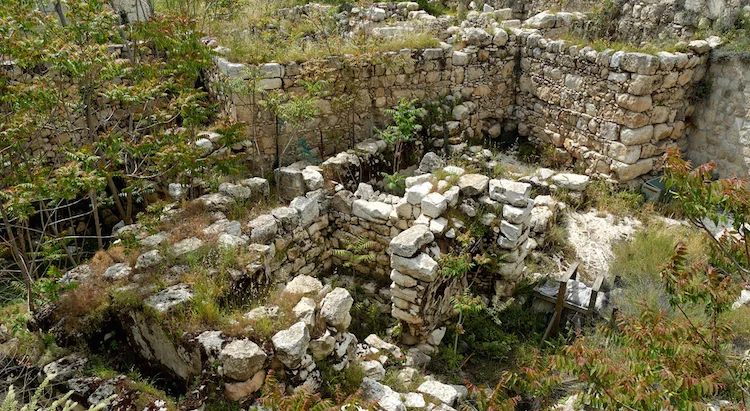
This is a photo of what archaeologists believe is the Water Gate, from where Ezra read from the Law in Nehemiah 8.

Sermon Notes (PDF): BLANK
Hint: Highlight blanks above with your cursor for answers!

  • 00:02-00:05

    Open up your Bibles to the book of Nehemiah in the Old Testament.

    00:06-00:07

    You ready for some Old Testament today?

    00:09-00:10

    I love the Old Testament.

    00:10-00:11

    It has some pretty cool stuff in it.

    00:13-00:22

    When we were in Romania, the seven of us, in the evenings we would try to get together and have a Bible study, you know, a 15-minute Bible study.

    00:23-00:27

    And before we left, I prepared some things on what the Word of God does for me.

    00:28-00:31

    And the Bible has a lot of stuff to say about itself.

    00:32-00:37

    And things like, the Bible makes me wise in Psalm 19.

    00:38-00:43

    In Psalm 119-11, the Word keeps me from sin.

    00:44-00:49

    In the book of Acts, in Acts 20, it talks about how the Word builds us up.

    00:50-00:52

    And I could go on and on.

    00:52-00:53

    There's a whole list.

    00:53-00:54

    I made a list of 20 of them.

    00:56-00:59

    Today I wanted to talk about how the Word of God brings us joy.

    01:00-01:02

    The Word of God brings us joy.

    01:02-01:06

    We're going to see that in Nehemiah 8, verses 1-12.

    01:07-01:09

    We might go a little bit further than that, depending on how much time I have.

    01:10-01:20

    But if you flip to the book of Nehemiah, and I'm going to ask you something that we don't typically do here, but you'll see why we're doing this here in a moment.

    01:20-01:24

    But if you're able to, would you stand for a moment while we read God's Word?

    01:25-01:27

    Nehemiah 8, verse 1.

    01:27-01:32

    "All the people gathered as one man at the square, which was at the front of the water gate.

    01:33-01:38

    And they asked Ezra the scribe to bring the book of the law of Moses, which the Lord had given to Israel.

    01:39-01:47

    Then Ezra the priest brought the law before the assembly of men, women, and all who could listen with understanding on the first day of the seventh month.

    01:49-01:55

    And he read from it from before the square, which is in front of the water gate, from early morning until midday.

    01:56-02:02

    In the presence of men and women, those who could understand, and all the people were attentive to the book of the law.

    02:03-02:07

    And Ezra the scribe stood at a wooden podium, which they had made for the purpose.

    02:08-02:28

    And beside him stood Mattithiah, Shema, Ananiah, Uriah, Hilkiah, Masiah, on his right hand, Pedaiah, Mishael, Malchiah, Hashem, Hashabadena, Zechariah, and Meshalem on his left hand.

    02:29-02:34

    And Ezra opened the book in the sight of the people, for he was standing above all the people.

    02:35-02:37

    And when he opened it, all the people stood up.

    02:38-02:41

    And Ezra blessed the Lord, the great God.

    02:42-02:46

    And the people answered, Amen, Amen, while lifting up their hands.

    02:46-02:50

    And they bowed low and worshipped the Lord with their faces to the ground.

    02:51-03:12

    Also, Jeshua, Bani, Sherabiah, Jamin, Aqab, Shabbathah, Hodiah, Masiah, Kalita, Azariah, and Jehozabod, Hanan, Peliah, and the Levites explained the law to the people while the people remained in their place.

    03:14-03:21

    And they read from the book, from the law of God, translating to give the sense so that they understood the reading.

    03:22-03:23

    Thanks, you can have a seat.

    03:25-03:37

    Before we get into the exposition of this, I guess, it's kind of helpful to have a little bit of history before we get to explaining what happened here with Ezra and reading the Book of the Law.

    03:38-03:44

    I know some of you guys that are in school, maybe it's like, okay, it's Sunday, I don't really need a history lesson right now.

    03:45-03:51

    But history actually will serve you very well later on in life when you study things like the Bible.

    03:52-03:55

    History is very helpful in knowing what's happened here.

    03:56-04:12

    But if you imagine yourself about 700, 700-ish BC, somewhere in that area, and don't quote me on the dates on these, but this was about five to 700 years before Christ.

    04:14-04:15

    You can read this stuff in the book of Daniel.

    04:16-04:40

    Nebuchadnezzar was the king of the Babylonian Empire, and he came in to seize Israel, and he took some of the choice individuals with him, the artisans, the builders, the craftsmen, the philosophers and things like that, writers and scribes and all these people, and they were deported to Babylon.

    04:40-04:48

    And they lived there, away from their people, away from their country, And not everybody went, there were some people that stayed behind.

    04:50-04:55

    And what happened was the temple and the city were destroyed.

    04:56-05:02

    So if you can imagine the temple being destroyed or your place of worship, what happened at the temple?

    05:03-05:14

    The people got to go to the temple and bring their offerings, and they would kill their lambs and their goats and their bulls and different things, and they would offer them as an offering.

    05:14-05:16

    And there were different kinds of offerings.

    05:16-05:17

    There was guilt offerings.

    05:17-05:21

    So there's no place for them now to go and relieve their guilt.

    05:22-05:24

    And they were kind of in shambles.

    05:24-05:26

    These people didn't know what to do.

    05:26-05:28

    You know, they tried their very best.

    05:28-05:32

    You know, the people that were possibly teaching them were gone.

    05:32-05:34

    Their building was gone.

    05:35-05:36

    Everything was a mess.

    05:37-05:41

    And so they lived that way for a long time, generations.

    05:41-05:43

    A couple hundred years they lived that way.

    05:43-06:05

    And so you come to the books of Ezra and Nehemiah, and maybe you already know this or maybe you don't, but books in the Bible aren't necessarily written in chronological order, because we have the book of Daniel telling about Nebuchadnezzar taking these people away, and before that book, we have Ezra and Nehemiah talking about when the people were coming back.

    06:06-06:40

    And so in 586 BC, that was the Babylonian captivity So the people were, the Jewish people were taken away and 24 years after that, the Persian Empire came through. And it wasn't Babylonian Empire anymore, it was the Persian Empire. The events of Ezra and Nehemiah, they take place about a hundred years after the Persian Empire came through. So the Persian Empire, you You know where Baghdad's at, right?

    06:41-06:46

    Baghdad, that was kind of like the central part of the Babylonian Empire.

    06:47-06:50

    It was a big hustle, bustle kind of a city.

    06:51-06:53

    Baghdad is still there today.

    06:54-06:58

    So the events of Ezra and Nehemiah start to take place around 450 BC.

    07:00-07:05

    And in Nehemiah chapter 1, we have a couple of players here, okay?

    07:05-07:09

    We have Ezra. Now Ezra was a scribe.

    07:10-07:13

    He was a priest.

    07:14-07:20

    He was the initiator of all these reforms that were gonna go on in Israel.

    07:21-07:26

    Now reforms, and I'm talking about like, he was very into the study of the word of God.

    07:28-07:33

    He was responsible for reigniting the devotion that people had toward the word of God.

    07:34-07:43

    And in fact, in Ezra 7, it says this, Ezra set his heart to study the law of God, the law of the Lord, and to practice it.

    07:43-07:48

    And it didn't stop there, not only to practice it, but to teach the statutes in Israel.

    07:48-07:57

    So he was not just some guy passing through, he was like really intent on teaching the word to the people around him and practicing it.

    07:58-07:59

    It's one thing to learn it, right?

    08:00-08:01

    But practicing is another thing.

    08:02-08:07

    So he was responsible for this revival of the study of Scripture.

    08:08-08:16

    In fact, Ezra is a guy who a lot of the commentaries I read said he assembled a lot of the Old Testament.

    08:17-08:19

    Some people think he wrote 1 and 2 Chronicles.

    08:20-08:23

    The author of Ezra and Nehemiah was unclear.

    08:23-08:31

    Some people think that Ezra and/or Nehemiah, but certainly Ezra would have possibly put them together.

    08:32-08:33

    He's the one that assembled this stuff.

    08:34-08:39

    And some of the stuff that I read said that Ezra probably wrote Psalm 119.

    08:40-08:44

    If you know anything about Psalm 119, it's all about what?

    08:44-08:45

    The word of God.

    08:46-08:54

    He's talking about the word of God being like, there's 176 verses, and I think 175 of them talk in some way about the word of God.

    08:54-08:58

    It's the statutes, it's the commands, it's the law, it's the word.

    08:59-09:06

    all these different words about the word, and because Ezra was so into the study of the word, doesn't that make sense?

    09:07-09:09

    That he probably wrote Psalm 119.

    09:09-09:16

    And some people say David wrote it, and when I look at this stuff, it makes sense that somebody like Ezra would be responsible for that.

    09:17-09:20

    So we have Ezra, and then we have Nehemiah.

    09:20-09:29

    You'll see in Nehemiah chapter one, if you look at the end of that chapter, Nehemiah was the cupbearer to the king, King Artaxerxes.

    09:30-09:39

    Now, the cupbearer was the dude that would-- if there was a party and they were bringing out wine, they didn't want the king to die.

    09:40-09:47

    You know, if the wine got mixed up and somebody wanted to kill the king, they would give the wine to the cupbearer.

    09:47-09:49

    And he would drink it first to make sure that it was OK.

    09:49-09:52

    And if he didn't kill over, then it was safe to give to the king.

    09:53-10:19

    And so if you were a cupbearer, you a pretty big responsibility. And in fact, Nehemiah, he was so in with the king with this cupbearer job that he became close to the king, friendship-wise. And so the king had this kind of affinity for Nehemiah, and one day there was going to be a party. You know, they got the wine out and everything, and Nehemiah comes in and he's really sad.

    10:20-11:24

    The king is thinking, "I can't have a party with a sad cupbearer. I mean, what's wrong with you man. So Nehemiah says, "Well, you know, I just got word from my brother about all the stuff that's going on in my hometown in Jerusalem. You know, the place is in shambles, the walls are broken down, and that's why I'm sad. And I'd like to go back and see what I can do to help." And so Artaxerxes was, he was sympathetic toward that. There relationship, but some of the stuff that I read said that the people in Persia had tough relationships with the people in Egypt, and what's in between those two areas is Judah and Israel and Jerusalem. And so he thought, "Hey, if I can kind of calm everybody's spirits in that, I can kind of have like a buffer zone there. I can get closer to Egypt, you know, if there's battles that break out or whatever, I have this buffer zone.

    11:25-11:26

    So we want to make them happy.

    11:27-11:28

    And that's just some of the stuff that I read.

    11:28-11:33

    So just a historical background of what's going on with Nehemiah here.

    11:34-11:37

    He gets permission to go there.

    11:38-11:42

    He gets letters written from the king saying, "Hey, you can go there.

    11:42-11:57

    In fact, I'm going to write letters to people to give them, to let them know that you need materials, you need safety on the journey." And so he gets there, and he's got the support from the king, and he gets there and starts to build the wall.

    11:58-12:00

    And there's opposition, of course.

    12:00-12:03

    Anytime somebody is going to do something good, there's always opposition.

    12:04-12:09

    So there was some opposition with the neighborhood people.

    12:09-12:10

    And you can read the book of Nehemiah.

    12:11-12:11

    It's amazing.

    12:11-12:15

    They would build with one hand and have a sword in the other hand.

    12:16-12:19

    And they accomplished the stuff that they needed to accomplish.

    12:19-12:25

    And so that brings us to chapter 8 in Nehemiah.

    12:26-12:27

    And let's just go through this.

    12:29-12:31

    And let's learn a couple of things here.

    12:31-12:32

    I learned so much in here.

    12:33-12:37

    I wish I had time to convey everything that I learned.

    12:37-12:41

    So let's just pray for a quick second, and then we'll get started in our study.

    12:41-12:43

    Lord, thank you so much for your word.

    12:44-12:52

    I thank you, Lord, that you wrote this book for us through however many, 40 men, 40 different men, and you breathed it out.

    12:52-12:57

    The New Testament tells us that the Word of God was inspired by you.

    12:57-12:58

    It was breathed out by you.

    12:58-13:04

    And these men just wrote down in their personalities your thoughts and your desires for us, Lord.

    13:05-13:10

    And I thank you for this guy, Ezra, and this guy, Nehemiah.

    13:10-13:18

    And when I get to heaven, Lord, I can't wait to see them, just their commitment to the study of Scripture and the reforms that they tried to implement.

    13:19-13:29

    And Lord, I just see so many parallels in the things that they did to what we need today in our churches and in our countries and around the world, Lord.

    13:29-13:32

    Just I pray that you'd be honored in the teaching of your word.

    13:33-13:38

    I pray that everything that I say would be accurate, the things that I've learned, Lord, that we might honor you in that, amen.

    13:39-13:45

    Okay, in the first verse here in chapter eight, Ezra, all the people gather together.

    13:45-13:51

    It says, "All the people gathered as one man at the square, which was in front of the water gate.

    13:52-14:00

    And they asked Ezra, the scribe, to bring the book of the law of Moses, which the Lord had given to Israel." And I have a slide that I found.

    14:00-14:05

    There's plenty of archaeological evidences of things in the scripture.

    14:05-14:16

    And this thing right here I found was from some reliable archaeologists who had dug where the wall was in Jerusalem.

    14:16-14:20

    Now, when they built the wall in Jerusalem, there were many gates to the wall.

    14:21-14:28

    There was this, they think that this was the water gate, and there were things like the fountain gate, which was nearby.

    14:29-14:37

    There was the refuse gate, or some translations say the dung gate, and they would use that, of course, to take the garbage out of the, you know, just things like that.

    14:37-14:38

    There was the horse gate.

    14:39-14:40

    You can imagine what the horse gate's for.

    14:41-14:42

    horses in and out, right?

    14:42-14:51

    So there's all these different gates to the city, and this one, they think, was the water gate, spoken of in here in Nehemiah 8.

    14:52-14:55

    Ezra's reading the law, and I looked at that, and I'm thinking, man, this is pretty cool.

    14:55-14:58

    Like, was Ezra standing, like, up on those rocks?

    14:59-15:00

    Is this the very place?

    15:00-15:02

    It's just kind of neat to think about.

    15:03-15:05

    So he's up on this gate.

    15:06-15:10

    One thing here that, I found this this morning.

    15:10-15:11

    This was like a last minute thing.

    15:12-15:22

    The water gate was nearby or even over top of this underground tunnel that was made by Hezekiah.

    15:24-15:38

    King Hezekiah, in the Old Testament, he found that there was this river Gihon, which if you read in, clear back in Genesis, it talks about four rivers, the Tigris, the Euphrates, there's another one, and Gihon.

    15:38-15:47

    Well, Gihon was this river flowing outside of the city, and Hezekiah found that there was some value to this water.

    15:47-15:48

    It was like special water.

    15:48-15:50

    It had minerals in it and stuff like that.

    15:50-15:57

    So he dug this trench under the city, and it irrigated some places.

    15:58-16:11

    Did you ever read in John 9 where the guy comes to Jesus and he's blind, and Jesus puts mud on his eyes, and then he says, "Hey, go wash in the pool of Siloam." And then the guy did that and he could see.

    16:12-16:12

    You remember that story?

    16:14-16:18

    The pool of Siloam was at the end of this trench that Hezekiah made.

    16:19-16:23

    That river went into this pool of Siloam.

    16:24-16:30

    To me, this has some spiritual significance that Ezra would have been at the water gate.

    16:31-16:35

    Like, why wasn't he at the horse gate or one of the other 11 gates or whatever.

    16:36-16:38

    He could have been anywhere, but he was at the water gate.

    16:40-16:43

    And it does mention it in here twice about that.

    16:43-16:46

    And when God mentioned something twice in his word, it must be important.

    16:47-16:57

    I read some commentaries on this, and the water gate was, the water flowing through that had spiritual significance from what I understand.

    16:57-17:05

    When you look in Ezekiel 36, that God will have a new covenant and He's going to sprinkle clean water on you.

    17:06-17:16

    And in Ephesians 5, where He's talking about the washing of the water of the Word, we're washed clean by the Word of God.

    17:17-17:20

    It's the washing of the water of the Word.

    17:20-17:27

    The water here is significant because it's representing what the Holy Spirit does in our lives through the Word of God.

    17:28-17:58

    think it's any mistake that he was in at the Watergate. I just think that stuff's pretty cool. So the people asked Ezra to come and read the law to them. So the first thing on your outline is that the people were interested in the Word of God. That's got to be the first item of progression, I guess, whenever you have a bunch of people getting together to hear the Word of God.

    17:58-18:02

    You know, you guys had some sort of interest in the Word of God today or you wouldn't be here.

    18:03-18:16

    That's kind of the first level of you're coming here to hear God's Word. So there's some level of interest. I know people that they couldn't care less about the Word of God. There's no interest at all.

    18:17-18:18

    They just don't care.

    18:19-18:23

    And you probably know people like that. You maybe work with people like that.

    18:24-18:28

    There's no interest. But these people asked for the law.

    18:29-18:40

    And then Ezra in verse 2, "The priest brought the law before the assembly of men, women, and all who could listen with understanding on the first day of the seventh month." It sounds like everybody came.

    18:40-18:42

    Now, I don't know if this is referring to everybody.

    18:42-18:46

    It said men, women, and the people that could understand.

    18:46-18:52

    Now, does that mean that little kids who could understand, they came too?

    18:52-18:59

    Or does that mean like, hey, every man, woman, and child that has a discerning spirit about the Word of God, they came.

    18:59-19:01

    And some of the other people that couldn't care less didn't.

    19:02-19:05

    I'm not sure, but there was a good crowd there, I imagine.

    19:06-19:16

    These were all the people who were left behind in the captivity, and I think some of the people may have been started to come back.

    19:16-19:22

    When you read through Ezra and Nehemiah, it's kind of confusing because they're building the temple, now they're not building the temple.

    19:22-19:53

    building the temple again, now they're not building the temple again. And some of the people were coming back during that process, so some of those people could have been here, and I could certainly stand to do a little bit more study on that. But just know that there were probably a significant number of people here hearing from the Word of God through Ezra. So in verse 3, he read from it. First thing on your outline, people were interested. He read from it before the square, which was in front of the water gate, from the early until midday.

    19:54-19:55

    That's a long time.

    19:55-19:59

    Early morning, you know, when I look this up, it was daybreak.

    20:00-20:08

    So the sun comes up at 6 o'clock in the morning, and they're reading until lunchtime, about six hours, seven hours maybe.

    20:09-20:19

    I went through the first five books of the Bible, and I didn't actually time myself reading it, but I was looking through some things on the internet.

    20:19-20:23

    It would take you about 12 hours to read through the first five books of the Bible.

    20:23-20:27

    And if you're a slower reader like me, it would probably take you 24 hours.

    20:27-20:27

    I don't know.

    20:28-20:32

    So Ezra didn't, I don't think he read the whole first five books.

    20:33-20:41

    I think there were probably sections of it that he was reading, because it said he read from early morning or daybreak until midday.

    20:42-20:48

    In the presence of these men and these women who could understand and all the people were attentive to the book of the law.

    20:49-20:50

    So that's your second item here.

    20:50-20:52

    the people were attentive to the Word of God.

    20:54-21:02

    It wasn't like they were arms folded, you know, they're sitting back, they're distracted.

    21:04-21:05

    It wasn't like that.

    21:05-21:06

    They were attentive.

    21:07-21:09

    This word "attentive," I looked it up.

    21:09-21:10

    This is a great word.

    21:12-21:23

    The word means "ear." It's the word for "ear." I saw that word in a lot of places in the Old Testament where they were talking about God's ear or somebody else's ear.

    21:24-21:26

    I'm like, that's a weird word here.

    21:27-21:31

    Unless you think about this, they were all ears.

    21:32-21:34

    They weren't slouched back in their chairs.

    21:35-21:40

    They were probably getting on the edge of their seat with their ears perked up.

    21:40-21:41

    They were all ears.

    21:42-21:44

    In fact, we're gonna see, they stood up.

    21:45-21:47

    They couldn't slouch back in their chairs.

    21:47-21:48

    They stood up.

    21:49-21:50

    They were all ears.

    21:51-21:52

    They were listening.

    21:52-21:53

    They were attentive to the book of the law.

    21:55-21:56

    No distractions for them.

    21:56-22:03

    I remember when the kids were little, we always used to sit in the second row of the church.

    22:04-22:05

    The front row nobody sat in.

    22:06-22:07

    I guess it was illegal to sit there.

    22:08-22:09

    I don't know.

    22:09-22:11

    But we always sat in the front row.

    22:12-22:13

    And why did we do that, guys?

    22:15-22:18

    I get distracted when I see other people, when I'm like in an audience.

    22:19-22:22

    Like if I'm sitting way back there and I just get distracted.

    22:23-22:25

    And so it was an intentional thing for us.

    22:25-22:32

    We would sit up front and I would tell them on the way to church, it's like, okay, we're gonna perk our ears up and we're gonna sit up front.

    22:33-22:35

    The only thing they could see was the pastor.

    22:35-22:36

    There was nothing else to look at.

    22:37-22:37

    They were in the front.

    22:39-22:43

    And then a visitor would come in and sit in front of us and I'd be like, what are you doing?

    22:44-22:47

    No, usually nobody ever sat there, but there was no distraction.

    22:48-22:50

    And for these people, they were attentive to the book of the law.

    22:51-22:52

    They pushed away all the distractions.

    22:54-23:02

    And then if you go on here, the people were respectful to the Word of God.

    23:02-23:03

    They were respectful.

    23:03-23:05

    Your next point on your outline.

    23:06-23:11

    Ezra, the scribe, stood at a wooden podium which had been made for the purpose.

    23:12-23:14

    I'm not gonna read these names again, is that okay?

    23:15-23:19

    This wooden podium, they made it for this purpose.

    23:19-23:23

    It wasn't like, "Hey, you got something I can stand by here?

    23:23-23:28

    We're gonna read the Word of God." This was a premeditated, planned act.

    23:29-23:36

    It's like, "Okay, in a week or whatever, or a couple days, we're gonna go to Ezra and we're gonna ask him to read the Book of the Law.

    23:36-23:38

    So let's build this podium.

    23:38-23:43

    We're gonna make this really nice wooden thing for him to stand at because this is a big This is important to us.

    23:43-23:46

    And so this was a premeditated act.

    23:47-23:48

    They built this podium.

    23:49-23:56

    And these guys that were standing there, when I read this, I couldn't help but think of like the congressman or whatever.

    23:56-24:02

    When they have a new law that they want to unleash, you know, they're going to announce this thing on TV.

    24:03-24:04

    And what do they do?

    24:04-24:07

    They just don't come out to the press conference by themselves.

    24:08-24:10

    They bring like this whole posse of people, right?

    24:11-24:15

    There's like 15 people around them, and they come out and they announce some new law.

    24:17-24:20

    It's almost kind of like, I see that happening here.

    24:20-24:27

    These were guys that were committed to the same things that Ezra was committed to, the study of the Word of God.

    24:28-24:34

    And so, I always wondered, why does God put all these names, these lists of names in here?

    24:35-24:38

    Anywhere in the Bible, there's like all these lists of names, and why do you do that, Lord?

    24:39-24:44

    One of the commentaries I read this week, and I don't know if this is right or not, but the guy had a good thought.

    24:45-24:51

    God was so pleased with these men who were on board on the study of the Word of God.

    24:52-25:00

    Not that he wanted to give them credit or anything, but it's like, "Hey, I appreciate what you're doing, and so I'm going to put your name in this list.

    25:01-25:02

    It's going to be in the Bible.

    25:03-25:17

    I want people to know who you are." So Ezra opened the book in verse 5, "in the sight of all the people, for he was standing above all the people, and when he opened it, the people stood up." There's another sign of respect, the people stood up.

    25:18-25:19

    That's why I had you stand a little bit ago.

    25:19-25:21

    We don't need to do that every time, of course.

    25:21-25:30

    But they were so in awe and had this reverent attitude toward God's Word that they stood up.

    25:30-25:37

    Now, it's said that they were studying the Word of God from daybreak until lunchtime.

    25:38-25:39

    They stood the whole time.

    25:40-25:42

    That's pretty serious stuff.

    25:43-25:46

    That's amazing that they would stand up.

    25:47-25:58

    Then Ezra blessed the Lord God, the Lord and great God, and all the people answered, "Amen." They lift up their hands and they bowed and worshiped the Lord with their faces to the ground.

    26:00-26:06

    They're bowing, they're worshiping, They've got their faces to the ground in respect to the word of God.

    26:07-26:07

    This was their response.

    26:09-26:14

    They're in these shambles and now they've got to hear the word of God and so they're bowing, they're being respectful to the Lord.

    26:16-26:19

    And then in verse eight, the people understood the word of God.

    26:21-26:23

    Next on your outline, they understood the word of God.

    26:25-26:36

    Understanding the word of God, it said they read, you have in verse seven, the end of verse seven, the people and the Levites explained the law to the people while the people remained in their place.

    26:36-26:43

    And when they read from the book of the law of God, translating, they translated, giving the sense that they understood the reading.

    26:43-26:44

    A couple of things here.

    26:44-26:46

    This is a different list of names.

    26:48-26:56

    And I'm not sure of the timing of everything, but it appears to me that these guys weren't doing this at the same time that Ezra was reading.

    26:57-27:02

    It was probably after they finished reading the book of the law.

    27:02-27:06

    And then these guys, it said the people remained in their place.

    27:08-27:10

    I think that means that they didn't go home.

    27:10-27:11

    They stayed there.

    27:12-27:13

    It looks like they got into little groups.

    27:13-27:15

    Is this like a small group thing?

    27:16-27:19

    Seriously, like it sounds like small groups to me.

    27:19-27:25

    They got together and started explaining the law in their groups, these guys.

    27:26-27:27

    These must have been the leaders, small group leaders.

    27:29-27:31

    And they explained the word of God.

    27:32-27:45

    Now, explaining and translating to give the sense that they could understand, this is a breaking down methodical approach to learn what the text says.

    27:45-27:48

    And that's what we do here at Harvest Bible Chapel.

    27:49-27:58

    Jeff is committed to that, I'm committed to that, the leadership is committed to breaking down scripture so that we can understand what it says.

    27:59-28:04

    I'll give you an example of maybe somehow, like how I do it sometimes.

    28:05-28:10

    A couple weeks ago, we sang that song about mounting up with wings like eagles.

    28:11-28:16

    And in the book of Psalms in 103, it talks about you renew my youth like an eagle.

    28:17-28:21

    Okay, now those two phrases to me always were like, that's just weird.

    28:22-28:36

    like mounting up wings like eagles, or I just thought it was like this majestic thing flying in the sky, and that is true, but I thought, you know what, I'm gonna study about eagles.

    28:36-28:39

    So I read a bunch of stuff about eagles a couple weeks ago.

    28:40-28:42

    I learned some amazing things.

    28:42-28:44

    And this is what you guys could do.

    28:44-28:48

    It's like, hey, I don't understand this, renew my youth like an eagle.

    28:49-29:03

    And so I looked up things about eagles, and I read about them, and in that passage in Isaiah, where it talks about mounting up wings like eagles, I read that eagles can carry two times their body weight.

    29:05-29:15

    So if you think about an eagle flying in the sky, carrying this load that he's not meant to carry, that's us sometimes, right?

    29:17-29:24

    Because of Christ living in us, We can carry loads that the average person can't carry.

    29:24-29:34

    Now, we aren't meant to carry those loads, but with Christ's help and him working in our life, we mount up with wings like eagles and we can soar.

    29:35-29:47

    When I looked up the thing about the other verse, renew my youth like an eagle, eagles, they're beaks, when they grow up, they keep growing, they don't stop growing.

    29:48-29:55

    So when they're young, they go and they swoop down and they can capture their prey, whether it's a fish in the water or a bunny or something.

    29:56-29:59

    They're swooping down, they grab that thing, and off they go.

    30:00-30:00

    And they have lunch.

    30:01-30:08

    Well, as they grow older and their beaks grow down, they can't capture their prey as efficiently.

    30:09-30:10

    Well, now they're not eating as much.

    30:11-30:20

    They're starting to pick at different things and dead things, and their nutrition level goes down and they start to get weak, eagles get weak in their old age.

    30:20-30:20

    And so you know what they do?

    30:22-30:27

    Augustine, clear back in like whenever he lived, the first century or something like the second, I don't know when he lived.

    30:28-30:32

    He either observed this or he wrote it from somebody else's observation.

    30:33-30:43

    Eagles will go over to a rock with their big beak down there and they'll smash their beak off of that rock until that thing breaks off.

    30:44-30:45

    and now they're able to get their prey.

    30:46-30:50

    They're able to eat again and renew their strength, just like when they were young.

    30:51-30:54

    You renew my youth like an eagle.

    30:55-30:58

    See, I don't think God puts things in the Bible just because they sound pretty.

    30:59-31:01

    He puts stuff in the Bible because they're practical.

    31:01-31:03

    It's like, that's just cool stuff to me.

    31:03-31:04

    And so you guys can do that.

    31:05-31:07

    You get to a passage, you don't understand it.

    31:07-31:09

    It's like, let me look this thing up.

    31:10-31:11

    What's a water gate?

    31:11-31:13

    What's the significance of a water gate?

    31:14-31:14

    Go look up Watergate.

    31:16-31:19

    Like, not the Watergate in the '70s, but...

    31:19-31:20

    So the people understood the Word of God.

    31:20-31:24

    It was this breaking down methodical, step-by-step instructions.

    31:24-31:27

    In fact, I brought with me something.

    31:28-31:29

    You know what that is?

    31:30-31:36

    This is the Empire State Building, and it's made out of an erector set.

    31:37-31:39

    I think every kid has to have an erector set.

    31:39-31:40

    Jesse, do you remember when we built this?

    31:42-31:44

    I had the most fun time building this with my son.

    31:44-31:48

    We got this probably five or six years ago, and it's still mostly put together.

    31:49-31:50

    There's a piece off the top.

    31:52-31:55

    When this thing came into box, there was like five million pieces.

    31:57-32:03

    So for me to build that thing, I needed to have step-by-step instructions, which I still have.

    32:03-32:05

    I can't believe I still have this.

    32:05-32:07

    And one of the pages is right there.

    32:08-32:13

    you can see there's millions of pieces and you have to follow it step by step.

    32:13-32:16

    You can't start on page 24.

    32:16-32:22

    You got to start right here and go step by step by step.

    32:23-32:24

    And that's what these people did here.

    32:26-32:33

    They went through the word of God step by step and the people were like, the lights came on and people are like, we understand.

    32:33-32:35

    we're starting to understand the Word of God.

    32:36-32:38

    And this was Ezra's whole thing.

    32:38-32:39

    He wanted people to understand.

    32:40-32:42

    He wanted people to get it.

    32:42-32:47

    And so, step-by-step instruction from the Word of God.

    32:48-32:52

    A proper understanding of the Word of God leads to a couple things here.

    32:53-32:56

    We're gonna see this in the next couple of verses.

    32:56-33:07

    Nehemiah in verse nine, who was the governor, and Ezra the priest and scribe and the Levites, who taught the people, said to the people, "This day is holy for the Lord your God.

    33:08-33:20

    Do not weep or mourn, for the people were weeping when they heard the words of the law." So their first response was, they just collapsed in weeping and mourning.

    33:22-33:28

    And if you understand the word of God, it leads to a conviction of sin.

    33:29-33:30

    Write that down on your outline.

    33:31-33:34

    In verse 9, these people were convicted of their sin.

    33:38-33:40

    Now, what would have convicted them?

    33:41-33:48

    And I thought, you know, there's some passages in that book of the law that would hopefully convict us.

    33:49-33:51

    Did Ezra read Genesis chapter 3?

    33:53-34:04

    Genesis chapter 3 is a horrible chapter in the Bible, Because in Genesis chapter 3, that's when this whole thing of sin infected humanity.

    34:05-34:08

    Divorce has its roots in Genesis chapter 3.

    34:09-34:13

    Sexual abuse has its roots in Genesis chapter 3.

    34:15-34:21

    Pain and heartbreak, disease and suffering, it all has its roots in Genesis chapter 3.

    34:22-34:25

    When I read Genesis chapter 3, I want to cry.

    34:26-34:31

    I know what happens in Genesis 3, we've read it time and time again.

    34:32-34:37

    And every time I hate, I don't want to say that I hate a chapter in the Word of God, but I hate to go through there.

    34:38-34:46

    I hate to go through there because that's the root of all of our problems, where mankind fell into sin.

    34:47-34:52

    So did Ezra read that and the people were really convicted about their fallen condition?

    34:53-34:53

    Maybe he did.

    34:54-34:57

    Did he read Exodus chapter 20, the 10 commandments?

    34:57-35:05

    You know, maybe they got to thou shalt not commit adultery, or thou shalt not steal, or you go through the whole list.

    35:06-35:08

    Were they convicted of that?

    35:09-35:11

    Oh my goodness, I'm an adulterer?

    35:12-35:13

    I'm a thief?

    35:14-35:15

    I'm a murderer?

    35:17-35:18

    Maybe they wept over that.

    35:20-35:21

    What about Leviticus?

    35:21-35:28

    In Leviticus chapter 20, it says, "Be holy and keep my statutes." And people are thinking, "Keep your statutes?

    35:28-35:33

    I don't even know what they are." In Numbers, how about Numbers?

    35:33-35:34

    Did he read Numbers 15?

    35:36-35:40

    A defiant attitude is blasphemy to God.

    35:41-35:45

    Who hasn't had a defiant attitude at some point in time?

    35:46-35:49

    Did they see themselves as being defiant and they wept over that?

    35:50-35:50

    That's possible.

    35:51-36:01

    In Deuteronomy 11, it talks about serving other gods and it kindles the wrath or the anger of the Lord.

    36:02-36:10

    And maybe these people in their disarray had thought, you know what, this place is a mess, I'm gonna worship something else.

    36:11-36:12

    And that happened.

    36:13-36:15

    Did they hear these verses and it caused them to weep and mourn?

    36:16-36:21

    Conviction of sin, the word of God should convict us of sin.

    36:22-36:36

    In fact, in Hebrews 4, Hebrews 4.12, it talks about the word of God being like a two-edged sword, and it's able to cut you clear to the joints and marrow, judging the intentions and thoughts.

    36:37-36:42

    It's just not the things that you do, things that you say, it's the things you think about too.

    36:42-36:47

    God's word judges that, should bring conviction of sin.

    36:48-36:50

    And so we mourn over that.

    36:53-36:58

    But I believe it's in 1 Corinthians where it talks about godly sorrow and worldly sorrow.

    36:59-37:07

    You know, am I mourning over my sin because I got caught or is it because I hurt God?

    37:08-37:19

    You know, I think these people were seeing, it's like, "Oh, my goodness, I'm fallen and I need the Lord." Charles Spurgeon had a quote that I really like.

    37:20-37:26

    He said that when we sin, we bruise too lightly and we heal too quickly.

    37:27-37:30

    You know, when we sin, there ought to be a mourning period.

    37:30-37:32

    Like, I hurt God.

    37:32-37:33

    He died for me.

    37:34-37:37

    Jesus died for me and I sinned and I hurt him.

    37:37-37:41

    There should be a season of mourning.

    37:41-37:48

    But in this passage, you'll see that Nehemiah And the Levites said, "Hang on a second.

    37:49-37:54

    Mourning is, we're going to do that, but right now we're in the middle of a festival, okay?

    37:55-37:57

    We're supposed to be enjoying this festival right now.

    37:57-38:00

    So there's gonna be time for that." And that's why he tells them, "Don't be grieved.

    38:01-38:11

    The joy of the Lord is your strength." You know, and Pastor Jeff is going through Acts talking about the power to be witnesses, right?

    38:13-38:15

    Well, where do we get that power from?

    38:16-38:17

    It's from the Lord.

    38:18-38:20

    The joy of the Lord is your strength.

    38:20-38:26

    When we talk about conviction, what kind of things do you think would hinder us being convicted?

    38:26-38:28

    I think it's pretty simple.

    38:29-38:33

    People aren't convicted of their sin often because they're spiritually blind.

    38:34-38:37

    We need the Holy Spirit to open our eyes to be convicted.

    38:38-38:49

    You can read these passages that I referenced about sin and about blaspheming God, and you can go out and have a good time and have a party or something.

    38:49-38:52

    You know, it's like, you're not convicted of that.

    38:52-38:54

    We need the Holy Spirit to open our eyes.

    38:55-38:57

    And related to that would be hardness of heart.

    38:58-39:03

    You know, it's just like, okay, I read it and I see what God wants me to do here, but I'm not ready to do that.

    39:04-39:05

    I'm not willing to do that.

    39:06-39:09

    When we read scripture, I think we ought to ask these kinds of questions.

    39:10-39:14

    How am I expected to respond to this passage?

    39:15-39:16

    I'm reading something.

    39:16-39:18

    How am I supposed to respond?

    39:19-39:21

    And am I willing to do it?

    39:22-39:23

    I know how to respond.

    39:24-39:25

    Am I willing?

    39:25-39:26

    Am I going to do it?

    39:27-39:31

    Another hindrance to conviction, I think, would be continuing in sin when you know what's right.

    39:32-39:33

    It's like, yeah, I know what's right.

    39:33-39:34

    I see what I'm doing here.

    39:34-39:34

    I'm going to continue.

    39:35-39:35

    I'm just going to do it.

    39:37-39:38

    Fornication is wrong.

    39:38-39:39

    I'm just going to keep doing it.

    39:39-39:43

    I don't care. Do you think God's gonna convict you on that stuff?

    39:44-39:54

    He may bring circumstances into your life, but if you want to be convicted of your sin, stop doing the things that you know are sin, and you'll see how wretched that the sin really is.

    39:55-40:00

    But the time for weeping here and the time for grieving was later.

    40:00-40:07

    The time for weeping, if you read chapter 9, you'll see the people confessing their sin.

    40:08-40:14

    The other thing that the proper understanding of Scripture does for us is it causes a celebration of salvation.

    40:16-40:36

    And you'll see, he says, "Don't be grieved." In verse 12, "All the people went away to eat, to drink, and send portions of them to celebrate a great festival, because they understood the words that had been made known to them." And then in the next section, it talks about the Feast of Tabernacles.

    40:37-40:42

    And this, to me, this was like, this was an amazing thing to study about.

    40:42-40:45

    I don't know if you've, it was also called the Feast of Booths.

    40:46-41:10

    And what happened was in Leviticus and Deuteronomy, and I'm sorry I don't have the references there, the Israelites were instructed to, once a year in harvest season, they were supposed to get out of their houses and build these little thatch kind of tabernacles, like little huts.

    41:10-41:16

    They're like four feet wide by four feet long, and they had a thatch roof so that they could sort of see the stars.

    41:17-41:19

    And they were supposed to come out of their house and have their meals in there.

    41:20-41:22

    And what it was was a reminder to them.

    41:23-41:25

    Well, it was twofold.

    41:25-41:37

    Actually, it was manyfold, but I'll share a couple of things that this feast was supposed to accomplish. One was their culture was primarily an agrarian culture.

    41:37-43:02

    They just grew, a lot of people just grew crops. And when you grow crops, when do you get them? You get them in harvest season. You're not usually getting crops throughout the year. Maybe some plants do that, but in this particular case, they were going through their harvest season. And at the end of the harvest season when they pulled in all their stuff and realized God provided for me for my income for the whole year. So we're gonna have a big celebration. So it'd be like when we go get our Christmas tree. You know, we're gonna get our Christmas tree pretty soon. That's one of my favorite days of the year, by the way. I love going to get a Christmas tree. We get one that's like 11 feet tall or something like that. We look like the Griswolds with the tree on the top the van. It's hilarious, but it's like my favorite, one of my favorite days of the year. Now, they make all their money in like, what, six weeks? They're not selling Christmas trees in June, I don't think. I don't know if anybody that's going up there in June to get a Christmas tree. So, it was sort of like that. Or like, we went to an Apple Fest over in Newcastle at Apple Castle in, when was that, last month? And there was this huge festival going on. And what did they have there?

    43:02-43:08

    They had pumpkins, they had apples, they had all this stuff that was fall stuff.

    43:09-43:24

    Things that would be ripe in the fall. You know, Apple Castle, they're not selling pumpkins in February. I mean, I don't even know if they're open then. And we have some acquaintances that have an orchard up in Harrisville.

    43:25-45:11

    It's the same thing. They're only open for two months out of the year. Well, this was what was going on, not to belabor that point. These people had all this bounty that God had given them over all, you know, the whole year. They were supposed to celebrate that, get together, have fun, rejoice, have all this celebration. Well, the people had forgotten about that. It says in here in verse 17, "The sons of Israel had indeed not done this from the days of Joshua." So for however many years from Joshua until now, they weren't celebrating this bounty from God. Upon the reading of the law, they had this newfound discovery of joy. It's like we're supposed to be rejoicing, and it was because they read the law. You see that? Their response was a celebration of joy. And so the other thing that happened in this, the Feast of Tabernacles, was it was a reminder, and this is where the celebration of salvation comes in. What happened to the Israelites? Remember, they had to cross the Red Sea and God delivered them. He delivered them and they lived in movable houses. They had to keep moving. For 40 years they would move from place to place to place, wandering around. And so when they did this celebration, it was a reminder of how they lived when God brought them out of Egypt. It was a delivery. In fact, that's what deliverance is, it's salvation.

    45:12-45:31

    They were saved from Pharaoh and his army. You know, Pharaoh and his army were drowned in the sea. They were delivered from that. And so this was a reminder of that. And when Ezra read the book of the law and Nehemiah started talking and he said, "Hey, we need to reinstitute these celebrations.

    45:32-45:43

    We're gonna confess our sin and we're convicted of our sin, but now that we understand what God's word says, we need to celebrate, we need to celebrate.

    45:45-45:47

    So don't miss the main point of this.

    45:48-45:56

    The joy that they experienced here in this passage was the outcome of hearing and studying the scriptures.

    45:57-46:07

    And so, as we get toward the end of our lesson here today, what are some reasons that people don't study the Scripture?

    46:08-46:09

    And I had a couple.

    46:09-46:11

    There's a whole bunch of different reasons.

    46:11-46:16

    But some people might say something like this, "I really don't need it.

    46:17-46:31

    I don't need what's in that book." And I would just say, "That person needs to examine themselves." We are deceived by the enemy if we think we don't need the scriptures.

    46:33-46:36

    Here's another one. I don't know how. I don't know how to study the scripture.

    46:37-46:48

    And that's a legitimate one. I meet lots of people, it's like, "How do you, you know, when you're looking up this, how do you study?" Everybody has a different way to study. I don't know that there's a right way to do it.

    46:49-46:51

    But there's lots of resources to help you.

    46:51-46:54

    I use commentaries a lot, reliable commentaries.

    46:54-46:59

    a lot of junk out there, but there are people who are willing to show you.

    47:00-47:16

    Pastor Jeff, any of the elders here, anybody who is committed to the study of Scripture in this church is willing to show you how to study. That's what we're supposed to do here, right? We're to make disciples. If somebody doesn't know how to study and this guy knows how to study, those two guys got to get together.

    47:17-47:26

    Okay, I don't understand it. I don't understand what the Scripture is saying, So how can I, why should I study? Again, get help. Ask somebody.

    47:27-47:51

    Here's one. I'm not disciplined. I'm not disciplined. That's a lie, because I can prove to you that you're disciplined. I think when you got up this morning, that in itself was a discipline, right? You get up for work, you get up for school, that's a discipline. Probably ate breakfast, you're going to eat lunch, Probably going to eat supper. That's a discipline.

    47:52-47:56

    You have to make it. You have to plan it. You have to get groceries.

    47:56-48:01

    That's all discipline. You go to work. There are tons of things.

    48:01-48:03

    Do you take showers? I mean, that's a discipline.

    48:04-48:07

    Brushing your teeth. Combing your hair. Whatever.

    48:07-48:11

    You see what I'm saying? It takes discipline to study the Bible.

    48:11-48:14

    It takes time. It can be difficult.

    48:15-48:46

    You can be disciplined because you're disciplined in every other area of your life. Here's one, I don't have time. And I've heard Jeff say this on numerous occasions, you have time for what you want to have time for. We need to make time for scripture reading, for study. Now I understand the person, it may be the single mom, or you know moms that have kids, little kids and stuff, it's it's really hard to get your scripture time in.

    48:46-48:50

    And so I'm gonna ask help from the dads or help from siblings.

    48:51-48:58

    It's like when you see your wife or your mom not getting their scripture time in, do something to help with that.

    48:59-49:01

    Free her up and let her study.

    49:02-49:08

    You know, guys, I don't know if you guys, my two boys, you know, when you fold the laundry, do you realize what that does for mom?

    49:09-49:11

    That frees her up to do other things.

    49:11-49:21

    When you help with the dishes or help with whatever it is that she needs help with, do it so that it'll free her up to read the Scriptures.

    49:23-49:24

    So I don't have time.

    49:25-49:28

    We need to make time and we need to help each other to have time for that.

    49:29-49:32

    You know, there's other, you know, it's boring, it's overwhelming.

    49:33-49:39

    I could go through a whole list of excuses, but here's an equation that I want you to think about.

    49:39-49:44

    No Bible study plus excuses equals no Bible study.

    49:45-49:54

    I'm not an accountant, I'm not a mathematician, but if you don't study your Bible and you have a million excuses, you're not studying your Bible.

    49:56-50:06

    Back to the thing with joy here, about Scripture producing joy in the hearts of people who read and are attentive to it and understand.

    50:07-50:13

    If you're trying to obtain true joy without substantial time in the Word, you know what that's like?

    50:15-50:21

    It's like trying to win a marathon in the Sahara Desert with no water.

    50:22-50:27

    It would be like me trying to build this Empire State Building without the instructions.

    50:27-50:35

    I mean, you can't get true joy, I don't believe, without spending substantial time in God's Word.

    50:37-50:38

    So here's the question.

    50:39-50:50

    Do we want true joy bad enough that we're willing to radically change our lifestyles and consume the word of God like we never have before?

    50:50-50:51

    Are we willing to do that?

    50:51-50:51

    Are we willing?

    50:52-51:06

    When we were in Romania, they gave us some shirts and it says this, it says, "Harvest metanoia." Okay, now that's not a Romanian word, metanoia.

    51:07-51:16

    That's actually a Greek word, and it means a change of thinking that results in a change of your behavior.

    51:17-51:18

    It's what we call repentance.

    51:19-51:24

    When I talk to the Romanian people, they say this means harvest, I am changing.

    51:26-51:33

    If we're not spending significant time in the Scriptures, are we willing to do what we need to do?

    51:34-51:35

    Are we willing to say, "I am changing?

    51:36-51:37

    I am going for that.

    51:38-51:42

    Do we really want joy bad enough that we're willing to forsake the trivial things in our lives?

    51:44-51:46

    I've got a ton of trivial things in my life that I could probably get rid of.

    51:48-51:54

    I think if we think through all the things that we do and engage in, there are some things there that are trivial.

    51:55-52:03

    Can we get rid of that thing that takes a half an hour or this thing that takes 10 minutes and dedicate that time to the reading of Scripture?

    52:04-52:05

    I think there's something.

    52:06-52:09

    If you go through budgets and things like that, people are always slashing things out.

    52:10-52:19

    We need to go through our lives and maybe scratch some things and take that and dedicate it toward our study of the eternal word of God.

    52:21-52:22

    Are we content?

    52:23-52:35

    Are we content with letting somebody else study and let them tell us what they learned and forfeit the joy that we could have experienced.

    52:36-52:41

    A.W. Tozer talks about that in a book that you guys are doing in small group.

    52:41-52:43

    We're gonna let somebody else do our study for us?

    52:44-52:48

    You're just gonna sit back and let Jeff study for you?

    52:48-52:50

    You can do it.

    52:50-52:51

    You can study.

    52:52-52:53

    You can spend time in the scripture.

    52:53-53:02

    You can have a revival in your heart and in your family like these people did in Nehemiah if you'll just spend significant time in a scripture?

    53:04-53:09

    Church, I think we know what the answers to these rhetorical questions are.

    53:09-53:10

    We know the answer.

    53:11-53:12

    Are we willing to act?

    53:12-53:15

    Are we willing to spend time in God's Word?

    53:15-53:15

    Let's pray.

    53:17-53:19

    Heavenly Father, I thank you for your scriptures.

    53:20-53:24

    I thank you for the things that you've revealed to us.

    53:24-53:27

    You've revealed to us a lot of things in your scriptures.

    53:28-53:28

    Some things are tough.

    53:29-53:31

    some things are very clear.

    53:32-53:34

    Lord, we just need to be obedient.

    53:34-53:46

    Lord, when we see these people with all this joy and celebration of their salvation and how you've worked in their lives, I just pray, God, that that would be us.

    53:46-53:54

    That we would just see the importance of Scripture in our lives and that we would be washed with the water of the Word.

    53:55-54:01

    That we would honor you and our families as we have a renewed commitment to studying Your Word.

    54:02-54:17

    Lord, I pray that we would not lay an unnecessary burden of guilt on ourselves, that we didn't maybe quite get in our reading in the morning, that we didn't maybe read in the afternoon.

    54:17-54:21

    But God, we want to give You the best part of our day, whatever that is.

    54:21-54:27

    So Lord, we're done with guilt, and we're done with the shame of neglecting Your Word.

    54:27-54:39

    And Lord, we want to be people who study, who are obedient, and people who rejoice because of what we've learned in your scripture.

    54:39-54:43

    Pray these things in the precious name and the strong name of Jesus, amen.

Small Group Questions (Whole Group):
Read Nehemiah 8:1-12

  1. When you come to a passage of scripture that is dry or tedious (genealogies, measurements of the temple, etc), what can you do to maintain interest and focus?
     

  2. When someone is explaining the Word to you (preaching, commentaries, etc), how do you know if what they are saying is right and true?
     

  3. Does weeping and mourning over your sin increase or decrease your capacity to experience true joy? Why? Or how so?


Breakout Questions:

Pray for one another!