
Hearing and understanding the Word of God leads to genuine JOY!
The Progression of the Involvement of the Hearers:
The people were INTERESTED in the Word of God. (Neh 8:1)
The people were ATTENTIVE to the Word of God. (Neh 8:2-3)
The people were RESPECTFUL towards the Word of God. (Neh 8:4-6)
The people UNDERSTOOD the Word of God. (Neh 8:7-8)
A proper understanding of the Word of God leads to:
- CONVICTION of SIN. (Neh 8:9)
- CELEBRATION of SALVATION. (Neh 8:10-12)

Mark Ort - HBCPN Elder
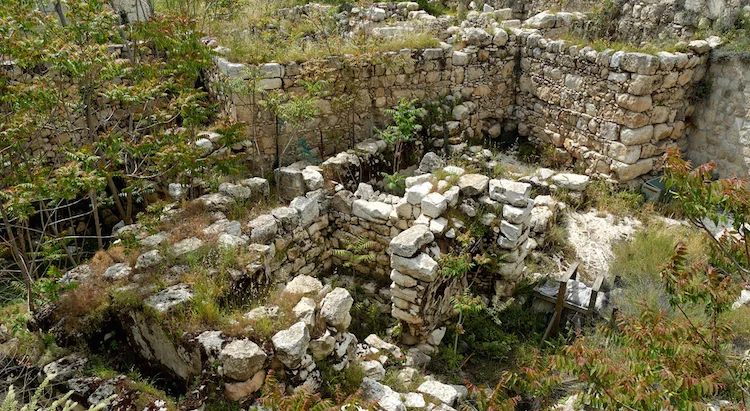
This is a photo of what archaeologists believe is the Water Gate, from where Ezra read from the Law in Nehemiah 8.
Sermon Notes (PDF): BLANK
Hint: Highlight blanks above with your cursor for answers!
-
00:02-00:05
Open up your Bibles to the book of Nehemiah in the Old Testament.
00:06-00:07
You ready for some Old Testament today?
00:09-00:10
I love the Old Testament.
00:10-00:11
It has some pretty cool stuff in it.
00:13-00:22
When we were in Romania, the seven of us, in the evenings we would try to get together and have a Bible study, you know, a 15-minute Bible study.
00:23-00:27
And before we left, I prepared some things on what the Word of God does for me.
00:28-00:31
And the Bible has a lot of stuff to say about itself.
00:32-00:37
And things like, the Bible makes me wise in Psalm 19.
00:38-00:43
In Psalm 119-11, the Word keeps me from sin.
00:44-00:49
In the book of Acts, in Acts 20, it talks about how the Word builds us up.
00:50-00:52
And I could go on and on.
00:52-00:53
There's a whole list.
00:53-00:54
I made a list of 20 of them.
00:56-00:59
Today I wanted to talk about how the Word of God brings us joy.
01:00-01:02
The Word of God brings us joy.
01:02-01:06
We're going to see that in Nehemiah 8, verses 1-12.
01:07-01:09
We might go a little bit further than that, depending on how much time I have.
01:10-01:20
But if you flip to the book of Nehemiah, and I'm going to ask you something that we don't typically do here, but you'll see why we're doing this here in a moment.
01:20-01:24
But if you're able to, would you stand for a moment while we read God's Word?
01:25-01:27
Nehemiah 8, verse 1.
01:27-01:32
"All the people gathered as one man at the square, which was at the front of the water gate.
01:33-01:38
And they asked Ezra the scribe to bring the book of the law of Moses, which the Lord had given to Israel.
01:39-01:47
Then Ezra the priest brought the law before the assembly of men, women, and all who could listen with understanding on the first day of the seventh month.
01:49-01:55
And he read from it from before the square, which is in front of the water gate, from early morning until midday.
01:56-02:02
In the presence of men and women, those who could understand, and all the people were attentive to the book of the law.
02:03-02:07
And Ezra the scribe stood at a wooden podium, which they had made for the purpose.
02:08-02:28
And beside him stood Mattithiah, Shema, Ananiah, Uriah, Hilkiah, Masiah, on his right hand, Pedaiah, Mishael, Malchiah, Hashem, Hashabadena, Zechariah, and Meshalem on his left hand.
02:29-02:34
And Ezra opened the book in the sight of the people, for he was standing above all the people.
02:35-02:37
And when he opened it, all the people stood up.
02:38-02:41
And Ezra blessed the Lord, the great God.
02:42-02:46
And the people answered, Amen, Amen, while lifting up their hands.
02:46-02:50
And they bowed low and worshipped the Lord with their faces to the ground.
02:51-03:12
Also, Jeshua, Bani, Sherabiah, Jamin, Aqab, Shabbathah, Hodiah, Masiah, Kalita, Azariah, and Jehozabod, Hanan, Peliah, and the Levites explained the law to the people while the people remained in their place.
03:14-03:21
And they read from the book, from the law of God, translating to give the sense so that they understood the reading.
03:22-03:23
Thanks, you can have a seat.
03:25-03:37
Before we get into the exposition of this, I guess, it's kind of helpful to have a little bit of history before we get to explaining what happened here with Ezra and reading the Book of the Law.
03:38-03:44
I know some of you guys that are in school, maybe it's like, okay, it's Sunday, I don't really need a history lesson right now.
03:45-03:51
But history actually will serve you very well later on in life when you study things like the Bible.
03:52-03:55
History is very helpful in knowing what's happened here.
03:56-04:12
But if you imagine yourself about 700, 700-ish BC, somewhere in that area, and don't quote me on the dates on these, but this was about five to 700 years before Christ.
04:14-04:15
You can read this stuff in the book of Daniel.
04:16-04:40
Nebuchadnezzar was the king of the Babylonian Empire, and he came in to seize Israel, and he took some of the choice individuals with him, the artisans, the builders, the craftsmen, the philosophers and things like that, writers and scribes and all these people, and they were deported to Babylon.
04:40-04:48
And they lived there, away from their people, away from their country, And not everybody went, there were some people that stayed behind.
04:50-04:55
And what happened was the temple and the city were destroyed.
04:56-05:02
So if you can imagine the temple being destroyed or your place of worship, what happened at the temple?
05:03-05:14
The people got to go to the temple and bring their offerings, and they would kill their lambs and their goats and their bulls and different things, and they would offer them as an offering.
05:14-05:16
And there were different kinds of offerings.
05:16-05:17
There was guilt offerings.
05:17-05:21
So there's no place for them now to go and relieve their guilt.
05:22-05:24
And they were kind of in shambles.
05:24-05:26
These people didn't know what to do.
05:26-05:28
You know, they tried their very best.
05:28-05:32
You know, the people that were possibly teaching them were gone.
05:32-05:34
Their building was gone.
05:35-05:36
Everything was a mess.
05:37-05:41
And so they lived that way for a long time, generations.
05:41-05:43
A couple hundred years they lived that way.
05:43-06:05
And so you come to the books of Ezra and Nehemiah, and maybe you already know this or maybe you don't, but books in the Bible aren't necessarily written in chronological order, because we have the book of Daniel telling about Nebuchadnezzar taking these people away, and before that book, we have Ezra and Nehemiah talking about when the people were coming back.
06:06-06:40
And so in 586 BC, that was the Babylonian captivity So the people were, the Jewish people were taken away and 24 years after that, the Persian Empire came through. And it wasn't Babylonian Empire anymore, it was the Persian Empire. The events of Ezra and Nehemiah, they take place about a hundred years after the Persian Empire came through. So the Persian Empire, you You know where Baghdad's at, right?
06:41-06:46
Baghdad, that was kind of like the central part of the Babylonian Empire.
06:47-06:50
It was a big hustle, bustle kind of a city.
06:51-06:53
Baghdad is still there today.
06:54-06:58
So the events of Ezra and Nehemiah start to take place around 450 BC.
07:00-07:05
And in Nehemiah chapter 1, we have a couple of players here, okay?
07:05-07:09
We have Ezra. Now Ezra was a scribe.
07:10-07:13
He was a priest.
07:14-07:20
He was the initiator of all these reforms that were gonna go on in Israel.
07:21-07:26
Now reforms, and I'm talking about like, he was very into the study of the word of God.
07:28-07:33
He was responsible for reigniting the devotion that people had toward the word of God.
07:34-07:43
And in fact, in Ezra 7, it says this, Ezra set his heart to study the law of God, the law of the Lord, and to practice it.
07:43-07:48
And it didn't stop there, not only to practice it, but to teach the statutes in Israel.
07:48-07:57
So he was not just some guy passing through, he was like really intent on teaching the word to the people around him and practicing it.
07:58-07:59
It's one thing to learn it, right?
08:00-08:01
But practicing is another thing.
08:02-08:07
So he was responsible for this revival of the study of Scripture.
08:08-08:16
In fact, Ezra is a guy who a lot of the commentaries I read said he assembled a lot of the Old Testament.
08:17-08:19
Some people think he wrote 1 and 2 Chronicles.
08:20-08:23
The author of Ezra and Nehemiah was unclear.
08:23-08:31
Some people think that Ezra and/or Nehemiah, but certainly Ezra would have possibly put them together.
08:32-08:33
He's the one that assembled this stuff.
08:34-08:39
And some of the stuff that I read said that Ezra probably wrote Psalm 119.
08:40-08:44
If you know anything about Psalm 119, it's all about what?
08:44-08:45
The word of God.
08:46-08:54
He's talking about the word of God being like, there's 176 verses, and I think 175 of them talk in some way about the word of God.
08:54-08:58
It's the statutes, it's the commands, it's the law, it's the word.
08:59-09:06
all these different words about the word, and because Ezra was so into the study of the word, doesn't that make sense?
09:07-09:09
That he probably wrote Psalm 119.
09:09-09:16
And some people say David wrote it, and when I look at this stuff, it makes sense that somebody like Ezra would be responsible for that.
09:17-09:20
So we have Ezra, and then we have Nehemiah.
09:20-09:29
You'll see in Nehemiah chapter one, if you look at the end of that chapter, Nehemiah was the cupbearer to the king, King Artaxerxes.
09:30-09:39
Now, the cupbearer was the dude that would-- if there was a party and they were bringing out wine, they didn't want the king to die.
09:40-09:47
You know, if the wine got mixed up and somebody wanted to kill the king, they would give the wine to the cupbearer.
09:47-09:49
And he would drink it first to make sure that it was OK.
09:49-09:52
And if he didn't kill over, then it was safe to give to the king.
09:53-10:19
And so if you were a cupbearer, you a pretty big responsibility. And in fact, Nehemiah, he was so in with the king with this cupbearer job that he became close to the king, friendship-wise. And so the king had this kind of affinity for Nehemiah, and one day there was going to be a party. You know, they got the wine out and everything, and Nehemiah comes in and he's really sad.
10:20-11:24
The king is thinking, "I can't have a party with a sad cupbearer. I mean, what's wrong with you man. So Nehemiah says, "Well, you know, I just got word from my brother about all the stuff that's going on in my hometown in Jerusalem. You know, the place is in shambles, the walls are broken down, and that's why I'm sad. And I'd like to go back and see what I can do to help." And so Artaxerxes was, he was sympathetic toward that. There relationship, but some of the stuff that I read said that the people in Persia had tough relationships with the people in Egypt, and what's in between those two areas is Judah and Israel and Jerusalem. And so he thought, "Hey, if I can kind of calm everybody's spirits in that, I can kind of have like a buffer zone there. I can get closer to Egypt, you know, if there's battles that break out or whatever, I have this buffer zone.
11:25-11:26
So we want to make them happy.
11:27-11:28
And that's just some of the stuff that I read.
11:28-11:33
So just a historical background of what's going on with Nehemiah here.
11:34-11:37
He gets permission to go there.
11:38-11:42
He gets letters written from the king saying, "Hey, you can go there.
11:42-11:57
In fact, I'm going to write letters to people to give them, to let them know that you need materials, you need safety on the journey." And so he gets there, and he's got the support from the king, and he gets there and starts to build the wall.
11:58-12:00
And there's opposition, of course.
12:00-12:03
Anytime somebody is going to do something good, there's always opposition.
12:04-12:09
So there was some opposition with the neighborhood people.
12:09-12:10
And you can read the book of Nehemiah.
12:11-12:11
It's amazing.
12:11-12:15
They would build with one hand and have a sword in the other hand.
12:16-12:19
And they accomplished the stuff that they needed to accomplish.
12:19-12:25
And so that brings us to chapter 8 in Nehemiah.
12:26-12:27
And let's just go through this.
12:29-12:31
And let's learn a couple of things here.
12:31-12:32
I learned so much in here.
12:33-12:37
I wish I had time to convey everything that I learned.
12:37-12:41
So let's just pray for a quick second, and then we'll get started in our study.
12:41-12:43
Lord, thank you so much for your word.
12:44-12:52
I thank you, Lord, that you wrote this book for us through however many, 40 men, 40 different men, and you breathed it out.
12:52-12:57
The New Testament tells us that the Word of God was inspired by you.
12:57-12:58
It was breathed out by you.
12:58-13:04
And these men just wrote down in their personalities your thoughts and your desires for us, Lord.
13:05-13:10
And I thank you for this guy, Ezra, and this guy, Nehemiah.
13:10-13:18
And when I get to heaven, Lord, I can't wait to see them, just their commitment to the study of Scripture and the reforms that they tried to implement.
13:19-13:29
And Lord, I just see so many parallels in the things that they did to what we need today in our churches and in our countries and around the world, Lord.
13:29-13:32
Just I pray that you'd be honored in the teaching of your word.
13:33-13:38
I pray that everything that I say would be accurate, the things that I've learned, Lord, that we might honor you in that, amen.
13:39-13:45
Okay, in the first verse here in chapter eight, Ezra, all the people gather together.
13:45-13:51
It says, "All the people gathered as one man at the square, which was in front of the water gate.
13:52-14:00
And they asked Ezra, the scribe, to bring the book of the law of Moses, which the Lord had given to Israel." And I have a slide that I found.
14:00-14:05
There's plenty of archaeological evidences of things in the scripture.
14:05-14:16
And this thing right here I found was from some reliable archaeologists who had dug where the wall was in Jerusalem.
14:16-14:20
Now, when they built the wall in Jerusalem, there were many gates to the wall.
14:21-14:28
There was this, they think that this was the water gate, and there were things like the fountain gate, which was nearby.
14:29-14:37
There was the refuse gate, or some translations say the dung gate, and they would use that, of course, to take the garbage out of the, you know, just things like that.
14:37-14:38
There was the horse gate.
14:39-14:40
You can imagine what the horse gate's for.
14:41-14:42
horses in and out, right?
14:42-14:51
So there's all these different gates to the city, and this one, they think, was the water gate, spoken of in here in Nehemiah 8.
14:52-14:55
Ezra's reading the law, and I looked at that, and I'm thinking, man, this is pretty cool.
14:55-14:58
Like, was Ezra standing, like, up on those rocks?
14:59-15:00
Is this the very place?
15:00-15:02
It's just kind of neat to think about.
15:03-15:05
So he's up on this gate.
15:06-15:10
One thing here that, I found this this morning.
15:10-15:11
This was like a last minute thing.
15:12-15:22
The water gate was nearby or even over top of this underground tunnel that was made by Hezekiah.
15:24-15:38
King Hezekiah, in the Old Testament, he found that there was this river Gihon, which if you read in, clear back in Genesis, it talks about four rivers, the Tigris, the Euphrates, there's another one, and Gihon.
15:38-15:47
Well, Gihon was this river flowing outside of the city, and Hezekiah found that there was some value to this water.
15:47-15:48
It was like special water.
15:48-15:50
It had minerals in it and stuff like that.
15:50-15:57
So he dug this trench under the city, and it irrigated some places.
15:58-16:11
Did you ever read in John 9 where the guy comes to Jesus and he's blind, and Jesus puts mud on his eyes, and then he says, "Hey, go wash in the pool of Siloam." And then the guy did that and he could see.
16:12-16:12
You remember that story?
16:14-16:18
The pool of Siloam was at the end of this trench that Hezekiah made.
16:19-16:23
That river went into this pool of Siloam.
16:24-16:30
To me, this has some spiritual significance that Ezra would have been at the water gate.
16:31-16:35
Like, why wasn't he at the horse gate or one of the other 11 gates or whatever.
16:36-16:38
He could have been anywhere, but he was at the water gate.
16:40-16:43
And it does mention it in here twice about that.
16:43-16:46
And when God mentioned something twice in his word, it must be important.
16:47-16:57
I read some commentaries on this, and the water gate was, the water flowing through that had spiritual significance from what I understand.
16:57-17:05
When you look in Ezekiel 36, that God will have a new covenant and He's going to sprinkle clean water on you.
17:06-17:16
And in Ephesians 5, where He's talking about the washing of the water of the Word, we're washed clean by the Word of God.
17:17-17:20
It's the washing of the water of the Word.
17:20-17:27
The water here is significant because it's representing what the Holy Spirit does in our lives through the Word of God.
17:28-17:58
think it's any mistake that he was in at the Watergate. I just think that stuff's pretty cool. So the people asked Ezra to come and read the law to them. So the first thing on your outline is that the people were interested in the Word of God. That's got to be the first item of progression, I guess, whenever you have a bunch of people getting together to hear the Word of God.
17:58-18:02
You know, you guys had some sort of interest in the Word of God today or you wouldn't be here.
18:03-18:16
That's kind of the first level of you're coming here to hear God's Word. So there's some level of interest. I know people that they couldn't care less about the Word of God. There's no interest at all.
18:17-18:18
They just don't care.
18:19-18:23
And you probably know people like that. You maybe work with people like that.
18:24-18:28
There's no interest. But these people asked for the law.
18:29-18:40
And then Ezra in verse 2, "The priest brought the law before the assembly of men, women, and all who could listen with understanding on the first day of the seventh month." It sounds like everybody came.
18:40-18:42
Now, I don't know if this is referring to everybody.
18:42-18:46
It said men, women, and the people that could understand.
18:46-18:52
Now, does that mean that little kids who could understand, they came too?
18:52-18:59
Or does that mean like, hey, every man, woman, and child that has a discerning spirit about the Word of God, they came.
18:59-19:01
And some of the other people that couldn't care less didn't.
19:02-19:05
I'm not sure, but there was a good crowd there, I imagine.
19:06-19:16
These were all the people who were left behind in the captivity, and I think some of the people may have been started to come back.
19:16-19:22
When you read through Ezra and Nehemiah, it's kind of confusing because they're building the temple, now they're not building the temple.
19:22-19:53
building the temple again, now they're not building the temple again. And some of the people were coming back during that process, so some of those people could have been here, and I could certainly stand to do a little bit more study on that. But just know that there were probably a significant number of people here hearing from the Word of God through Ezra. So in verse 3, he read from it. First thing on your outline, people were interested. He read from it before the square, which was in front of the water gate, from the early until midday.
19:54-19:55
That's a long time.
19:55-19:59
Early morning, you know, when I look this up, it was daybreak.
20:00-20:08
So the sun comes up at 6 o'clock in the morning, and they're reading until lunchtime, about six hours, seven hours maybe.
20:09-20:19
I went through the first five books of the Bible, and I didn't actually time myself reading it, but I was looking through some things on the internet.
20:19-20:23
It would take you about 12 hours to read through the first five books of the Bible.
20:23-20:27
And if you're a slower reader like me, it would probably take you 24 hours.
20:27-20:27
I don't know.
20:28-20:32
So Ezra didn't, I don't think he read the whole first five books.
20:33-20:41
I think there were probably sections of it that he was reading, because it said he read from early morning or daybreak until midday.
20:42-20:48
In the presence of these men and these women who could understand and all the people were attentive to the book of the law.
20:49-20:50
So that's your second item here.
20:50-20:52
the people were attentive to the Word of God.
20:54-21:02
It wasn't like they were arms folded, you know, they're sitting back, they're distracted.
21:04-21:05
It wasn't like that.
21:05-21:06
They were attentive.
21:07-21:09
This word "attentive," I looked it up.
21:09-21:10
This is a great word.
21:12-21:23
The word means "ear." It's the word for "ear." I saw that word in a lot of places in the Old Testament where they were talking about God's ear or somebody else's ear.
21:24-21:26
I'm like, that's a weird word here.
21:27-21:31
Unless you think about this, they were all ears.
21:32-21:34
They weren't slouched back in their chairs.
21:35-21:40
They were probably getting on the edge of their seat with their ears perked up.
21:40-21:41
They were all ears.
21:42-21:44
In fact, we're gonna see, they stood up.
21:45-21:47
They couldn't slouch back in their chairs.
21:47-21:48
They stood up.
21:49-21:50
They were all ears.
21:51-21:52
They were listening.
21:52-21:53
They were attentive to the book of the law.
21:55-21:56
No distractions for them.
21:56-22:03
I remember when the kids were little, we always used to sit in the second row of the church.
22:04-22:05
The front row nobody sat in.
22:06-22:07
I guess it was illegal to sit there.
22:08-22:09
I don't know.
22:09-22:11
But we always sat in the front row.
22:12-22:13
And why did we do that, guys?
22:15-22:18
I get distracted when I see other people, when I'm like in an audience.
22:19-22:22
Like if I'm sitting way back there and I just get distracted.
22:23-22:25
And so it was an intentional thing for us.
22:25-22:32
We would sit up front and I would tell them on the way to church, it's like, okay, we're gonna perk our ears up and we're gonna sit up front.
22:33-22:35
The only thing they could see was the pastor.
22:35-22:36
There was nothing else to look at.
22:37-22:37
They were in the front.
22:39-22:43
And then a visitor would come in and sit in front of us and I'd be like, what are you doing?
22:44-22:47
No, usually nobody ever sat there, but there was no distraction.
22:48-22:50
And for these people, they were attentive to the book of the law.
22:51-22:52
They pushed away all the distractions.
22:54-23:02
And then if you go on here, the people were respectful to the Word of God.
23:02-23:03
They were respectful.
23:03-23:05
Your next point on your outline.
23:06-23:11
Ezra, the scribe, stood at a wooden podium which had been made for the purpose.
23:12-23:14
I'm not gonna read these names again, is that okay?
23:15-23:19
This wooden podium, they made it for this purpose.
23:19-23:23
It wasn't like, "Hey, you got something I can stand by here?
23:23-23:28
We're gonna read the Word of God." This was a premeditated, planned act.
23:29-23:36
It's like, "Okay, in a week or whatever, or a couple days, we're gonna go to Ezra and we're gonna ask him to read the Book of the Law.
23:36-23:38
So let's build this podium.
23:38-23:43
We're gonna make this really nice wooden thing for him to stand at because this is a big This is important to us.
23:43-23:46
And so this was a premeditated act.
23:47-23:48
They built this podium.
23:49-23:56
And these guys that were standing there, when I read this, I couldn't help but think of like the congressman or whatever.
23:56-24:02
When they have a new law that they want to unleash, you know, they're going to announce this thing on TV.
24:03-24:04
And what do they do?
24:04-24:07
They just don't come out to the press conference by themselves.
24:08-24:10
They bring like this whole posse of people, right?
24:11-24:15
There's like 15 people around them, and they come out and they announce some new law.
24:17-24:20
It's almost kind of like, I see that happening here.
24:20-24:27
These were guys that were committed to the same things that Ezra was committed to, the study of the Word of God.
24:28-24:34
And so, I always wondered, why does God put all these names, these lists of names in here?
24:35-24:38
Anywhere in the Bible, there's like all these lists of names, and why do you do that, Lord?
24:39-24:44
One of the commentaries I read this week, and I don't know if this is right or not, but the guy had a good thought.
24:45-24:51
God was so pleased with these men who were on board on the study of the Word of God.
24:52-25:00
Not that he wanted to give them credit or anything, but it's like, "Hey, I appreciate what you're doing, and so I'm going to put your name in this list.
25:01-25:02
It's going to be in the Bible.
25:03-25:17
I want people to know who you are." So Ezra opened the book in verse 5, "in the sight of all the people, for he was standing above all the people, and when he opened it, the people stood up." There's another sign of respect, the people stood up.
25:18-25:19
That's why I had you stand a little bit ago.
25:19-25:21
We don't need to do that every time, of course.
25:21-25:30
But they were so in awe and had this reverent attitude toward God's Word that they stood up.
25:30-25:37
Now, it's said that they were studying the Word of God from daybreak until lunchtime.
25:38-25:39
They stood the whole time.
25:40-25:42
That's pretty serious stuff.
25:43-25:46
That's amazing that they would stand up.
25:47-25:58
Then Ezra blessed the Lord God, the Lord and great God, and all the people answered, "Amen." They lift up their hands and they bowed and worshiped the Lord with their faces to the ground.
26:00-26:06
They're bowing, they're worshiping, They've got their faces to the ground in respect to the word of God.
26:07-26:07
This was their response.
26:09-26:14
They're in these shambles and now they've got to hear the word of God and so they're bowing, they're being respectful to the Lord.
26:16-26:19
And then in verse eight, the people understood the word of God.
26:21-26:23
Next on your outline, they understood the word of God.
26:25-26:36
Understanding the word of God, it said they read, you have in verse seven, the end of verse seven, the people and the Levites explained the law to the people while the people remained in their place.
26:36-26:43
And when they read from the book of the law of God, translating, they translated, giving the sense that they understood the reading.
26:43-26:44
A couple of things here.
26:44-26:46
This is a different list of names.
26:48-26:56
And I'm not sure of the timing of everything, but it appears to me that these guys weren't doing this at the same time that Ezra was reading.
26:57-27:02
It was probably after they finished reading the book of the law.
27:02-27:06
And then these guys, it said the people remained in their place.
27:08-27:10
I think that means that they didn't go home.
27:10-27:11
They stayed there.
27:12-27:13
It looks like they got into little groups.
27:13-27:15
Is this like a small group thing?
27:16-27:19
Seriously, like it sounds like small groups to me.
27:19-27:25
They got together and started explaining the law in their groups, these guys.
27:26-27:27
These must have been the leaders, small group leaders.
27:29-27:31
And they explained the word of God.
27:32-27:45
Now, explaining and translating to give the sense that they could understand, this is a breaking down methodical approach to learn what the text says.
27:45-27:48
And that's what we do here at Harvest Bible Chapel.
27:49-27:58
Jeff is committed to that, I'm committed to that, the leadership is committed to breaking down scripture so that we can understand what it says.
27:59-28:04
I'll give you an example of maybe somehow, like how I do it sometimes.
28:05-28:10
A couple weeks ago, we sang that song about mounting up with wings like eagles.
28:11-28:16
And in the book of Psalms in 103, it talks about you renew my youth like an eagle.
28:17-28:21
Okay, now those two phrases to me always were like, that's just weird.
28:22-28:36
like mounting up wings like eagles, or I just thought it was like this majestic thing flying in the sky, and that is true, but I thought, you know what, I'm gonna study about eagles.
28:36-28:39
So I read a bunch of stuff about eagles a couple weeks ago.
28:40-28:42
I learned some amazing things.
28:42-28:44
And this is what you guys could do.
28:44-28:48
It's like, hey, I don't understand this, renew my youth like an eagle.
28:49-29:03
And so I looked up things about eagles, and I read about them, and in that passage in Isaiah, where it talks about mounting up wings like eagles, I read that eagles can carry two times their body weight.
29:05-29:15
So if you think about an eagle flying in the sky, carrying this load that he's not meant to carry, that's us sometimes, right?
29:17-29:24
Because of Christ living in us, We can carry loads that the average person can't carry.
29:24-29:34
Now, we aren't meant to carry those loads, but with Christ's help and him working in our life, we mount up with wings like eagles and we can soar.
29:35-29:47
When I looked up the thing about the other verse, renew my youth like an eagle, eagles, they're beaks, when they grow up, they keep growing, they don't stop growing.
29:48-29:55
So when they're young, they go and they swoop down and they can capture their prey, whether it's a fish in the water or a bunny or something.
29:56-29:59
They're swooping down, they grab that thing, and off they go.
30:00-30:00
And they have lunch.
30:01-30:08
Well, as they grow older and their beaks grow down, they can't capture their prey as efficiently.
30:09-30:10
Well, now they're not eating as much.
30:11-30:20
They're starting to pick at different things and dead things, and their nutrition level goes down and they start to get weak, eagles get weak in their old age.
30:20-30:20
And so you know what they do?
30:22-30:27
Augustine, clear back in like whenever he lived, the first century or something like the second, I don't know when he lived.
30:28-30:32
He either observed this or he wrote it from somebody else's observation.
30:33-30:43
Eagles will go over to a rock with their big beak down there and they'll smash their beak off of that rock until that thing breaks off.
30:44-30:45
and now they're able to get their prey.
30:46-30:50
They're able to eat again and renew their strength, just like when they were young.
30:51-30:54
You renew my youth like an eagle.
30:55-30:58
See, I don't think God puts things in the Bible just because they sound pretty.
30:59-31:01
He puts stuff in the Bible because they're practical.
31:01-31:03
It's like, that's just cool stuff to me.
31:03-31:04
And so you guys can do that.
31:05-31:07
You get to a passage, you don't understand it.
31:07-31:09
It's like, let me look this thing up.
31:10-31:11
What's a water gate?
31:11-31:13
What's the significance of a water gate?
31:14-31:14
Go look up Watergate.
31:16-31:19
Like, not the Watergate in the '70s, but...
31:19-31:20
So the people understood the Word of God.
31:20-31:24
It was this breaking down methodical, step-by-step instructions.
31:24-31:27
In fact, I brought with me something.
31:28-31:29
You know what that is?
31:30-31:36
This is the Empire State Building, and it's made out of an erector set.
31:37-31:39
I think every kid has to have an erector set.
31:39-31:40
Jesse, do you remember when we built this?
31:42-31:44
I had the most fun time building this with my son.
31:44-31:48
We got this probably five or six years ago, and it's still mostly put together.
31:49-31:50
There's a piece off the top.
31:52-31:55
When this thing came into box, there was like five million pieces.
31:57-32:03
So for me to build that thing, I needed to have step-by-step instructions, which I still have.
32:03-32:05
I can't believe I still have this.
32:05-32:07
And one of the pages is right there.
32:08-32:13
you can see there's millions of pieces and you have to follow it step by step.
32:13-32:16
You can't start on page 24.
32:16-32:22
You got to start right here and go step by step by step.
32:23-32:24
And that's what these people did here.
32:26-32:33
They went through the word of God step by step and the people were like, the lights came on and people are like, we understand.
32:33-32:35
we're starting to understand the Word of God.
32:36-32:38
And this was Ezra's whole thing.
32:38-32:39
He wanted people to understand.
32:40-32:42
He wanted people to get it.
32:42-32:47
And so, step-by-step instruction from the Word of God.
32:48-32:52
A proper understanding of the Word of God leads to a couple things here.
32:53-32:56
We're gonna see this in the next couple of verses.
32:56-33:07
Nehemiah in verse nine, who was the governor, and Ezra the priest and scribe and the Levites, who taught the people, said to the people, "This day is holy for the Lord your God.
33:08-33:20
Do not weep or mourn, for the people were weeping when they heard the words of the law." So their first response was, they just collapsed in weeping and mourning.
33:22-33:28
And if you understand the word of God, it leads to a conviction of sin.
33:29-33:30
Write that down on your outline.
33:31-33:34
In verse 9, these people were convicted of their sin.
33:38-33:40
Now, what would have convicted them?
33:41-33:48
And I thought, you know, there's some passages in that book of the law that would hopefully convict us.
33:49-33:51
Did Ezra read Genesis chapter 3?
33:53-34:04
Genesis chapter 3 is a horrible chapter in the Bible, Because in Genesis chapter 3, that's when this whole thing of sin infected humanity.
34:05-34:08
Divorce has its roots in Genesis chapter 3.
34:09-34:13
Sexual abuse has its roots in Genesis chapter 3.
34:15-34:21
Pain and heartbreak, disease and suffering, it all has its roots in Genesis chapter 3.
34:22-34:25
When I read Genesis chapter 3, I want to cry.
34:26-34:31
I know what happens in Genesis 3, we've read it time and time again.
34:32-34:37
And every time I hate, I don't want to say that I hate a chapter in the Word of God, but I hate to go through there.
34:38-34:46
I hate to go through there because that's the root of all of our problems, where mankind fell into sin.
34:47-34:52
So did Ezra read that and the people were really convicted about their fallen condition?
34:53-34:53
Maybe he did.
34:54-34:57
Did he read Exodus chapter 20, the 10 commandments?
34:57-35:05
You know, maybe they got to thou shalt not commit adultery, or thou shalt not steal, or you go through the whole list.
35:06-35:08
Were they convicted of that?
35:09-35:11
Oh my goodness, I'm an adulterer?
35:12-35:13
I'm a thief?
35:14-35:15
I'm a murderer?
35:17-35:18
Maybe they wept over that.
35:20-35:21
What about Leviticus?
35:21-35:28
In Leviticus chapter 20, it says, "Be holy and keep my statutes." And people are thinking, "Keep your statutes?
35:28-35:33
I don't even know what they are." In Numbers, how about Numbers?
35:33-35:34
Did he read Numbers 15?
35:36-35:40
A defiant attitude is blasphemy to God.
35:41-35:45
Who hasn't had a defiant attitude at some point in time?
35:46-35:49
Did they see themselves as being defiant and they wept over that?
35:50-35:50
That's possible.
35:51-36:01
In Deuteronomy 11, it talks about serving other gods and it kindles the wrath or the anger of the Lord.
36:02-36:10
And maybe these people in their disarray had thought, you know what, this place is a mess, I'm gonna worship something else.
36:11-36:12
And that happened.
36:13-36:15
Did they hear these verses and it caused them to weep and mourn?
36:16-36:21
Conviction of sin, the word of God should convict us of sin.
36:22-36:36
In fact, in Hebrews 4, Hebrews 4.12, it talks about the word of God being like a two-edged sword, and it's able to cut you clear to the joints and marrow, judging the intentions and thoughts.
36:37-36:42
It's just not the things that you do, things that you say, it's the things you think about too.
36:42-36:47
God's word judges that, should bring conviction of sin.
36:48-36:50
And so we mourn over that.
36:53-36:58
But I believe it's in 1 Corinthians where it talks about godly sorrow and worldly sorrow.
36:59-37:07
You know, am I mourning over my sin because I got caught or is it because I hurt God?
37:08-37:19
You know, I think these people were seeing, it's like, "Oh, my goodness, I'm fallen and I need the Lord." Charles Spurgeon had a quote that I really like.
37:20-37:26
He said that when we sin, we bruise too lightly and we heal too quickly.
37:27-37:30
You know, when we sin, there ought to be a mourning period.
37:30-37:32
Like, I hurt God.
37:32-37:33
He died for me.
37:34-37:37
Jesus died for me and I sinned and I hurt him.
37:37-37:41
There should be a season of mourning.
37:41-37:48
But in this passage, you'll see that Nehemiah And the Levites said, "Hang on a second.
37:49-37:54
Mourning is, we're going to do that, but right now we're in the middle of a festival, okay?
37:55-37:57
We're supposed to be enjoying this festival right now.
37:57-38:00
So there's gonna be time for that." And that's why he tells them, "Don't be grieved.
38:01-38:11
The joy of the Lord is your strength." You know, and Pastor Jeff is going through Acts talking about the power to be witnesses, right?
38:13-38:15
Well, where do we get that power from?
38:16-38:17
It's from the Lord.
38:18-38:20
The joy of the Lord is your strength.
38:20-38:26
When we talk about conviction, what kind of things do you think would hinder us being convicted?
38:26-38:28
I think it's pretty simple.
38:29-38:33
People aren't convicted of their sin often because they're spiritually blind.
38:34-38:37
We need the Holy Spirit to open our eyes to be convicted.
38:38-38:49
You can read these passages that I referenced about sin and about blaspheming God, and you can go out and have a good time and have a party or something.
38:49-38:52
You know, it's like, you're not convicted of that.
38:52-38:54
We need the Holy Spirit to open our eyes.
38:55-38:57
And related to that would be hardness of heart.
38:58-39:03
You know, it's just like, okay, I read it and I see what God wants me to do here, but I'm not ready to do that.
39:04-39:05
I'm not willing to do that.
39:06-39:09
When we read scripture, I think we ought to ask these kinds of questions.
39:10-39:14
How am I expected to respond to this passage?
39:15-39:16
I'm reading something.
39:16-39:18
How am I supposed to respond?
39:19-39:21
And am I willing to do it?
39:22-39:23
I know how to respond.
39:24-39:25
Am I willing?
39:25-39:26
Am I going to do it?
39:27-39:31
Another hindrance to conviction, I think, would be continuing in sin when you know what's right.
39:32-39:33
It's like, yeah, I know what's right.
39:33-39:34
I see what I'm doing here.
39:34-39:34
I'm going to continue.
39:35-39:35
I'm just going to do it.
39:37-39:38
Fornication is wrong.
39:38-39:39
I'm just going to keep doing it.
39:39-39:43
I don't care. Do you think God's gonna convict you on that stuff?
39:44-39:54
He may bring circumstances into your life, but if you want to be convicted of your sin, stop doing the things that you know are sin, and you'll see how wretched that the sin really is.
39:55-40:00
But the time for weeping here and the time for grieving was later.
40:00-40:07
The time for weeping, if you read chapter 9, you'll see the people confessing their sin.
40:08-40:14
The other thing that the proper understanding of Scripture does for us is it causes a celebration of salvation.
40:16-40:36
And you'll see, he says, "Don't be grieved." In verse 12, "All the people went away to eat, to drink, and send portions of them to celebrate a great festival, because they understood the words that had been made known to them." And then in the next section, it talks about the Feast of Tabernacles.
40:37-40:42
And this, to me, this was like, this was an amazing thing to study about.
40:42-40:45
I don't know if you've, it was also called the Feast of Booths.
40:46-41:10
And what happened was in Leviticus and Deuteronomy, and I'm sorry I don't have the references there, the Israelites were instructed to, once a year in harvest season, they were supposed to get out of their houses and build these little thatch kind of tabernacles, like little huts.
41:10-41:16
They're like four feet wide by four feet long, and they had a thatch roof so that they could sort of see the stars.
41:17-41:19
And they were supposed to come out of their house and have their meals in there.
41:20-41:22
And what it was was a reminder to them.
41:23-41:25
Well, it was twofold.
41:25-41:37
Actually, it was manyfold, but I'll share a couple of things that this feast was supposed to accomplish. One was their culture was primarily an agrarian culture.
41:37-43:02
They just grew, a lot of people just grew crops. And when you grow crops, when do you get them? You get them in harvest season. You're not usually getting crops throughout the year. Maybe some plants do that, but in this particular case, they were going through their harvest season. And at the end of the harvest season when they pulled in all their stuff and realized God provided for me for my income for the whole year. So we're gonna have a big celebration. So it'd be like when we go get our Christmas tree. You know, we're gonna get our Christmas tree pretty soon. That's one of my favorite days of the year, by the way. I love going to get a Christmas tree. We get one that's like 11 feet tall or something like that. We look like the Griswolds with the tree on the top the van. It's hilarious, but it's like my favorite, one of my favorite days of the year. Now, they make all their money in like, what, six weeks? They're not selling Christmas trees in June, I don't think. I don't know if anybody that's going up there in June to get a Christmas tree. So, it was sort of like that. Or like, we went to an Apple Fest over in Newcastle at Apple Castle in, when was that, last month? And there was this huge festival going on. And what did they have there?
43:02-43:08
They had pumpkins, they had apples, they had all this stuff that was fall stuff.
43:09-43:24
Things that would be ripe in the fall. You know, Apple Castle, they're not selling pumpkins in February. I mean, I don't even know if they're open then. And we have some acquaintances that have an orchard up in Harrisville.
43:25-45:11
It's the same thing. They're only open for two months out of the year. Well, this was what was going on, not to belabor that point. These people had all this bounty that God had given them over all, you know, the whole year. They were supposed to celebrate that, get together, have fun, rejoice, have all this celebration. Well, the people had forgotten about that. It says in here in verse 17, "The sons of Israel had indeed not done this from the days of Joshua." So for however many years from Joshua until now, they weren't celebrating this bounty from God. Upon the reading of the law, they had this newfound discovery of joy. It's like we're supposed to be rejoicing, and it was because they read the law. You see that? Their response was a celebration of joy. And so the other thing that happened in this, the Feast of Tabernacles, was it was a reminder, and this is where the celebration of salvation comes in. What happened to the Israelites? Remember, they had to cross the Red Sea and God delivered them. He delivered them and they lived in movable houses. They had to keep moving. For 40 years they would move from place to place to place, wandering around. And so when they did this celebration, it was a reminder of how they lived when God brought them out of Egypt. It was a delivery. In fact, that's what deliverance is, it's salvation.
45:12-45:31
They were saved from Pharaoh and his army. You know, Pharaoh and his army were drowned in the sea. They were delivered from that. And so this was a reminder of that. And when Ezra read the book of the law and Nehemiah started talking and he said, "Hey, we need to reinstitute these celebrations.
45:32-45:43
We're gonna confess our sin and we're convicted of our sin, but now that we understand what God's word says, we need to celebrate, we need to celebrate.
45:45-45:47
So don't miss the main point of this.
45:48-45:56
The joy that they experienced here in this passage was the outcome of hearing and studying the scriptures.
45:57-46:07
And so, as we get toward the end of our lesson here today, what are some reasons that people don't study the Scripture?
46:08-46:09
And I had a couple.
46:09-46:11
There's a whole bunch of different reasons.
46:11-46:16
But some people might say something like this, "I really don't need it.
46:17-46:31
I don't need what's in that book." And I would just say, "That person needs to examine themselves." We are deceived by the enemy if we think we don't need the scriptures.
46:33-46:36
Here's another one. I don't know how. I don't know how to study the scripture.
46:37-46:48
And that's a legitimate one. I meet lots of people, it's like, "How do you, you know, when you're looking up this, how do you study?" Everybody has a different way to study. I don't know that there's a right way to do it.
46:49-46:51
But there's lots of resources to help you.
46:51-46:54
I use commentaries a lot, reliable commentaries.
46:54-46:59
a lot of junk out there, but there are people who are willing to show you.
47:00-47:16
Pastor Jeff, any of the elders here, anybody who is committed to the study of Scripture in this church is willing to show you how to study. That's what we're supposed to do here, right? We're to make disciples. If somebody doesn't know how to study and this guy knows how to study, those two guys got to get together.
47:17-47:26
Okay, I don't understand it. I don't understand what the Scripture is saying, So how can I, why should I study? Again, get help. Ask somebody.
47:27-47:51
Here's one. I'm not disciplined. I'm not disciplined. That's a lie, because I can prove to you that you're disciplined. I think when you got up this morning, that in itself was a discipline, right? You get up for work, you get up for school, that's a discipline. Probably ate breakfast, you're going to eat lunch, Probably going to eat supper. That's a discipline.
47:52-47:56
You have to make it. You have to plan it. You have to get groceries.
47:56-48:01
That's all discipline. You go to work. There are tons of things.
48:01-48:03
Do you take showers? I mean, that's a discipline.
48:04-48:07
Brushing your teeth. Combing your hair. Whatever.
48:07-48:11
You see what I'm saying? It takes discipline to study the Bible.
48:11-48:14
It takes time. It can be difficult.
48:15-48:46
You can be disciplined because you're disciplined in every other area of your life. Here's one, I don't have time. And I've heard Jeff say this on numerous occasions, you have time for what you want to have time for. We need to make time for scripture reading, for study. Now I understand the person, it may be the single mom, or you know moms that have kids, little kids and stuff, it's it's really hard to get your scripture time in.
48:46-48:50
And so I'm gonna ask help from the dads or help from siblings.
48:51-48:58
It's like when you see your wife or your mom not getting their scripture time in, do something to help with that.
48:59-49:01
Free her up and let her study.
49:02-49:08
You know, guys, I don't know if you guys, my two boys, you know, when you fold the laundry, do you realize what that does for mom?
49:09-49:11
That frees her up to do other things.
49:11-49:21
When you help with the dishes or help with whatever it is that she needs help with, do it so that it'll free her up to read the Scriptures.
49:23-49:24
So I don't have time.
49:25-49:28
We need to make time and we need to help each other to have time for that.
49:29-49:32
You know, there's other, you know, it's boring, it's overwhelming.
49:33-49:39
I could go through a whole list of excuses, but here's an equation that I want you to think about.
49:39-49:44
No Bible study plus excuses equals no Bible study.
49:45-49:54
I'm not an accountant, I'm not a mathematician, but if you don't study your Bible and you have a million excuses, you're not studying your Bible.
49:56-50:06
Back to the thing with joy here, about Scripture producing joy in the hearts of people who read and are attentive to it and understand.
50:07-50:13
If you're trying to obtain true joy without substantial time in the Word, you know what that's like?
50:15-50:21
It's like trying to win a marathon in the Sahara Desert with no water.
50:22-50:27
It would be like me trying to build this Empire State Building without the instructions.
50:27-50:35
I mean, you can't get true joy, I don't believe, without spending substantial time in God's Word.
50:37-50:38
So here's the question.
50:39-50:50
Do we want true joy bad enough that we're willing to radically change our lifestyles and consume the word of God like we never have before?
50:50-50:51
Are we willing to do that?
50:51-50:51
Are we willing?
50:52-51:06
When we were in Romania, they gave us some shirts and it says this, it says, "Harvest metanoia." Okay, now that's not a Romanian word, metanoia.
51:07-51:16
That's actually a Greek word, and it means a change of thinking that results in a change of your behavior.
51:17-51:18
It's what we call repentance.
51:19-51:24
When I talk to the Romanian people, they say this means harvest, I am changing.
51:26-51:33
If we're not spending significant time in the Scriptures, are we willing to do what we need to do?
51:34-51:35
Are we willing to say, "I am changing?
51:36-51:37
I am going for that.
51:38-51:42
Do we really want joy bad enough that we're willing to forsake the trivial things in our lives?
51:44-51:46
I've got a ton of trivial things in my life that I could probably get rid of.
51:48-51:54
I think if we think through all the things that we do and engage in, there are some things there that are trivial.
51:55-52:03
Can we get rid of that thing that takes a half an hour or this thing that takes 10 minutes and dedicate that time to the reading of Scripture?
52:04-52:05
I think there's something.
52:06-52:09
If you go through budgets and things like that, people are always slashing things out.
52:10-52:19
We need to go through our lives and maybe scratch some things and take that and dedicate it toward our study of the eternal word of God.
52:21-52:22
Are we content?
52:23-52:35
Are we content with letting somebody else study and let them tell us what they learned and forfeit the joy that we could have experienced.
52:36-52:41
A.W. Tozer talks about that in a book that you guys are doing in small group.
52:41-52:43
We're gonna let somebody else do our study for us?
52:44-52:48
You're just gonna sit back and let Jeff study for you?
52:48-52:50
You can do it.
52:50-52:51
You can study.
52:52-52:53
You can spend time in the scripture.
52:53-53:02
You can have a revival in your heart and in your family like these people did in Nehemiah if you'll just spend significant time in a scripture?
53:04-53:09
Church, I think we know what the answers to these rhetorical questions are.
53:09-53:10
We know the answer.
53:11-53:12
Are we willing to act?
53:12-53:15
Are we willing to spend time in God's Word?
53:15-53:15
Let's pray.
53:17-53:19
Heavenly Father, I thank you for your scriptures.
53:20-53:24
I thank you for the things that you've revealed to us.
53:24-53:27
You've revealed to us a lot of things in your scriptures.
53:28-53:28
Some things are tough.
53:29-53:31
some things are very clear.
53:32-53:34
Lord, we just need to be obedient.
53:34-53:46
Lord, when we see these people with all this joy and celebration of their salvation and how you've worked in their lives, I just pray, God, that that would be us.
53:46-53:54
That we would just see the importance of Scripture in our lives and that we would be washed with the water of the Word.
53:55-54:01
That we would honor you and our families as we have a renewed commitment to studying Your Word.
54:02-54:17
Lord, I pray that we would not lay an unnecessary burden of guilt on ourselves, that we didn't maybe quite get in our reading in the morning, that we didn't maybe read in the afternoon.
54:17-54:21
But God, we want to give You the best part of our day, whatever that is.
54:21-54:27
So Lord, we're done with guilt, and we're done with the shame of neglecting Your Word.
54:27-54:39
And Lord, we want to be people who study, who are obedient, and people who rejoice because of what we've learned in your scripture.
54:39-54:43
Pray these things in the precious name and the strong name of Jesus, amen.
Small Group Questions (Whole Group):
Read Nehemiah 8:1-12
When you come to a passage of scripture that is dry or tedious (genealogies, measurements of the temple, etc), what can you do to maintain interest and focus?
When someone is explaining the Word to you (preaching, commentaries, etc), how do you know if what they are saying is right and true?
Does weeping and mourning over your sin increase or decrease your capacity to experience true joy? Why? Or how so?
Breakout Questions:
Pray for one another!