The Power Explained - Part 2

Four Proofs that Jesus is the Christ:

  1. We witnessed God's POWER in Jesus' life. (Acts 2:22)

  2. We witnessed God's SOVEREIGNTY in Jesus' death. (Acts 2:23)

  3. We witnessed God's VICTORY in Jesus' resurrection. (Acts 2:24-32)


  4. We witnessed God's PROMISE in Jesus' exaltation. (Acts 2:33-36)
Sermon Notes (PDF): BLANK
Hint: Highlight blanks above with your cursor for answers

Power and Witness - The Power Explained - Part 2
Jeff Miller
  • 00:00-00:03

    Open up your Bibles to Acts chapter 2.

    00:05-00:11

    Acts chapter 2, just a quick review from where we left off last time in our study through the book of Acts.

    00:12-00:38

    Everything this year that we're going to be talking about hinges really on one verse, and it's Acts chapter 1 and verse 8, when Jesus, before he ascended back to heaven, He told His disciples, "You will receive power when the Holy Spirit comes upon you, and you will be My witnesses in Jerusalem and Judea and Samaria, even the ends of the earth." And that's what we're talking about this year.

    00:39-00:46

    These two amazing truths that first of all, we receive the power of the Holy Spirit.

    00:46-00:49

    God personally indwells His people.

    00:50-01:00

    And the reason that he puts his power in us is because he wants us to be witnesses to the world, in our communities, in our world.

    01:00-01:05

    God wants his light to shine through us so that people would know who he is.

    01:05-01:12

    So Jesus made that promise to his disciples and we saw on Pentecost the Holy Spirit came.

    01:12-01:12

    Remember?

    01:13-01:16

    Holy Spirit came with this sound of a rushing wind.

    01:18-01:23

    And the crowds who were in town for the Jewish feasts.

    01:25-01:29

    I heard the noise and came out and they heard the disciples preaching.

    01:31-01:38

    To all these different people groups, but in their own language, and there were people that were saying, what in the world is going on here?

    01:38-01:42

    We're we're hearing all these different languages.

    01:42-01:44

    Everybody's hearing the message in their own language.

    01:44-01:45

    How is this possible?

    01:46-01:49

    And then you had a group of people that said, they're they're just drunk.

    01:50-01:52

    And Peter gets up and he preaches.

    01:53-01:55

    And this is where we left off last time.

    01:55-01:57

    He starts with a prophecy from Joel, chapter two.

    01:58-02:04

    And his point was even back in the Old Testament, God promised that he would pour out his Holy Spirit into people.

    02:05-02:10

    And that everyone who calls on the name of the Lord would be saved.

    02:11-02:13

    That last statement is a pretty intense statement, isn't it?

    02:14-02:16

    Everyone who calls on the name of the Lord will be saved.

    02:16-02:19

    Like, how's that even how's that even possible?

    02:20-02:25

    The answer is in one person and that person is Jesus Christ.

    02:27-02:28

    That's where Peter's headed.

    02:29-02:32

    Before we look at the text, I wanted to tell you this story, you know, when.

    02:34-02:39

    When I was eight, there is that there is this kid that I went to elementary school with.

    02:41-03:23

    Don't judge me. I was eight. Okay, don't judge him either because he was eight too. All right, don't miss the point of the story But this this kid was going through this He's going through a phase. We'll call it that right parents. He was going through a phase He just kept bragging about this Indian heritage that he had and it was Every day at school. It was well, you know, I'm 67.3% "Yeah, good for you." And, "Well, you know what that means?" He goes, "That means I'm stronger than anybody else in this class." And I'm just like, "Yeah, good for you." He goes, "You know what else that means?

    03:24-03:30

    It means I'm faster than anybody else in this class because I'm 67.3% Cherokee Indian.

    03:30-03:38

    So I'm stronger and I'm faster and I'm smarter and I have better skin complexion." He was just going on and on and on and on.

    03:40-03:42

    I'm thinking this whole time, there's no way.

    03:43-03:43

    There's no way.

    03:44-03:45

    I don't know what I am.

    03:46-03:46

    I'm a mutt.

    03:47-03:50

    But I know that there's no way that that guy's stronger and faster than me.

    03:50-03:51

    I know it.

    03:51-03:56

    So finally, one day at lunch, he was going on and on about his heritage again.

    03:56-03:59

    And I said, I want to race you at recess.

    04:00-04:01

    We're going to race.

    04:01-04:02

    OK?

    04:02-04:04

    We're going to settle this.

    04:05-04:06

    There's no way you're faster than me.

    04:06-04:08

    And he said, oh, OK, it's on.

    04:09-04:11

    So recess, we get out to the blacktop.

    04:12-04:14

    We were in the one corner of the blacktop.

    04:14-04:15

    We said, OK, here's what we're going to do.

    04:16-04:20

    We're going to run down to the other corner of the blacktop, and we're going to run back to this spot.

    04:21-04:21

    OK?

    04:22-04:24

    On your mark, get set, go.

    04:24-04:29

    And I was down and back before he was halfway down.

    04:30-04:31

    So I was like, what now?

    04:32-04:40

    I thought you were, you know, 60, 67.3% Cherokee better than me or whatever.

    04:41-04:41

    Like what now?

    04:42-04:44

    What's your explanation now?

    04:44-04:46

    I smoked you!

    04:46-04:47

    I was like the flash!

    04:50-05:04

    He said to me, "Well, it wasn't a fair race." I said, "Why wasn't it a fair race?" He goes, "Because I'm wearing my cowboy boots today." And I said, why is an Indian wearing cowboy boots?

    05:06-05:08

    You know what, we became best of friends after that.

    05:11-05:13

    And where are you going with this story?

    05:13-05:14

    That's a good question.

    05:16-05:18

    He was setting out to prove something about himself.

    05:19-05:21

    And he failed miserably.

    05:22-06:08

    And what we're looking at in this text today, what we're looking at is Peter is setting out to prove something not about himself, but Peter is setting out to prove something about Jesus Christ. And we'll see that Peter's results were much different than my friends from elementary school. You know, his point. This is what we're looking at today in God's Word. Peter is setting out to prove to these Jews that have assembled. Peter wants to prove one thing to them, and it's this. Jesus And that's the point today.

    06:11-06:12

    And what is the Messiah?

    06:13-06:18

    Well, if you go through the Old Testament, you can't miss all through Israel's history.

    06:18-06:28

    God promised that the Messiah, this Christ, this anointed one, this this special and unique person was going to be.

    06:28-06:32

    to come to save His people and rule over His people.

    06:33-06:35

    You see it clear back in Genesis 3.

    06:38-06:40

    You see it in the life of Abraham.

    06:40-06:44

    God promised Abraham that through his offspring there will be a blessing for the whole earth.

    06:46-06:51

    God made a promise to Moses that He was going to raise up a prophet like him, but much greater than him.

    06:53-06:54

    The promise was made to David.

    06:55-07:06

    And you go through the major prophets minor prophets all through the Old Testament is this ringing promise that this anointed one, this Messiah is coming.

    07:08-07:10

    To save and rule over.

    07:12-07:30

    The Israelites and ultimately the whole world and Peter in this point of his sermon, it got up and he's saying the Messiah is here, you know, this Messiah that we've been looking for as a people, the Messiah is here, the Messiah has come and the Messiah is Jesus of Nazareth.

    07:30-07:31

    But there's a problem.

    07:33-07:40

    Because to the crowd, they were like, yeah, didn't didn't we just crucify him for making that claim?

    07:41-07:52

    So how can it be that this this Nazarene, this this carpenters kid, how can it be that he's the Messiah?

    07:52-07:55

    And in this passage, Peter's giving evidence.

    07:57-08:03

    Of Jesus credentials, he's giving Jesus resume that proves that he is the Christ.

    08:03-08:05

    So on your outline today, I encourage you to jot some things down.

    08:06-08:09

    For proofs that Jesus is the Christ.

    08:11-08:13

    Or why is Jesus such a big deal?

    08:15-08:21

    For proofs, first of all, write this down, Peter says, we witness God's power in Jesus life.

    08:22-08:25

    Look at verse 22, Peter says, men of Israel.

    08:27-08:28

    Hear these words.

    08:30-08:40

    Jesus of Nazareth, a man attested to you by God with mighty works and wonders and signs that God did through him in your midst as you yourselves know.

    08:42-08:43

    Let's stop there.

    08:43-08:44

    The first thing Peter mentions.

    08:45-08:48

    As we witness God's power in Jesus life.

    08:48-08:51

    He talks, first of all, about mighty works.

    08:51-08:53

    That's the power that was on display.

    08:54-08:55

    He talks about wonders.

    08:56-09:00

    That's the reaction of people to the things that Jesus did.

    09:01-09:07

    But understand, when Jesus was on the earth performing miracles, Jesus wasn't being David Copperfield.

    09:07-09:10

    OK, Jesus wasn't like, hey, you guys want to see a trick?

    09:10-09:11

    Yeah. Ta-da.

    09:11-09:12

    Like, wasn't that cool?

    09:14-09:16

    That was not the purpose of the miracles.

    09:16-09:20

    In fact, Jesus made it very clear why he performed the miracles.

    09:21-09:24

    It was to authenticate that the father sent him.

    09:26-09:29

    And it was to authenticate that the father empowered Jesus Christ.

    09:29-09:36

    John, chapter five, verse 36, Jesus said, the very works that I'm doing bear witness about me, that the father has sent me.

    09:37-09:41

    John, chapter 10, verses 37, 38, Jesus said.

    09:42-09:45

    If I'm not doing the works of my father, then do not believe me.

    09:45-09:54

    But if I do them, even though you do not believe me, believe the works, you may know and understand that the father is in me and I am in the father.

    09:55-09:59

    You see, Jesus point was to say, look, these miracles are to authenticate.

    10:02-10:05

    That I'm the Christ, that I'm the Messiah, that the father has sent me.

    10:07-10:25

    And Peter points out, he says that God did these things in your midst, as you yourselves know, you know, remember the exchange with Nicodemus in John chapter three, Nicodemus said to Jesus, we know that you're from God because no one can do the signs that you do unless God is with him.

    10:26-10:35

    So these miracles weren't done in a corner, it wasn't like Jesus just had a couple of people in the corners, I'm going to I'm going to show you these really awesome works.

    10:35-10:37

    And we walk through the Gospel of Mark.

    10:37-10:44

    Jesus performed these miracles in front of crowds of thousands, whether it was healing someone or feeding multitudes.

    10:45-10:54

    And Peter says, you guys were there, you saw it, you saw it, you know, the power that Jesus had. You were there.

    10:56-11:06

    But notice the other word that he uses, this is this is important, he says, there might works and wonders, and he also calls them signs.

    11:07-11:14

    So I want you to notice that these works that Jesus performed, they weren't meaningless, they weren't random.

    11:16-11:18

    They were actually called signs.

    11:18-11:19

    And what does a sign do?

    11:19-11:22

    Well, a sign just simply points to something, right?

    11:23-11:34

    Notice Jesus' miracles were very specific in that it wasn't like, "Well, I'm going to prove that I'm God, so let me see, I'm going to pull a rabbit out of a hat.

    11:35-11:38

    that'll prove that I'm God. It wasn't some meaningless gesture.

    11:38-11:44

    The miracles that Jesus performed were pointing out some very important spiritual truths.

    11:45-11:59

    For example, after feeding a multitude of thousands of people with two fish and five loaves and John chapter six and verse 48, Jesus turns to the crowd and he says, I am the bread of life.

    11:59-12:00

    See the connection?

    12:02-12:09

    Right before Jesus resurrected Lazarus in John, chapter 11, verse 25, Jesus said, I am the resurrection and the life.

    12:10-12:17

    You see, Jesus miracles were a very graphic display of this deeper spiritual truth about himself.

    12:20-12:23

    Peter points out that, you know, you guys can't claim ignorance.

    12:25-12:28

    In church, I would point out that you can't claim ignorance.

    12:29-12:43

    Because, like the Israelites that Peter was preaching to here, you also today have the facts that God's Word records for us that you either have to reject or believe.

    12:45-12:55

    On the way back from Thailand at the airport, I was sitting with Pastor Ben at the airport in Chiang Mai, and this girl just comes up and sits with us.

    12:56-13:38

    talking to us and she was American. She was from, I think, from Wyoming. Her name was Michaela. I think she was just so excited to see other Americans. She just came and sat down and acted like we've known each other for years. I was sharing the gospel with her and she said that she has no religious background. She had no religious background whatsoever. I said, "Well, let me tell you what the Bible says about Jesus." And I shared the gospel with her about who Jesus is and what he's done and what he did for her. So And she said, "What if you're wrong about all this stuff?" She said, "What if you're wrong about what you believe?" And I said, "That's a really good question.

    13:38-13:39

    What if I am wrong?

    13:41-13:44

    If I'm wrong, what have I lost?" I said, "I have a great marriage.

    13:45-13:50

    I have a great church family back in the Pittsburgh area that I just love and are such an encouragement to me.

    13:51-14:08

    we promote a morality that benefits our fellow man. If I'm wrong and you're just looking at this from a purely objective standpoint, right? That we're people that try to do good to other people and we have good relationships with each other.

    14:08-14:15

    I said if I'm wrong, that's worst-case scenario for me, and I said what if you're all. What if.

    14:17-14:23

    Eternity hinges on what you do with Jesus Christ. What have you lost?

    14:25-14:49

    So you can't dismiss Jesus as some moral teacher and that's what some people want to do. It's like you know we got we get these moral teachers we got you know we got the Buddha and we got we got Gandhi and we got like all you know Mohammed and we got all these moral teachers And Jesus doesn't fit into that category because moral teachers don't heal blind people or raise people from the dead.

    14:52-14:58

    See, the first piece of evidence that Jesus is the Christ, Peter points out, look at the power of God in his life.

    15:00-15:03

    We witness God's power through Jesus life.

    15:04-15:12

    Secondly. Your second evidence, Peter's going to give you, he says, we witness God's sovereignty in Jesus death.

    15:12-15:15

    Look at verse 23.

    15:16-15:26

    He says, "This Jesus delivered up according to the definite plan and foreknowledge of God." I'm going to read that again.

    15:26-15:33

    This Jesus delivered up according to the definite plan and foreknowledge of God.

    15:35-15:42

    You crucified and killed by the hands of lawless men.

    15:44-15:46

    We witness God's sovereignty in Jesus' death.

    15:48-15:53

    This word for "delivered up," this is the only place I believe in the New Testament that this word is used.

    15:53-16:00

    It literally means "surrendering to enemies." Meaning this was no accident.

    16:01-16:08

    I shared with you before when I was sharing the gospel with this woman in my old neighborhood, she just got very sad.

    16:08-16:14

    And she said, you know, the worst thing that's ever happened was Jesus Christ was on the earth and he was doing all these good things and they got him.

    16:14-16:15

    They killed him.

    16:16-16:17

    And oh, what a shame.

    16:17-16:19

    If only they hadn't gotten him, if only they hadn't killed him.

    16:20-16:21

    Think of all the good that he could have done.

    16:22-16:23

    Cut down so young.

    16:23-16:24

    What a tragedy.

    16:26-16:27

    She had it completely wrong.

    16:28-16:31

    The death of Jesus Christ wasn't an accident.

    16:31-16:41

    It wasn't like Jesus was going along and he had this plan when suddenly his plan was interrupted by his death because understand that the plan was his death.

    16:43-16:57

    Jesus said in John chapter 10, before the events of the crucifixion, before his arrest and trial and all of that, well before any of that, Jesus said in John chapter 10, "I'm the good shepherd.

    16:58-17:00

    I lay down my life for the sheep.

    17:01-17:04

    No one takes it from me, but I lay it down on my own accord.

    17:06-17:09

    Jesus said I have the authority to lay it down and I have the authority to take it up again.

    17:10-17:12

    This charge I received from my father.

    17:14-17:22

    So it wasn't a surprise, it wasn't an accident, according to Peter here, it was according to the definite plan and foreknowledge of God.

    17:23-17:30

    And when it talks about God's foreknowledge, this means so much more than just simply God knew ahead of time.

    17:31-17:32

    OK, it's more than that.

    17:34-17:35

    This is saying that somehow.

    17:38-17:40

    God used men.

    17:42-17:47

    To accomplish his purposes, but he never violated their will.

    17:48-17:50

    These men weren't puppets.

    17:51-17:53

    And they were somehow also guilty.

    17:54-17:58

    And God knew about this from eternity past.

    18:00-18:02

    And you're like, OK, Pastor Jeff, can you explain that?

    18:02-18:03

    And the answer is I can't.

    18:04-18:05

    I can't explain that.

    18:06-18:08

    God lives outside of time and space.

    18:09-18:10

    I do not.

    18:12-18:18

    I'm a finite speck of dust and water on this earth.

    18:19-18:24

    And God is transcendent and sovereign and omniscient.

    18:25-18:27

    And I don't understand how these things work.

    18:28-18:30

    But you see in the same verse.

    18:31-18:36

    Peter's like, yeah, this was part of God's plan and you killed him.

    18:37-18:40

    And that verse right there is just a head scratcher, isn't it?

    18:40-18:42

    Isn't that verse a head scratcher? Like.

    18:43-18:44

    Like, are they guilty or not?

    18:44-18:47

    And they were, but it was according to God's plan, but.

    18:49-18:49

    They weren't puppets.

    18:52-19:05

    All of that just goes into one big bucket that we just slap a label on and we call it sovereignty. God is sovereign, meaning he solely reigns.

    19:06-19:08

    over every detail in every event.

    19:09-19:18

    And somehow God used the lawless acts of these sinful men who crucified his son in order to accomplish.

    19:20-19:21

    His eternal purpose.

    19:23-19:34

    That's why Paul tells us in Romans 828, and we know that for those who love God, all things work together for good for those who are called according to his purpose.

    19:35-19:38

    I was thinking about the verse this week, usually we apply it to ourselves.

    19:38-19:40

    I was thinking about it applying to Jesus.

    19:41-19:42

    Did Jesus love God?

    19:43-19:47

    Obviously. Was Jesus called according to God's purpose?

    19:47-19:51

    Obviously. So Romans 828 does apply to Jesus.

    19:53-19:57

    The parenthetically, I just want to insert that this verse was written for you, too.

    19:59-20:00

    Because of God.

    20:02-20:06

    If God can take the worst thing that's ever happened in history.

    20:08-20:11

    And use that to become the best thing that's ever happened in history.

    20:12-20:15

    God can do the same for whatever trial you're going through right now.

    20:16-20:19

    I mean, think about it, the worst thing that ever happened in history.

    20:20-20:22

    God Almighty comes and dwells among us.

    20:23-20:36

    You know, the God who created us, the God who loves us, the God who wants a relationship with us, takes the form of man and comes and lives with us and we we beat him and we spit on him and we publicly execute him.

    20:38-20:40

    I can't think of anything worse than that.

    20:41-20:44

    That's the very thing that God used to purchase our redemption.

    20:46-20:48

    Again, it all falls under his sovereignty.

    20:49-20:57

    So, Church, if God can take something so horrible and make something so beautiful out of it, I want you to think of the trial that you're going through right now.

    20:59-21:08

    Can God take whatever it is that you're going through right now and in His sovereignty, use it to accomplish some glorious purpose in your life?

    21:10-21:12

    The answer is absolutely yes, He can.

    21:12-21:13

    Yes He will.

    21:16-21:19

    Because nothing, nothing is by accident.

    21:21-21:24

    These people didn't get Jesus.

    21:25-21:28

    Nor was this Jesus committing suicide.

    21:29-21:32

    All of this falls under God's sovereignty.

    21:34-21:35

    And this is Peter's second piece of evidence.

    21:36-21:40

    He said we witness God's sovereignty in Jesus' death.

    21:40-21:46

    God sovereignly used the actions of men to accomplish his purpose in Christ being crucified.

    21:48-21:50

    We saw it in his life and we saw it in his death.

    21:51-21:59

    Thirdly, the third proof, this is the biggest one, we witness God's victory in Jesus' resurrection.

    22:01-22:05

    We witness God's victory in Jesus' resurrection.

    22:08-22:20

    Peter gives us one verse about the life of Jesus and one verse about the death of Jesus and gives us nine verses on the resurrection of Jesus.

    22:22-22:23

    Look at verse 24.

    22:24-22:36

    Verse 24 says God raised him up, loosing the pangs of death because it was not possible for him to be held by it.

    22:39-22:53

    The proof, the ultimate proof of the deity of Christ, the proof of our resurrection from the dead, The proof that God the Father accepted the sacrifice of God the Son, the ultimate proof that Jesus is the Christ.

    22:54-22:56

    Is found in his resurrection.

    22:57-23:05

    Because think about it, if Jesus was crucified and killed and put in a tomb and he stayed in the tomb, we wouldn't really have much purpose to celebrate today, would we?

    23:06-23:14

    For what purpose would we gather to celebrate some dead teacher that came and was doing some good things and made some claims about himself?

    23:14-23:19

    but he's been dead and gone for 2000 years and there's no victory in that.

    23:21-23:35

    See, the reason we're so fired up, the reason we're celebrating is because there is victory over sin and over shame, over death, over the curse of sin itself.

    23:35-23:38

    There's victory because Jesus rose from the dead.

    23:40-23:48

    And for Peter to make such a claim of the significance of the resurrection, he's going to have to back it up with some scripture, right?

    23:49-23:50

    And that's exactly what he does.

    23:50-23:54

    In fact, Peter cites Israel's favorite superhero.

    23:56-23:57

    And that was King David.

    23:58-24:04

    To the Israelites, like, who's a better hero in your history than David?

    24:07-24:11

    And that's exactly where Peter takes the crowd.

    24:12-24:16

    He says that David prophesied and was told about Jesus.

    24:17-24:19

    How so? Well, look at verse 25.

    24:19-24:32

    He says, "For David says concerning him," he quotes, this is from Psalm 16, "I saw the Lord always before me, for he is at my right hand, that I may not be shaken.

    24:33-24:36

    Therefore, my heart was glad and my tongue rejoiced.

    24:36-24:39

    My flesh also will dwell in hope.

    24:41-24:45

    For you will not abandon my soul to Hades.

    24:47-24:50

    Or let your Holy One see corruption.

    24:53-24:55

    You have made known to me the paths of life.

    24:57-25:01

    You will make me full of gladness with your presence.

    25:03-25:05

    Then Peter says, brothers.

    25:07-25:16

    I may say to you with confidence about the patriarch, David, he died and was buried and his tomb is with us to this day.

    25:19-25:24

    So concerning David, first of all, Peter says David prophesied that the Messiah would raise from the dead.

    25:26-25:28

    Psalm 16 is the prophecy.

    25:28-25:29

    You should know this.

    25:32-25:40

    He will not abandon my soul to Hades, the word Hades in the Old Testament, you see the word Sheol, it just means the grave.

    25:41-25:44

    There is still some mystery about what happens when we die.

    25:44-25:45

    Where do we go?

    25:45-25:46

    What's what's beyond the grave?

    25:47-25:51

    And to the Israelites, they called that Sheol, the grave.

    25:52-25:56

    And he says the prophecy says my soul is not going to be abandoned.

    25:57-26:01

    The Hades, he says, or let your holy one see corruption.

    26:02-26:05

    That phrase holy one refers to the Messiah specifically.

    26:06-26:11

    Literally what that verse means is you're not going to let your Messiah rot in the grave.

    26:11-26:14

    The flesh is not going to rot away in the grave.

    26:15-26:16

    It's a promise of resurrection.

    26:19-26:23

    So David wrote, Peter says, not of himself because David's dead.

    26:24-26:26

    Here's his tomb right here.

    26:26-26:28

    David was speaking of the Messiah.

    26:29-26:32

    So first of all, David prophesied that the Messiah would resurrect from the dead.

    26:32-26:33

    Secondly.

    26:34-26:38

    David was told that one of his descendants would be an eternal king.

    26:39-26:48

    Look at verse 30, he says, being therefore a prophet and knowing that God had sworn an oath to him that he would set one of his descendants on his throne.

    26:51-26:55

    Let's pause there. David was told one of his descendants would be an eternal king.

    26:57-26:59

    This reference is from 2 Samuel, chapter seven.

    27:01-27:05

    The God promised David that one of his descendants would reign on the throne forever.

    27:07-27:09

    And again, Peter's like, well, that's not talking about David, right?

    27:09-27:10

    David's dead and gone.

    27:13-27:16

    There's prophecies about one of David's descendants who we know.

    27:17-27:18

    As Jesus of Nazareth.

    27:21-27:22

    This is David still dead.

    27:23-27:24

    Verse 31.

    27:25-27:35

    He says he foresaw and spoke about the resurrection of Christ, that he was not abandoned to Hades, Hades, nor did his flesh see corruption.

    27:36-27:41

    This Jesus God raised up and of that we are all witnesses.

    27:44-27:46

    So Peter's really driving the point home here, isn't he?

    27:47-27:52

    He says that Jesus Christ is the Savior and he's the king.

    27:54-28:05

    Not only is he this Savior that didn't rot in the grave, that resurrected from the dead, promising our resurrection, but Peter also throws in here, remember, the Messiah was also going to be an eternal king.

    28:07-28:11

    And if you're going to receive Jesus Christ, church, you have to receive him for who he is.

    28:13-28:23

    You can't pick and choose what you like about Jesus and embrace that and the parts about Jesus that you're not really keen, reject that.

    28:23-28:24

    You don't have that option.

    28:26-28:27

    When I was in Thailand.

    28:29-28:32

    The food was really good for the first few days.

    28:34-28:41

    But being a fat American, after a while, I wanted something more than rice and vegetables.

    28:43-28:43

    I'm not complaining.

    28:45-28:47

    But you know, sometimes you just want a taste of the familiar, right?

    28:48-28:54

    Well, on the last day, we did some touristy things, and the one place we went, they had a buffet.

    28:55-29:30

    And I went to the buffet, and they had fried rice, and they had steamed rice, and they you know, these steamed vegetables and they had, you know, these, you know, pork dishes and things like that and Then at the end of the buffet Glowing with an otherworldly glow was a pan of fried chicken wings And I can unashamedly say That was all that I ate. I that I was like, I just want the chicken wings.

    29:31-29:35

    And I made like three trips up chicken wings on the plate every time.

    29:36-29:39

    My point is, sometimes people try to do that with with the Bible.

    29:40-29:51

    People try to do that with Jesus, because we like this idea that that we have this we have this pass into heaven because of the work that God did on our behalf.

    29:51-29:55

    We like this idea of of I have a savior that died for me.

    29:55-29:59

    But then when we talk about he's not just the savior, He's also the King of kings.

    30:00-30:01

    He's the Lord of all.

    30:02-30:11

    He deserves to sit on the throne of your heart, so you better get off and let Jesus Christ have the rightful place reigning in your life.

    30:11-30:13

    All of a sudden, we don't like that part.

    30:14-30:16

    Can we just talk about the Savior thing again?

    30:17-30:26

    Because there's still some selfishness in us that we don't want somebody telling us what to do. We don't want this thought of somebody reigning over us.

    30:27-30:29

    We want to be king of our own lives.

    30:29-30:32

    What I'm telling you is this ain't the buffet in Thailand.

    30:33-30:35

    We can't pick and choose what we want.

    30:35-30:39

    If we're going to embrace Jesus Christ, we have to embrace him for who he is.

    30:41-30:44

    Can't I just have Jesus as my savior, but not as my king?

    30:45-30:46

    That's not an option.

    30:47-31:17

    And I believe that's why Peter reemphasized that point concerning David, that one of his descendants, he would set one of his descendants on his throne. Verse 30, remind us that Jesus isn't just the Savior, he's also the King. So the third evidence, the greatest evidence that Jesus is the Messiah. This King showed ultimate proof that he is the King of Kings in his victory over the grave.

    31:24-31:26

    And in Jesus exaltation.

    31:29-31:32

    We witness God's promise in Jesus' exaltation.

    31:33-32:06

    Verse 33, "Being therefore exalted at the right hand of God, and having received from the Father the promise of the Holy Spirit, He has poured out this that you yourselves are seeing hearing when Jesus was exalted to the right hand of God, he received the promise that God made that when Jesus finished his work, the father would pour out the Holy Spirit on his people.

    32:06-32:08

    That's in John 14, 26.

    32:08-32:11

    That's in John 16, verse seven.

    32:11-32:16

    God promised Jesus, when your work's done, I'm sending the spirit.

    32:17-32:18

    We poured out.

    32:19-32:20

    And that's what Peter's highlighting here.

    32:22-32:23

    He says, God made a promise.

    32:25-32:28

    and see how he circled it back to Pentecost.

    32:28-32:34

    When I was studying this, I was like, "Wait a minute." The crowd's like, "What's up with the Holy Spirit? What's up with...

    32:35-32:53

    There's this outpouring of God's power. What's up with that?" And Peter's like, "Well, let me tell you all about Jesus." And I'm like, "Well, what exactly is the connection between talking about the life, death, resurrection, exaltation of Jesus and the Holy Spirit?" Well, here it is.

    32:55-32:57

    He says this is this is part of the plan.

    32:58-33:04

    What you're seeing is the ultimate culmination, the fulfillment of what God promised through Jesus Christ.

    33:06-33:20

    Verse 34. He says, for David did not ascend into the heavens, but he himself says, the Lord said to my Lord, sit at my right hand until I make your enemies your footstool.

    33:21-33:27

    So concerning the exaltation of Jesus Christ, Peter again goes to David's writing, this is Psalm 110.

    33:28-33:31

    Again, this was by David, but not about David.

    33:33-33:37

    Concerning the exaltation of Jesus Christ, as I'd like to remind you.

    33:39-33:46

    That the enemies of the Christ, the enemies of the Messiah are ultimately going to be under his feet.

    33:48-33:49

    We totally get that picture, don't we?

    33:50-33:52

    It's a picture of total domination.

    33:53-34:00

    Every enemy that would exalt themselves over Jesus Christ is ultimately going to find themselves conquered under him.

    34:02-34:11

    You know, these past couple of weeks, you can't turn on the news, get online, turn on the radio without hearing things about ISIS.

    34:12-34:20

    ISIS and you know even this morning there were more rumors about the next target of ISIS.

    34:22-34:27

    At the end of the day ISIS is just one more enemy that's going down.

    34:30-34:37

    So the exaltation of Jesus Christ brought promises, promise of the Holy Spirit, the promise of triumph over his enemies.

    34:40-34:42

    But I want you to look at verse 36.

    34:44-35:13

    Peter says, "Let all the house of Israel therefore know for certain that God has made him both Lord and Christ, this Jesus whom you crucified." Peter says, "You need to know this for certain." It is again, Lord and Christ again pointing to his authority.

    35:17-35:18

    And Peter turning to the crowd.

    35:20-35:21

    And saying, what's your verdict?

    35:24-35:25

    You crucified him.

    35:27-35:31

    Would you like to rethink your original assessment of Jesus Christ?

    35:33-35:37

    And I would like to say to you, church, that maybe there's someone here who has rejected Christ.

    35:37-35:40

    Maybe there's someone here has rejected Christ for years.

    35:43-35:46

    Maybe now you're thinking that maybe that's not the right decision.

    35:49-35:50

    Because Christ's enemies.

    35:52-35:54

    Are ultimately going to be destroyed.

    35:56-36:05

    And somebody here might say, that sounds so that sounds so cold, that sounds so calloused To say something like that.

    36:06-36:07

    Why would you preach that?

    36:07-36:09

    Why would Peter talk about?

    36:11-36:23

    This, why would Peter bring this portion of his sermon to a close, talking about Christ's enemies being under his feet, why would you bring your sermon to a close talking about Christ's enemies?

    36:25-36:29

    Being under his feet, it just sounds so just sounds so unloving.

    36:31-36:32

    So calloused.

    36:35-36:36

    But let me paint another picture for you.

    36:38-36:45

    So you have you have this guy, you have this this man that that God created.

    36:47-36:50

    To have a relationship. With him.

    36:52-36:57

    But this man is a rebellious sinner by birth and by choice.

    36:59-37:04

    So God would have been justified the first time this guy said to say.

    37:06-37:09

    Off to hell with you, you have rejected your creator.

    37:11-37:13

    God would have been justified to do that, but.

    37:15-37:21

    Instead of just wiping the man off the map, God instead says, I'm going to offer him grace.

    37:23-37:26

    God says, I'm going to let my son die.

    37:28-37:32

    So that this man can be forgiven of his sins.

    37:34-37:36

    And God goes through with that plan.

    37:38-37:43

    God sends his son to die for the sins of this man.

    37:46-38:06

    And the man's response to God is, I don't want anything to do with you, even though you created me. I don't need your son even though he died for me. Listen God, your son's death is meaningless to me.

    38:08-38:20

    I don't want your love. I don't need your grace. I don't want your mercy. I don't want your people. I just want to live my own life, leave me alone.

    38:23-38:24

    And my question is.

    38:27-38:28

    What should be done with a guy like that?

    38:30-38:31

    A guy who can look.

    38:33-38:41

    Into the love and grace of a God who spared not his own son, but delivered him up for us all.

    38:42-38:44

    And just spit in his face again.

    38:46-38:59

    Now does it seem so callous that when a man wants nothing to do with God, God would grant him that request and say, OK.

    39:01-39:06

    I extended my gift and you've rejected my gift.

    39:08-39:10

    You don't want anything to do with me.

    39:12-39:14

    And I created this place.

    39:16-39:21

    Or I can send you or you'll be apart from me for eternity, because ultimately.

    39:22-39:24

    You made the decision that that's what you want.

    39:27-39:27

    Right now.

    39:29-39:31

    It's not too late for you.

    39:32-39:42

    And even if you're sitting here today and you've rejected, you've been rejecting Christ for 10 years or for 50 years, you can make a different decision today.

    39:45-39:46

    Because here's the good news.

    39:48-39:49

    God wants you saved.

    39:51-39:53

    God wants to have a relationship with you.

    39:53-39:57

    God wants to give you every spiritual blessing that can be had.

    40:00-40:01

    And he wants it for you so much.

    40:03-40:05

    That he gave up the most precious thing that he had.

    40:06-40:12

    He let his son die so that that relationship could be restored.

    40:14-40:20

    Just now we're going to gather around the Lord's table by receiving communion.

    40:23-40:32

    You see, just as in this sermon, Peter's focus was on Jesus Christ as a church when we come to the Lord's table.

    40:34-40:36

    The Lord's Supper brings us back to that.

    40:37-40:41

    The Lord's Supper brings us back to the truth that Jesus Christ.

    40:43-40:45

    Is the central figure of history.

    40:47-40:50

    And he is the central figure in this church.

    40:52-41:28

    Just as I preached a sermon to you, the Bible says this is your sermon that you're going to preach. As the Bible says that when you receive the Lord's Supper, you are proclaiming his death. Receiving the Lord's Supper is your way of professing this. I believe that Jesus Christ is who he said he is. Peter gave us some very convincing proofs that Jesus is the Messiah and by receiving the Lord's supper, you're saying, "I believe that He's not just the Messiah. He's my Messiah.

    41:30-41:41

    He's my Savior. He's my King. You bow your heads with me. Father in heaven, the proof is undeniable.

    41:43-41:49

    Father, we realize that rejecting this proof isn't a matter of stupidity.

    41:49-41:54

    It's a matter lack of intelligence or just being thick-headed.

    41:56-41:57

    It's a sin issue.

    41:59-42:03

    Your word tells us that man suppresses the truth in unrighteousness.

    42:05-42:22

    Father, we see some very convincing evidences in your word today that Jesus wasn't just some guy, some teacher, some really nice Jew that lived 2000 years ago, that maybe we can learn some things from.

    42:23-42:25

    Jesus is the Christ.

    42:26-42:33

    Jesus is the most important person to ever step foot on this planet because he is God in the flesh.

    42:36-42:39

    Father, we see it in his life and the miracles that he performed.

    42:39-42:47

    We see it in his death, the way you sovereignly orchestrated those events and used people to accomplish your purposes.

    42:47-42:50

    We see it, most of all, Father, in his resurrection.

    42:51-42:53

    It was not possible for the grave to hold him.

    42:55-43:07

    Just as you promised through David in Psalm 16 you were not going to let your Holy One see corruption, we see Jesus Christ bursting forth from the grave, conquering sin and death.

    43:09-43:17

    Father, we see it in his exaltation because it was after his exaltation that you sent your Holy Spirit.

    43:19-43:20

    Of whom we are still witnesses today.

    43:22-43:24

    The father, I pray for the person here.

    43:26-43:34

    Who may still be suppressing the truth and unrighteousness, the person here that sees the evidence staring them in the face, but for some reason.

    43:36-43:39

    Has not received Christ by faith, I pray that today is the day.

    43:39-43:49

    That they're done playing games, and they're done trying to justify, and they're done trying to take Jesus as Savior, but not Lord, because that was never an option.

    43:51-44:00

    Let today be the day, Father, that that person falls on their knees, says, "I need you.

    44:02-44:03

    I need your salvation.

    44:04-44:06

    I need your lordship.

    44:07-44:09

    I need your presence in my life.

    44:12-44:31

    Father, we thank you that the promise stands today just as it did when Peter originally preached this, just as it did when Joel originally said, "Everyone who calls upon the name of the Lord shall be saved." Glorify your name.

    44:33-44:34

    We pray in Jesus' name.

Small Group Questions (Whole Group):
Read Acts 2:22-36

  1. Explain Acts 2:23. If this was God's plan, according to His foreknowledge, can those men who crucified Jesus be held guilty? Why or why not?

  2. Why does Peter spend so little time on Jesus life and death, and so much time on Jesus' resurrection?
     

  3. The original purpose of Peter's sermon was to explain the coming of the Holy Spirit. Why, then, did Peter preach about Jesus?
     

  4. What promises are attached to the exaltation of Christ (Acts 2:33-36)? What do these promises mean for you and the church? 


Breakout Questions:

Pray for one another.
The Joy of the Lord is Your Strength!

Hearing and understanding the Word of God leads to genuine JOY!

The Progression of the Involvement of the Hearers:


The people were INTERESTED in the Word of God. (Neh 8:1)

The people were ATTENTIVE to the Word of God. (Neh 8:2-3)

The people were RESPECTFUL towards the Word of God. (Neh 8:4-6)

The people UNDERSTOOD the Word of God. (Neh 8:7-8)


A proper understanding of the Word of God leads to:

  1. CONVICTION of SIN. (Neh 8:9)


  2. CELEBRATION of SALVATION. (Neh 8:10-12)

Mark Ort - HBCPN Elder

This is a photo of what archaeologists believe is the Water Gate, from where Ezra read from the Law in Nehemiah 8.

Sermon Notes (PDF): BLANK
Hint: Highlight blanks above with your cursor for answers!

The Joy of the Lord is Your Strength - Guest Speaker Mark Ort
Jeff Miller/Mark Ort
  • 00:02-00:05

    Open up your Bibles to the book of Nehemiah in the Old Testament.

    00:06-00:07

    You ready for some Old Testament today?

    00:09-00:10

    I love the Old Testament.

    00:10-00:11

    It has some pretty cool stuff in it.

    00:13-00:22

    When we were in Romania, the seven of us, in the evenings we would try to get together and have a Bible study, you know, a 15-minute Bible study.

    00:23-00:27

    And before we left, I prepared some things on what the Word of God does for me.

    00:28-00:31

    And the Bible has a lot of stuff to say about itself.

    00:32-00:37

    And things like, the Bible makes me wise in Psalm 19.

    00:38-00:43

    In Psalm 119-11, the Word keeps me from sin.

    00:44-00:49

    In the book of Acts, in Acts 20, it talks about how the Word builds us up.

    00:50-00:52

    And I could go on and on.

    00:52-00:53

    There's a whole list.

    00:53-00:54

    I made a list of 20 of them.

    00:56-00:59

    Today I wanted to talk about how the Word of God brings us joy.

    01:00-01:02

    The Word of God brings us joy.

    01:02-01:06

    We're going to see that in Nehemiah 8, verses 1-12.

    01:07-01:09

    We might go a little bit further than that, depending on how much time I have.

    01:10-01:20

    But if you flip to the book of Nehemiah, and I'm going to ask you something that we don't typically do here, but you'll see why we're doing this here in a moment.

    01:20-01:24

    But if you're able to, would you stand for a moment while we read God's Word?

    01:25-01:27

    Nehemiah 8, verse 1.

    01:27-01:32

    "All the people gathered as one man at the square, which was at the front of the water gate.

    01:33-01:38

    And they asked Ezra the scribe to bring the book of the law of Moses, which the Lord had given to Israel.

    01:39-01:47

    Then Ezra the priest brought the law before the assembly of men, women, and all who could listen with understanding on the first day of the seventh month.

    01:49-01:55

    And he read from it from before the square, which is in front of the water gate, from early morning until midday.

    01:56-02:02

    In the presence of men and women, those who could understand, and all the people were attentive to the book of the law.

    02:03-02:07

    And Ezra the scribe stood at a wooden podium, which they had made for the purpose.

    02:08-02:28

    And beside him stood Mattithiah, Shema, Ananiah, Uriah, Hilkiah, Masiah, on his right hand, Pedaiah, Mishael, Malchiah, Hashem, Hashabadena, Zechariah, and Meshalem on his left hand.

    02:29-02:34

    And Ezra opened the book in the sight of the people, for he was standing above all the people.

    02:35-02:37

    And when he opened it, all the people stood up.

    02:38-02:41

    And Ezra blessed the Lord, the great God.

    02:42-02:46

    And the people answered, Amen, Amen, while lifting up their hands.

    02:46-02:50

    And they bowed low and worshipped the Lord with their faces to the ground.

    02:51-03:12

    Also, Jeshua, Bani, Sherabiah, Jamin, Aqab, Shabbathah, Hodiah, Masiah, Kalita, Azariah, and Jehozabod, Hanan, Peliah, and the Levites explained the law to the people while the people remained in their place.

    03:14-03:21

    And they read from the book, from the law of God, translating to give the sense so that they understood the reading.

    03:22-03:23

    Thanks, you can have a seat.

    03:25-03:37

    Before we get into the exposition of this, I guess, it's kind of helpful to have a little bit of history before we get to explaining what happened here with Ezra and reading the Book of the Law.

    03:38-03:44

    I know some of you guys that are in school, maybe it's like, okay, it's Sunday, I don't really need a history lesson right now.

    03:45-03:51

    But history actually will serve you very well later on in life when you study things like the Bible.

    03:52-03:55

    History is very helpful in knowing what's happened here.

    03:56-04:12

    But if you imagine yourself about 700, 700-ish BC, somewhere in that area, and don't quote me on the dates on these, but this was about five to 700 years before Christ.

    04:14-04:15

    You can read this stuff in the book of Daniel.

    04:16-04:40

    Nebuchadnezzar was the king of the Babylonian Empire, and he came in to seize Israel, and he took some of the choice individuals with him, the artisans, the builders, the craftsmen, the philosophers and things like that, writers and scribes and all these people, and they were deported to Babylon.

    04:40-04:48

    And they lived there, away from their people, away from their country, And not everybody went, there were some people that stayed behind.

    04:50-04:55

    And what happened was the temple and the city were destroyed.

    04:56-05:02

    So if you can imagine the temple being destroyed or your place of worship, what happened at the temple?

    05:03-05:14

    The people got to go to the temple and bring their offerings, and they would kill their lambs and their goats and their bulls and different things, and they would offer them as an offering.

    05:14-05:16

    And there were different kinds of offerings.

    05:16-05:17

    There was guilt offerings.

    05:17-05:21

    So there's no place for them now to go and relieve their guilt.

    05:22-05:24

    And they were kind of in shambles.

    05:24-05:26

    These people didn't know what to do.

    05:26-05:28

    You know, they tried their very best.

    05:28-05:32

    You know, the people that were possibly teaching them were gone.

    05:32-05:34

    Their building was gone.

    05:35-05:36

    Everything was a mess.

    05:37-05:41

    And so they lived that way for a long time, generations.

    05:41-05:43

    A couple hundred years they lived that way.

    05:43-06:05

    And so you come to the books of Ezra and Nehemiah, and maybe you already know this or maybe you don't, but books in the Bible aren't necessarily written in chronological order, because we have the book of Daniel telling about Nebuchadnezzar taking these people away, and before that book, we have Ezra and Nehemiah talking about when the people were coming back.

    06:06-06:40

    And so in 586 BC, that was the Babylonian captivity So the people were, the Jewish people were taken away and 24 years after that, the Persian Empire came through. And it wasn't Babylonian Empire anymore, it was the Persian Empire. The events of Ezra and Nehemiah, they take place about a hundred years after the Persian Empire came through. So the Persian Empire, you You know where Baghdad's at, right?

    06:41-06:46

    Baghdad, that was kind of like the central part of the Babylonian Empire.

    06:47-06:50

    It was a big hustle, bustle kind of a city.

    06:51-06:53

    Baghdad is still there today.

    06:54-06:58

    So the events of Ezra and Nehemiah start to take place around 450 BC.

    07:00-07:05

    And in Nehemiah chapter 1, we have a couple of players here, okay?

    07:05-07:09

    We have Ezra. Now Ezra was a scribe.

    07:10-07:13

    He was a priest.

    07:14-07:20

    He was the initiator of all these reforms that were gonna go on in Israel.

    07:21-07:26

    Now reforms, and I'm talking about like, he was very into the study of the word of God.

    07:28-07:33

    He was responsible for reigniting the devotion that people had toward the word of God.

    07:34-07:43

    And in fact, in Ezra 7, it says this, Ezra set his heart to study the law of God, the law of the Lord, and to practice it.

    07:43-07:48

    And it didn't stop there, not only to practice it, but to teach the statutes in Israel.

    07:48-07:57

    So he was not just some guy passing through, he was like really intent on teaching the word to the people around him and practicing it.

    07:58-07:59

    It's one thing to learn it, right?

    08:00-08:01

    But practicing is another thing.

    08:02-08:07

    So he was responsible for this revival of the study of Scripture.

    08:08-08:16

    In fact, Ezra is a guy who a lot of the commentaries I read said he assembled a lot of the Old Testament.

    08:17-08:19

    Some people think he wrote 1 and 2 Chronicles.

    08:20-08:23

    The author of Ezra and Nehemiah was unclear.

    08:23-08:31

    Some people think that Ezra and/or Nehemiah, but certainly Ezra would have possibly put them together.

    08:32-08:33

    He's the one that assembled this stuff.

    08:34-08:39

    And some of the stuff that I read said that Ezra probably wrote Psalm 119.

    08:40-08:44

    If you know anything about Psalm 119, it's all about what?

    08:44-08:45

    The word of God.

    08:46-08:54

    He's talking about the word of God being like, there's 176 verses, and I think 175 of them talk in some way about the word of God.

    08:54-08:58

    It's the statutes, it's the commands, it's the law, it's the word.

    08:59-09:06

    all these different words about the word, and because Ezra was so into the study of the word, doesn't that make sense?

    09:07-09:09

    That he probably wrote Psalm 119.

    09:09-09:16

    And some people say David wrote it, and when I look at this stuff, it makes sense that somebody like Ezra would be responsible for that.

    09:17-09:20

    So we have Ezra, and then we have Nehemiah.

    09:20-09:29

    You'll see in Nehemiah chapter one, if you look at the end of that chapter, Nehemiah was the cupbearer to the king, King Artaxerxes.

    09:30-09:39

    Now, the cupbearer was the dude that would-- if there was a party and they were bringing out wine, they didn't want the king to die.

    09:40-09:47

    You know, if the wine got mixed up and somebody wanted to kill the king, they would give the wine to the cupbearer.

    09:47-09:49

    And he would drink it first to make sure that it was OK.

    09:49-09:52

    And if he didn't kill over, then it was safe to give to the king.

    09:53-10:19

    And so if you were a cupbearer, you a pretty big responsibility. And in fact, Nehemiah, he was so in with the king with this cupbearer job that he became close to the king, friendship-wise. And so the king had this kind of affinity for Nehemiah, and one day there was going to be a party. You know, they got the wine out and everything, and Nehemiah comes in and he's really sad.

    10:20-11:24

    The king is thinking, "I can't have a party with a sad cupbearer. I mean, what's wrong with you man. So Nehemiah says, "Well, you know, I just got word from my brother about all the stuff that's going on in my hometown in Jerusalem. You know, the place is in shambles, the walls are broken down, and that's why I'm sad. And I'd like to go back and see what I can do to help." And so Artaxerxes was, he was sympathetic toward that. There relationship, but some of the stuff that I read said that the people in Persia had tough relationships with the people in Egypt, and what's in between those two areas is Judah and Israel and Jerusalem. And so he thought, "Hey, if I can kind of calm everybody's spirits in that, I can kind of have like a buffer zone there. I can get closer to Egypt, you know, if there's battles that break out or whatever, I have this buffer zone.

    11:25-11:26

    So we want to make them happy.

    11:27-11:28

    And that's just some of the stuff that I read.

    11:28-11:33

    So just a historical background of what's going on with Nehemiah here.

    11:34-11:37

    He gets permission to go there.

    11:38-11:42

    He gets letters written from the king saying, "Hey, you can go there.

    11:42-11:57

    In fact, I'm going to write letters to people to give them, to let them know that you need materials, you need safety on the journey." And so he gets there, and he's got the support from the king, and he gets there and starts to build the wall.

    11:58-12:00

    And there's opposition, of course.

    12:00-12:03

    Anytime somebody is going to do something good, there's always opposition.

    12:04-12:09

    So there was some opposition with the neighborhood people.

    12:09-12:10

    And you can read the book of Nehemiah.

    12:11-12:11

    It's amazing.

    12:11-12:15

    They would build with one hand and have a sword in the other hand.

    12:16-12:19

    And they accomplished the stuff that they needed to accomplish.

    12:19-12:25

    And so that brings us to chapter 8 in Nehemiah.

    12:26-12:27

    And let's just go through this.

    12:29-12:31

    And let's learn a couple of things here.

    12:31-12:32

    I learned so much in here.

    12:33-12:37

    I wish I had time to convey everything that I learned.

    12:37-12:41

    So let's just pray for a quick second, and then we'll get started in our study.

    12:41-12:43

    Lord, thank you so much for your word.

    12:44-12:52

    I thank you, Lord, that you wrote this book for us through however many, 40 men, 40 different men, and you breathed it out.

    12:52-12:57

    The New Testament tells us that the Word of God was inspired by you.

    12:57-12:58

    It was breathed out by you.

    12:58-13:04

    And these men just wrote down in their personalities your thoughts and your desires for us, Lord.

    13:05-13:10

    And I thank you for this guy, Ezra, and this guy, Nehemiah.

    13:10-13:18

    And when I get to heaven, Lord, I can't wait to see them, just their commitment to the study of Scripture and the reforms that they tried to implement.

    13:19-13:29

    And Lord, I just see so many parallels in the things that they did to what we need today in our churches and in our countries and around the world, Lord.

    13:29-13:32

    Just I pray that you'd be honored in the teaching of your word.

    13:33-13:38

    I pray that everything that I say would be accurate, the things that I've learned, Lord, that we might honor you in that, amen.

    13:39-13:45

    Okay, in the first verse here in chapter eight, Ezra, all the people gather together.

    13:45-13:51

    It says, "All the people gathered as one man at the square, which was in front of the water gate.

    13:52-14:00

    And they asked Ezra, the scribe, to bring the book of the law of Moses, which the Lord had given to Israel." And I have a slide that I found.

    14:00-14:05

    There's plenty of archaeological evidences of things in the scripture.

    14:05-14:16

    And this thing right here I found was from some reliable archaeologists who had dug where the wall was in Jerusalem.

    14:16-14:20

    Now, when they built the wall in Jerusalem, there were many gates to the wall.

    14:21-14:28

    There was this, they think that this was the water gate, and there were things like the fountain gate, which was nearby.

    14:29-14:37

    There was the refuse gate, or some translations say the dung gate, and they would use that, of course, to take the garbage out of the, you know, just things like that.

    14:37-14:38

    There was the horse gate.

    14:39-14:40

    You can imagine what the horse gate's for.

    14:41-14:42

    horses in and out, right?

    14:42-14:51

    So there's all these different gates to the city, and this one, they think, was the water gate, spoken of in here in Nehemiah 8.

    14:52-14:55

    Ezra's reading the law, and I looked at that, and I'm thinking, man, this is pretty cool.

    14:55-14:58

    Like, was Ezra standing, like, up on those rocks?

    14:59-15:00

    Is this the very place?

    15:00-15:02

    It's just kind of neat to think about.

    15:03-15:05

    So he's up on this gate.

    15:06-15:10

    One thing here that, I found this this morning.

    15:10-15:11

    This was like a last minute thing.

    15:12-15:22

    The water gate was nearby or even over top of this underground tunnel that was made by Hezekiah.

    15:24-15:38

    King Hezekiah, in the Old Testament, he found that there was this river Gihon, which if you read in, clear back in Genesis, it talks about four rivers, the Tigris, the Euphrates, there's another one, and Gihon.

    15:38-15:47

    Well, Gihon was this river flowing outside of the city, and Hezekiah found that there was some value to this water.

    15:47-15:48

    It was like special water.

    15:48-15:50

    It had minerals in it and stuff like that.

    15:50-15:57

    So he dug this trench under the city, and it irrigated some places.

    15:58-16:11

    Did you ever read in John 9 where the guy comes to Jesus and he's blind, and Jesus puts mud on his eyes, and then he says, "Hey, go wash in the pool of Siloam." And then the guy did that and he could see.

    16:12-16:12

    You remember that story?

    16:14-16:18

    The pool of Siloam was at the end of this trench that Hezekiah made.

    16:19-16:23

    That river went into this pool of Siloam.

    16:24-16:30

    To me, this has some spiritual significance that Ezra would have been at the water gate.

    16:31-16:35

    Like, why wasn't he at the horse gate or one of the other 11 gates or whatever.

    16:36-16:38

    He could have been anywhere, but he was at the water gate.

    16:40-16:43

    And it does mention it in here twice about that.

    16:43-16:46

    And when God mentioned something twice in his word, it must be important.

    16:47-16:57

    I read some commentaries on this, and the water gate was, the water flowing through that had spiritual significance from what I understand.

    16:57-17:05

    When you look in Ezekiel 36, that God will have a new covenant and He's going to sprinkle clean water on you.

    17:06-17:16

    And in Ephesians 5, where He's talking about the washing of the water of the Word, we're washed clean by the Word of God.

    17:17-17:20

    It's the washing of the water of the Word.

    17:20-17:27

    The water here is significant because it's representing what the Holy Spirit does in our lives through the Word of God.

    17:28-17:58

    think it's any mistake that he was in at the Watergate. I just think that stuff's pretty cool. So the people asked Ezra to come and read the law to them. So the first thing on your outline is that the people were interested in the Word of God. That's got to be the first item of progression, I guess, whenever you have a bunch of people getting together to hear the Word of God.

    17:58-18:02

    You know, you guys had some sort of interest in the Word of God today or you wouldn't be here.

    18:03-18:16

    That's kind of the first level of you're coming here to hear God's Word. So there's some level of interest. I know people that they couldn't care less about the Word of God. There's no interest at all.

    18:17-18:18

    They just don't care.

    18:19-18:23

    And you probably know people like that. You maybe work with people like that.

    18:24-18:28

    There's no interest. But these people asked for the law.

    18:29-18:40

    And then Ezra in verse 2, "The priest brought the law before the assembly of men, women, and all who could listen with understanding on the first day of the seventh month." It sounds like everybody came.

    18:40-18:42

    Now, I don't know if this is referring to everybody.

    18:42-18:46

    It said men, women, and the people that could understand.

    18:46-18:52

    Now, does that mean that little kids who could understand, they came too?

    18:52-18:59

    Or does that mean like, hey, every man, woman, and child that has a discerning spirit about the Word of God, they came.

    18:59-19:01

    And some of the other people that couldn't care less didn't.

    19:02-19:05

    I'm not sure, but there was a good crowd there, I imagine.

    19:06-19:16

    These were all the people who were left behind in the captivity, and I think some of the people may have been started to come back.

    19:16-19:22

    When you read through Ezra and Nehemiah, it's kind of confusing because they're building the temple, now they're not building the temple.

    19:22-19:53

    building the temple again, now they're not building the temple again. And some of the people were coming back during that process, so some of those people could have been here, and I could certainly stand to do a little bit more study on that. But just know that there were probably a significant number of people here hearing from the Word of God through Ezra. So in verse 3, he read from it. First thing on your outline, people were interested. He read from it before the square, which was in front of the water gate, from the early until midday.

    19:54-19:55

    That's a long time.

    19:55-19:59

    Early morning, you know, when I look this up, it was daybreak.

    20:00-20:08

    So the sun comes up at 6 o'clock in the morning, and they're reading until lunchtime, about six hours, seven hours maybe.

    20:09-20:19

    I went through the first five books of the Bible, and I didn't actually time myself reading it, but I was looking through some things on the internet.

    20:19-20:23

    It would take you about 12 hours to read through the first five books of the Bible.

    20:23-20:27

    And if you're a slower reader like me, it would probably take you 24 hours.

    20:27-20:27

    I don't know.

    20:28-20:32

    So Ezra didn't, I don't think he read the whole first five books.

    20:33-20:41

    I think there were probably sections of it that he was reading, because it said he read from early morning or daybreak until midday.

    20:42-20:48

    In the presence of these men and these women who could understand and all the people were attentive to the book of the law.

    20:49-20:50

    So that's your second item here.

    20:50-20:52

    the people were attentive to the Word of God.

    20:54-21:02

    It wasn't like they were arms folded, you know, they're sitting back, they're distracted.

    21:04-21:05

    It wasn't like that.

    21:05-21:06

    They were attentive.

    21:07-21:09

    This word "attentive," I looked it up.

    21:09-21:10

    This is a great word.

    21:12-21:23

    The word means "ear." It's the word for "ear." I saw that word in a lot of places in the Old Testament where they were talking about God's ear or somebody else's ear.

    21:24-21:26

    I'm like, that's a weird word here.

    21:27-21:31

    Unless you think about this, they were all ears.

    21:32-21:34

    They weren't slouched back in their chairs.

    21:35-21:40

    They were probably getting on the edge of their seat with their ears perked up.

    21:40-21:41

    They were all ears.

    21:42-21:44

    In fact, we're gonna see, they stood up.

    21:45-21:47

    They couldn't slouch back in their chairs.

    21:47-21:48

    They stood up.

    21:49-21:50

    They were all ears.

    21:51-21:52

    They were listening.

    21:52-21:53

    They were attentive to the book of the law.

    21:55-21:56

    No distractions for them.

    21:56-22:03

    I remember when the kids were little, we always used to sit in the second row of the church.

    22:04-22:05

    The front row nobody sat in.

    22:06-22:07

    I guess it was illegal to sit there.

    22:08-22:09

    I don't know.

    22:09-22:11

    But we always sat in the front row.

    22:12-22:13

    And why did we do that, guys?

    22:15-22:18

    I get distracted when I see other people, when I'm like in an audience.

    22:19-22:22

    Like if I'm sitting way back there and I just get distracted.

    22:23-22:25

    And so it was an intentional thing for us.

    22:25-22:32

    We would sit up front and I would tell them on the way to church, it's like, okay, we're gonna perk our ears up and we're gonna sit up front.

    22:33-22:35

    The only thing they could see was the pastor.

    22:35-22:36

    There was nothing else to look at.

    22:37-22:37

    They were in the front.

    22:39-22:43

    And then a visitor would come in and sit in front of us and I'd be like, what are you doing?

    22:44-22:47

    No, usually nobody ever sat there, but there was no distraction.

    22:48-22:50

    And for these people, they were attentive to the book of the law.

    22:51-22:52

    They pushed away all the distractions.

    22:54-23:02

    And then if you go on here, the people were respectful to the Word of God.

    23:02-23:03

    They were respectful.

    23:03-23:05

    Your next point on your outline.

    23:06-23:11

    Ezra, the scribe, stood at a wooden podium which had been made for the purpose.

    23:12-23:14

    I'm not gonna read these names again, is that okay?

    23:15-23:19

    This wooden podium, they made it for this purpose.

    23:19-23:23

    It wasn't like, "Hey, you got something I can stand by here?

    23:23-23:28

    We're gonna read the Word of God." This was a premeditated, planned act.

    23:29-23:36

    It's like, "Okay, in a week or whatever, or a couple days, we're gonna go to Ezra and we're gonna ask him to read the Book of the Law.

    23:36-23:38

    So let's build this podium.

    23:38-23:43

    We're gonna make this really nice wooden thing for him to stand at because this is a big This is important to us.

    23:43-23:46

    And so this was a premeditated act.

    23:47-23:48

    They built this podium.

    23:49-23:56

    And these guys that were standing there, when I read this, I couldn't help but think of like the congressman or whatever.

    23:56-24:02

    When they have a new law that they want to unleash, you know, they're going to announce this thing on TV.

    24:03-24:04

    And what do they do?

    24:04-24:07

    They just don't come out to the press conference by themselves.

    24:08-24:10

    They bring like this whole posse of people, right?

    24:11-24:15

    There's like 15 people around them, and they come out and they announce some new law.

    24:17-24:20

    It's almost kind of like, I see that happening here.

    24:20-24:27

    These were guys that were committed to the same things that Ezra was committed to, the study of the Word of God.

    24:28-24:34

    And so, I always wondered, why does God put all these names, these lists of names in here?

    24:35-24:38

    Anywhere in the Bible, there's like all these lists of names, and why do you do that, Lord?

    24:39-24:44

    One of the commentaries I read this week, and I don't know if this is right or not, but the guy had a good thought.

    24:45-24:51

    God was so pleased with these men who were on board on the study of the Word of God.

    24:52-25:00

    Not that he wanted to give them credit or anything, but it's like, "Hey, I appreciate what you're doing, and so I'm going to put your name in this list.

    25:01-25:02

    It's going to be in the Bible.

    25:03-25:17

    I want people to know who you are." So Ezra opened the book in verse 5, "in the sight of all the people, for he was standing above all the people, and when he opened it, the people stood up." There's another sign of respect, the people stood up.

    25:18-25:19

    That's why I had you stand a little bit ago.

    25:19-25:21

    We don't need to do that every time, of course.

    25:21-25:30

    But they were so in awe and had this reverent attitude toward God's Word that they stood up.

    25:30-25:37

    Now, it's said that they were studying the Word of God from daybreak until lunchtime.

    25:38-25:39

    They stood the whole time.

    25:40-25:42

    That's pretty serious stuff.

    25:43-25:46

    That's amazing that they would stand up.

    25:47-25:58

    Then Ezra blessed the Lord God, the Lord and great God, and all the people answered, "Amen." They lift up their hands and they bowed and worshiped the Lord with their faces to the ground.

    26:00-26:06

    They're bowing, they're worshiping, They've got their faces to the ground in respect to the word of God.

    26:07-26:07

    This was their response.

    26:09-26:14

    They're in these shambles and now they've got to hear the word of God and so they're bowing, they're being respectful to the Lord.

    26:16-26:19

    And then in verse eight, the people understood the word of God.

    26:21-26:23

    Next on your outline, they understood the word of God.

    26:25-26:36

    Understanding the word of God, it said they read, you have in verse seven, the end of verse seven, the people and the Levites explained the law to the people while the people remained in their place.

    26:36-26:43

    And when they read from the book of the law of God, translating, they translated, giving the sense that they understood the reading.

    26:43-26:44

    A couple of things here.

    26:44-26:46

    This is a different list of names.

    26:48-26:56

    And I'm not sure of the timing of everything, but it appears to me that these guys weren't doing this at the same time that Ezra was reading.

    26:57-27:02

    It was probably after they finished reading the book of the law.

    27:02-27:06

    And then these guys, it said the people remained in their place.

    27:08-27:10

    I think that means that they didn't go home.

    27:10-27:11

    They stayed there.

    27:12-27:13

    It looks like they got into little groups.

    27:13-27:15

    Is this like a small group thing?

    27:16-27:19

    Seriously, like it sounds like small groups to me.

    27:19-27:25

    They got together and started explaining the law in their groups, these guys.

    27:26-27:27

    These must have been the leaders, small group leaders.

    27:29-27:31

    And they explained the word of God.

    27:32-27:45

    Now, explaining and translating to give the sense that they could understand, this is a breaking down methodical approach to learn what the text says.

    27:45-27:48

    And that's what we do here at Harvest Bible Chapel.

    27:49-27:58

    Jeff is committed to that, I'm committed to that, the leadership is committed to breaking down scripture so that we can understand what it says.

    27:59-28:04

    I'll give you an example of maybe somehow, like how I do it sometimes.

    28:05-28:10

    A couple weeks ago, we sang that song about mounting up with wings like eagles.

    28:11-28:16

    And in the book of Psalms in 103, it talks about you renew my youth like an eagle.

    28:17-28:21

    Okay, now those two phrases to me always were like, that's just weird.

    28:22-28:36

    like mounting up wings like eagles, or I just thought it was like this majestic thing flying in the sky, and that is true, but I thought, you know what, I'm gonna study about eagles.

    28:36-28:39

    So I read a bunch of stuff about eagles a couple weeks ago.

    28:40-28:42

    I learned some amazing things.

    28:42-28:44

    And this is what you guys could do.

    28:44-28:48

    It's like, hey, I don't understand this, renew my youth like an eagle.

    28:49-29:03

    And so I looked up things about eagles, and I read about them, and in that passage in Isaiah, where it talks about mounting up wings like eagles, I read that eagles can carry two times their body weight.

    29:05-29:15

    So if you think about an eagle flying in the sky, carrying this load that he's not meant to carry, that's us sometimes, right?

    29:17-29:24

    Because of Christ living in us, We can carry loads that the average person can't carry.

    29:24-29:34

    Now, we aren't meant to carry those loads, but with Christ's help and him working in our life, we mount up with wings like eagles and we can soar.

    29:35-29:47

    When I looked up the thing about the other verse, renew my youth like an eagle, eagles, they're beaks, when they grow up, they keep growing, they don't stop growing.

    29:48-29:55

    So when they're young, they go and they swoop down and they can capture their prey, whether it's a fish in the water or a bunny or something.

    29:56-29:59

    They're swooping down, they grab that thing, and off they go.

    30:00-30:00

    And they have lunch.

    30:01-30:08

    Well, as they grow older and their beaks grow down, they can't capture their prey as efficiently.

    30:09-30:10

    Well, now they're not eating as much.

    30:11-30:20

    They're starting to pick at different things and dead things, and their nutrition level goes down and they start to get weak, eagles get weak in their old age.

    30:20-30:20

    And so you know what they do?

    30:22-30:27

    Augustine, clear back in like whenever he lived, the first century or something like the second, I don't know when he lived.

    30:28-30:32

    He either observed this or he wrote it from somebody else's observation.

    30:33-30:43

    Eagles will go over to a rock with their big beak down there and they'll smash their beak off of that rock until that thing breaks off.

    30:44-30:45

    and now they're able to get their prey.

    30:46-30:50

    They're able to eat again and renew their strength, just like when they were young.

    30:51-30:54

    You renew my youth like an eagle.

    30:55-30:58

    See, I don't think God puts things in the Bible just because they sound pretty.

    30:59-31:01

    He puts stuff in the Bible because they're practical.

    31:01-31:03

    It's like, that's just cool stuff to me.

    31:03-31:04

    And so you guys can do that.

    31:05-31:07

    You get to a passage, you don't understand it.

    31:07-31:09

    It's like, let me look this thing up.

    31:10-31:11

    What's a water gate?

    31:11-31:13

    What's the significance of a water gate?

    31:14-31:14

    Go look up Watergate.

    31:16-31:19

    Like, not the Watergate in the '70s, but...

    31:19-31:20

    So the people understood the Word of God.

    31:20-31:24

    It was this breaking down methodical, step-by-step instructions.

    31:24-31:27

    In fact, I brought with me something.

    31:28-31:29

    You know what that is?

    31:30-31:36

    This is the Empire State Building, and it's made out of an erector set.

    31:37-31:39

    I think every kid has to have an erector set.

    31:39-31:40

    Jesse, do you remember when we built this?

    31:42-31:44

    I had the most fun time building this with my son.

    31:44-31:48

    We got this probably five or six years ago, and it's still mostly put together.

    31:49-31:50

    There's a piece off the top.

    31:52-31:55

    When this thing came into box, there was like five million pieces.

    31:57-32:03

    So for me to build that thing, I needed to have step-by-step instructions, which I still have.

    32:03-32:05

    I can't believe I still have this.

    32:05-32:07

    And one of the pages is right there.

    32:08-32:13

    you can see there's millions of pieces and you have to follow it step by step.

    32:13-32:16

    You can't start on page 24.

    32:16-32:22

    You got to start right here and go step by step by step.

    32:23-32:24

    And that's what these people did here.

    32:26-32:33

    They went through the word of God step by step and the people were like, the lights came on and people are like, we understand.

    32:33-32:35

    we're starting to understand the Word of God.

    32:36-32:38

    And this was Ezra's whole thing.

    32:38-32:39

    He wanted people to understand.

    32:40-32:42

    He wanted people to get it.

    32:42-32:47

    And so, step-by-step instruction from the Word of God.

    32:48-32:52

    A proper understanding of the Word of God leads to a couple things here.

    32:53-32:56

    We're gonna see this in the next couple of verses.

    32:56-33:07

    Nehemiah in verse nine, who was the governor, and Ezra the priest and scribe and the Levites, who taught the people, said to the people, "This day is holy for the Lord your God.

    33:08-33:20

    Do not weep or mourn, for the people were weeping when they heard the words of the law." So their first response was, they just collapsed in weeping and mourning.

    33:22-33:28

    And if you understand the word of God, it leads to a conviction of sin.

    33:29-33:30

    Write that down on your outline.

    33:31-33:34

    In verse 9, these people were convicted of their sin.

    33:38-33:40

    Now, what would have convicted them?

    33:41-33:48

    And I thought, you know, there's some passages in that book of the law that would hopefully convict us.

    33:49-33:51

    Did Ezra read Genesis chapter 3?

    33:53-34:04

    Genesis chapter 3 is a horrible chapter in the Bible, Because in Genesis chapter 3, that's when this whole thing of sin infected humanity.

    34:05-34:08

    Divorce has its roots in Genesis chapter 3.

    34:09-34:13

    Sexual abuse has its roots in Genesis chapter 3.

    34:15-34:21

    Pain and heartbreak, disease and suffering, it all has its roots in Genesis chapter 3.

    34:22-34:25

    When I read Genesis chapter 3, I want to cry.

    34:26-34:31

    I know what happens in Genesis 3, we've read it time and time again.

    34:32-34:37

    And every time I hate, I don't want to say that I hate a chapter in the Word of God, but I hate to go through there.

    34:38-34:46

    I hate to go through there because that's the root of all of our problems, where mankind fell into sin.

    34:47-34:52

    So did Ezra read that and the people were really convicted about their fallen condition?

    34:53-34:53

    Maybe he did.

    34:54-34:57

    Did he read Exodus chapter 20, the 10 commandments?

    34:57-35:05

    You know, maybe they got to thou shalt not commit adultery, or thou shalt not steal, or you go through the whole list.

    35:06-35:08

    Were they convicted of that?

    35:09-35:11

    Oh my goodness, I'm an adulterer?

    35:12-35:13

    I'm a thief?

    35:14-35:15

    I'm a murderer?

    35:17-35:18

    Maybe they wept over that.

    35:20-35:21

    What about Leviticus?

    35:21-35:28

    In Leviticus chapter 20, it says, "Be holy and keep my statutes." And people are thinking, "Keep your statutes?

    35:28-35:33

    I don't even know what they are." In Numbers, how about Numbers?

    35:33-35:34

    Did he read Numbers 15?

    35:36-35:40

    A defiant attitude is blasphemy to God.

    35:41-35:45

    Who hasn't had a defiant attitude at some point in time?

    35:46-35:49

    Did they see themselves as being defiant and they wept over that?

    35:50-35:50

    That's possible.

    35:51-36:01

    In Deuteronomy 11, it talks about serving other gods and it kindles the wrath or the anger of the Lord.

    36:02-36:10

    And maybe these people in their disarray had thought, you know what, this place is a mess, I'm gonna worship something else.

    36:11-36:12

    And that happened.

    36:13-36:15

    Did they hear these verses and it caused them to weep and mourn?

    36:16-36:21

    Conviction of sin, the word of God should convict us of sin.

    36:22-36:36

    In fact, in Hebrews 4, Hebrews 4.12, it talks about the word of God being like a two-edged sword, and it's able to cut you clear to the joints and marrow, judging the intentions and thoughts.

    36:37-36:42

    It's just not the things that you do, things that you say, it's the things you think about too.

    36:42-36:47

    God's word judges that, should bring conviction of sin.

    36:48-36:50

    And so we mourn over that.

    36:53-36:58

    But I believe it's in 1 Corinthians where it talks about godly sorrow and worldly sorrow.

    36:59-37:07

    You know, am I mourning over my sin because I got caught or is it because I hurt God?

    37:08-37:19

    You know, I think these people were seeing, it's like, "Oh, my goodness, I'm fallen and I need the Lord." Charles Spurgeon had a quote that I really like.

    37:20-37:26

    He said that when we sin, we bruise too lightly and we heal too quickly.

    37:27-37:30

    You know, when we sin, there ought to be a mourning period.

    37:30-37:32

    Like, I hurt God.

    37:32-37:33

    He died for me.

    37:34-37:37

    Jesus died for me and I sinned and I hurt him.

    37:37-37:41

    There should be a season of mourning.

    37:41-37:48

    But in this passage, you'll see that Nehemiah And the Levites said, "Hang on a second.

    37:49-37:54

    Mourning is, we're going to do that, but right now we're in the middle of a festival, okay?

    37:55-37:57

    We're supposed to be enjoying this festival right now.

    37:57-38:00

    So there's gonna be time for that." And that's why he tells them, "Don't be grieved.

    38:01-38:11

    The joy of the Lord is your strength." You know, and Pastor Jeff is going through Acts talking about the power to be witnesses, right?

    38:13-38:15

    Well, where do we get that power from?

    38:16-38:17

    It's from the Lord.

    38:18-38:20

    The joy of the Lord is your strength.

    38:20-38:26

    When we talk about conviction, what kind of things do you think would hinder us being convicted?

    38:26-38:28

    I think it's pretty simple.

    38:29-38:33

    People aren't convicted of their sin often because they're spiritually blind.

    38:34-38:37

    We need the Holy Spirit to open our eyes to be convicted.

    38:38-38:49

    You can read these passages that I referenced about sin and about blaspheming God, and you can go out and have a good time and have a party or something.

    38:49-38:52

    You know, it's like, you're not convicted of that.

    38:52-38:54

    We need the Holy Spirit to open our eyes.

    38:55-38:57

    And related to that would be hardness of heart.

    38:58-39:03

    You know, it's just like, okay, I read it and I see what God wants me to do here, but I'm not ready to do that.

    39:04-39:05

    I'm not willing to do that.

    39:06-39:09

    When we read scripture, I think we ought to ask these kinds of questions.

    39:10-39:14

    How am I expected to respond to this passage?

    39:15-39:16

    I'm reading something.

    39:16-39:18

    How am I supposed to respond?

    39:19-39:21

    And am I willing to do it?

    39:22-39:23

    I know how to respond.

    39:24-39:25

    Am I willing?

    39:25-39:26

    Am I going to do it?

    39:27-39:31

    Another hindrance to conviction, I think, would be continuing in sin when you know what's right.

    39:32-39:33

    It's like, yeah, I know what's right.

    39:33-39:34

    I see what I'm doing here.

    39:34-39:34

    I'm going to continue.

    39:35-39:35

    I'm just going to do it.

    39:37-39:38

    Fornication is wrong.

    39:38-39:39

    I'm just going to keep doing it.

    39:39-39:43

    I don't care. Do you think God's gonna convict you on that stuff?

    39:44-39:54

    He may bring circumstances into your life, but if you want to be convicted of your sin, stop doing the things that you know are sin, and you'll see how wretched that the sin really is.

    39:55-40:00

    But the time for weeping here and the time for grieving was later.

    40:00-40:07

    The time for weeping, if you read chapter 9, you'll see the people confessing their sin.

    40:08-40:14

    The other thing that the proper understanding of Scripture does for us is it causes a celebration of salvation.

    40:16-40:36

    And you'll see, he says, "Don't be grieved." In verse 12, "All the people went away to eat, to drink, and send portions of them to celebrate a great festival, because they understood the words that had been made known to them." And then in the next section, it talks about the Feast of Tabernacles.

    40:37-40:42

    And this, to me, this was like, this was an amazing thing to study about.

    40:42-40:45

    I don't know if you've, it was also called the Feast of Booths.

    40:46-41:10

    And what happened was in Leviticus and Deuteronomy, and I'm sorry I don't have the references there, the Israelites were instructed to, once a year in harvest season, they were supposed to get out of their houses and build these little thatch kind of tabernacles, like little huts.

    41:10-41:16

    They're like four feet wide by four feet long, and they had a thatch roof so that they could sort of see the stars.

    41:17-41:19

    And they were supposed to come out of their house and have their meals in there.

    41:20-41:22

    And what it was was a reminder to them.

    41:23-41:25

    Well, it was twofold.

    41:25-41:37

    Actually, it was manyfold, but I'll share a couple of things that this feast was supposed to accomplish. One was their culture was primarily an agrarian culture.

    41:37-43:02

    They just grew, a lot of people just grew crops. And when you grow crops, when do you get them? You get them in harvest season. You're not usually getting crops throughout the year. Maybe some plants do that, but in this particular case, they were going through their harvest season. And at the end of the harvest season when they pulled in all their stuff and realized God provided for me for my income for the whole year. So we're gonna have a big celebration. So it'd be like when we go get our Christmas tree. You know, we're gonna get our Christmas tree pretty soon. That's one of my favorite days of the year, by the way. I love going to get a Christmas tree. We get one that's like 11 feet tall or something like that. We look like the Griswolds with the tree on the top the van. It's hilarious, but it's like my favorite, one of my favorite days of the year. Now, they make all their money in like, what, six weeks? They're not selling Christmas trees in June, I don't think. I don't know if anybody that's going up there in June to get a Christmas tree. So, it was sort of like that. Or like, we went to an Apple Fest over in Newcastle at Apple Castle in, when was that, last month? And there was this huge festival going on. And what did they have there?

    43:02-43:08

    They had pumpkins, they had apples, they had all this stuff that was fall stuff.

    43:09-43:24

    Things that would be ripe in the fall. You know, Apple Castle, they're not selling pumpkins in February. I mean, I don't even know if they're open then. And we have some acquaintances that have an orchard up in Harrisville.

    43:25-45:11

    It's the same thing. They're only open for two months out of the year. Well, this was what was going on, not to belabor that point. These people had all this bounty that God had given them over all, you know, the whole year. They were supposed to celebrate that, get together, have fun, rejoice, have all this celebration. Well, the people had forgotten about that. It says in here in verse 17, "The sons of Israel had indeed not done this from the days of Joshua." So for however many years from Joshua until now, they weren't celebrating this bounty from God. Upon the reading of the law, they had this newfound discovery of joy. It's like we're supposed to be rejoicing, and it was because they read the law. You see that? Their response was a celebration of joy. And so the other thing that happened in this, the Feast of Tabernacles, was it was a reminder, and this is where the celebration of salvation comes in. What happened to the Israelites? Remember, they had to cross the Red Sea and God delivered them. He delivered them and they lived in movable houses. They had to keep moving. For 40 years they would move from place to place to place, wandering around. And so when they did this celebration, it was a reminder of how they lived when God brought them out of Egypt. It was a delivery. In fact, that's what deliverance is, it's salvation.

    45:12-45:31

    They were saved from Pharaoh and his army. You know, Pharaoh and his army were drowned in the sea. They were delivered from that. And so this was a reminder of that. And when Ezra read the book of the law and Nehemiah started talking and he said, "Hey, we need to reinstitute these celebrations.

    45:32-45:43

    We're gonna confess our sin and we're convicted of our sin, but now that we understand what God's word says, we need to celebrate, we need to celebrate.

    45:45-45:47

    So don't miss the main point of this.

    45:48-45:56

    The joy that they experienced here in this passage was the outcome of hearing and studying the scriptures.

    45:57-46:07

    And so, as we get toward the end of our lesson here today, what are some reasons that people don't study the Scripture?

    46:08-46:09

    And I had a couple.

    46:09-46:11

    There's a whole bunch of different reasons.

    46:11-46:16

    But some people might say something like this, "I really don't need it.

    46:17-46:31

    I don't need what's in that book." And I would just say, "That person needs to examine themselves." We are deceived by the enemy if we think we don't need the scriptures.

    46:33-46:36

    Here's another one. I don't know how. I don't know how to study the scripture.

    46:37-46:48

    And that's a legitimate one. I meet lots of people, it's like, "How do you, you know, when you're looking up this, how do you study?" Everybody has a different way to study. I don't know that there's a right way to do it.

    46:49-46:51

    But there's lots of resources to help you.

    46:51-46:54

    I use commentaries a lot, reliable commentaries.

    46:54-46:59

    a lot of junk out there, but there are people who are willing to show you.

    47:00-47:16

    Pastor Jeff, any of the elders here, anybody who is committed to the study of Scripture in this church is willing to show you how to study. That's what we're supposed to do here, right? We're to make disciples. If somebody doesn't know how to study and this guy knows how to study, those two guys got to get together.

    47:17-47:26

    Okay, I don't understand it. I don't understand what the Scripture is saying, So how can I, why should I study? Again, get help. Ask somebody.

    47:27-47:51

    Here's one. I'm not disciplined. I'm not disciplined. That's a lie, because I can prove to you that you're disciplined. I think when you got up this morning, that in itself was a discipline, right? You get up for work, you get up for school, that's a discipline. Probably ate breakfast, you're going to eat lunch, Probably going to eat supper. That's a discipline.

    47:52-47:56

    You have to make it. You have to plan it. You have to get groceries.

    47:56-48:01

    That's all discipline. You go to work. There are tons of things.

    48:01-48:03

    Do you take showers? I mean, that's a discipline.

    48:04-48:07

    Brushing your teeth. Combing your hair. Whatever.

    48:07-48:11

    You see what I'm saying? It takes discipline to study the Bible.

    48:11-48:14

    It takes time. It can be difficult.

    48:15-48:46

    You can be disciplined because you're disciplined in every other area of your life. Here's one, I don't have time. And I've heard Jeff say this on numerous occasions, you have time for what you want to have time for. We need to make time for scripture reading, for study. Now I understand the person, it may be the single mom, or you know moms that have kids, little kids and stuff, it's it's really hard to get your scripture time in.

    48:46-48:50

    And so I'm gonna ask help from the dads or help from siblings.

    48:51-48:58

    It's like when you see your wife or your mom not getting their scripture time in, do something to help with that.

    48:59-49:01

    Free her up and let her study.

    49:02-49:08

    You know, guys, I don't know if you guys, my two boys, you know, when you fold the laundry, do you realize what that does for mom?

    49:09-49:11

    That frees her up to do other things.

    49:11-49:21

    When you help with the dishes or help with whatever it is that she needs help with, do it so that it'll free her up to read the Scriptures.

    49:23-49:24

    So I don't have time.

    49:25-49:28

    We need to make time and we need to help each other to have time for that.

    49:29-49:32

    You know, there's other, you know, it's boring, it's overwhelming.

    49:33-49:39

    I could go through a whole list of excuses, but here's an equation that I want you to think about.

    49:39-49:44

    No Bible study plus excuses equals no Bible study.

    49:45-49:54

    I'm not an accountant, I'm not a mathematician, but if you don't study your Bible and you have a million excuses, you're not studying your Bible.

    49:56-50:06

    Back to the thing with joy here, about Scripture producing joy in the hearts of people who read and are attentive to it and understand.

    50:07-50:13

    If you're trying to obtain true joy without substantial time in the Word, you know what that's like?

    50:15-50:21

    It's like trying to win a marathon in the Sahara Desert with no water.

    50:22-50:27

    It would be like me trying to build this Empire State Building without the instructions.

    50:27-50:35

    I mean, you can't get true joy, I don't believe, without spending substantial time in God's Word.

    50:37-50:38

    So here's the question.

    50:39-50:50

    Do we want true joy bad enough that we're willing to radically change our lifestyles and consume the word of God like we never have before?

    50:50-50:51

    Are we willing to do that?

    50:51-50:51

    Are we willing?

    50:52-51:06

    When we were in Romania, they gave us some shirts and it says this, it says, "Harvest metanoia." Okay, now that's not a Romanian word, metanoia.

    51:07-51:16

    That's actually a Greek word, and it means a change of thinking that results in a change of your behavior.

    51:17-51:18

    It's what we call repentance.

    51:19-51:24

    When I talk to the Romanian people, they say this means harvest, I am changing.

    51:26-51:33

    If we're not spending significant time in the Scriptures, are we willing to do what we need to do?

    51:34-51:35

    Are we willing to say, "I am changing?

    51:36-51:37

    I am going for that.

    51:38-51:42

    Do we really want joy bad enough that we're willing to forsake the trivial things in our lives?

    51:44-51:46

    I've got a ton of trivial things in my life that I could probably get rid of.

    51:48-51:54

    I think if we think through all the things that we do and engage in, there are some things there that are trivial.

    51:55-52:03

    Can we get rid of that thing that takes a half an hour or this thing that takes 10 minutes and dedicate that time to the reading of Scripture?

    52:04-52:05

    I think there's something.

    52:06-52:09

    If you go through budgets and things like that, people are always slashing things out.

    52:10-52:19

    We need to go through our lives and maybe scratch some things and take that and dedicate it toward our study of the eternal word of God.

    52:21-52:22

    Are we content?

    52:23-52:35

    Are we content with letting somebody else study and let them tell us what they learned and forfeit the joy that we could have experienced.

    52:36-52:41

    A.W. Tozer talks about that in a book that you guys are doing in small group.

    52:41-52:43

    We're gonna let somebody else do our study for us?

    52:44-52:48

    You're just gonna sit back and let Jeff study for you?

    52:48-52:50

    You can do it.

    52:50-52:51

    You can study.

    52:52-52:53

    You can spend time in the scripture.

    52:53-53:02

    You can have a revival in your heart and in your family like these people did in Nehemiah if you'll just spend significant time in a scripture?

    53:04-53:09

    Church, I think we know what the answers to these rhetorical questions are.

    53:09-53:10

    We know the answer.

    53:11-53:12

    Are we willing to act?

    53:12-53:15

    Are we willing to spend time in God's Word?

    53:15-53:15

    Let's pray.

    53:17-53:19

    Heavenly Father, I thank you for your scriptures.

    53:20-53:24

    I thank you for the things that you've revealed to us.

    53:24-53:27

    You've revealed to us a lot of things in your scriptures.

    53:28-53:28

    Some things are tough.

    53:29-53:31

    some things are very clear.

    53:32-53:34

    Lord, we just need to be obedient.

    53:34-53:46

    Lord, when we see these people with all this joy and celebration of their salvation and how you've worked in their lives, I just pray, God, that that would be us.

    53:46-53:54

    That we would just see the importance of Scripture in our lives and that we would be washed with the water of the Word.

    53:55-54:01

    That we would honor you and our families as we have a renewed commitment to studying Your Word.

    54:02-54:17

    Lord, I pray that we would not lay an unnecessary burden of guilt on ourselves, that we didn't maybe quite get in our reading in the morning, that we didn't maybe read in the afternoon.

    54:17-54:21

    But God, we want to give You the best part of our day, whatever that is.

    54:21-54:27

    So Lord, we're done with guilt, and we're done with the shame of neglecting Your Word.

    54:27-54:39

    And Lord, we want to be people who study, who are obedient, and people who rejoice because of what we've learned in your scripture.

    54:39-54:43

    Pray these things in the precious name and the strong name of Jesus, amen.

Small Group Questions (Whole Group):
Read Nehemiah 8:1-12

  1. When you come to a passage of scripture that is dry or tedious (genealogies, measurements of the temple, etc), what can you do to maintain interest and focus?
     

  2. When someone is explaining the Word to you (preaching, commentaries, etc), how do you know if what they are saying is right and true?
     

  3. Does weeping and mourning over your sin increase or decrease your capacity to experience true joy? Why? Or how so?


Breakout Questions:

Pray for one another!

Love is...

SACRIFICE

Lay down a FORK .
Lay down a BUNT .
Lay down a LIFE .

ACTION

HOSPITALITY .
SERVICE to others.
MINISTERING to others.
MISSIONARY work.
Developing a RELATIONSHIP with the one who loves you!

OBEDIENCE

Check out this logic:


  1. We will not OBEY Him if we don't BELIEVE and TRUST Him.


  2. We will not BELIEVE and TRUST Him if we don't LOVE Him.


  3. We cannot LOVE Him unless we KNOW Him.
So...
  1. If you come to KNOW Him, you will LOVE Him.


  2. If you LOVE Him, you will BELIEVE and TRUST Him.


  3. If you BELIEVE and TRUST Him, you will OBEY Him.

Jay Knauer - HBCPN Elder

Sermon Notes (PDF): BLANK
Hint: Highlight blanks above with your cursor for answers!

Love is - Guest Speaker Jay Knauer
Jeff Miller/Jay Knauer
  • 00:00-00:09

    I've got a question for you, a question that's been asked a lot down through the years to people probably just to themselves.

    00:10-00:12

    The question is, what is love?

    00:13-00:18

    And today we're going to talk about that because love is a very complicated word.

    00:20-00:27

    It's so complicated that the ancient Greeks, with some major contributions from guys like Plato and Aristotle.

    00:28-00:30

    Plato, Aristotle, or Socrates.

    00:31-00:51

    These guys actually had some major contributions into breaking down the word love into four different totally separate words in Greek, which is great. I'm gonna tell you what they are and I'm gonna spell them for you because I could not figure out how to spell them if I just looked at it or heard them. So the first one I want to tell you about is storge.

    00:51-00:54

    It's S-T-O -R -G-E.

    00:54-00:58

    Storge is like a family love. It's an affection of the family.

    00:58-01:04

    It describes the bond between father, mother, sister, and brother.

    01:05-01:08

    And that's storge love, okay?

    01:09-01:15

    Philia, or philos, P-H-I-L-I-A, is like a friendship.

    01:15-01:27

    It's regard, usually between equals, that requires some familiarity between the two, and it also includes great concepts like virtue and loyalty.

    01:27-01:28

    That's philia.

    01:30-01:35

    Philadelphia gets the name from philia, it's brotherly love.

    01:36-01:38

    Philadelphia's the city of brotherly love.

    01:38-01:50

    The third one is eros, and that is one that you may not know that term, but you're really familiar with eros, because we are bombarded with Eros messages.

    01:51-01:56

    Even driving down the highway, the freeway, look at a billboard, I bet it has some Eros on it.

    01:57-02:00

    All TV shows anymore have Eros in it.

    02:00-02:08

    Eros is romantic, it's intimate love, it includes sexual desire, and that's Eros.

    02:08-02:10

    Okay, so that's the third one.

    02:10-04:01

    The fourth one is agape, and that is the highest form of love that is unconditional love, it is selfless love, it is sacrificial love. It's the love that's higher than the other three. Okay? So that's what the Greeks came up with. And it's great for them because a lot of interpretation is done already for them when you use the right word. Storge, philia, eros, or agape. But in this country today, we just have the one word, love. So, to avoid misinterpretations of when the word love is used, it's imperative to accurately determine the context in which the word love is used. For example, if a stranger walked up to me and introduced himself and said, "Hi, I just met you and I love you." The concept of awkward would soon dominate my thinking, I'm sure, because I have no context. Like, where does this guy come from? Does this person mean like Eros love for me? Does this person mean like Philia love, Storge? I can't imagine Agape, I just met the guy. That would be really weird. So you need to have some context and understanding love is, the word love is a lot more challenging here in the United States than for example in Greece. So in our country we have just that one word. So having said that, in order to find out what love is, we got many sources that can help us to find the definition of love, which makes it even more complex than, you know, Greece. Greece has its four words to help you understand it. In America we have one word and then we have lots of different sources that can tell you what love is or give you a definition of what it is.

    04:02-04:39

    There are soap operas, there's movies, there's novels, there's friends, your associates, there's also the Hallmark Channel, and a host of others. There's that I ran into in the seventies, it was created back then in 1970s when I was this tall called "Love Is." "Love Is..." dot dot dot, like in quotes. You know, the cloud above the guy's head with her picture in it, so he is thinking of her and he's trying to pick out something for her and spend all his money.

    04:39-04:48

    Okay, that's what love is. November 1st had an example, "Love Is" when he licks the cotton candy off the tip of your nose.

    04:48-05:15

    Okay, that's what love is. Kind of cute, you know. And here's October 31st. Love is what brings generations together and it's a picture of grandma holding a little baby and the two parents standing behind the chair. So it was actually a picture of a storge love, family love. So that's kind of like some of the things that are out there. They're basically designed to tug on your heart strings.

    05:18-05:34

    The problem is that these sources like soap operas and movies and "Love Is" - all these sources that the world has out there for you - they're all very interesting, but most of them never give you a full idea of what love is.

    05:35-05:38

    In fact, some are downright inaccurate or even evil.

    05:39-05:43

    So my advice, if you're looking for the definition for love, just go to the Bible.

    05:44-05:50

    And like all the others, love is defined in the Bible by the person who created it.

    05:51-05:52

    By the one who created it.

    05:52-05:56

    And disciple John talks a lot about love.

    05:56-05:58

    He wrote a ton of stuff about love.

    05:58-06:02

    He is the disciple whom Jesus loved.

    06:04-06:07

    And he put that in his book.

    06:08-06:09

    That was important to him.

    06:10-06:56

    love is important to him as I think no one else in the Bible. So John wrote a lot about love. He wrote so much that we can't cover this all today, just so you know. So I just I tried. I looked and I said, "Okay, I'm going to talk about love." And it is all over the place. I would need six years to tell you about love. So I just took a small little piece of it, which is in 1 John. You can turn to that in your Bibles too. First John, we're going to base off this text in 1st John 3, 16 through 24, so you can turn there. And in this passage, John highlights three aspects of love. And the first is sacrifice.

    06:58-06:59

    There are levels of sacrifice.

    07:00-07:11

    I don't know if you know that, but you know there's the one that we talk about in church a lot, but there are three levels and it's basically determined by what motivates the sacrifice.

    07:12-07:21

    I have a friend at work, and we have this thing that happens every year right after winter is starting to end.

    07:22-07:26

    It's called the Great Weight Loss Race or something like that.

    07:28-07:30

    Anybody work for UPMC?

    07:31-07:33

    You know what I'm talking about, the Great Weight Race?

    07:33-07:42

    Well, I'm the leader of our little group, and we're five guys that all live in the north, and we call ourselves the knuckleheads of the north.

    07:42-07:44

    And we try to lose weight every year.

    07:44-07:50

    So one of the things that this one guy says to me, "Okay, Jay, it's time to lay down a fork.

    07:51-07:55

    Lay down a fork." What he's doing is he's laying down his fork.

    07:55-08:05

    What he means by that is he's going to give up that piece of cake over there that he could have, or that meal over there that he can have, those snacks, like right before he goes to bed, they could have.

    08:06-08:07

    It's time to lay down a fork.

    08:07-08:14

    He's sacrificing that meal or food or whatever because he likes it.

    08:15-08:18

    He has it, so that's a sacrifice on a certain level.

    08:19-08:20

    There's also another kind of sacrifice.

    08:21-08:24

    I know that there's a few baseball fans in the room.

    08:24-08:25

    Here's Ryan Stroop back there.

    08:25-08:27

    There's Matthew Nauer over there.

    08:28-08:44

    And I'm the biggest baseball fan I know, so I wanted to tell you about in baseball, it also has a sacrifice. It's usually when the ball comes in and you put your bat down and you sacrifice your at-bat because you're up there to get a hit to try to get a home run.

    08:45-08:55

    So you lay down a sacrifice, bunt, and you give up your at-bat. And it's for the team. It's to advance a runner from first to second or second to third or first and second to second and third.

    08:56-09:02

    So that's a kind of a sacrifice. You forfeit the chance to hit a home run.

    09:02-09:27

    So you lay down the fork, you forfeit that piece of cake, you lay down a bunt, you forfeit your chance to hit a home run, and there's another level of sacrifice and you can lay down a life and that's a forfeit your life. And that's what the greatest act of sacrifice in history is and that's what Jesus did for us. That sacrifice is the greatest act of love for God and man And it cannot be matched.

    09:27-09:28

    It won't be matched.

    09:29-09:29

    It's just incredible.

    09:30-09:31

    And we talk about that a lot.

    09:32-09:35

    And we are so thankful for Jesus for doing that for us.

    09:35-09:45

    But there's, I want to focus a little bit on a part of Jesus' sacrifice that we don't often focus on, and that's His sacrificial daily walk.

    09:46-09:51

    Jesus sacrificed, He dedicated His days to serving others.

    09:51-09:58

    In fact, Matthew 20, 28 says, "The Son of Man did not come to be served, but to serve." Are you familiar with that verse?

    09:59-10:01

    And that's what He did every single day.

    10:01-10:11

    Every single day He exhausted Himself preaching, healing, exercising unclean spirits, comforting people, teaching anyone who would come to Him.

    10:11-10:12

    He never married.

    10:13-10:14

    He never had His own family.

    10:15-10:40

    He sacrificed the opportunity to gain wealth and prestige, and popularity, success, all which he could have had. In fact, didn't the devil take him out into the desert for 40 days and he said, "You could have the world." I mean, he was tempted by the devil and he shunned it. So he sacrificed that opportunity in favor of loving and serving both us, man, and his father, God.

    10:41-10:50

    And there's another one, another guy from the Bible, Apostle Paul, he had all the prerequisites to be a big cheese in Jerusalem, didn't he?

    10:51-11:03

    He had ambition, he had passion, he had enthusiasm, he had a reputation, he had successes, he had education, he had social status, he had connections, he had authority.

    11:04-11:09

    But if you look back in Philippians 3, 7 through 11, I'm going to read that.

    11:10-11:12

    Actually, I'm going to read a little bit, part of 4.

    11:13-11:18

    He says, "If anyone thinks he has reasons to put confidence in the flesh, I have more.

    11:19-11:32

    Circumcised on the eighth day of the people of Israel, of the tribe of Benjamin, a Hebrew of Hebrews, in regard of the law, a Pharisee, as for zeal, persecuting the church, as for legalistic righteousness, faultless.

    11:33-11:52

    But whatever was to my prophet," so all those things that were going to make him a big cheese, He says this, "But whatever was to my prophet, I now consider loss for the sake of Christ." So he sacrificed, in fact later on he calls it rubbish, okay, it's garbage.

    11:53-12:00

    All that stuff that the world was going to give him, he shunned it away in favor of gaining Christ.

    12:01-12:02

    And we're all to do that too.

    12:02-12:14

    If you check out verse 16 of our text in 1 John, 1 John 3:16 says, "This is how we know what love is.

    12:15-12:26

    Jesus Christ laid down His life for us, and we ought to lay down our lives for our brothers." Okay, so we're to sacrifice too.

    12:26-12:30

    Now, what does it mean to lay down our lives for our brothers?

    12:32-12:39

    Well, this is where sacrifice starts to transition into the next aspect of love on your outline there which is action.

    12:39-12:52

    This passage talks about sacrifice, this passage talks about action, and because sacrifice has many levels and Christ sacrificed His life on every level, we so must do that for our brothers.

    12:53-13:13

    There's a story, I know Jeff's in Thailand and I want to be sensitive to his wife and their kids, but there was a story that Ravi Zachariah told on his radio program a couple weeks ago about his best friend.

    13:14-13:18

    And his best friend in Bible college went on a missionary trip.

    13:19-13:34

    And during the missionary trip, he was doing a session, and at the end of the session, people were clapping, people had learned, they were appreciative, but somebody walked up and it was in a Muslim country, he walked up and just filled him full of bullets and he was dead.

    13:35-13:40

    That's an amazing sacrifice, but it also included action.

    13:40-13:42

    He was over there doing something.

    13:43-13:58

    So that's what John is talking about too here in verse 17 and 18, which say, "If anyone has material possessions and sees his brother in need but has no pity on him, how could the love of God be in him?

    13:59-14:09

    Dear children, let us not love with words or tongue, but with actions and in truth." I kind of saw a video a little bit ago that showed some of that.

    14:10-14:11

    That was a great video.

    14:11-14:15

    It really showed some action that small groups are taking here.

    14:16-14:22

    There's probably a thousand stories we could go into, but we've got to do something to help our brother in need.

    14:22-14:30

    If we have been blessed by God, we should be ready and willing to sacrifice to help serve a needy brother.

    14:31-14:41

    You know, at our small group, we had an amazing real-life story about someone who actually had some material possessions, plenty of them, and he saw a need in someone else's life.

    14:41-15:46

    life and he jumped right into it. The story goes like this, there was a little girl who is terminally ill, she's dying, and her father is an employee for this company and was paying for this the health care with his health insurance and apparently he was afraid he was going to lose his job because the girl was in a different city, a different state, and so he was with her but he had to go back to work. He didn't want to lose his job in order to keep his insurance which was paying for the care of his daughter. So he went back to New Jersey, right Steve? He went to New Jersey, so he was doing his job. One of his big bosses, not his immediate supervisor but a level above, heard about this guy and his daughter and he came down, he came right down to his desk and he said, "What are you doing here?" He said, "Well, I don't want to lose my health insurance. I've got all this care. I mean, my daughter requires machines and medicine that cost a fortune. I need that health insurance and if I get fired, I won't have it.

    15:48-16:04

    Long story short, the guy got a plane ticket for the guy to fly him back to the city where his daughter was so he could be with her. He paid for the ticket. He paid for all kinds of all kind of details and it came out to a fair amount of money.

    16:05-16:09

    And that's exactly what the Lord is asking us to do in this verse.

    16:09-16:16

    He says, "If you have possessions, use them to help your brother in need." That's a great example of that.

    16:17-16:20

    Just a tremendous example of sacrifice and action.

    16:21-16:29

    Now doing good deeds with the right motivation and the genuine love for God and man really changes lives, including your own.

    16:29-17:02

    we saw in that video. You know, some of these guys, their lives are changed, maybe a little bit, maybe a lot, for the good. I've listed a few examples of actions on your paper there that can be done in everyday life. I'm not sure what order they're in, but under action, one thing that I really don't have a gift for, but I thank God that some people do, and that is the first one, that's hospitality. Hospitality is seeing to others comfort, seeing others' well-being, and I'm just not good at those details.

    17:03-17:10

    Like, I'm walking around with this thing on my head, and people are looking at me and they're saying, oh, he must be talking today.

    17:10-17:11

    You know, I said, oh, wow.

    17:12-17:19

    And Debbie came over and said, OK, I've got water for you, and I've got mints for you.

    17:20-17:20

    Here's to you, Deb.

    17:21-17:21

    Thank you very much.

    17:22-17:23

    I mean, that's hospitality.

    17:23-17:28

    I mean, that actually-- I don't know if I could even talk if I didn't have this water right now.

    17:29-17:30

    My mouth would be so dry.

    17:30-17:32

    I really appreciate that hospitality.

    17:33-17:35

    The next one is service to others.

    17:36-17:37

    And that's what we saw in the video.

    17:37-17:41

    You know, going to a soup kitchen, maybe going to a place where people need help.

    17:42-17:43

    How about chores?

    17:43-17:45

    Doing your chores around the house.

    17:45-17:46

    Are there any teenagers here?

    17:47-17:51

    Oh, there's Matthew back there hiding under the seat.

    17:52-17:53

    Doing chores around the house.

    17:53-17:55

    That's service to others.

    17:55-17:58

    Man, people appreciate that.

    17:58-18:02

    You know, our small group went out to Deb's house and just did clean up.

    18:02-18:09

    We just cleaned up trees and chopped down trees, cleaned the place up, did some things around there.

    18:10-18:11

    These chores, and they were appreciated.

    18:12-18:13

    And that changes people's lives.

    18:14-18:18

    Deb knows that her small group did that because they love her.

    18:19-18:19

    Love changes.

    18:20-18:21

    Love changes your life.

    18:22-18:24

    Another one is ministry to others.

    18:25-18:53

    to others. A big one is hospital visits. Like I know that Audrey was in the hospital recently, I know that Jeff visited her, I know that a good friend, well actually a new friend of mine, I mean it's like I just met this guy and I love him. It's really weird. But Mark Bowden who is a sound guy, he's a professional sound guy, he's been coming recently, had heart surgery.

    18:53-18:57

    they found that he had a hole in his heart at age 50 or something like that.

    18:57-19:23

    He's older than that now, but he had surgery on Wednesday and I know that Darren has gone to see him and Matt, Muckle and I are going to see him in the next couple days and man is he appreciative of it. He's like, "Okay, settle down. Your tubes are gonna pop out of your chest. Settle down." I mean, he's got a temporary pacemaker in there. He was so excited to hear that someone was going to come visit him. He really appreciated that, Darren.

    19:23-19:24

    He told me that.

    19:25-19:47

    So ministering to others is big. It's letting people know that you care about them, that you love them, and that God cares about them. There's another part of it, and that's missionary work. We talked about Jeff being in Thailand right now. He is doing missionary work. He's teaching others how to preach, which is big.

    19:47-19:48

    I wish he'd teach me how to preach.

    19:50-19:57

    There's missionary trips that we, I'm sure you're all familiar with Moldova, our trip to Moldova and our trip to Romania, missionary work.

    19:58-20:04

    We do missionary work locally even, going to like local food banks and things like that.

    20:05-20:10

    Missionary work, spreading the love of God through missions is another one.

    20:11-20:14

    And the last one listed there is a big one.

    20:15-20:43

    In fact, if you can highlight that or underline it or put a star next to it, it plays a big part and the next aspect of love in this passage, developing a relationship with the one who loves you. Very, very important. So we have in this passage, love is, it's not licking the cotton candy off your nose or whatever, it's sacrifice, it's action, and it's obedience.

    20:44-20:45

    And that's the third one.

    20:46-20:56

    If we could read verse 19 through 20. Actually, there's a piece like to throw out to you because it doesn't really fit, but it's kind of good.

    20:58-21:11

    Verse 19 through 20 says in 1 John 3, it says, "This then is how we know that we belong to the truth, and how we set our hearts at rest in His presence whenever our hearts condemn us.

    21:12-21:17

    For God is greater than our hearts, and He knows everything." You know what that actually means?

    21:18-21:20

    And it's a very big encouragement to me.

    21:21-21:30

    John is saying here that actions truly done out of genuine love are evidence of belonging to the truth.

    21:31-21:36

    And that's a great comfort because when our hearts condemn us, what does that mean?

    21:36-21:45

    When our hearts condemn us, that's like when we feel guilty about something, when we've fallen short, when we've had shortcomings, when we've sinned, and we're feeling guilty about it.

    21:45-22:02

    be assured of our salvation because God knows our deeds of genuine love that we've done and they are evidence of our salvation and that we are still within God's truth and that we are still His, even though we fall short.

    22:02-22:04

    What a great comfort to that.

    22:04-22:15

    Because sometimes we do all these great, sometimes, we should talk about this a little bit, you do great acts of service, but you don't do them with genuine love in your heart.

    22:16-22:20

    You do them because it makes you feel good. I know people at work that do that.

    22:20-22:56

    There's one in particular, she does everything in sight. I mean, she is the social chairman. She brings in cookies and she gets all these events set up for team building and stuff like that, and she does everything for the team, and it makes her feel good. That's not what we're talking about. That's not what John's talking about here. He's talking about doing acts of service and hospitality out of love for Christ, just as overflow, because you just are so appreciative of what he's done for us. So, with that said, let's get into obedience.

    22:57-23:30

    Passage, "Love is sacrifice, love is action, love is obedience." Let's read 21 through 24. Dear friends, if our hearts do not condemn us, we have confidence before God and receive from Him anything we ask because we obey His commands and do what pleases Him. And this is His command, to believe in the name of His Son Jesus Christ and to love one another as He commanded us. Those who obey His commands live in Him and He in them. And this is how we know that He lives in us.

    23:30-23:44

    We know it by the spirit he gave us the spirit that Jeff just been talking about in Acts. That's the Holy Spirit Now do you think God loves us when he says things like in the Old Testament when he says?

    23:45-24:03

    Do not steal When he says do not commit adultery Is anybody thinking I know people that have thought this actually they have thought that you know Oh God. He's he's just He's limiting us, you know, He's restricting us.

    24:03-24:08

    This is not commands of limitation and restriction.

    24:08-24:08

    What are they?

    24:10-24:10

    God knows.

    24:10-24:17

    It's a protective command because God knows that if you commit adultery, relational rupture occurs.

    24:18-24:23

    Hurt and guilt, bitterness, distrust all follow.

    24:23-24:28

    I mean, those are just byproducts of that sin of committing adultery.

    24:28-24:29

    What if you were stealing?

    24:30-24:31

    God says, "Do not steal." What if you steal?

    24:32-24:35

    God knows that if you steal, you might get caught.

    24:35-24:38

    If you're caught, you might be thrown into jail.

    24:39-24:40

    He knows that that's not good.

    24:41-24:43

    He knows that He wants to help you avoid that.

    24:44-24:45

    What if you don't get caught?

    24:46-24:52

    You could feel guilty and your heart might condemn you, as it says in John.

    24:52-24:54

    You might feel guilty for a long time.

    24:54-24:59

    You may never get over that, that you didn't come clean about that sin.

    25:00-25:05

    Even worse, what if, to me, what if you don't get caught but you don't have any guilt?

    25:07-25:18

    That could be the worst thing because that indicates that your heart is being hardened and that you're getting farther away from the possibility of even entertaining that Christ could be your Savior.

    25:19-25:20

    To me, that could be the worst thing.

    25:21-25:23

    And God, see God sees all this stuff.

    25:24-25:26

    We don't a lot of times.

    25:27-25:28

    So He wants the best for us.

    25:29-25:30

    And the best is Himself.

    25:31-25:34

    The best is what God has in mind for us.

    25:34-25:37

    He calls it abundant life in certain sections.

    25:37-25:38

    It has nothing to do with money.

    25:39-25:48

    Abundant life is being with Christ and being free from the results of sin, the collateral damage that occurs because of our sins.

    25:49-25:51

    He wants the best because He loves you.

    25:52-25:54

    So this is going to be real quick.

    25:54-25:56

    I want you to check out this logic.

    25:57-26:02

    Because God has given us commands that are designed to guide us towards life's best.

    26:03-26:04

    Check out this logic.

    26:05-26:18

    First one is, "We will not obey Him if we don't believe and trust Him." The second one is we will not believe Him if we don't love Him.

    26:19-26:24

    The third one is we cannot love Him unless we know Him.

    26:26-26:32

    So conversely, if you come to know Him, you will love Him.

    26:35-26:38

    If you love Him, you will believe and trust Him.

    26:41-26:44

    If you believe and trust Him, you will obey Him.

    26:46-26:51

    So obedience through love follows that kind of logic a lot of times.

    26:53-26:56

    Pastor Jeff knows what's best for his son Cade.

    26:57-26:57

    You think?

    26:58-26:58

    He knows.

    26:59-27:06

    He's told the story about his son Cade when he got behind a horse and it kicked him into Venango County.

    27:06-27:07

    I mean, it kicked him hard.

    27:08-27:12

    And he went flying through the air, and he saw his son flying through the air.

    27:12-27:14

    He actually saw it, right?

    27:14-27:17

    He's flying through the air, and he saw his son bounce.

    27:18-27:18

    Boom, boom, boom.

    27:19-27:30

    Like, "Well, I know exactly what that's like," sort of, because my wife has seen the same thing out our back door when the big six-footer back there was only two years old, my son Aaron.

    27:31-27:33

    He was on a swing set.

    27:33-27:53

    climbing up the ladder and he's standing on one of the rungs and he's reaching for the monkey bars. But he was two or three years old. He wasn't big enough. He couldn't reach it. His arm wasn't long enough. He just went right down and he went boom, boom, boom, bounced like three times. And so we know what that kind of fear is like.

    27:54-28:16

    But, you know, so actually Cade doesn't remember too much of that, right? So I would imagine if Cade visits a horse farm next week, after Jeff gets back, I'm going to just guess that Jeff is going to have some very clear, concise, and passionate instructions for Cade about where he should stand around a horse, don't you think?

    28:17-28:21

    And as we had for Aaron, you know, Aaron, don't climb that.

    28:22-28:23

    You're too small to climb that.

    28:24-28:25

    Don't do that until you get a bit older.

    28:26-28:30

    Because we know, the parents know what is in store, what can happen.

    28:31-28:34

    In fact, Jeff knows what has happened to Cade.

    28:34-28:40

    So he was like, I'm sure Jeff would have some very clear instruction for him.

    28:40-28:46

    Now do you think that Cade will complain about being limited or restricted by his father's rule?

    28:47-28:50

    No way, because Cade knows his father.

    28:51-28:52

    He knows his father.

    28:53-28:54

    He loves his father.

    28:54-28:57

    He trusts his father and he will obey his father.

    28:58-29:00

    That's kind of like the way it works.

    29:02-29:06

    Cade knows that the rule is instituted because his father loves him.

    29:07-29:11

    Now the same principles apply to us and our relationship with God.

    29:12-29:14

    We are the child and God is the father.

    29:15-29:28

    In fact, if you turn over one page to 1 John 5, you can see that verse 3 says, This is love for God to obey His commands.

    29:29-29:32

    Actually, if you're obedient, that's showing love.

    29:33-29:35

    God knows that, parents know that.

    29:36-29:40

    Because if their kids show obedience to them, they're showing them that they love them.

    29:41-29:43

    And that's biblical, as we just saw.

    29:44-29:58

    If you look back at your step, it says, "If you come to know Him," That is right under where it says "so." If you come to know Him, you will love Him.

    29:58-29:59

    That's where we stumble.

    30:00-30:04

    That's the part that we don't always get.

    30:05-30:06

    That's where we falter.

    30:07-30:16

    If we know Him, all the steps to obedience can't help but fall into place because we know Him, then we love Him, and that logic falls into place.

    30:16-30:18

    So how do we get to know Him?

    30:19-30:27

    And this is where I think we're going to wrap up, because I'm passionate about small groups.

    30:28-30:29

    I love my small group.

    30:30-30:31

    Small groups are fantastic.

    30:31-30:33

    I can't say enough about it.

    30:33-30:46

    That video, you know, I just almost had a tear coming out because, you know, that shows God's love and people know that and they'll want to get to know God.

    30:46-30:47

    So how do we get to know God?

    30:48-30:57

    A lot of small groups, in our small group, we are working on getting to know God, making disciples so that we can be obedient to God.

    30:58-30:58

    Because you know what?

    30:59-31:04

    When we're obedient to God, that's when we have the easiest.

    31:04-31:05

    We have it the easiest.

    31:06-31:06

    We don't have any guilt.

    31:08-31:16

    You know, God is really impressing upon us that love is sacrifice, action, and obedience.

    31:17-31:21

    And one last thing, where did the concept of love come from?

    31:21-31:32

    If you turn over to 1 John 4:7, it says, "Dear friends, let us love one another, for love comes from God." That's where it comes from.

    31:32-31:34

    That's where the concept comes from, comes from God.

    31:35-31:36

    Why do we love?

    31:37-31:58

    over at 1 John 4, 19. It says, "We love because He first loved us." So, the point is, is that love is never generated by us. God loved us first, giving us the idea and the model for how to do it. And that is how to be obedient to God through loving actions and sacrifice.

    32:00-32:09

    So to wrap this up, actually in conclusion, according to this passage, when you see that, I don't know if you ever see that little "Love is" cartoon.

    32:09-32:12

    If you would see that and say, "Love is sacrifice.

    32:12-32:13

    Love is action.

    32:13-32:16

    Love is obedience." Let's pray.

    32:18-32:20

    Lord God, we have heard your word this morning.

    32:21-32:22

    We thank you for that.

    32:23-32:26

    What a tremendous blessing you have given us through this Bible.

    32:27-32:29

    This is how we can get to know you through this Bible.

    32:30-32:33

    If we get to know you, then we get to love you.

    32:33-32:38

    If we learn to love you, then all the steps to obedience fall into place.

    32:40-32:46

    We know that the rules that you have are not to keep us down, to keep us under your finger, to keep us controlled.

    32:47-32:56

    We know that the rules and the commands that you have are because you love us and you want the best for us.

    32:56-32:57

    You don't want to see us stumble.

    32:59-33:15

    Father Lord, I just pray that as we as a church learn to love one another more deeply and through small groups and through worship, Father, I just pray that your hand will be working with us, working on us.

    33:16-33:17

    We pray this in Jesus' name.

    33:17-33:18

    Amen.

Small Group Questions (Whole Group):
Read 1 John 3:16-24

  1. How did this concept of love ever start? Would humans have ever come up with the idea of loving each other?
     

  2. When you are truly motivated by love, describe how different it is performing tasks or acts of service than when motivated by more self-serving motives?
     

  3. How would you respond to someone who says the Bible is just a book of "don'ts" meant to make us miserable?
     

  4. What does the concept of sacrifice mean to you? In 1 John 3:16, it says "we should lay down our lives for our brothers." Are we really doing that? How do we do that?


Breakout Questions:

Pray for one another. Pray for Pastor Jeff while he is in Thailand teaching the pastors at the conference.
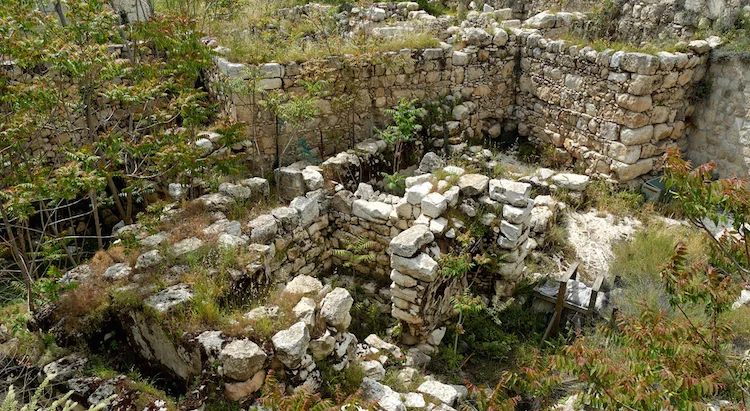
The Power Explained - Part 1

Power in People is Part of the Plan!

  1. This is a PREVIEW: Enjoy a taste of what's coming! (Acts 2:16-18)


  2. This is a PROMISE : God will keep his word on judgement, too! (Acts 2:19-20)


  3. This is a PROVOCATION : You have to do something about this! (Acts 2:21)

Sermon Notes (PDF): BLANK
Hint: Highlight blanks above with your cursor for answers!

Power and Witness - The Power Explained - Part 1
Jeff Miller
  • 00:00-00:04

    You turn in your Bibles with me, please, to Acts, the book of Acts, chapter 2.

    00:05-00:07

    And while you're turning there, let me pray.

    00:08-00:19

    Father in Heaven, we're going to continue in worship now as we have worshipped you in spirit and with our emotions and in music.

    00:19-00:29

    And we have worshipped you with giving back to you that which you gave to us so that we might use these things for ministry to advance your kingdom.

    00:29-00:38

    Father, just now we're going to continue in worship, worshiping you with our minds as we dive into your word.

    00:39-00:50

    And I pray father, the presence of your Holy spirit would give us understanding of your word because we can't, our natural minds, uh, discern these things.

    00:53-00:58

    So as I, Just share what the page says.

    01:00-01:07

    Let your Holy Spirit communicate in the hearts of the hearers what you want to communicate to them.

    01:10-01:15

    Father, we live in a day where we have a very little attention span.

    01:17-01:24

    I pray against any distractions, against minds wandering.

    01:25-01:40

    Father, I pray that we would consider this an act of worship, that we are engaging our minds with your Word, allowing you to transform us as we know you in a deeper way through what your Word teaches.

    01:42-01:44

    Father, again, glorify your name.

    01:45-01:47

    I pray in Jesus' name, Amen.

    01:49-02:03

    So Acts chapter 2, we're going to be picking up in verse 14, and in this passage, this is actually part 1 of 3, we're going to be looking over the next three times that I speak, we're going to be looking at the first ever Christian sermon.

    02:04-02:14

    This is the first sermon, Holy Spirit filled sermon delivered after the Holy Spirit came in Pentecost that we talked about last week.

    02:14-02:17

    And I wanted to share a word with you about preaching.

    02:18-02:22

    Because you know, at Harvest Bible Chapel, we are pretty serious about preaching.

    02:23-02:24

    That's actually our first pillar.

    02:24-02:29

    We proclaim the authority of God's word without apology.

    02:30-02:36

    So every week when we get up here and say, "This is what God says," we're not apologizing for that.

    02:37-02:54

    God's not apologizing for his word, so we're not going to get up and say, "Well, this is what it says, and I'm sorry if you don't like that, and let me sugarcoat it for you." And, you know, God's pretty serious about His Word, and we are serious about proclaiming His Word.

    02:56-03:09

    But, you know, this preaching thing, it's a funny thing, because the Bible says that what I do for a living is foolishness.

    03:10-03:11

    Think about that.

    03:12-03:15

    Think about what you do for a living. What do you spend your time doing all week?

    03:16-03:30

    Think about the place where you go to work, and imagine if somebody came up to you and says, "Hey, you know what you do for a living?" "Well, God says it's foolishness." You're like, "What are you talking about?" But the Bible actually says that what I do for a living is foolishness.

    03:31-04:01

    First Corinthians 121 says, "For since in the wisdom of God the world did not know God through wisdom, it pleased God through the folly or the foolishness of what we preach to save those who believe. And I gotta tell you, it's not lost on me every week. You know, I've been a pastor now for like 19 years or something like that, and it's never lost on me how foolish what we're about to do really is.

    04:01-06:29

    I'm just a regular guy from a redneck town that has a name. I'm just a guy and I stand up and I say this is what the Almighty Sovereign Holy God of the universe has said. Doesn't that sound like foolishness? It is. God says that's exactly what I'm going to use to glorify my name. But I'd also like to remind you of something else the Bible teaches you know this year at Harvest Bible Chapel we're talking about how Jesus promised the Holy Spirit would come and we would receive power in order to be Christ's witnesses so we're talking about power this year and when you study God's power in Scripture you know you know what the Bible calls the power of God obviously Jesus said the Holy Spirit is God's power and the Bible says that Jesus himself is the power of God but do you know there's only one other thing in the Bible called the power of God and it has nothing to do concerning his creative works or his sovereignty or or his brilliance those things are all tied to his power but the only other thing that the Bible actually calls the power of God you know what it is it's the gospel of Jesus Christ Paul says in Romans 1 I am NOT ashamed of the gospel for it is the power of God the gospel is the power of God and I'd like to remind you foolishness of preaching for you if you ever want to unleash the power of God on someone you ever want to do that like man there's this guy at work that I would just like to unleash the power of God on that guy you have a guy like that at work here's how you do it you share the gospel with them because the gospel is the power of God so yes preaching is foolishness and I get that what I do for living is foolish but it was God's idea and Peter in this passage gives the first ever Christian sermon. So just to review for those of you who might not have joined us the last few weeks as we started this series, Jesus did promise the disciples the Holy Spirit was going to come and they and we would be his witnesses in a Pentecost, the Jewish Feast of Pentecost, which was actually 50 days after the Feast of Passover, the Bible says that the Holy Spirit came.

    06:29-06:31

    That's the birthday of the church.

    06:32-06:36

    The Holy Spirit came to a sound of wind and the appearance of fire.

    06:36-06:42

    And the Bible says that the crowds in Jerusalem that were there to celebrate the feast, they hear this noise.

    06:43-06:45

    And the rubberneckers come out.

    06:45-06:46

    And they're like, "What was that noise?

    06:46-06:47

    What's going on?" And they come out.

    06:47-06:48

    And do you know what they see?

    06:49-06:55

    disciples were preaching to all of these people in their own language.

    06:56-07:09

    And we have the list of all of these languages, all these people groups that were in Jerusalem at the time, and they were all hearing the gospel being proclaimed, the majesty of God, rather, the power of God being proclaimed in their own language.

    07:11-07:13

    We closed last week seeing the two reactions that people had.

    07:13-08:04

    There were some people that were like, "What's going on here?" then you had people that, remember, they're like, "They're drunk. They're full of new wine." And that's where our passage picks up today. Acts 2 and verse 14, it says, "But Peter, standing with the eleven," those are the eleven other apostles, including Matthias, newly installed, welcome to the club. "But Peter, standing with the eleven, lifted up his voice and address them. Men of Judea and all who dwell in Jerusalem, let this be known to you and give ear to my words. For these people are not drunk as you suppose, since it is only the third hour of the day." I want to stop there for a second.

    08:05-09:28

    Peter says, first of all, I was studying this week, one pastor I read said that he thought that Peter was trying to use humor and I'm not that didn't strike me as Peter trying to be funny here I think Peter was kind of a kind of a straight shooter and he was just basically saying they're not drunk it's the third hour what's the third hour well they started counting the time at 6 a.m. so the third hour is 6 plus 3 is it was 9 a.m. okay so Peter stands up he goes look guys it's 9 o'clock in the morning we're here to celebrate a Jewish feast I promise you nobody is drunk okay now I was thinking about this week you know what these guys thought that the disciples were drunk what's the craziest thing you ever saw a drunk person do that don't answer that I changed my mind I meant to write I went to scratch out of my notes forget that one let me say this instead in my time I have seen some drunk people do some crazy things but something I have never ever ever seen a drunk person do. Something I've never seen in my life is somebody to get so drunk that they stand up and speak fluent Mandarin. I've never seen it. I've never seen somebody so drunk that they stagger out and they start speaking Portuguese. Like, "I didn't know you knew that language!" Like, "I don't!

    09:28-10:09

    I just have too much to drink!" And, um, you realize how crazy this is? They're language that they don't know and they're like, "Oh, they're drunk. That's idiotic." And Peter's like, "Seriously. Seriously. It's 9 a.m." I don't know. I thought that was kind of funny because I don't even think that's the better argument. I think the better argument is who gets drunk and speaks another language, but Peter was addressing the crowd where they were at and that was very important. So Peter preaches the first Christian sermon And we're going to be covering it in three parts today.

    10:09-10:13

    My whole sermon is really just Peter's introduction to his sermon.

    10:14-10:19

    Let's read down the rest of the verses, and then we're going to circle back and have some understanding.

    10:19-10:22

    This is a tough passage, but we're going to get through this together.

    10:22-10:22

    Amen?

    10:23-10:23

    You with me?

    10:24-10:25

    Okay.

    10:26-10:27

    Peter goes on.

    10:27-10:32

    "But this is what was uttered through the prophet Joel." Now Peter's going to quote from Joel chapter 2.

    10:33-10:34

    Joel was an Old Testament prophet.

    10:34-11:50

    Okay, so Peter gets up to preach and he starts by Sharing the Old Testament from Joel It says and the in the last days it shall be God declares that I will pour out my spirit on all flesh and Your sons and your daughters shall prophesy and your young men shall see visions and your old men shall dream dreams Even on my male servants and female servants in those days There it is again. I will pour out my spirit and They shall prophesy And I will show wonders in the heavens above and signs on the earth below Blood and fire and vapor of smoke the Sun shall be turned to darkness and the moon to blood before the day of the Lord comes, the great and magnificent day, and it shall come to pass, that everyone who calls upon the name of the Lord shall be saved." So I have one point today in Peter's introduction, and we're going to break it down into three sub-points.

    11:50-11:53

    But here's the point that Peter was making.

    11:53-11:59

    Here's why Peter, my understanding, was quoting this from memory.

    12:00-12:03

    I'd encourage you to do. Memorizing scripture is a fantastic idea.

    12:04-12:06

    But Peter gets up and he quotes from Joel.

    12:07-12:12

    And the whole point of Peter's introduction, follow along on your outline, here's his point.

    12:13-12:17

    Power in people is part of the plan.

    12:19-12:26

    Peter's point is this, the idea that God's Holy Spirit comes and indwells people, it wasn't like God had this afterthought.

    12:27-12:29

    Like God was like, "Okay, we tried the old covenant, it wasn't working.

    12:29-12:36

    I get an idea, I'll send my son, and they crucified him, and I rose him from the dead, and now what should I do?

    12:36-12:38

    Now what should I do?

    12:40-12:41

    Oh, I just had this idea.

    12:42-12:43

    I will indwell their hearts.

    12:43-12:46

    I will personally live inside them." That's what I'll...

    12:46-12:48

    It wasn't this new thing.

    12:49-12:54

    Power in people was always part of God's plan, and you can see it in the Old Testament.

    12:54-13:03

    God says, "There's going to come a day that I am going to personally indwell my people." So this is a difficult passage.

    13:03-13:06

    We're going to break some things down here, and I want to remind you of some things.

    13:06-14:04

    First of all, as Peter is quoting Joel, understand in the Old Testament, when the prophets were talking about things in the future, They weren't giving a timeline as much as they were talking about things that were going to be on the timeline. Does that make sense? They weren't giving a timeline. The Old Testament prophets didn't say first this is going to happen, then this is going to happen, then this is going to happen. Like when you read the prophets, read Isaiah, read Ezekiel, read Joel, when they talk about end time stuff, it's basically like a list of things that are going to happen. All the you're reading about the Messiah is going to rain, And then you read about them when the Messiah is going to suffer and then you read about God's going to judge the earth then you read about the Messiah is going to rain and then you read about God's going to bring judgment and They're seeing these things but they weren't laying them out in a linear fashion. Does that make sense?

    14:04-14:21

    you see Jesus came as The Old Testament promised he came and he suffered the Bible says the Messiah would suffer isaiah 53 and And the Bible says that the Messiah would reign over all the earth, Isaiah 9, 6 and 7.

    14:22-14:29

    But the Old Testament prophets never saw the period of time between when He suffered and when He reigned.

    14:29-14:30

    There's a period of time.

    14:31-14:33

    In other words, as I look out here, I see people.

    14:35-14:40

    Now, imagine if each person here, each person represents a particular prophecy.

    14:40-14:42

    You represent judgment, sorry.

    14:42-14:47

    And you represent the millennial reign of Christ, and you represent judgment too.

    14:48-14:56

    So when the prophet is prophesying, he's giving the things that are happening, but he's not talking about the space in between.

    14:56-15:00

    If I was to walk through the tables, there are spaces between where you're sitting.

    15:01-15:03

    Let those spaces represent time.

    15:03-15:06

    This is going to happen, and then there's a period of time, and then this is going to happen.

    15:06-15:07

    Does that make sense?

    15:08-15:14

    So, as Peter is preaching from Joel, it's a similar thing going on here.

    15:16-15:22

    Joel is talking about some of the elements that are coming ahead on God's calendar.

    15:24-15:34

    But when we get to the New Testament, specifically the book of Revelation, we do have a linear account of how all these things are going to fit into place.

    15:35-15:39

    I want you to look at your outline here. We have a timeline on here.

    15:39-15:40

    Everybody look at that.

    15:41-15:51

    This is a timeline because now in the New Testament days, with the completion of God's Word, we have these Old Testament prophecies and understand better where they fit.

    15:53-15:55

    So where are we on this timeline?

    15:56-15:58

    We're in church age, right?

    15:58-15:59

    We're in the church age.

    16:00-16:04

    Okay, the next thing we talked about this when we went through 1 Thessalonians.

    16:04-16:06

    The next thing on God's calendar is the rapture.

    16:06-16:10

    Jesus said He was going to come and He was going to deliver His people.

    16:11-16:14

    He was going to round them up and He was going to take them back to heaven.

    16:15-16:16

    That's the next thing on God's timeline.

    16:16-16:23

    And then after the rapture, Revelation 6 through 18, that's a typo, it should be 6 through 18.

    16:25-16:28

    Revelation 6 through 18 talks about a seven-year tribulation.

    16:29-16:33

    After the church is raptured, it's going to be hell on earth for seven years.

    16:34-16:41

    Revelation talks about the seal judgments and the trumpet judgments and the bowl judgments, and there are seven of each.

    16:41-16:45

    Each of these judgments is a manifestation of God pouring His wrath on the earth.

    16:46-16:50

    That's what we call the seven-year tribulation, Revelation 6-18.

    16:52-16:55

    Then in Revelation 19, Jesus returns.

    16:56-16:59

    Revelation 19, 11, Jesus Christ comes back.

    16:59-17:01

    This time it's not to gather up His people.

    17:02-17:09

    The Bible says He's coming back to slaughter the people who have rebelled against Him.

    17:09-17:12

    The people that would kill His people.

    17:12-17:15

    The people that would want to exterminate His gospel.

    17:15-17:18

    And the people that have blasphemed.

    17:19-17:22

    There's going to come a day that enough is enough.

    17:23-17:32

    You had your opportunity, you've rejected the goodness and grace of your Creator who saved you, the Bible says Jesus is going to come back.

    17:33-17:37

    This time it won't be to be crucified on a cross.

    17:37-17:40

    This time the Bible says a sword is going to come out of his mouth.

    17:42-17:45

    He's going to judge everyone who has rejected him.

    17:46-17:58

    Now, following that, the Bible says in Revelation chapter 20 that Jesus Christ is going to reign on the earth for a thousand years.

    17:58-18:02

    This is so important because the Old Testament prophets talked about this a lot.

    18:02-18:07

    They talk about the reign of the Messiah and the peace and the blessing that comes.

    18:08-18:16

    And Revelation 20 says that after the Tribulation, after the Second Coming, Jesus is going to set up a thousand-year reign.

    18:17-18:21

    Now, I talked to some people that say, "I don't think that it's literally a thousand-year reign.

    18:21-18:50

    think that's just figurative I disagree with that and here's why if you look at Revelation chapter 20 six times six times God says that the reign of Christ is going to last a thousand years so my question is if it wasn't a literal thousand years why would God have said it six times right it sounds to me that that God was trying to make a point.

    18:51-18:56

    It's going to be a thousand years. Did you catch that? A thousand years. Did you catch that? A thousand years. Six times he said it.

    18:57-19:02

    So if God says it six times, I'm not going to be presumptuous and say he probably didn't mean a thousand years.

    19:02-19:03

    He probably did.

    19:04-19:04

    Okay.

    19:05-19:06

    So, um...

    19:07-19:08

    I'm just going to go with what God said.

    19:09-19:11

    I'm not going to try to read into it when he's so clear.

    19:12-19:15

    Right? So Christ is going to reign on the earth for a thousand years. What's that like?

    19:17-19:21

    Christ is going to show for a thousand years what life was always meant to be.

    19:22-19:25

    Living in the joy and the peace of the Lord, we're going to be talking about that.

    19:26-19:30

    After the thousand years, the Bible says that Satan is released.

    19:30-19:32

    He's going to be bound for those thousand years.

    19:32-19:37

    He's going to be released and there's going to be one last act of rebellion.

    19:37-19:40

    It's going to lead to the great white throne judgment.

    19:41-19:44

    That is a judgment for unbelievers, okay?

    19:44-19:47

    That is a judgment for people that have rejected Jesus Christ.

    19:47-19:49

    It's the great white throne judgment.

    19:49-19:51

    Revelation 20 talks about that.

    19:52-19:59

    And then after that, Revelation chapter 21 says there's going to be a new heaven and a new earth.

    20:00-20:02

    God is already preparing the new Jerusalem.

    20:02-20:07

    Jesus said, "I'm going to prepare a place for you." And the new Jerusalem is going to descend.

    20:08-20:11

    And we're going to have a new heaven and a new earth.

    20:12-20:13

    And that's how things will be for eternity.

    20:16-20:22

    It's important that you understand this timeline as we look at this passage.

    20:23-20:24

    Because we're breaking this down.

    20:24-20:26

    You are here in the church age.

    20:27-20:40

    Now in verses 16 through 18 in this passage that we're looking at today, Joel, being quoted by Peter, is talking about the Millennial Kingdom of Christ.

    20:42-20:48

    In verses 19 and 20, Joel, quoted by Peter, is talking about the seven-year tribulation.

    20:50-20:57

    And then, notice verse 20, he talks about the Day of the Lord.

    20:57-21:00

    That's the return of Jesus Christ for judgment.

    21:00-21:02

    So what's the point?

    21:04-21:04

    What's the point?

    21:04-21:13

    Well, there are three points that Peter was bringing to our attention and bringing to the attention of the hearers by sharing this passage from Joel.

    21:14-21:16

    And this is the first one. You've got to catch this.

    21:17-21:18

    Number one, this is a preview.

    21:19-21:20

    This is a preview.

    21:21-21:24

    Enjoy a taste of what is coming.

    21:25-21:26

    Let's look at these verses again.

    21:27-21:28

    This is a preview.

    21:28-21:30

    enjoy a taste of what is coming.

    21:30-22:29

    Okay, so the Holy Spirit has come and people are like, "What in the world's going on?" And Peter says, "This is what was uttered through the prophet Joel." "And in the last days it shall be," God declares, "that I will pour out my Spirit on all flesh, and your sons and daughters shall prophesy, and your young men shall see visions, and your old men shall dream dreams." "Even on my male servants and female servants in those days I will pour out my spirit and they shall prophesy What are the last days Well, according to the Bible we live in the last days now Okay Hebrews chapter 1 verse 2 says in these last days God has spoken to us through his Son These are the last days before God brings an end to this era in other words the last days refers to the period of time between the first coming of Jesus Christ and the second coming and of Jesus Christ. So why...

    22:30-22:31

    Let's take a step back here.

    22:31-22:34

    So, the Holy Spirit comes and everybody's all confused.

    22:34-22:35

    What's going on?

    22:35-22:46

    Peter gets up and he pulls this passage out of the Old Testament to say this explains what is happening.

    22:47-22:51

    Why would Peter use this text on Pentecost to talk about the Holy Spirit?

    22:51-23:02

    We see it twice in this passage that there is the promise from Joel, from the Lord, that God is going to pour out His Spirit on His people.

    23:04-23:11

    Peter's point is that this is a foretaste of kingdom life.

    23:12-23:19

    The complete fulfillment of what is happening now is going to happen in the millennial kingdom of Jesus Christ.

    23:20-23:28

    Peter was saying that Pentecost was a preview and a sample of what was ahead.

    23:30-23:38

    In other words, during the millennial reign of Christ, He is going to reign over all of the earth.

    23:40-23:49

    Right now, Jesus Christ is reigning through the people that have received Him by faith.

    23:50-24:02

    which isn't everyone. To illustrate this, I know this is a lot of stuff, but to illustrate this, Deb, would you come up here please? I have a cake here. You guys see my cake?

    24:04-24:20

    I brought this in this morning and somebody said, "Are you going to pie somebody with that cake?" You don't pie somebody with a cake. You cake someone with a cake. So, I I know it's goofy, but grandma brought it for us, so I love it.

    24:21-24:23

    Just like you love the stuff your grandma brings you.

    24:24-24:25

    We're going to use our imaginations here.

    24:25-24:28

    I want this cake to represent something.

    24:30-24:34

    Let this cake represent the millennial reign of Jesus Christ.

    24:35-24:43

    Let this cake represent all of the blessings and all of the goodness that's coming.

    24:45-24:48

    when Christ reigns on the earth for a thousand years. Can you see that?

    24:49-24:52

    So right now as you're looking at this cake, it looks good, doesn't it?

    24:54-25:08

    When you're thinking about this cake and you're looking at it, what we're thinking about is there's going to come a day that I'm going to enjoy all of the goodness and blessing that the millennial reign of Christ will offer.

    25:10-25:12

    Take a few pieces of that off.

    25:14-25:19

    Okay, so everybody's with me. This is representing the goodness of the kingdom of Jesus Christ.

    25:20-25:22

    So here's what Peter is saying about Pentecost.

    25:24-25:25

    Alright, who wants some cake?

    25:27-25:29

    Take a few of those. Hand those out to some people.

    25:30-25:31

    I love how the kids aren't shy.

    25:32-25:40

    The adults are all like, "I really want some cake, but I can't raise my hand." Here's what Peter's saying in this passage.

    25:41-25:46

    The coming of the Holy Spirit is like those samples of that cake.

    25:47-25:53

    It's real. He's real. And he's a taste of what is to come.

    25:53-25:57

    I'm not saying that we have some lesser Holy Spirit. Don't read into what I'm saying.

    25:58-25:59

    Look at the illustration for what it is.

    26:01-27:06

    He's saying Pentecost, the coming of the Holy Spirit now, This is a real taste of what it's going to be like when we get here right now God is just giving you a sample of it What do you mean by that Well think about small group many of you are in small group How many people in a small group in our church would say that you just think your small group is awesome How many people would say that because I I just think my small group is awesome. You see those hands that are up Okay, and how many people that are part of harvest Bible Chapel Pittsburgh North thinks you know what I just love this church How many people would say I just love this church Okay, you better have your hand up Those of you that have been to harvest University how many people would say I love going to harvest University how many people would say that You know why all of those things are so awesome small group church harvest University, you know why all those things are so awesome It's because all of those things are a taste of what's ahead, right?

    27:07-28:42

    That's what I love about her. I'll talk about harvest universe I love going there because you have people from all over the world and all these languages and all these skin colors and all these People from all over the world Worshiping Jesus Christ and I say the same thing every year. It's like a little taste of heaven. I love it That's what heaven's going to be like that's why harvest you is such a fulfilling time That's why I love going to our small group because I'm around people that I love and that I trust that that encourage me in the Lord Those things are all a preview Of how awesome heaven is going to be and Peter is saying listen this was prophesied and Granted everything in this prophecy of Joel hasn't come to pass yet right that's obvious All of those things didn't come to pass yet, but Peter's saying we're seeing the down payment on it Coming of the Holy Spirit is a taste of what is to come when the Messiah reigns In other words Imagine if everybody Can have a bite of the cake Wouldn't that be great? We're all just sitting around Marshall Middle School eating cake. That'd be a good day. Well imagine For those of you who are born again, for those of you who know of the comfort and the joy of the presence of God's Holy Spirit, I know there are many of you like that in this room, imagine the day, imagine the day when that's everybody.

    28:44-28:53

    Imagine the day when small group isn't like two hours of my week, but I have that kind of joy and fellowship all week.

    28:54-29:04

    Imagine the day that the worship stuff doesn't get packed away, because the worship just keeps going on and on and on.

    29:04-29:05

    Imagine that.

    29:05-29:06

    Isn't that going to be awesome?

    29:07-29:18

    And just like this is a taste of then, Peter's saying the coming of the Holy Spirit is God's first down payment on the glorious things that are ahead.

    29:20-29:45

    life as a taste of what is to come. Living in the Holy Spirit now, it's a preview of the kingdom, it's a preview of heaven, and I want to encourage you, Church, you know, when we get up and preach the Word of God, and we encourage you to make choices to walk in the Spirit. The reason we encourage you to make those choices to walk in the Spirit is because that's how you maximize your life in Christ now.

    29:46-29:48

    It fires you up for what is to come.

    29:50-29:57

    Every time we say, "You need to love people," we're saying that because that's what heaven's going to be all about.

    29:59-30:00

    This is a preview of that.

    30:01-30:11

    When we tell you now that you need to trust the Lord and you need to cultivate that fellowship with the Lord in prayer, why do we do that?

    30:11-30:13

    Because this is a taste of what is to come.

    30:15-30:17

    We tell you, you need to engage yourself in worship.

    30:19-30:20

    Why are we so fired up about worship?

    30:20-30:24

    Why do we spend so much time and effort and energy into worship?

    30:25-30:27

    Because this is what we're going to be doing for all of eternity.

    30:27-30:29

    And this is like dress rehearsal, okay?

    30:30-30:34

    This is preparing us for when we're in the presence of Christ himself.

    30:34-30:35

    And this is what we're going to be doing.

    30:37-30:44

    So Peter starts his sermon by saying, "Hey, this isn't a new idea." Power in people is always part of the plan.

    30:45-30:48

    In fact, remember what Joel said about that when he gave all those prophecies?

    30:48-30:52

    Part of that prophecy is God promised he was going to pour his spirit into people.

    30:53-30:57

    So secondly, this is a promise.

    30:58-30:59

    This is a promise.

    30:59-31:03

    God will keep his word on judgment too.

    31:04-31:13

    Looking at verses 19 and 20 again, it says, "And I will show wonders in the heavens above and signs on the earth below, blood and fire and vapor of smoke.

    31:13-31:47

    sun shall be turned to darkness and the moon to blood stop there for a second all those things are in Revelation 6 through 18 you can read those you can just read them all of those phenomenon are happening in the future and as Peter talks about the outpouring of the Holy Spirit he reminds us something else Joel says in the same passage before the kingdom comes before the thousand-year It's going to be a time of God pouring out His judgment.

    31:49-31:52

    You know, we want to believe God's Word for the good parts, don't we?

    31:53-31:56

    We want to believe God's Word for the comfortable parts.

    31:58-32:05

    The judgment parts might be a little harder to swallow, but they're just as true.

    32:07-32:17

    You see, you could come to church and say, "You know, can't we just do the loving Jesus parts?" Can't we just do the parts in the Bible that say like Jesus loves you and you should just love people?

    32:17-32:20

    Can't we just stick to that stuff?

    32:20-32:28

    And I would reply by saying nobody warned about judgment and hell more than Jesus Christ himself.

    32:29-32:29

    Nobody.

    32:31-32:39

    Matthew chapter 7, Jesus said, "Wide is the gate that leads to destruction." Matthew chapter 10, Jesus said, "I'll tell you who you should be afraid of.

    32:40-32:43

    You should be afraid of God who can throw you into hell.

    32:44-32:44

    Jesus said that.

    32:45-32:54

    Matthew 13, Jesus said, there's a day of judgment coming and there are going to be people that think they're going to escape it, but nobody's going to escape it.

    32:54-32:55

    Jesus said that.

    32:56-33:11

    Luke chapter 16, Jesus told the story of the rich man and Lazarus and didn't spare any details when he talked about the suffering that the rich man had to endure because he lived a life of God rejecting.

    33:12-33:15

    So many parables, I don't even have time to get into them. I was studying it this week.

    33:16-33:20

    I just got to the point that I'm like, I just gotta stop, because this will be like another eight hour sermon.

    33:21-33:34

    And there's a visitor here today like, "Another eight hour sermon? Is that how long they are normally?" Like, so many of Jesus' parables, so much of his teaching, so much of it, do the homework yourself, so much of what Jesus taught was warning.

    33:36-33:51

    because it's true. It's true. You know, when I was a little kid, I remember going to grandma's house. I remember going to grandma's house and we'd sit at the bottom of the steps on that register. We'd throw the ball up and, you know, we'd throw the ball up and it would bounce down.

    33:51-34:00

    We didn't have iPods, okay? We had that pink ball in grandma's stairs.

    34:01-35:27

    and we were better people for it. But no, I remember as a kid, grandma would always say, "Don't go upstairs." Remember why? Because the boogeyman's up there. Grandma always told us that. I was just a little kid, but I remember sitting there as a kid, looking up the stairs, seeing if I could get a glimpse of the boogeyman. And there were times, I kid you not, there were times I thought I saw him. Like, I thought I saw like the hem of his robe, or like the back of his leg. I'm like, "Grandma, Grandma, I saw him! I Grandma would be like, "Don't go up there." I found out later in life, as in two months ago, that there was no boogeyman. Grandma made that up. You know why Grandma made that up? Because she didn't want four-year-old little Jeffy running around getting into the medicine or whatever. Some people think of God's judgment and think of the doctrine of hell they think of it as the boogeyman like that's something that the church says because we're trying to scare you into behaving and it's not true look at what the Bible actually says the Bible says that hell's a real place and real real people are really going there the Bible says God's judgment is coming as sure as heaven is hell as sure as God's blessing for those who receive him as as God's condemnation for those who rejected Him.

    35:29-35:35

    It's in this passage that Peter doesn't shrink back from preaching the whole passage.

    35:36-35:52

    I heard this past week some famous preacher, I'm not going to mention his name, but some famous preacher said, "If you preach through the Bible a verse at a time and go through a book at a time," this preacher said, "that's easy and it's lazy." That's what he said.

    35:53-35:57

    I guess the alternative is the preacher just picks what he wants to preach on.

    35:58-36:00

    And if that were the case, that'd be real easy.

    36:00-36:13

    I'd just get up every week and be like, "Jesus loves you. I love you. Can we just get along?" And the worship team's gonna come and sing "Kumbaya" and, you know, "Let's have another donut." But you see, Peter didn't skip this verse.

    36:13-36:20

    And if we're preaching through the Bible, we can't skip this stuff either, because God's judgment is as real as His blessing.

    36:22-36:24

    Christ loves you too much to lie to you.

    36:25-36:31

    Church, I love you too much to skip the parts that might be a little uncomfortable like this one.

    36:33-36:43

    Peter says God's Word is coming to pass, all of it's coming to pass, including, he says, before the day of the Lord comes, the great and magnificent day.

    36:46-36:54

    And there's probably somebody here, even now, There's probably somebody here that says, I hear what you're saying about judgment and hell, but you know what, Jeff, I don't believe it.

    36:55-36:57

    I want to play a hypothetical with you, okay?

    36:57-36:58

    Can we do that?

    36:59-37:03

    Hypothetically, let's say you're right and I'm wrong.

    37:04-37:06

    Let's say there is no judgment, there is no hell.

    37:09-37:11

    Hypothetically, I'm going to give you that one for a second here.

    37:11-37:13

    Let's just say that there is no hell.

    37:13-37:14

    There's no judgment.

    37:15-37:16

    There's nothing to worry about.

    37:18-37:25

    What have I lost by following Christ, by seeking the Lord in his word?

    37:25-37:26

    What have I lost?

    37:26-37:27

    I have a great marriage.

    37:28-37:35

    I'm surrounded by people in this room that I love and trust and are a great encouragement to me.

    37:37-38:17

    I, from your perspective, choose to follow a morality that honestly, it benefits my fellow man if I choose to live it according to my lifestyle by what I believe what have I lost let's let's turn that around now what if you're wrong what what if there is a hell what if there is a judgment from God coming let me ask you what have you lost by rejecting Christ you have forfeited any any blessing in this life.

    38:19-38:24

    And all you have to look forward to is stepping into a godless eternity.

    38:26-38:33

    We can't even fathom the type of agony that awaits.

    38:36-38:36

    What if you're wrong?

    38:38-38:39

    Here's the thing.

    38:39-38:40

    I have a reason to believe what I believe in.

    38:42-38:51

    I have a reason to believe what I believe, because I have a book that has been trusted and verified and proven for millennia.

    38:52-38:54

    What are you basing your beliefs on?

    38:55-39:01

    We talk to guys that we mark at the jail, where they're like, "Well, that's just my opinion." Oh, that's what you're basing your beliefs on, your opinion.

    39:01-39:02

    Has your opinion ever been wrong?

    39:04-39:06

    If your opinion's ever been wrong, that means you're untrustworthy.

    39:07-39:09

    And you're ready to roll the dice on eternity?

    39:10-39:11

    That's your plan?

    39:12-39:15

    of your silly little opinion and you will disregard the word of God?

    39:16-39:17

    Not a good choice.

    39:19-39:24

    God's going to keep his word on the good stuff.

    39:24-39:29

    Peter reminds us here, quoting from Joel, God's going to keep his word on judgment too.

    39:31-39:38

    If you reject Jesus Christ as your Lord and Savior, if you reject Jesus Christ as God's gift of eternal life.

    39:40-39:43

    Bad news for you is this life is as good as it's ever going to get for you.

    39:45-39:55

    So I want to promise you, echoing God's word which is echoing Peter, which is echoing Joel, which is echoing the Holy Spirit, God's judgment is real.

    39:57-39:58

    This is a promise.

    39:58-40:00

    Keep his word on judgment too.

    40:01-40:04

    Finally, number three, this is a provocation.

    40:06-40:11

    What's a provocation? A provocation is when something provokes you to do something.

    40:12-40:15

    This is a provocation. You have to do something about this.

    40:17-40:25

    So hearing Peter get up and preach about judgment, the crowd might start to think, "You know what?

    40:27-40:40

    Those scriptures do talk about judgment, and we're seeing a fulfillment of God's word coming to pass right before our eyes." You might already be starting to think, "How can I be saved?

    40:41-40:45

    How can I be spared?" Look at what the next verse says.

    40:47-40:57

    "It shall come to pass that everyone who calls upon the name of the Lord shall be saved." This is the way of God's Word.

    40:57-41:00

    The bad news is to set up the good news.

    41:01-41:03

    We're just going to break this phrase down.

    41:05-41:08

    Judgment's coming. Judgment's coming.

    41:08-41:14

    The last phrase says that there is an opportunity that you can be saved.

    41:16-41:17

    Who shall be saved?

    41:17-41:19

    Well, look at the verse. Let's break it down.

    41:20-41:24

    It talks about calling upon the name of the Lord.

    41:26-41:27

    How can I be saved?

    41:27-41:31

    Well, you have to call on the name of the Lord.

    41:34-42:50

    by works. Okay, it's not like, well, the judgment of God is coming, therefore you better get yourself to a soup kitchen and start feeding homeless people and you better start sending money to poor people and you better start helping little old ladies cross the street because judgments coming and God's going to be keeping a tally of all the good things that you've done and doesn't say that. What does it say? It's about calling. It's about calling. It's about saying, "God, I need you and I'm crying out to you." It's prayer. It's saying, "God, I need you. I realize the danger that's coming. I realize the stupidity of my sin. I realize you have so much better for me. I'm calling." Notice it's not by your works. It's by calling calling on what this is everyone who calls upon the name of the Lord the name of the Lord it's calling it's calling on the right person for help that's important that's important if I need a package delivered I'm not going to call on the fire department.

    42:52-42:55

    I'm going to call FedEx, right?

    42:56-43:01

    If my car breaks down, I'm not going to call the cell phone company.

    43:03-43:04

    Say, "Hey, I desperately need help.

    43:04-43:09

    My car broke down." If I call the cell phone company, they're going to be like, "Why are you calling us?

    43:10-43:14

    We can't help you." I need to call who?

    43:15-43:17

    I need to call Ben Maul, right?

    43:18-43:21

    or AAA or somebody that knows how to fix this thing.

    43:21-43:24

    I need to call on the person that can fix the problem.

    43:25-43:29

    That's why it says everyone who calls on who?

    43:29-43:30

    Calls on the name of the Lord.

    43:33-43:35

    Once saved, you need to be calling on the right person.

    43:37-43:39

    Salvation is found in only one person.

    43:41-43:46

    My favorite word in this whole verse, honestly, my favorite word is the first one.

    43:48-43:52

    Everyone, everyone who calls on the name of the Lord shall be saved.

    43:53-43:59

    You should have that underlined, highlighted, and like Christmas lights around that word in your Bible.

    43:59-44:02

    Everyone, everyone.

    44:03-44:07

    So, help me out, Bible students.

    44:07-44:12

    This invitation to call on the name of the Lord to be saved, who's the invitation for?

    44:12-44:12

    Shout it out.

    44:14-44:14

    Everyone.

    44:14-44:18

    But, okay, now you be the pastor and I'll be like the guy coming to you for counseling.

    44:19-44:21

    But I've done a lot of terrible things in my life.

    44:22-44:23

    Who's the invitation for?

    44:24-44:28

    But you don't understand. I did something, I did something so bad in my life.

    44:28-44:30

    I did something so bad.

    44:31-44:32

    Who's this invitation for?

    44:35-44:37

    What if I rejected God before?

    44:37-44:41

    What if I spent the last 40 years of my life rejecting God?

    44:41-44:42

    Who's this invitation for?

    44:44-44:46

    What if I've been rejecting God for 80 years?

    44:46-44:47

    Who's this invitation for?

    44:49-44:52

    What if I lived a lifestyle that hurt people?

    44:53-44:54

    Who's this invitation for?

    44:56-44:57

    This is for everyone.

    44:58-45:00

    I had to smile last night.

    45:00-45:02

    I was watching the World Series.

    45:03-45:10

    Did you see that cell phone commercial where the guy was like, he thought that the girl was giving him some kind of a special rate on the cell phone.

    45:10-45:10

    Did you see that?

    45:11-45:20

    He's like, "Oh, you gave me this special rate." And she's like, "No, that's for everyone." And he's like, "Even for that guy over there?" And she didn't even look up.

    45:20-45:29

    She goes, "Yeah, for him too." He goes, "You didn't even look." And she goes, "He is everyone." And I thought that's, like, that'll preach.

    45:29-45:31

    Who's this invitation for?

    45:32-45:33

    This is for everyone.

    45:34-45:36

    If you're sitting here today and you're like, "You know what?

    45:38-45:58

    "There's a part of me that's understood in my mind and maybe a little in my heart what's going on here, what I need to do, but I just haven't made that decision because I just really haven't felt worthy or I haven't felt like I deserve anything from God or I haven't felt like I'm somebody that can become a follower of Jesus Christ.

    46:00-46:01

    The truth is you're not worthy.

    46:01-46:02

    None of us are.

    46:04-46:55

    sends the invitation by the atonement of Jesus Christ by the power of the Holy Spirit he makes you worthy because it's about him and what he's done it's not about you and what you've done everyone who calls on the name of the Lord shall be saved that's good news so at this point the crowd is saying how can this even be possible? Well, the next part of Peter's sermon answers the question how this salvation is possible, and the answer is found in one name, and that name is Jesus Christ. And it's a story that gets better every time you hear it, and it gets better every time you tell it. And I'm going to share that with you, Lord willing, in three weeks. Let's pray.

    46:57-47:01

    Father in heaven, as we bow our heads before you now, I lift up this church.

    47:03-47:10

    And I know we had to do a lot of Bible study today to understand.

    47:12-47:19

    I pray, Father, that your Holy Spirit is more than making up for what I'm lacking in my trying to communicate.

    47:21-47:54

    Father, I pray right now specifically for people in this room that might feel like they've screwed up too bad. People in this room that feel like they've made a mess of their lives and there's no way of getting themselves out of this mess. For people that feel like, "I'm so wicked there's no way God would want me." I pray, Father, right now that by the power of your Spirit you would tattoo this phrase on every heart that says, "Everyone Everyone who calls on the name of the Lord will be saved.

    47:55-48:02

    And this message is for every man, woman, child, no matter where we've been or what we've done.

    48:04-48:07

    Everyone who calls on the name of the Lord shall be saved.

    48:08-48:16

    Father, I pray today is a new day that people stop looking at their sin as an obstacle to your grace.

    48:17-48:30

    And instead, Father, You would magnify the grace in their eyes, from their perspective, that they would see that Your lavish grace is so much greater than any sin or any sins we've ever committed against You.

    48:32-48:50

    Father, we thank You for giving us Your Word, which is so simple and yet so profound, so easy to understand and so complicated, so encouraging and provocative at the same time.

    48:52-48:56

    Father, we thank you for the promise of salvation.

    48:57-48:59

    We thank you for the presence of your Holy Spirit.

    49:01-49:03

    We praise you in Jesus' name. Amen.

Small Group Questions (Whole Group):
Read Acts 2:14-21

  1. Why did Peter quote THIS Old Testament passage? Why use this passage if all of these things were not yet fulfilled (judgment, Day of the Lord, etc)?
     

  2. Why do you think preaching is God's ordained method of getting His Word out? (Hint: What role does the Holy Spirit's power have in this?)

Breakout Questions:

Pray for one another. I am going to selfishly ask you pray for me while I am in Thailand teaching the pastors at the conference. I know I can count on you!
The Power Arrives!

Four Amazing Aspects of the Holy Spirit:

  1. He's HERE ! (Acts 2:1-4)


  2. He's working through ORDINARY people! (Acts 2:5-7)


  3. He's after EVERYONE ! (Acts 2:8-11)


  4. He's POLARIZING ! (Acts 2:12-13)

Sermon Notes (PDF): BLANK
Hint: Highlight blanks above with your cursor for answers!

Power and Witness - The Power Arrives!
Jeff Miller
  • 00:00-00:02

    So Acts chapter 2, are you there?

    00:04-00:06

    Imagine if we had this conversation at our house.

    00:06-00:14

    Imagine if I came home, obviously from Target, and I said to my wife, hey, I got you something.

    00:16-00:17

    You guys all know what this is, right?

    00:19-00:20

    Right, OK, this is a blow dryer.

    00:22-00:23

    And do you know what this is for?

    00:25-00:26

    Yeah, it's for blowing your hair.

    00:26-00:29

    Imagine if I brought this home-- he's so smart.

    00:29-00:37

    Imagine if I brought this home and I said to my wife, Erin, I am so sick to death of you going out of the house with a wet head.

    00:38-00:41

    Because when I was a kid, my parents told me that I was going to catch pneumonia that way.

    00:43-00:45

    So did anybody else-- did your parents tell you that?

    00:46-00:47

    Oh my gosh, it wasn't just my parents?

    00:48-00:48

    OK.

    00:48-00:50

    So I don't know.

    00:50-00:51

    Is there a doctor in the house?

    00:51-00:52

    I don't think you can catch pneumonia that way.

    00:53-00:54

    But I'm not sure.

    00:55-00:58

    But anyways, Erin, you can't be leaving the house with a wet head.

    00:58-01:04

    So I got you this and Kate explains to Aaron that this is something to dry your hair.

    01:04-01:16

    So Aaron takes it and she's like, "Well, I feel a little bit of a breeze." Like, "No, no, no, no, that's not how you use it." And then she's like, "Oh, well, you know what?

    01:16-01:19

    I feel it getting a little drier now.

    01:19-01:19

    You know what?

    01:20-01:22

    This is a very ergonomic design on this thing.

    01:23-01:24

    Like, that's not how you use it either.

    01:25-01:40

    How do you use this thing?" like pastors, if this is so elementary, the way this thing works is it has to be plugged into a power source because unless it's plugged into a power source, the thing really isn't any good, right?

    01:41-01:43

    You're like, oh, my gosh, everybody knows that.

    01:45-01:55

    But sometimes in the church, we don't know that sometimes in the church, we forget the most basic principle and the principle is this, like the blow dryer, we are no good.

    01:56-01:59

    unless we are plugged into the power source.

    02:00-02:18

    You see, in this year at Harvest Bible Chapel, our theme circle is around Acts 1, verse 8, when Jesus promised the disciples, "You will receive power when the Holy Spirit comes." Why would you want us to have power?

    02:18-02:22

    Why would you want your Holy Spirit to be on us, Jesus?

    02:23-03:25

    tells us. You will be my witnesses. Locally and globally, you're going to demonstrate to the world the reality of the living God and he's going to do that by putting his power inside you. Okay? So in Acts chapter 1, Jesus told the disciples, "You'll receive power when the Holy Spirit comes upon you. You'll be my witnesses and then we saw that he ascended to heaven. Last week we talked about how they waited just as Jesus told them to and they used the time as they were waiting to replace Judas's vacant spot as an apostle and then the day came this power this Holy Spirit that Jesus promised arrives in jaw-dropping fashion So, on your outline, I encourage you to take some notes, because we have a lot to talk about today.

    03:27-03:31

    Four amazing aspects of the Holy Spirit.

    03:33-03:35

    Four amazing aspects of the Holy Spirit.

    03:36-03:36

    Why that title?

    03:37-03:41

    Well, I counted five times in this passage that we're looking at today.

    03:45-03:54

    These words, verse 6, bewildered, verse 7, amazed, astonished, verse 12, amazed, perplexed.

    03:55-04:03

    It seems that in this passage there's a prevalent theme about the way people were reacting to the arrival of the Holy Spirit.

    04:03-04:06

    So what's so amazing about the Holy Spirit?

    04:07-04:10

    So much we could say there, but we're just going to take four things from the text.

    04:10-04:11

    Are you ready?

    04:11-04:13

    Four amazing aspects of the Holy Spirit.

    04:14-04:21

    one, he's here. He's here. That's the first amazing thing about God's Holy Spirit.

    04:22-04:49

    He's here. It says, "When the day of Pentecost arrived, they were all together in one place. And suddenly there came from heaven a sound like a mighty rushing wind, and it filled the entire house where they were sitting and and divided tongues as of fire appeared to them and rested on each one of them.

    04:51-05:07

    And they were all filled with the Holy Spirit, and began to speak in other tongues as the Spirit gave them utterance." So the first amazing aspect of the Holy Spirit is He is here.

    05:10-05:22

    And you know, when you look back on your life, you can probably, like me, you can probably point to specific days, specific days in your life where everything changed.

    05:23-05:34

    Specific days that you can point to on the calendar of your past and say, "My life hasn't been the same since this day." I look at that in my own life, you know, for example, my wedding.

    05:35-05:39

    I can look at pictures from our wedding and say, everything changed for me that day.

    05:40-05:43

    My life has never been the same since that day.

    05:45-05:46

    I think of when Owen was born.

    05:48-05:51

    My life has not been the same since Owen was born.

    05:53-06:00

    I think back even sooner to those days, to 1995, when I gave my life to Jesus Christ.

    06:02-06:18

    I look at that day and think, "My life hasn't been the same at all since I received Jesus Christ." And understand that we can look at that from an individual perspective, but we can also think of it in a corporate perspective as well.

    06:19-06:26

    Can you think of a day - one day in particular - that changed life for everybody?

    06:27-06:28

    How about 9/11?

    06:30-06:34

    This country hasn't been the same since 9/11.

    06:35-06:37

    It's a day that corporately changed everything.

    06:38-06:51

    On the grand scheme, what you have to see in this passage, what you cannot miss in this passage, is the truth that when the Holy Spirit came upon these disciples, nothing on this earth has ever been the same.

    06:52-06:53

    This changed everything.

    06:55-06:57

    God promised a day was coming.

    06:57-07:01

    Darren read it earlier, I want to share many Scriptures with you of God's promise.

    07:02-07:03

    Jesus's promise.

    07:03-07:07

    And John the Baptist also promised all through God's Word.

    07:08-07:09

    The Holy Spirit is coming.

    07:09-07:10

    The Holy Spirit is coming.

    07:11-07:12

    The Holy Spirit is coming.

    07:12-07:13

    And then we get to Acts Chapter 2.

    07:14-07:20

    And I cannot underscore to you enough how significant this passage is in your Bible.

    07:20-07:26

    The Holy Spirit of God has come to live in God's people.

    07:28-07:31

    I want to share another Scripture with you concerning this.

    07:31-07:33

    John 14, verses 15-17.

    07:34-07:36

    This is a significant passage concerning the Holy Spirit.

    07:36-07:38

    Jesus said, "If you love me, you will keep my commandments.

    07:40-07:57

    And I will ask the Father, and He will give you another Helper to be with you forever, even the Spirit of Truth, whom the world cannot receive, because it neither sees him nor knows him.

    07:58-08:11

    You know him, for he dwells with you and will be in you." The key word that I want you to focus on in that passage is the word "another." Jesus, talking about the Holy Spirit, listen to this.

    08:11-08:23

    He said, "I will ask the Father and He will give you another Helper." The word "another" is huge.

    08:24-08:25

    What's so big about the word another?

    08:26-08:27

    Here's what's so big about the word another.

    08:27-08:30

    In the English language, we only have one word for the word another.

    08:30-08:31

    Do you know what that word is?

    08:33-08:34

    Another, right?

    08:36-08:36

    That was an easy one.

    08:36-08:37

    Now it gets harder.

    08:37-08:46

    But in the Greek, there were actually two different words for the word another, because they carried two very different meanings.

    08:48-08:49

    One was the word heteros.

    08:50-08:51

    We're familiar with that word, right?

    08:53-08:59

    heterosexual, meaning you're with another person.

    09:01-09:05

    But in the Greek, the word heteros means it's another of a different kind.

    09:07-09:11

    My wife is another human being, but she is completely different than me.

    09:11-09:13

    A woman is different than a man.

    09:15-09:16

    That's heteros.

    09:17-09:23

    The other word for another in the Greek was the word alas, which means another but exactly the same.

    09:25-09:31

    Or to illustrate it, imagine if you brought to church a big tray full of assorted cookies.

    09:33-09:34

    I recommend this, by the way.

    09:35-09:44

    But you bring a big tray full of assorted cookies to church, and you walk up to me, and you say, Pastor Jeff, would you like a cookie?

    09:45-09:46

    What do you think I'm going to say?

    09:48-09:50

    I'm going to say a little more excited than you just did.

    09:51-09:52

    You're going to say yes.

    09:52-09:53

    No, I'm going to say yeah.

    09:54-09:54

    Yeah, I want a cookie.

    09:55-09:56

    Hello.

    09:58-09:58

    OK.

    10:00-10:01

    Here's a raisin mayonnaise cookie.

    10:04-10:07

    I'm going to say to you, I'd like another.

    10:09-10:10

    What do I mean by that?

    10:10-10:12

    I want a cookie, but I want a different cookie.

    10:14-10:15

    That's another of a different kind.

    10:16-10:16

    That's heteros.

    10:17-10:18

    I want another.

    10:19-10:19

    I don't want that one.

    10:19-10:20

    I want a different one.

    10:21-10:22

    I want another one.

    10:23-10:23

    OK?

    10:24-10:24

    That's heteros.

    10:26-10:30

    Or if you came with your big tray of cookies, like, Pastor Jeff, would you like a cookie?

    10:30-10:32

    I say, better.

    10:33-10:35

    And you hand me a chocolate chip cookie.

    10:36-10:40

    I'm going to eat it, and then I'm going to say, can I have another?

    10:43-10:45

    What am I asking for there?

    10:45-10:48

    I want another one exactly like that one.

    10:50-10:51

    What were you talking about?

    10:51-10:55

    Oh yeah, Jesus said the Father is going to send another helper.

    10:55-10:56

    Guess which word he used?

    10:57-11:04

    He used the word alas, meaning the Holy Spirit is exactly like Jesus.

    11:06-11:12

    Meaning, the Father is going to send a helper, another helper, and he's exactly like me.

    11:15-11:15

    That's the point.

    11:17-11:19

    The Holy Spirit is just like Jesus.

    11:22-11:27

    The Holy Spirit is not some lesser influence of morality.

    11:27-11:35

    The Holy Spirit is God himself, the spirit of the living God himself in dwelling man.

    11:36-11:42

    He's not this impersonal force like on Star Wars or just some moral consciousness.

    11:43-11:49

    The Holy Spirit is as much God as Jesus Christ is God.

    11:50-11:53

    As God the Father is God.

    11:54-11:57

    And that's how the Bible has revealed God.

    11:57-12:00

    The Bible says He is Father, He is the Son.

    12:00-12:03

    We saw that for the last two years in the Gospel of Mark.

    12:03-12:05

    Jesus Christ is God in the flesh.

    12:05-12:10

    But the Bible also says that the Holy Spirit is God.

    12:11-12:17

    The Bible calls them all God, and the Bible calls each of them God.

    12:17-12:19

    And you're like, "Well, hang on.

    12:19-12:20

    There's only one God, right?

    12:21-12:31

    So if there's only one God, how is that one God, like Father, Son, and Holy Spirit, like Pastor Jeff, can you explain that?" And the answer is, "No, I can't explain that.

    12:32-12:39

    But I believe it." And you don't have to explain something to believe in it and to trust in it, right?

    12:40-12:43

    I can't tell you how my car works, OK?

    12:43-12:48

    But I don't stand in my driveway for two hours every morning going, well, I really need to get to work.

    12:48-12:54

    But until I can figure out how this thing works, I'm not really sure that I'm going to use it.

    12:55-12:57

    I can't explain to you how a cell phone works.

    12:58-13:00

    I have no idea.

    13:00-13:02

    But I use it, OK?

    13:03-13:04

    I believe that it works.

    13:06-13:07

    And I watch it work.

    13:07-13:09

    But I can't explain how it works.

    13:09-13:16

    And when it comes to the Trinity, can we please just have the freedom to say, "Look, I can't explain the Trinity. I can't. I live in time and space.

    13:16-13:19

    That's all I've ever known. God lives outside of time and space.

    13:20-13:33

    And in His Word, He says that God the Father is God, and God the Son, Jesus Christ, is God, and God the Holy Spirit is God." And I'm just like, "Okay, I don't understand it, but I don't need to understand it because God didn't tell me to understand it. God told me to trust Him.

    13:34-13:37

    Because He is God and I am not.

    13:38-13:39

    Alright?

    13:39-13:41

    So the Holy Spirit is God.

    13:42-13:44

    He's another Helper just like Jesus.

    13:47-13:51

    Last week, we saw that the disciples were waiting.

    13:52-13:54

    Why did the disciples have to wait?

    13:54-13:57

    Why did Jesus make the disciples wait?

    13:58-14:10

    If you remember last week, I sang to you and I wish I could tell you about the dozens and dozens of emails that I got asking that I would do that more often, but I didn't get those emails.

    14:11-14:14

    Last week we saw the disciples waiting on the promise.

    14:14-14:16

    Why did God make them wait?

    14:17-14:18

    I'm going to explain to you why quickly.

    14:19-14:24

    The reason Jesus had the disciples wait is because simply this - God has a calendar.

    14:26-14:27

    God has a calendar. Did you know that?

    14:27-14:31

    I don't know if He has it like tacked to the refrigerator or hanging on the wall. I don't know.

    14:32-14:34

    do know for a fact that God has a calendar.

    14:35-14:36

    What do you mean by that?

    14:36-14:44

    Well, if you go back to the Old Testament, the Old Testament, the Old Testament law, all of these things were a picture of the coming Christ, right?

    14:44-14:48

    All of the things in the Old Testament were to picture the reality of who Jesus Christ is, right?

    14:50-15:06

    Well, the events of Jesus and the coming of the Holy Spirit were on God's calendar, which lined up with his calendar from the Old Testament, meaning this, Israel had national feasts that God commanded them to celebrate.

    15:07-15:13

    You can read about them, Exodus 23, I believe also Exodus 34, it's in Leviticus 23.

    15:14-15:18

    You can go to your Old Testament and read, but God says, Israel, you have to celebrate these feasts.

    15:18-15:23

    And one of the feasts was Passover/Feast of Unleavened Bread.

    15:24-15:27

    They were day apart, kind of the same thing, same celebration.

    15:28-15:35

    But the Passover celebrated that God allowed the blood of a spotless lamb to save and rescue his people.

    15:36-15:37

    Going back to the days of Moses from the Exodus.

    15:40-15:41

    Okay, Passover.

    15:43-15:51

    On Israel's calendar, if you go, God said, seven weeks and a day after Passover.

    15:51-15:52

    What's seven weeks and a day?

    15:52-15:52

    Quick math.

    15:53-15:54

    Seven weeks and a day, how many days is that?

    15:55-15:56

    Fifty, right.

    15:56-16:00

    50 days after Passover, there's another feast that Israel was supposed to celebrate.

    16:02-16:04

    And that was called the Feast of Weeks.

    16:06-16:08

    What was the Feast of Weeks?

    16:08-16:17

    Well, 50 days after Passover, by the time you get to the New Testament, the Feast of Weeks had a different name.

    16:17-16:20

    The Feast of Weeks was called Pentecost.

    16:21-16:23

    And do you know what the word Pentecost means?

    16:23-16:24

    It means 50th.

    16:25-16:27

    That's what Pentecost means.

    16:27-16:30

    50th, meaning the 50th day after Passover.

    16:31-16:35

    And it was actually a first fruits offering.

    16:36-16:41

    This is the thing that I was studying this week that blew my little finite mind.

    16:42-16:46

    When you do the math here, kind of look at this timeline.

    16:47-16:53

    Jesus Christ offered himself as the Passover lamb on Jewish Passover, right?

    16:54-17:01

    And then the Bible says, we saw this in Acts chapter 1, that Jesus appeared to his disciples for how many days?

    17:02-17:03

    It says 40.

    17:04-17:13

    So, Passover lamb sacrifice, Jesus Christ, he appeared to his disciples for 40 days, and then he told them to wait.

    17:13-17:15

    What are we waiting for, Jesus?

    17:16-17:18

    You're waiting 10 days to get to day 50.

    17:19-17:23

    Because day 50, 50 days from Passover, is what?

    17:23-17:29

    as Pentecost, or the Feast of Weeks, and that's the day that the Holy Spirit came.

    17:31-17:55

    Like, well what's the significance with that? I'm so glad you asked, because you see Ephesians chapter 1 verses 13 and 14, you can look that up. Remember I told you that the Feast of Weeks was to celebrate firstfruits. The Bible tells us that that we receive from Christ.

    17:56-17:59

    So do you see how awesome God's timetable is?

    18:01-18:09

    Passover, 50 days, firstfruits offering, Feast of Weeks, Pentecost, Jesus saying we're on the same calendar here.

    18:09-18:11

    I offered myself as the Passover lamb.

    18:12-18:22

    I appeared to you for 40 days, but you've got to wait 10 more days because your next big celebration is going to be a firstfruits celebration when God's Holy Spirit comes to be the first fruits of your inheritance.

    18:23-18:24

    Isn't that awesome?

    18:26-18:29

    That's why they had to wait until Pentecost.

    18:31-18:35

    But you see, church, this is the power that Jesus is talking about.

    18:36-18:42

    That God has chosen to personally live in the heart of everyone who receives Christ.

    18:42-18:47

    Everyone who receives Christ receives the same Holy Spirit.

    18:48-19:01

    It's not like, "Well, I get a little bit of the Holy Spirit because I'm just a little guy in a little church in a little town and I get a little bit and you get a little bit and because you're a small group leader you get some..." It's not like that.

    19:01-19:06

    Like Billy Graham gets a lot of Holy Spirit and it's the same Holy Spirit.

    19:08-19:12

    All of God's Holy Spirit indwelling all of God's people.

    19:14-19:17

    The question isn't how much of the Holy Spirit do we get?

    19:17-19:21

    The question is always, how much of you does the Holy Spirit have?

    19:23-19:36

    Just like we wouldn't use the hair dryer unless it's plugged into the power source, we can't do what God's called us to do unless we're plugged in to the power of the Holy Spirit.

    19:37-19:43

    Everything that God wants to do in you and in this church comes from the power of the Holy Spirit.

    19:45-19:47

    The first amazing thing in this passage is, he's here.

    19:48-19:50

    And somebody might say, "Wait, wait, hang on.

    19:50-19:56

    "You didn't really explain the rushing wind "and the divided tongues of fire.

    19:56-19:59

    "What's that all about?" And I don't know.

    20:00-20:01

    I really don't know.

    20:01-20:08

    But understand this, Luke here was describing the phenomenon.

    20:09-20:11

    He wasn't explaining it, and there's a difference.

    20:12-20:18

    You notice it says, there is a sound like a mighty rushing wind.

    20:18-20:20

    He didn't say it was a hurricane.

    20:20-20:23

    He said it sounded like wind.

    20:24-20:27

    He's describing the phenomenon, not explaining it.

    20:27-20:37

    And then he says, "Divided tongues as of fire appeared to them and rested on each one of them." Like, what does that even mean?

    20:37-20:42

    It was some physical, visible manifestation of God's Holy Spirit.

    20:43-20:49

    And you can see from the language, Luke is like, "I'm just trying to describe what it looked like." I don't think their heads were on fire.

    20:49-20:51

    Okay, I don't think it looked like that.

    20:51-20:55

    Remember, was it Michael Jackson, you know, doing a commercial and his head caught on fire or something?

    20:56-20:58

    Younger people are going to have to look that one up.

    20:58-21:01

    But I don't think their heads were literally on fire.

    21:01-21:10

    I think Luke was just like, "Here's what it looked like." It appeared to be like these divided tongues of fire.

    21:10-21:12

    There was some visible manifestation.

    21:13-21:14

    Don't miss the point, okay?

    21:14-21:21

    Don't get caught up in trying to understand details we weren't really meant to understand and miss the big picture.

    21:21-21:22

    The big picture is this.

    21:22-21:23

    God's Holy Spirit is here.

    21:25-21:26

    That is amazing.

    21:27-21:34

    Secondly, what else is amazing about God's Holy Spirit He's working through ordinary people.

    21:36-21:38

    He's working through ordinary people.

    21:38-21:39

    Look at verses 5-7.

    21:40-21:45

    It says, "Now there were dwelling in Jerusalem Jews, devout men from every nation under heaven.

    21:46-21:50

    And at this sound," what sound?

    21:50-21:51

    The sound of the wind, right?

    21:51-21:53

    Whatever that wind sound was.

    21:53-22:44

    at this sound the multitude came together and they were bewildered because each one was hearing them speak in his own language. Remember it says in verse 4 that they began to speak in other tongues after that sound. The crowd hears the sound they come out and they hear these people speaking in tongues and it says each one was hearing them speak in his own language and they were amazed and astonished saying, "Are not all these who are speaking Galileans?" Stop there. Here's something else amazing about the Holy Spirit. He's working through ordinary people. These devout Jews from everywhere hear this sound.

    22:45-22:51

    Obviously they were in town for Pentecost to celebrate God's holidays.

    22:54-22:59

    So they hear this sound and you can just imagine in your mind everybody coming out into the streets.

    22:59-23:02

    The Bible says bewildered, amazed, and astonished.

    23:02-23:04

    We would also add rubbernecking.

    23:04-23:06

    Like what was that sound all about?

    23:11-23:13

    First of all, what sounded like the hurricane?

    23:13-23:23

    And second of all, how is it that there's all these people here from all over the world but everybody is hearing this little group of people talk in their own language?

    23:24-23:33

    Aren't these people that are speaking, aren't they just, aren't they just, aren't they just, what's your Bible say, aren't all these who are speaking Galileans?

    23:36-23:38

    This was not a compliment, by the way.

    23:41-23:49

    This was like saying, "Aren't all of these people speaking just a bunch of rednecks?" I mean, these aren't men of the world.

    23:49-23:56

    These aren't refined and dignified men that we hear speaking these exotic world languages.

    23:56-23:57

    That's not what we see.

    23:58-24:06

    What we see is a group of hillbillies from Galilee speaking all of these languages.

    24:08-24:09

    What in the world is going on there?

    24:10-24:14

    I would just pause here and say this passage is a great encouragement to me and it should be for you.

    24:15-24:23

    Because we tend to idealize people from the Bible.

    24:26-24:27

    We should idealize Jesus.

    24:29-24:37

    But I'm saying other people from the Bible - we tend to idealize some preachers even today.

    24:40-24:43

    But you know, they were just regular guys.

    24:44-25:09

    us, right? The Bible says Elijah was a man with a nature just like ours. And David was an ordinary guy. And Peter and Paul, ordinary people! Somehow we tend to idealize them that they were, you know, they were eight feet tall and wore skinny and were just so cool and so trendy.

    25:10-25:12

    And they were just regular guys.

    25:14-25:24

    And preachers today, we tend to idealize our "insert favorite preacher." But they're just regular guys.

    25:25-25:28

    And understand that that was the thing that amazed the crowd.

    25:29-25:35

    That something big was happening, but it was happening through ordinary people.

    25:36-25:37

    That's encouraging.

    25:40-25:41

    Because if I were God, you ever play that game?

    25:42-25:46

    If I were God, I would use popular and influential people of our day.

    25:47-25:49

    I'd be like, you know what, I gotta get this gospel message out.

    25:49-25:54

    So I'm gonna find the coolest actors and athletes and supermodels.

    25:54-25:57

    I'm gonna find the people that like the general public already sort of looks up to.

    25:58-26:04

    And I'm gonna get my message through them because people will kind of automatically already listen to them.

    26:04-26:05

    They already have the people's attention.

    26:05-26:38

    have the people's ear. God doesn't work that way, does he? God's like, "No, I just use ordinary people. That way people see my glory on display and they don't attribute my work to the person doing it." Confession time, there's not a There's not a day in my life that goes by that my inadequacy to do ministry isn't staring me right in the face.

    26:41-26:49

    There's not a day that goes by that I think about what God's called us to and what we've seen God accomplish.

    26:51-26:54

    There's not a day that goes by that I don't think, "What in the world am I doing?

    26:55-27:17

    do this. I'm not the guy for this job. I can't believe with all of the people on the planet that there's not somebody more qualified than me to be in this position. There are like seven billion people more qualified to be in this position. And what am I doing? What am I doing here? I wrestle with that.

    27:19-27:51

    But you know as soon as I think that it's about the adequacy or the competency of the person, or as soon as I think in a moment of pride that I am adequate to get the work done, it's really for me to start expecting the glory. It's easy for me to lose my dependence on God, and it's easy for me to start doing ministry in my own power. Well, I guess I got something to offer. I guess I'm kind of intelligent and kind of creative, and I can kind of...

    27:52-27:54

    Suddenly I'm not relying on the power of the Holy Spirit.

    27:55-28:03

    Suddenly I'm thinking that the reason God called me was because there was something He saw in me, which wasn't the case.

    28:05-28:10

    It wasn't the case for me and it wasn't the case for these people in the first century in Acts chapter 2 here.

    28:11-28:12

    It wasn't about them.

    28:14-28:16

    It was about God's power.

    28:18-28:27

    And I get a word from somebody here, maybe there's somebody sitting here today that needs to step up in ministry, but you haven't felt qualified.

    28:28-28:38

    Maybe there's somebody here that's like, "You know, I really feel like God's been calling me to be a part of something in this church, or part of this ministry or mission, and I just really haven't felt qualified to do it.

    28:38-28:41

    Maybe someday..." I get a word for you.

    28:43-28:44

    That word is this.

    28:45-28:46

    God still uses Galileans.

    28:49-28:50

    Because it's not about what you bring to the table.

    28:53-28:59

    God's not looking down from heaven saying, "I've got some work that needs done, let me see who's qualified to do it." That's not the case.

    29:01-29:10

    God's looking down from heaven saying, "Who is willing to allow me to work through them?" That's what He's looking for.

    29:12-29:13

    That's good news for me.

    29:15-29:16

    should be good news for you.

    29:17-29:18

    He's working through ordinary people.

    29:19-29:23

    Thirdly, what's amazing about the Holy Spirit is He's after everyone.

    29:24-29:25

    He's after everyone.

    29:27-29:32

    Verse 8, continuing the roar of the crowd here.

    29:33-29:34

    Not all these who are speaking Galileans.

    29:34-29:35

    Verse 8, they continue.

    29:37-30:10

    And how is it that we hear each of us own native language. Parthians and Medes and Elamites and residents of Mesopotamia, Judea and Cappadocia, Pontius and Asia, Phrygia and Pamphylia, Egypt and the parts of Libya belonging to Cyrene and visitors from Rome, both Jews and proselytes, Cretans and Arabians. We hear them telling in their own tongues the the mighty works of God.

    30:12-30:13

    Here's the next amazing thing.

    30:14-30:15

    Number three, He's after everyone.

    30:17-30:31

    All of these languages are being heard at once and each of these people groups that are represented - I have a page of notes of who these people groups were and where they were from and what that is today, but that's not really the point.

    30:31-30:34

    The point is just simply this.

    30:35-30:38

    The Lord is pursuing everyone with His Holy Spirit.

    30:39-30:41

    The gospel of Jesus Christ is for everyone.

    30:42-30:46

    You see, we saw in v. 4 that it said that they were speaking in tongues.

    30:46-30:48

    And you're like, I've heard about that before.

    30:49-30:51

    What is speaking in tongues?

    30:51-30:52

    What does that mean?

    30:52-30:58

    Well, when we look at this passage, we see that speaking in tongues was not some gibberish language.

    31:00-31:07

    Speaking in tongues is somebody speaking an existing language that they don't know by the power of the Holy Spirit.

    31:07-31:09

    I think that's pretty obvious from the text.

    31:10-31:16

    They weren't speaking some gibberish language and suddenly the Holy Spirit gave them the ability to understand the gibberish language.

    31:16-31:34

    It's very clear in the text that these disciples were speaking in tongues and the reaction of the crowd is, "We hear," verse eight, "each of us in his own native language." It would sort of be like, I'm going to Thailand in eight days or whatever.

    31:34-31:42

    It'd be like if I went to Thailand and I got up And I started speaking, but Thai came out of my mouth.

    31:43-31:56

    Or some Lisu tribal language came out of my mouth that I don't know, but the Holy Spirit chose to express the gospel to them in their own language by me opening my mouth.

    31:57-31:59

    That's what speaking in tongues is.

    32:02-32:05

    You're like, man, I would love to know what they were saying.

    32:05-32:06

    What did the people hear?

    32:06-32:08

    Like all these languages were hearing a message.

    32:08-32:10

    I wonder what they were saying.

    32:10-32:13

    We don't have to wonder because the Bible tells you exactly what they were saying.

    32:13-32:14

    Look at verse 11.

    32:16-32:20

    We hear them telling in our own tongues the mighty works of God.

    32:21-32:23

    That's what they were preaching.

    32:23-32:26

    They were preaching these sermons of praise.

    32:27-32:29

    Okay, they were sermons of praise.

    32:29-32:30

    Like, well what did that sound like?

    32:31-32:33

    Here's what they would have heard in their own language.

    32:33-32:35

    have been something like this.

    32:35-32:41

    These disciples saying, listen, people, the Lord God reigns over all the earth.

    32:41-32:43

    The heavens proclaim his righteousness.

    32:44-32:46

    Great are the works of the Lord.

    32:47-32:51

    Let everything that has breath praise the Lord.

    32:51-32:53

    His love endures forever.

    32:54-32:58

    That is what they were hearing in their own language.

    33:01-33:05

    Because this was setting the table for Peter to share the Gospel of Jesus Christ with them.

    33:05-33:08

    And we're going to be getting to that next week.

    33:10-33:11

    You see, He's after everyone.

    33:12-33:26

    The promise of the Holy Spirit is for everyone - Jew, Gentile, male, female, black, white, rich, poor, pretty, ugly, pretty ugly, whatever.

    33:27-33:28

    He's after everyone.

    33:30-33:31

    There's no exclusion here.

    33:32-33:39

    Okay, everybody's hearing in their own language, except like, you know, there's some, there's some like Latino people here that aren't hearing Spanish.

    33:39-33:40

    Like what's going on here?

    33:42-33:49

    Everybody was hearing the message and that was God's way of saying my gospel is for all people all over the world and it's got to get to them.

    33:51-33:52

    And I'll show you how I'll get it to them.

    33:52-33:55

    I'll perform a miracle so that they hear it in their own language.

    33:56-33:57

    He's after everyone.

    33:59-34:04

    So if you're sitting in church today and you think, you know, there's some people in our church that go to the prison.

    34:04-34:07

    I don't really know why we waste our time with those prison inmates.

    34:08-34:17

    Or maybe you're sitting here thinking of that nasty neighbor that you have or that wicked co-worker that you have and you're looking at these people and you think, well, here's some people that are impossible to reach.

    34:17-34:18

    Have you ever thought that about someone?

    34:19-34:21

    Like that person's impossible to reach.

    34:21-34:23

    God's never going to get after that person.

    34:23-34:24

    That person's impossible.

    34:24-34:29

    Well, when you start to think that about someone, I've got something I'd like to show you.

    34:31-34:31

    It's right here.

    34:33-34:34

    Because that was me.

    34:38-34:41

    You see, it was at a low point, a time in my life, I wasn't seeking God.

    34:41-34:43

    I was seeking a lot of other garbage.

    34:44-34:45

    I wasn't seeking God.

    34:47-34:50

    But oh how I discovered that God was seeking me.

    34:52-35:07

    And He took a guy like me who was in sin and living a sinful, self-centered, hate-filled life.

    35:08-35:11

    The Holy Spirit was after me and He's changed me.

    35:12-35:14

    I still got a lot of growing to do.

    35:15-35:19

    I'm not the person I want to be yet, but I thank God I'm not who I was.

    35:22-35:27

    But as soon as I have that temptation to think, "Well, that guy's never going to get it.

    35:27-35:31

    I just have to grab a mirror." You're like, "Jeff, that was you, man.

    35:31-35:39

    I'm sure that if you would have interviewed people in 1994, you'd think that guy's ever going to come to Christ." No way.

    35:41-35:43

    God's Holy Spirit is after everyone.

    35:45-35:46

    He's after everyone.

    35:46-35:48

    Is everyone going to respond? No.

    35:49-35:53

    I think it's obvious from this passage that the heart of God is to go after everyone.

    35:55-35:56

    That's why we go to Thailand.

    35:56-35:58

    That's why we send a group of people to Romania.

    35:59-36:00

    That's why we're talking about going back.

    36:01-36:02

    Why? Because God's after everyone.

    36:04-36:05

    He wants to use us.

    36:07-36:07

    message out.

    36:09-36:11

    What's so amazing about the Holy Spirit?

    36:11-36:13

    Well, first, it's just amazing that He's here.

    36:13-36:17

    It's amazing that He works for ordinary people and it's amazing that He's after everyone.

    36:18-36:22

    Lastly, what's so amazing about the Holy Spirit is He's polarizing.

    36:22-36:23

    He's polarizing.

    36:25-36:26

    Look at verses 12 and 13.

    36:30-36:58

    It says, "And all were amazed and perplexed, saying to one another, 'What does this mean?' But others, mocking, said, 'They are filled with new wine.'" As always, when God is at work, people fall into two camps.

    37:00-37:04

    When God is very clearly and obviously at work, people fall into two camps.

    37:04-37:07

    There are seekers and there are doubters.

    37:09-37:12

    We see it in this passage, "Some people seek." What does this mean?

    37:12-37:13

    Is this for real?

    37:13-37:15

    Is the power of God really on display here?

    37:15-37:19

    Is God's message coming after me?

    37:19-37:20

    Does God really love me?

    37:20-37:21

    Is God after me?

    37:22-37:23

    Like, what does this mean?

    37:24-37:26

    Why am I hearing this?

    37:26-37:27

    Why am I seeing this?

    37:28-37:30

    Why is God doing this?

    37:31-37:32

    There are seekers.

    37:34-37:37

    But then there are always those who are just going to explain it away.

    37:39-37:40

    God clearly at work.

    37:40-37:46

    And did you see some of the people who are like, "They're drunk!" Seriously?

    37:47-38:25

    That was how you assess the situation Dozens of different language groups were hearing in their own language and you're you you assess the situation by saying the preacher's been drinking Really that was the best you could come up with that's idiotic that is idiotic But that shows you how idiotic a sinful heart is Because a sinful heart would rather accept any explanation except Even to the point that you call the preacher a drunk.

    38:26-38:28

    Just unbelievable.

    38:29-38:35

    How can you just watch one of the biggest miracles in the history of the planet and just explain it away?

    38:36-38:41

    How can you be so dismissive in the face of God at work?

    38:43-38:44

    It's like that.

    38:45-38:46

    I'm telling you, it's just like that.

    38:47-38:53

    There are people that will see God so very clearly at work, and they will be so dismissive.

    38:54-39:01

    I remember when I was saved in '95 and the radical transformation that I went through.

    39:01-39:06

    I remember very shortly thereafter I was called into ministry, which I was so not expecting.

    39:07-39:08

    So not expecting that call.

    39:09-39:13

    And I was sure it was the wrong number, and God would not let it go, so here I am.

    39:14-39:26

    And I remember telling a close family member about it, I'm not going to say which one, it wasn't Darren, okay we'll put it that way, this story is not about Darren.

    39:26-39:35

    But I remember telling a close family member about it because in my life God was just transforming me and things were so new and radically different.

    39:35-39:43

    And I remember trying to tell this family member, like, "Hey, I got some news for you.

    39:44-39:53

    God, I believe that God has called me to be a pastor." I remember being nervous to like tell this person, like, what are they gonna say?

    39:53-39:54

    And you know, are they gonna think I'm weird?

    39:54-39:55

    Are they gonna try to talk me out of it?

    39:56-39:58

    Like, I just remember like getting up the courage, like, "I gotta tell you something.

    39:59-40:06

    God has called me to be a pastor." And it's crazy, I know, I'm 100% sure that's what he's calling me to do.

    40:07-40:09

    I'll never forget what this person said.

    40:09-40:12

    They said, well, you know ministers don't make very much money.

    40:13-40:14

    You know that, right?

    40:16-40:20

    Somewhere off in the distance, I heard, wah, wah.

    40:23-40:25

    That's kind of the thing that's going on here.

    40:25-40:27

    It's like, God is so clearly at work.

    40:27-40:29

    And then you just have Debbie Downer.

    40:29-40:32

    Has there's no offense, Debbie, or anybody else if your name's Debbie.

    40:34-40:40

    It's like Debbie Downer has to show up and be like, "Ministers don't make money.

    40:42-40:50

    They're probably drunk." Looking at the face of God, obviously, at work, and just being so dismissive.

    40:52-41:01

    I'm sure our church this year, we sent about $18,000 to Romania in three love offerings, We're talking about $18,000.

    41:02-41:05

    And then to send seven people over, we raised about $19,000.

    41:06-41:07

    Somewhere in that neighborhood.

    41:07-41:14

    So in this little church, that's like $37,000-ish.

    41:14-41:16

    Somewhere in the ballpark of that kind of money.

    41:18-41:25

    And I'm sure as some people outside of the church heard about that, maybe you're talking with some of your coworkers about it or something like that.

    41:26-41:31

    I'm sure there's some people that were thinking, "Oh, they must have some big givers at that church.

    41:32-41:34

    I wonder what the real story is behind that.

    41:35-41:52

    I bet you they got probably just a couple people that were big givers." And just so quickly want to just explain it away, instead of saying, "Look what God did!" It's like, "Oh, I wonder what really happened." I am so down on people doing that to the Lord.

    41:52-41:54

    God does something obvious and we just want to dismiss it?

    41:55-42:04

    The biggest example in my life, I remember in 2011, in March, Cade, who was four at the time, got kicked in the face by a horse.

    42:05-42:06

    It was just a weird series of events.

    42:07-42:24

    We got back from a four-wheeler ride, we were out at the in-laws, and one of the horses got out of the barn, and Aaron's dad and I were putting a new tire on the one quad, and Cade ran down to see this horse that was now in the yard, and ran behind the horse, and I just turned to Joe, He was far away.

    42:24-42:30

    I just turned to Joe and I said, you don't think that horse will-- and as soon as I got that in my mouth, that horse reared back.

    42:30-42:35

    And both hooves right in the face kicked Cade.

    42:35-42:43

    And he flew across the yard, did one complete flip, landed face first in the dirt.

    42:46-42:49

    Oh gosh, I remember screaming as I ran down the hill.

    42:50-42:52

    Picking him up and his eyes were open.

    42:55-42:55

    Nothing was there.

    42:56-42:57

    His mouth was open.

    42:57-43:01

    He had blood trickling out of his mouth and he wasn't breathing.

    43:03-43:04

    Horrified.

    43:06-43:09

    Long story short, we race him to Butler Hospital, which was closest.

    43:09-43:11

    And we get taken to Children's Hospital.

    43:11-43:38

    And one of the doctors at Butler said, "No four-year-old gets kicked in the face by a horse and survives." So we get him to the children's hospital and they fit him with this little neck brace and we're in the emergency trauma unit all night and they get a room ready for him and early in the morning they wheel him to the room and at the crack of dawn he jumps out of bed and starts playing like nothing happened.

    43:42-43:48

    Ok now I tell people that story, the boast about the Lord, I'm like you're not going to believe what God did.

    43:48-43:53

    And I tell people, I believe that God put His hand down and protected him in the moment of impact.

    43:54-44:00

    You know, and he had a mom that was holding him and praying for him in the car the whole way to the hospital, just praying over him, praying over him.

    44:01-44:06

    I believe that God did something absolutely supernatural.

    44:07-44:08

    Not one broken bone.

    44:08-44:08

    Not one.

    44:10-44:13

    I tell that story to people, and you know what people say?

    44:14-44:16

    Well, you know, kids are pretty resilient.

    44:19-44:20

    Kids are pretty resilient!

    44:20-44:22

    He got kicked in the face by a horse!

    44:23-44:27

    Okay, resilient, yeah, maybe he falls off the couch and gets a booboo on his knee.

    44:27-44:30

    Okay, here's a lollipop, stop crying, we're moving on.

    44:30-44:33

    He got kicked in the face by a horse!

    44:33-44:35

    And the Lord protected him.

    44:35-44:41

    And you have the audacity to sit there and be like, "Well, kids are pretty resilient." Pretty resilient!

    44:41-44:45

    And then I have people try to explain the event itself.

    44:45-44:46

    They're like, well, you know what?

    44:47-44:49

    Maybe the horse didn't catch him flush.

    44:50-44:53

    Maybe it was a bit of a glancing blow on the shoulder.

    44:56-45:01

    And perhaps an unusual wind pattern was what flew him across the yard.

    45:02-45:06

    And he landed on an especially soft tuft of grass.

    45:06-45:11

    And that explains his well-being.

    45:13-45:16

    I'm like, well, I appreciate your theory.

    45:19-45:25

    However, we have the hoodie that has two hoof marks on it.

    45:28-45:31

    So don't give me this glancing blow theory, JFK, all right?

    45:31-46:43

    I don't want to hear your little theories about how you think it happened because I watched it happen and I got a theory how about this one how about the Lord showed up how about the Lord intervened how about the Lord protected how about that theory because that's the only one that makes sense when people try to offer their silly little theories I just grabbed them by the collar of their shirt and I say you're not going to rob God of his glory in this story. I don't really do that but I do that in my mind. I promise you I do that in my mind. What's the point? The point is church, listen, we live in a world that looks at God's creation and says you know how it happened it was it was all by chance, evolution, millions of years and we just live in this world where we look at the work of God and come up with some stupid explanation and we see it at Pentecost the Holy Spirit comes and they're like they're drunk God at work a few people are going to be interested to dig deeper and a lot of people just going to be meh. The church is time to get gripped again.

    46:45-47:01

    not trying to trudge through life, or try to conduct business in the church, but to cry out that God's Holy Spirit accomplish what only God can do.

    47:02-47:02

    He's here.

    47:04-47:05

    He's working through ordinary people.

    47:05-47:06

    He's after everyone.

    47:07-47:08

    He's polarizing.

    47:10-47:11

    I brought something else with me today.

    47:13-47:16

    This is one of my work gloves here.

    47:17-47:18

    I have two, for the record.

    47:19-47:23

    But I just want you to imagine with me that we were going to interview this glove.

    47:25-47:34

    We're going to interview this glove, and we say, glove-- looking great, by the way-- tell me what your life is like.

    47:35-47:38

    You know, this glove might say things like, you know, I'm pretty useful.

    47:40-47:46

    If you were hanging around our house, you would see I do a lot of stuff.

    47:47-47:51

    You would see that I'm pushing the mower.

    47:53-47:54

    You would see that I'm pulling weeds.

    47:55-47:56

    And I don't just work at home.

    47:57-48:02

    You know, sometimes if people need to move, I carry mattresses.

    48:02-48:03

    I carry dressers.

    48:03-48:04

    I carry boxes.

    48:05-48:09

    I have a pretty busy and fulfilling life.

    48:11-48:15

    But the truth is, left on its own, it just sits there, doesn't it?

    48:16-48:17

    It just sits there.

    48:18-48:22

    Because reality is, this isn't really the thing that does stuff, right?

    48:23-48:24

    You get that.

    48:24-48:25

    This isn't the thing that does stuff.

    48:26-48:29

    You're like, "Pastor Jeff, we're moving.

    48:29-48:31

    "Will you help?" And I'm like, "Oh, you know what?

    48:31-48:32

    "I'll send my glove.

    48:34-48:34

    because it's great.

    48:36-48:38

    This isn't the thing that does the work.

    48:40-48:43

    On its own, it's useless and quite ordinary.

    48:45-48:52

    But you know, when I put my hand in it, it seems to do all kinds of things.

    48:54-48:59

    But the truth is, it's not really the glove doing it, but it's the power of what's inside doing it, right?

    49:01-49:02

    This is the point of the Holy Spirit.

    49:05-49:07

    Here's your self-esteem pep talk for the day.

    49:08-49:10

    You, you are a glove.

    49:12-49:13

    You are ordinary.

    49:16-49:17

    And you are useless on your own.

    49:20-49:22

    What matters is what's inside you.

    49:25-49:35

    Because with God's Holy Spirit, He can use you to accomplish incredible things for Him.

    49:37-49:40

    But the glory never goes to this.

    49:41-49:43

    The glory belongs to what goes inside.

    49:44-49:45

    Let's pray.

    49:46-49:53

    Father in Heaven, we want to close this time today thanking You for the power of Your Holy Spirit.

    49:54-50:27

    Rejoicing at the truth that Jesus didn't say, "Go be my witnesses. Best of luck to you." But Jesus said, "Wait. My power is going to come upon you. My Holy Spirit is going to dwell inside you and then in that power you are going to accomplish big things." Father, it's easy for us to get a little further down the road and We start to lose the awe and the wonder of the truth that you personally have chosen to dwell in the hearts of your people.

    50:28-50:29

    We start to feel in despair.

    50:30-50:31

    We start to feel weak.

    50:31-50:38

    We start to turn our eyes on ourself thinking that we are going to somehow manifest the power to get your work done.

    50:39-50:47

    That this church is somehow going to pool our creative resources and get some work done when the truth is nothing happens outside of the power of your Holy Spirit.

    50:50-50:53

    So, Father, again, grip us in the awe of your power.

    50:56-51:01

    Let us present ourselves to you, Father, just as gloves.

    51:03-51:13

    And might your Holy Spirit, working in us and through us, accomplish things that can only be attributed to you.

    51:15-51:17

    We praise you in the name of your Son, our Lord and Savior.

    51:18-51:19

    Amen.

Small Group Questions (Whole Group):
Read Acts 2:1-13

  1. What's the significance of everyone hearing in their own language (Acts 2:6-11)? What does this say about the biblical phenomenon of "speaking in tongues"?

  2. Why do people try to "explain it away" when God is so clearly at work (Acts 2:13)? (Hint: See John 3:19-21, Romans 1:18) How should we respond to that as Christians?

Breakout Questions:

Pray for one another to be walking in the Spirit.